


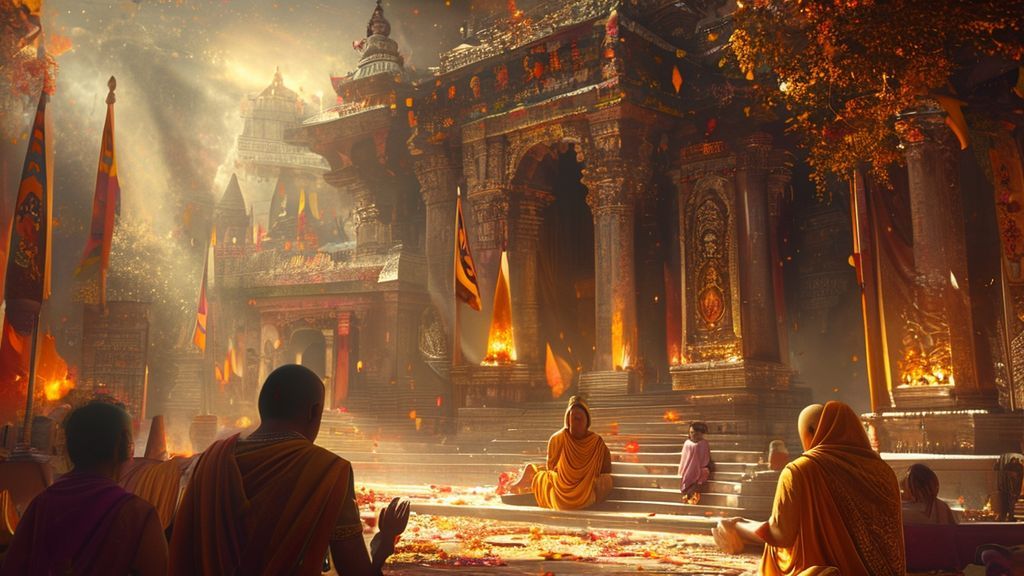
Addiction recovery, in the Hindu spiritual approach, is understood not merely as abstaining from a substance or behavior, but as a profound journey of self-realization (Atma-Jnana) and liberation (Moksha) from the clutches of Maya (illusion) and Avidhya (ignorance). It is a holistic path rooted in Dharma, Yoga, Bhakti, and Karma, aiming to restore inner balance, purify the mind (Chitta-Shuddhi), and reconnect the individual with their divine essence.
| Attribute | Details |
|---|---|
| Concept | Vyasan Mukti (Freedom from Addiction); Indriya Nigraha (Sense Control); Chitta-Shuddhi (Purity of Mind) |
| Core Principles | Dharma (Righteous Conduct), Yoga (Union), Bhakti (Devotion), Karma Yoga (Selfless Action), Jnana Yoga (Wisdom) |
| Key Scripture References | Bhagavad Gita (Chapter 2, 3, 6), Patanjali’s Yoga Sutras (Yamas & Niyamas), Upanishads, Ayurveda texts |
| Recommended Practices | Sadhana (Spiritual Practice), Tapasya (Austerity), Dhyana (Meditation), Pranayama (Breath Control), Seva (Selfless Service), Satsang (Holy Company), Japa (Mantra Chanting) |
The Spiritual Foundations of Recovery in Sanatana Dharma
In Sanatana Dharma, addiction, or vyasan (व्यसन), is viewed as a deep-seated spiritual ailment, a manifestation of the mind’s attachment to fleeting pleasures, stemming from ignorance of the true Self. It is a state where the individual loses control over their senses (indriyas) and mind (manas), becoming enslaved by external stimuli and internal cravings. This struggle is vividly described in the Bhagavad Gita, where Lord Krishna instructs Arjuna on the path to self-mastery. In Chapter 2, Verse 62-63, He states, “Dhyayato visayan pumsah sangas tesupajayate, sangat sanjayate kamah, kamat krodho ‘bhijayate. Krodhad bhavati sammohah, sammohat smrti-vibhramah, smrti-bhramsad buddhi-naso, buddhi-nasat pranasyati.” This profound teaching elucidates the downward spiral from contemplation of sense objects to attachment, desire, anger, delusion, loss of memory, destruction of intelligence, and ultimately, ruin. Thus, the Hindu spiritual approach to recovery is not merely about breaking a habit, but about reversing this destructive cycle by cultivating wisdom, devotion, and disciplined self-control.
Puranic Wisdom: Overcoming Inner Demons (Arishadvargas)
While explicit narratives of “addiction recovery” in the modern sense may not be found in the Puranas, the ancient texts are replete with stories illustrating the grave consequences of succumbing to the Arishadvargas – the six enemies of the mind: kama (lust/desire), krodha (anger), lobha (greed), moha (delusion/attachment), mada (ego/pride), and matsarya (envy). These internal enemies are the spiritual precursors to addictive behaviors.
Consider the story of King Nahusha from the Mahabharata, Vana Parva. Through intense penance, he ascended to Indra’s throne. However, his power led to immense ego (mada) and lust (kama) for Indrani, Indra’s wife. His unbridled desires led him to commit sacrilege, forcing great Rishis to carry his palanquin. When Sage Agastya refused, Nahusha kicked him. Enraged, Agastya cursed Nahusha to fall from heaven and become a serpent, suffering for thousands of years. This narrative powerfully illustrates how unchecked desires and ego can lead to a spectacular downfall, a spiritual “addiction” to power and pleasure that ultimately destroys the individual. Similarly, the relentless pursuit of material wealth by figures like Duryodhana, driven by lobha and mada, led to his ultimate destruction and the devastating Kurukshetra war.
The Puranas consistently emphasize that true strength lies not in external power, but in mastery over one’s own mind and senses. The path to recovery is therefore presented as a spiritual battle, a quest for self-knowledge and divine connection to overcome these inner demons and transcend the limitations of the material world. For further insights into these ancient wisdom traditions, one can explore the resources available at Hindutva.online.
The Ayurvedic and Yogic Approach to Inner Balance
Sanatana Dharma offers a comprehensive, holistic framework for well-being that deeply integrates the physical, mental, and spiritual dimensions. For addiction recovery, Ayurveda and Yoga provide invaluable tools for restoring balance (samyatva) and inner harmony.
Ayurveda: Healing the Body-Mind Complex
Ayurveda, the ancient Indian system of medicine, views addiction as a profound imbalance of the doshas (Vata, Pitta, Kapha) and an accumulation of ama (toxins). Specific substances or behaviors can aggravate particular doshas, leading to cravings and dependence. Ayurvedic treatment focuses on:
- Detoxification (Panchakarma): Therapies like Vamana (emesis), Virechana (purgation), and Basti (enema) are employed under expert guidance to eliminate deep-seated toxins and cleanse the system, reducing physical cravings.
- Herbal Remedies: Specific herbs such as Ashwagandha (Withania somnifera) for stress reduction, Brahmi (Bacopa monnieri) for mental clarity, and Shatavari (Asparagus racemosus) for general well-being are prescribed to support the nervous system, reduce anxiety, and promote healing.
- Sattvic Diet: A diet rich in fresh fruits, vegetables, grains, and legumes, devoid of processed foods, excessive spices, and stimulants, helps purify the body and mind, fostering clarity and peace.
Yoga: Mastering the Mind and Senses
Patanjali’s Yoga Sutras provide the foundational text for Raja Yoga, an eight-limbed path designed to achieve control over the mind and senses, leading to spiritual liberation. The principles most vital for addiction recovery include:
- Yamas (Ethical Restraints): Ahimsā (non-violence), Satya (truthfulness), Asteya (non-stealing), Brahmacharya (moderation/continence), and Aparigraha (non-possessiveness). Practicing these creates a stable ethical foundation, reducing harmful behaviors and fostering integrity.
- Niyamas (Observances): Saucha (purity), Santoshā (contentment), Tapas (austerity/discipline), Svādhyāya (self-study/scriptural study), and Ishvara Pranidhāna (surrender to the Divine). These cultivate positive habits and a spiritual outlook.
- Asanas (Physical Postures): Gentle and restorative postures help release physical tension, improve circulation, and re-establish body-mind connection, calming the nervous system.
- Pranayama (Breath Control): Techniques like Nadi Shodhana (alternate nostril breathing) and Kapalabhati (skull shining breath) purify the energy channels (nadis), calm the mind, and reduce anxiety and cravings.
- Dhyana (Meditation): Focused meditation practices cultivate mindfulness, allowing the individual to observe thoughts and cravings without attachment, gradually gaining mastery over the mind.
Rituals and Puja Vidhi for Spiritual Fortification
Engaging in specific rituals and devotion (Bhakti Yoga) provides a powerful framework for healing and spiritual fortification. These practices channel the mind towards the divine, offering solace, strength, and purification.
- Daily Puja (Worship): Establish a consistent routine of offering prayers to a chosen deity (Ishta Devata). A simple puja can involve lighting a lamp (diya), offering incense (dhoop), flowers, and chanting mantras. Deities like Lord Ganesha (for removing obstacles), Lord Shiva (for transformation and inner strength), and Devi Durga (for protection and power) are particularly invoked in such struggles.
- Japa (Mantra Chanting): Regular chanting of specific mantras, preferably with a japamala (rosary), purifies the mind and focuses mental energy. The repetition helps to re-pattern neural pathways and instill positive vibrations.
- Sankalpa (Intention Setting): Before beginning any spiritual practice, clearly articulate your intention for recovery and well-being. This focused resolve empowers your efforts.
- Satsang (Holy Company): Associating with spiritual communities, attending discourses, and engaging in devotional singing (bhajans and kirtans) provides immense support, inspiration, and a sense of belonging, away from negative influences.
- Seva (Selfless Service): Engaging in selfless service to others diverts the mind from self-centered thoughts and cravings, fostering humility, compassion, and a sense of purpose.
Potent Mantras for Inner Strength and Healing
Mantras are sacred sounds or phrases, imbued with spiritual power, that can transform consciousness. Regular chanting fosters mental clarity, reduces negative thought patterns, and invokes divine grace.
- Mahamrityunjaya Mantra:
ॐ त्र्यम्बकं यजामहे सुगन्धिं पुष्टिवर्धनम्।
उर्वारुकमिव बन्धनान् मृत्योर्मुक्षीय माऽमृतात्॥
Om Tryambakam Yajamahe Sugandhim Pushti-Vardhanam |
Urvarukamiva Bandhanan Mrityormukshiya Maamritat ||
This powerful mantra invokes Lord Shiva for physical, mental, and spiritual healing, granting longevity, strength, and liberation from attachments, akin to a cucumber detaching from its vine.
- Gayatri Mantra:
ॐ भूर् भुवः स्वः तत् सवितुर्वरेण्यं भर्गो देवस्य धीमहि धियो यो नः प्रचोदयात्॥
Om Bhur Bhuvah Svah Tat Savitur Varenyam Bhargo Devasya Dhimahi Dhiyo Yo Nah Prachodayat ||
The universal prayer for wisdom and enlightenment, it invokes the radiance of the Sun God (Savita) to illuminate the intellect and guide one towards righteous action and clear discernment.
- Om Namah Shivaya (पञ्चाक्षर मन्त्र):
ॐ नमः शिवाय॥
Om Namah Shivaya ||
A primal mantra of devotion to Lord Shiva, chanting this brings inner peace, purifies the karmic bonds, and provides immense spiritual strength to overcome challenges.
- Om Sri Ganesaya Namah:
ॐ श्री गणेशाय नमः॥
Om Sri Ganesaya Namah ||
Invokes Lord Ganesha, the remover of obstacles. Chanting this mantra helps clear hindrances on the path of recovery and brings success to spiritual endeavors.
Dos and Don’ts on the Path of Spiritual Recovery
Navigating the path of spiritual recovery requires disciplined effort and adherence to certain principles.
Dos:
- Seek Guidance (Guru/Elder): Find a qualified spiritual guide, an elder, or a community that can offer wisdom, support, and accountability.
- Practice Self-Reflection (Svādhyāya): Regularly introspect, understand your triggers, motivations, and the deeper spiritual lessons embedded in your journey.
- Maintain Sattvic Lifestyle: Embrace a pure diet, cultivate positive thoughts, and engage in wholesome activities that promote balance and clarity.
- Engage in Seva (Selfless Service): Redirect your energy towards helping others. This fosters humility, compassion, and a sense of purpose beyond personal struggles.
- Cultivate Shraddha (Faith): Develop unwavering faith in the divine process and your capacity for transformation.
- Regular Sadhana: Consistent practice of meditation, yoga, japa, and puja is paramount for sustained recovery.
Don’ts:
- Isolate Yourself: Avoid retreating into solitude that breeds negativity. Seek out positive company and spiritual communities.
- Give Up (Dainya): Do not succumb to despair or self-pity. Recovery is a journey with ups and downs; perseverance is key.
- Indulge in Tamasic Activities: Avoid activities that promote lethargy, darkness, ignorance, such as excessive sleep, overeating, or consumption of intoxicating substances (including those that are legally permitted but mind-altering).
- Neglect Physical Health: Spiritual well-being is intertwined with physical health. Neglecting the body can impede spiritual progress.
- Blame Others: Take responsibility for your actions and journey, focusing on internal transformation rather than external circumstances.
Frequently Asked Questions
Is addiction purely a spiritual problem in Hinduism?
No, Hinduism views addiction holistically, as a complex interplay of physical (anna-maya kosha), mental (mano-maya kosha), and spiritual (vijnana-maya kosha, ananda-maya kosha) imbalances. While the root cause is often seen as spiritual ignorance or lack of self-control, a complete recovery plan integrates Ayurvedic physical healing, Yogic mental discipline, and spiritual practices for ultimate liberation.
Can a person recover from severe addiction through spiritual means alone?
While spiritual practice (sadhana) provides the bedrock for lasting transformation, severe addiction often requires a multi-pronged approach. This typically includes medical supervision, psychological counseling, and strong social support in addition to deep spiritual engagement. The spiritual path offers the ultimate framework for internal strength and purpose, making other recovery modalities more effective and sustainable. This comprehensive approach is part of the holistic wisdom disseminated by Hindutva.online.
Which deity is best for seeking help with addiction?
Devotion can be directed towards any deity who resonates with the devotee’s heart, as all deities are manifestations of the one Brahman. However, for challenges like addiction, seekers often turn to Lord Ganesha for removing obstacles (vighnaharta), Lord Shiva for transformation and inner strength (Mahadeva), Devi Durga or Kali for protection and courage to overcome inner demons, or Lord Hanuman for unwavering resolve and devotion.
Dharmic Significance: Why This Matters for Every Hindu
The spiritual approach to addiction recovery is not merely about an individual’s struggle; it is integral to the preservation and flourishing of Sanatana Dharma. An individual freed from the shackles of addiction becomes a contributing member of society, capable of fulfilling their Dharma, generating righteous wealth (Artha), experiencing healthy desires (Kama), and ultimately striving for liberation (Moksha). When individuals master their senses and minds, they embody the principles of righteousness and truth, becoming living examples of the wisdom embedded in our scriptures. This collective purification and self-mastery strengthen the fabric of our spiritual heritage, ensuring that the eternal values of Sanatana Dharma continue to guide humanity towards peace, prosperity, and ultimate freedom.