


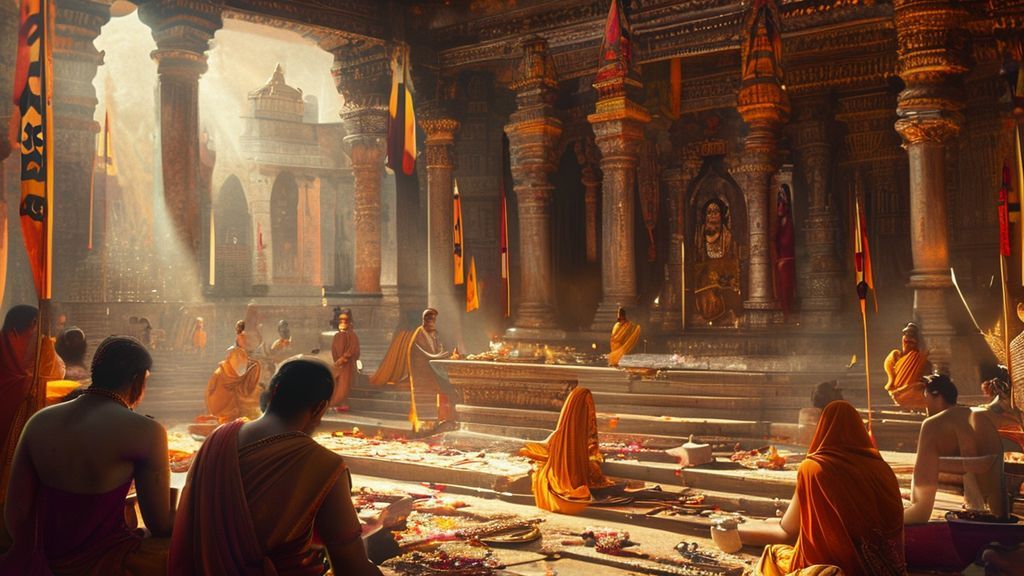
Ancient Indian medicine, particularly the profound discipline of Shalya Tantra (surgery), harnessed sophisticated instruments and intricate techniques, long predating many Western advancements. Rooted deeply in Vedic wisdom and meticulously codified in the Sushruta Samhita, this tradition encompassed advanced procedures for trauma, ophthalmology, reconstructive surgery, and obstetrics, demonstrating an unparalleled understanding of human anatomy and surgical principles for its time.
| Attribute | Details |
|---|---|
| System Name | Ayurveda (Science of Life), Shalya Tantra (Surgery) |
| Key Proponent | Maharishi Sushruta (Father of Surgery), Acharya Charaka (Father of Medicine), Bhagwan Dhanvantari |
| Primary Text | Sushruta Samhita, Charaka Samhita, Ashtanga Hrudayam |
| Era of Flourishing | Circa 1200 BCE – 600 CE (Vedic roots, Gupta Golden Age) |
| Core Philosophy | Balance of Doshas (Vata, Pitta, Kapha), integration of mind, body, and spirit for holistic health |
Introduction: The Holistic Science of Life and Healing
Sanatan Dharma encompasses all aspects of life, including the profound science of healing known as Ayurveda, the “Science of Life.” Far from being a mere collection of herbal remedies, ancient Indian medicine was a sophisticated system that meticulously cataloged diseases, understood human anatomy through dissection, and, most remarkably, developed a highly advanced surgical tradition. This tradition, known as Shalya Tantra, showcases the scientific acumen of our Rishis, who viewed the physical body as the temple of the soul and its well-being as essential for pursuing Dharma, Artha, Kama, and Moksha. The knowledge contained within texts like the Sushruta Samhita reveals a civilization that mastered the art of healing, including complex surgical interventions, long before many other cultures even conceived of such practices.
Puranic History & Legend: Divine Origins of Healing
The origins of Ayurveda are traced to the divine. As per the Bhagavata Purana and Vishnu Purana, the celestial physician Bhagwan Dhanvantari, an incarnation of Lord Vishnu, emerged from the Samudra Manthan (Churning of the Cosmic Ocean) bearing the pot of Amrita (elixir of immortality). He is revered as the Adi-Deva of medicine, who imparted the knowledge of Ayurveda to the world for the welfare of humanity.
Beyond Dhanvantari, the Ashvin Kumars, the divine twin physicians mentioned extensively in the Rig Veda (Mandala 1), are celebrated for their miraculous healing powers. They are credited with restoring the youth of Sage Chyavana, reattaching the head of Daksha Prajapati, and performing numerous other extraordinary feats of surgical skill, signifying the Vedic reverence for medical expertise.
This divine lineage culminated in earthly masters. Maharishi Sushruta, often hailed as the “Father of Surgery,” is said to have received his knowledge from Divodasa Dhanvantari, the King of Kashi and an incarnation of Dhanvantari. Sushruta’s teachings, meticulously compiled in the Sushruta Samhita, represent the pinnacle of this ancient surgical knowledge, transforming divine wisdom into practical, systematic procedures.
Scientific Marvels: Surgical Instruments and Techniques of Sushruta
The Sushruta Samhita is an unparalleled treasure trove of medical knowledge, detailing over 120 surgical instruments and 300 surgical procedures. This text, divided into five sections (Sutrasthana, Nidanasthana, Sharirasthana, Chikitsasthana, Kalpasthana, Uttaratantra), provides an astonishingly detailed account of ancient Indian surgical prowess.
Advanced Surgical Instruments (Yantras and Shastras)
Sushruta classified surgical instruments into two main categories: Yantras (blunt instruments) and Shastras (sharp instruments). He described 101 types of Yantras and 20 types of Shastras, often drawing inspiration from nature, particularly the mouths of birds and beasts, for their design and function.
- Yantras (Blunt Instruments): These included various types of forceps (Sandamsha Yantra), probes (Shalaka Yantra), catheters, and retractors. Their intricate designs were tailored for specific tasks like extraction, grasping, holding, and moving tissues. For instance, the Simhamukha Yantra (lion-faced forceps) was used for bone fragments, while the Kakamukha Yantra (crow-faced forceps) for delicate extractions.
- Shastras (Sharp Instruments): These comprised scalpels (Mandagra Shastra), lancets, needles (Suchi Karma), saws, and scissors. Each was crafted from high-quality steel, sharpened to perfection, and designed for precision. Sushruta emphasized that a good surgeon must have instruments that cut swiftly and cleanly, without damaging surrounding tissues. The meticulous descriptions of sharpening techniques and storage methods underscore the emphasis on efficacy and hygiene.
The foresight shown in the design of these instruments demonstrates an advanced understanding of surgical mechanics and patient comfort.
Sophisticated Surgical Techniques
Sushruta systematically described eight principal types of surgical operations (Ashtavidha Shastra Karma):
- Chhedana (Excision): Removal of tumors or foreign bodies.
- Bhedana (Incision): Opening abscesses or draining fluid.
- Lekhana (Scarification/Scraping): Used for reducing flesh or removing superficial growths.
- Vyadhana (Puncturing): Drawing out fluids or bloodletting.
- Eshana (Probing): Exploring wounds or sinuses.
- Aharya (Extraction): Removing foreign bodies, teeth, or pus.
- Visravana (Drainage): Draining fluids, especially blood.
- Seevana (Suturing): Closing wounds.
Beyond these, specific procedures were remarkably advanced:
- Rhinoplasty (Nose Reconstruction): The Sushruta Samhita contains the earliest known detailed description of reconstructive rhinoplasty, where skin was taken from the cheek or forehead to rebuild a damaged nose. This technique was rediscovered in the West centuries later.
- Cataract Surgery (Arbuda): Sushruta described the “couching” method, using a needle (shalaka) to push the opaque lens of the eye downwards, restoring vision.
- Lithotomy: Surgical removal of bladder stones was a common and well-documented procedure.
- Fracture Management: Detailed methods for diagnosing and treating various fractures and dislocations, including traction, manipulation, apposition, and immobilization with splints (bandhas).
- Anesthesia: While not modern general anesthesia, ancient Indian surgeons employed intoxicating and pain-relieving herbs (like cannabis, belladonna, henbane) administered orally or topically to induce a state of unconsciousness or reduce pain during surgery, sometimes referred to as Sammohini or Moha Churna.
- Sterilization and Hygiene: Sushruta emphasized cleanliness of instruments by heating, washing, and fumigating, along with a clean surgical environment and surgeon’s hands. This rudimentary but effective approach to asepsis was crucial for preventing infection.
The detailed anatomical knowledge (Sharira Sthana) derived from dissecting human cadavers, as described by Sushruta, was foundational to these surgical advancements. The text even describes the process of preparing a cadaver for dissection, showcasing a systematic scientific methodology.
Rituals & Puja Vidhi for Healing and Wellness
In Sanatan Dharma, healing is not just a physical process but a spiritual one. Invoking divine blessings is integral to recovery and maintaining health. Bhagwan Dhanvantari Puja is a specific ritual performed to seek good health and cure from diseases.
Simple Dhanvantari Puja Vidhi:
- Preparation: Cleanse the space. Place an idol or image of Bhagwan Dhanvantari. Light a lamp (diya) and incense (agarbatti).
- Sankalpa: Mentally or verbally state your intention for the puja, e.g., “I perform this puja for the health and well-being of [name/myself].”
- Invocation: Offer water, flowers, and a small amount of milk or fruit to Dhanvantari.
- Mantra Chanting: Chant the Dhanvantari Mantra (see below) at least 108 times using a mala.
- Aarti: Conclude with an Aarti, offering light to the deity.
- Prasad: Share the offered fruits/sweets as Prasad.
Beyond formal pujas, the regular practice of Dinacharya (daily routine) and Ritucharya (seasonal regimen) as prescribed by Ayurveda, integrates health maintenance into one’s Dharmic life, emphasizing wholesome living and preventive care, aligning the individual with cosmic rhythms. For more insights into holistic well-being, visit Hindutva.online.
Mantras & Chants for Health and Healing
Chanting sacred mantras helps to purify the mind, energize the body, and invoke divine healing energies. The primary mantra for health and for invoking Bhagwan Dhanvantari is:
ॐ नमो भगवते वासुदेवाय धन्वन्तरये अमृतकलशहस्ताय सर्वमय विनाशनाय त्रिलोकनाथाय श्री महाविष्णवे नमः॥
Om Namo Bhagavate Vasudevaya Dhanvantaraye Amrita Kalasha Hastaya Sarvamaya Vinashanaya Trailokya Nathaya Shri Mahavishnave Namaha॥
(Salutations to Bhagwan Dhanvantari, the Lord with the pot of nectar, who removes all diseases, the Lord of the three worlds, the Great Vishnu.)
This mantra is a powerful invocation for physical and mental healing, guiding one towards holistic wellness.
Dos and Don’ts for Health and Hygiene
Maintaining health, both physical and spiritual, is a Dharmic responsibility. Adhering to certain principles ensures well-being:
Dos:
- Maintain Shaucha (Cleanliness): Regular bathing, clean clothes, and a clean living environment are paramount.
- Follow Dinacharya & Ritucharya: Adhere to daily and seasonal routines for diet, sleep, and activity as prescribed by Ayurveda.
- Consume Sattvic Food: Opt for fresh, wholesome, nourishing foods that promote clarity and purity.
- Practice Yoga & Pranayama: Engage in regular physical exercise and breathing techniques to strengthen the body and calm the mind.
- Seek Timely Treatment: Do not delay seeking counsel from qualified Vaidyas (Ayurvedic practitioners) or doctors when unwell.
- Respect Vaidyas: Treat healers with utmost respect and trust their guidance.
Don’ts:
- Neglect Hygiene: Avoid unclean habits that invite disease.
- Ignore Body Signals: Do not disregard symptoms of illness; pay attention to your body’s warnings.
- Overindulge: Avoid excessive eating, drinking, or sensory pleasures that imbalance the Doshas.
- Misuse Medicines: Do not self-diagnose or misuse medications without proper guidance.
- Suppress Natural Urges: Do not suppress urges like hunger, thirst, sleep, urination, or defecation, as this can lead to disease.
Was surgery truly advanced in ancient India?
Indeed. The Sushruta Samhita, composed around 600 BCE, provides extensive details on over 300 surgical procedures and 120 instruments, including complex reconstructive surgeries like rhinoplasty, cataract extraction, and lithotomy, demonstrating an astonishing level of advancement for its era. These practices were systematically documented and taught, forming a complete surgical science.
How did ancient Indian surgeons prevent infection?
While the germ theory of disease was unknown, ancient Indian surgeons intuitively understood the importance of cleanliness. Sushruta emphasized meticulous hygiene, advocating for the heating and cleaning of instruments, fumigation of the surgical area with antimicrobial herbs, and maintaining personal cleanliness of the surgeon and assistants. These practices, though empirical, were effective in minimizing post-operative infections.
Who is considered the father of Indian surgery?
Maharishi Sushruta is universally revered as the “Father of Indian Surgery.” His monumental work, the Sushruta Samhita, is the foundational text of Shalya Tantra and outlines surgical principles, instruments, techniques, and anatomical knowledge that were groundbreaking and unparalleled for millennia.
Is ancient Indian medicine still relevant today?
Absolutely. The principles of Ayurveda, which encompass diet, lifestyle, herbal medicine, and even surgical concepts, offer a holistic approach to wellness that is increasingly gaining global recognition. Its emphasis on preventive care, personalized treatment based on body constitution (Prakriti), and integration of mind-body-spirit health provides invaluable insights for modern healthcare, offering complementary and alternative therapies that resonate deeply in today’s world. Find more such invaluable wisdom on Hindutva.online.
Dharmic Significance: Preserving Sanatan Dharma’s Holistic Wisdom
The legacy of ancient Indian medicine, particularly its sophisticated surgical tradition, stands as a testament to the comprehensive and scientifically rigorous nature of Sanatan Dharma. It reveals a civilization that valued human life and well-being not just spiritually, but also physically, understanding that a healthy body is essential for the pursuit of higher spiritual goals and for fulfilling one’s Dharma. The dedication to healing, documented in our sacred texts, underscores the Hindu ideal of Sarve Bhavantu Sukhinah (May all be happy) and Sarve Santu Niramayah (May all be free from illness). Preserving and studying this profound knowledge is not merely an academic exercise; it is an act of honoring our ancestors, reclaiming our glorious scientific heritage, and demonstrating the timeless wisdom embedded within Sanatan Dharma for the benefit of all humanity.