


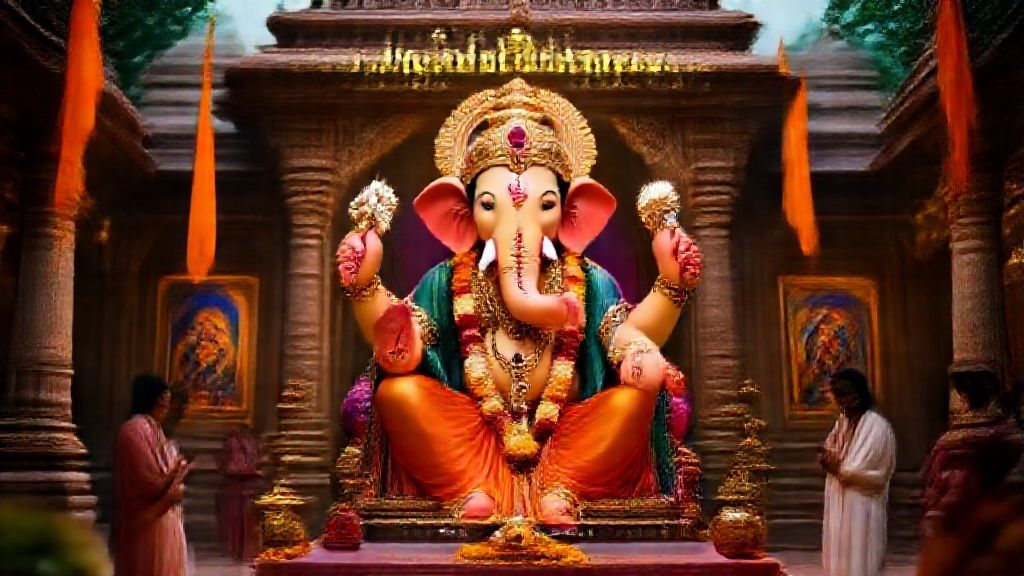
Ganesh Chaturthi 2026, a sacred Hindu festival celebrating the birth of Lord Ganesha, commences on Friday, August 21, 2026. The most auspicious Madhyahna Kala Puja Muhurat for Ganesha Sthapana falls between approximately 11:15 AM and 01:45 PM on this day. Devotees observe this significant ten-day Utsav with profound reverence, culminating in Ganesh Visarjan on Anant Chaturdashi, Monday, August 31, 2026.
| Attribute | Details |
|---|---|
| Deity Celebrated | Lord Ganesha (Vinayaka, Ganapati, Vighnaharta) |
| Dates (2026) | Ganesh Sthapana: Friday, August 21, 2026 Chaturthi Tithi Begins: 11:30 PM (Aug 20, 2026) Chaturthi Tithi Ends: 08:00 PM (Aug 21, 2026) |
| Key Puja Muhurat | Madhayahna Kala (Noon) Puja Muhurat: Approximately 11:15 AM – 01:45 PM (August 21, 2026) |
| Key Festival | Ganesh Chaturthi (Vinayaka Chaturthi) |
| Culmination Day | Anant Chaturdashi (Ganesh Visarjan): Monday, August 31, 2026 |
| Scripture Reference | Shiva Purana, Brahma Vaivarta Purana, Ganesha Purana, Mudgala Purana |
The Auspicious Advent of Vighnaharta
Ganesh Chaturthi is not merely a festival; it is a profound spiritual experience, an annual reaffirmation of faith in the divine remover of obstacles, Lord Ganesha. Celebrated with unparalleled zeal across Bharatavarsha and among the global Hindu diaspora, this ten-day Utsav marks the descent of Bhagwan Ganesha upon Bhuloka (Earth), bringing with him blessings of prosperity, wisdom, and success. As the harbinger of auspicious beginnings and the patron deity of intellect (Buddhi) and success (Siddhi), his advent rejuvenates the spiritual fabric of our lives. This period invites every devotee to connect deeply with the divine, seeking guidance for removing hindrances (Vighnas) and embarking on new ventures with divine grace. The Chaturthi Tithi in the Shukla Paksha of Bhadrapada month is specifically designated for this glorious celebration, embodying the essence of Sanatan Dharma’s rich spiritual heritage.
Puranic History & Legend of Sri Ganesha’s Birth
The fascinating narrative of Lord Ganesha’s birth is primarily recounted in the Puranas, particularly the Shiva Purana and the Brahma Vaivarta Purana. While variations exist, the most widely accepted and cherished legend narrates his creation by Devi Parvati. During a time when Bhagwan Shiva was away in meditation, Devi Parvati, desiring a loyal protector for her private chambers, fashioned a boy from the sacred unguents (ubtan) and dirt from her body, infusing him with life through her divine power. She instructed him to guard the entrance, allowing no one to pass.
Upon Bhagwan Shiva’s return, he was confronted by this unknown boy who, dutifully obeying his mother, denied Shiva entry. An intense battle ensued, culminating in Shiva, in a fit of divine anger, severing the boy’s head with his Trishula. Witnessing her son’s demise, Devi Parvati was overcome with sorrow and wrath, threatening to destroy creation. To pacify her, and realizing the gravity of his act, Bhagwan Shiva dispatched his Ganas to find the head of the first living being they encountered facing North. They returned with the head of an elephant, which Shiva then reverently affixed to the boy’s body, breathing new life into him. He was then declared the chief (Pati) of the Ganas, thus becoming Ganapati, and was bestowed the boon that no auspicious ritual or endeavor would ever succeed without first invoking his name. This act underscored his supreme importance as Vighnaharta, the remover of obstacles. The Ganesha Purana and Mudgala Purana further elaborate on his various incarnations and divine exploits, firmly establishing his place in the Hindu pantheon.
The Artistry and Symbolism of Ganesha Pratima
While Ganesh Chaturthi is a festival, the creation of the Ganesha Pratima (idol) itself represents a profound architectural and scientific marvel, deeply rooted in traditional Indian craftsmanship. Unlike permanent temple structures, these temporary forms, often crafted from mrutika (clay) or shadu maati (a special type of fine clay), are masterpieces of ephemeral art. The science lies in their biodegradable nature, designed for dissolution during Visarjan, symbolizing the cycle of creation and dissolution (Srishti and Pralaya) inherent in Sanatan Dharma.
Traditionally, artisans adhere to strict iconographical guidelines prescribed in texts like the Shilpa Shastras, ensuring that the idol perfectly embodies the divine attributes of Lord Ganesha: the large head symbolizing wisdom, the single tusk (Ekadanta) representing the ability to overcome dualities, the large ears indicating attentive listening, and the mouse (Mushika) as his vehicle, symbolizing desires under control. The intricate designs, vibrant colors, and meticulous detailing reflect generations of inherited knowledge and spiritual devotion. The creation of these idols is not merely a craft but a sacred act of devotion, preparing the vessel for the divine to inhabit during the Prana Pratishtha. This blending of artistry, ecological consciousness, and spiritual symbolism makes the Ganesh Pratima a unique marvel, inspiring millions to engage with Hindutva.online for deeper understanding.
Rituals & Puja Vidhi for Ganesh Sthapana
Performing Ganesh Sthapana and Puja Vidhi at home requires devotion and adherence to scriptural guidelines. Here is a step-by-step guide for sincere seekers:
- Sankalpa (Vow): Begin by taking a solemn vow before the Puja, expressing your intention to worship Lord Ganesha with full devotion for the well-being of your family and the removal of obstacles.
- Preparation of the Altar: Cleanse the puja area thoroughly. Place a clean cloth on a raised platform (chauki or peetha). Draw an auspicious rangoli. Place a small mound of rice (akshat) in the center.
- Ganesh Sthapana (Installation): Gently place the Ganesha idol (Pratima) upon the mound of rice. Adorn the idol with fresh flowers, garlands, and sacred threads (Janeu).
- Jal Abhishek & Panchamrita Snanam: Offer a sacred bath to the idol, first with pure water (Jal Abhishek), then with Panchamrita (a mixture of milk, curd, ghee, honey, and sugar). Follow with another water bath and gently wipe the idol.
- Shodashopachara Puja (16-Step Worship):
- Dhyana (Meditation): Meditate on Lord Ganesha.
- Avahana (Invocation): Invoke the Lord to reside in the idol.
- Asana (Offering a Seat): Offer a sacred seat.
- Padya (Washing Feet): Offer water for washing feet.
- Arghya (Washing Hands): Offer water for washing hands.
- Achamana (Sipping Water): Offer water for sipping.
- Snanam (Bath): As described above.
- Vastra (Clothing): Offer new clothes or a fresh piece of cloth.
- Upaveetam (Sacred Thread): Offer Janeu.
- Gandham (Fragrance): Apply sandalwood paste (Chandan) and vermilion (Sindoor) to the idol.
- Pushpam (Flowers): Offer a variety of flowers, especially red hibiscus, and 21 blades of Durva grass (Darbha).
- Dhupam (Incense): Light incense sticks.
- Deepam (Lamp): Light a ghee lamp.
- Naivedyam (Food Offering): Offer Modak, Laddoo, fruits, and other sattvic sweets.
- Tambulam (Betel Leaf Offering): Offer betel leaves with areca nuts.
- Dakshina (Offerings): Offer money or other gifts as a symbol of surrender.
- Aarti (Waving of Lamps): Perform Aarti using a camphor lamp, accompanied by devotional bhajans.
- Pradakshina (Circumambulation): Perform three circumambulations around the idol.
- Pushpanjali (Flower Offering): Offer flowers with reverence.
- Kshama Prarthana (Pardon Prayer): Seek forgiveness for any known or unknown errors in the puja.
- Visarjan (Immersion): On Anant Chaturdashi, after final prayers and Aarti, the idol is respectfully immersed in a water body, symbolizing Lord Ganesha’s return to Kailasa and carrying away all obstacles.
Potent Mantras & Chants for Lord Ganesha
Chanting sacred mantras during Ganesh Chaturthi amplifies the spiritual vibrations and invites the blessings of Lord Ganesha. Here are essential mantras for devotees:
- Moola Mantra:
ॐ गं गणपतये नमः (Om Gam Ganapataye Namaha)
This is the primary and most potent mantra for invoking Lord Ganesha, ideal for daily chanting to remove obstacles and seek success. - Vakratunda Mahakaya Mantra:
वक्रतुण्ड महाकाय सूर्यकोटि समप्रभ। निर्विघ्नं कुरु मे देव सर्वकार्येषु सर्वदा॥
(Vakratunda Mahakaya Suryakoti Samaprabha | Nirvighnam Kuru Me Deva Sarvakaryeshu Sarvada ||)
Meaning: “O Lord with the curved trunk, large body, and the radiance of a million suns, I pray to you to make all my endeavors free of obstacles, always.” This sloka is chanted before embarking on any new task. - Ganesha Gayatri Mantra:
ॐ एकदंताय विद्महे वक्रतुण्डाय धीमहि तन्नो दंति प्रचोदयात्॥
(Om Ekadantaya Vidmahe Vakratundaya Dhimahi Tanno Danti Prachodayat ||)
Meaning: “Om, Let us meditate on the one-tusked (Ekadanta) Lord; O Vakra-tunda (curved trunk), grant us higher intellect; May that Danti (one with tusks) illuminate our mind.” This mantra enhances wisdom and spiritual insight. - Ganapati Atharvashirsha: A revered Vedic text, reciting which is considered highly meritorious, bestowing all spiritual and material boons.
Dos and Don’ts During Ganesh Chaturthi
Observing certain traditional etiquettes (Achara) enhances the sanctity of the festival:
- Do’s:
- Maintain absolute cleanliness and purity in the home and puja area.
- Offer fresh flowers, fruits, and traditional sweets, especially Modak, daily to the idol.
- Chant Ganesha mantras and perform Aarti with devotion twice a day.
- Engage in charity and selfless service (Seva) to those in need.
- Maintain a sattvic diet, avoiding non-vegetarian food, onion, and garlic.
- Respect all living beings, reflecting Ganesha’s compassion.
- Visit other Ganesh pandals to share in the collective devotion.
- Don’ts:
- Avoid looking at the moon on Ganesh Chaturthi night (Chandra Darshan), as it is believed to invite false accusations or ill repute (as per the Samantaka Mani legend mentioned in the Hindutva.online archives).
- Do not consume alcohol or engage in any form of intoxication.
- Do not use onion or garlic in food preparations during the festival period.
- Avoid arguments, harsh words, or any negative thoughts.
- Do not leave the Ganesha idol unattended or disrespect it in any manner.
- Do not immerse the idol before Anant Chaturdashi if you have opted for a multi-day celebration.
Frequently Asked Questions About Ganesh Chaturthi 2026
What is the significance of Modak as an offering to Lord Ganesha?
Modak, a sweet dumpling, is considered Lord Ganesha’s favorite delicacy (Bhog). Its unique shape, with a pointed top, is sometimes interpreted as symbolizing a spiritual seeker’s upward journey towards enlightenment. Offering Modak signifies devotion, love, and the desire to attain sweet fruits of spiritual endeavors and worldly success, as Ganesha is the granter of boons.
Why is it advised not to look at the moon on Ganesh Chaturthi night?
Puranic legends, particularly from the Brahma Vaivarta Purana, recount how Lord Ganesha once fell from his Vahana, Mushika, after overeating. Chandra (the Moon God) laughed at him. Angered, Ganesha cursed Chandra that anyone who looks at the moon on Ganesh Chaturthi night would be falsely accused or suffer ignominy (Mithya Dosha). To avoid this, devotees traditionally refrain from Chandra Darshan on this specific night.
What is Anant Chaturdashi and why is it important for Ganesh Chaturthi?
Anant Chaturdashi marks the culmination of the ten-day Ganesh Chaturthi festival. It falls on the fourteenth day (Chaturdashi Tithi) of the Shukla Paksha of Bhadrapada month. On this day, devotees perform the final puja and immersion (Visarjan) of the Ganesha idol in a water body, symbolizing his return to his heavenly abode, Kailasa, and taking away with him the misfortunes and obstacles of his devotees. It signifies the cyclical nature of life, creation, and dissolution, and the belief that the Lord’s blessings remain even after his physical departure.
Preserving Sanatan Dharma Through Ganesha Utsav
Ganesh Chaturthi is more than just a religious observation; it is a vibrant cultural phenomenon that breathes life into the eternal principles of Sanatan Dharma. The festival fosters community spirit (Sampradayik Sadbhav), promoting unity as people from all walks of life come together to celebrate. It serves as a powerful medium for transmitting spiritual knowledge, ethical values, and cultural traditions to younger generations. The meticulous rituals, the chanting of ancient mantras, the creation of eco-friendly idols, and the celebration of divine tales from our Itihasas and Puranas collectively reinforce faith, devotion, and a sense of belonging to a timeless heritage. By participating in Ganesh Chaturthi, devotees not only seek individual blessings but also actively contribute to the preservation and propagation of our sacred Dharma, ensuring its continuity and relevance for millennia to come.