


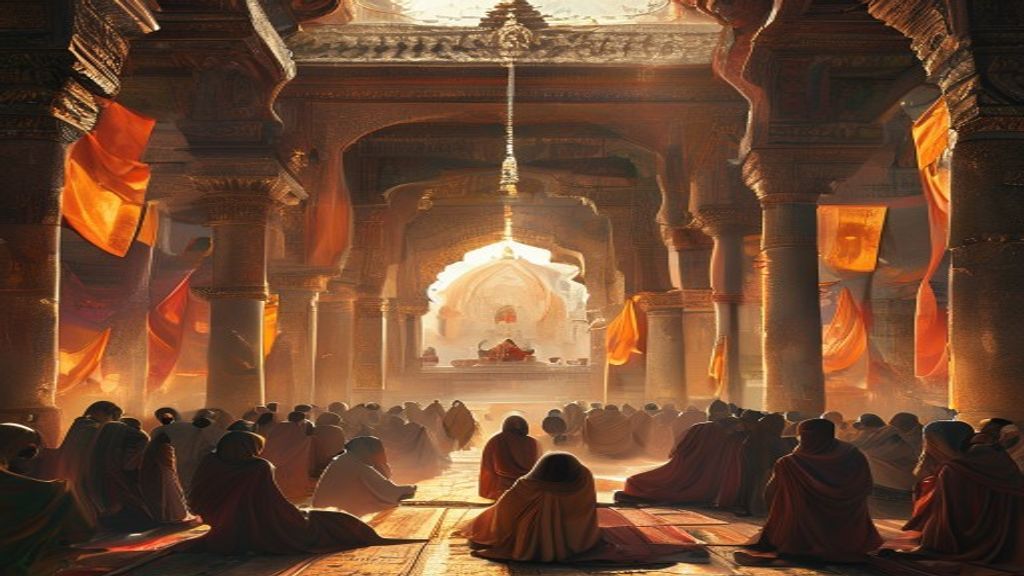
Hindu influence on Islam, particularly its mystical branch known as Sufism, manifests through profound philosophical parallels, shared spiritual practices, and historical interactions rooted in Sanatan Dharma’s ancient wisdom, notably in concepts of divine oneness, devotional love, and ascetic disciplines that pre-date Islamic arrival in India.
| Attribute | Details |
|---|---|
| Key Hindu Concepts | Advaita Vedanta (oneness of Atman and Brahman), Bhakti Yoga (devotional surrender), Raja Yoga (meditation, breath control), Guru-shishya parampara (spiritual lineage), Nama-smarana (chanting Divine Names). |
| Historical Context | Extensive cultural and spiritual exchange in the Indian subcontinent, especially from the 8th century onwards, with established Hindu philosophical schools and ascetic traditions flourishing for millennia prior. |
| Sufi Parallels | Wahdat al-Wujud (unity of existence), Ishq (divine love), Dhikr (remembrance of God, chanting), Murshid-Mureed relationship (spiritual guide-disciple), contemplative practices, asceticism. |
| Scriptural References (Hindu) | Upanishads (Brahman-Atman unity), Bhagavad Gita (Bhakti, Karma, Jnana Yoga), Yoga Sutras of Patanjali (Ashtanga Yoga), Narada Bhakti Sutras (devotion), Puranas (devotional narratives). |
Sanatan Dharma’s Universal Embrace: Understanding Spiritual Symbiosis
Sanatan Dharma, the eternal way, has always been a beacon of profound spiritual inquiry, its ancient roots nourishing a civilization rich in philosophy, mysticism, and devotion. Throughout millennia, its tenets have shaped not just the Indian subcontinent but have also resonated across diverse cultures and belief systems. When we speak of Hindu influence on Sufism, we are exploring a fascinating chapter in this grand tapestry—a testament to Sanatan Dharma’s universal truths that transcend denominational boundaries and speak to the deepest yearnings of the human soul for divine connection. This interaction is not about conversion or syncretism in a superficial sense, but rather the natural echoing of universal spiritual principles that find fertile ground in different traditions, often shaped by their pre-existing cultural and philosophical landscapes.
The land of Bharatavarsha, with its vibrant intellectual and spiritual legacy, provided a unique crucible where various traditions met. Long before the advent of Sufism in India, the Upanishadic seers had articulated the oneness of Brahman and Atman, the Yogis had mastered inner purification, and Bhakti saints had drowned in the ocean of divine love. It is this deeply entrenched spiritual heritage that forms the backdrop against which any discussions of influence or parallels must be understood. For more insightful explorations into Sanatan Dharma’s rich heritage, visit Hindutva.online.
Historical Context & Philosophical Roots: Pre-Existing Dharmic Foundations
The spiritual landscape of India was incredibly sophisticated and diverse when Islamic traditions, including Sufism, began to take root. India was already home to highly developed systems of philosophy and spiritual practice that had evolved over thousands of years. The philosophical schools of Advaita Vedanta, emphasizing the non-duality of the individual soul (Atman) and the Universal Spirit (Brahman), as articulated in the Upanishads and systematized by Adi Shankara, provided a deep understanding of ultimate reality that resonates with the Sufi concept of Wahdat al-Wujud (unity of existence). The Brihadaranyaka Upanishad states, “Aham Brahmasmi” (I am Brahman), and the Chandogya Upanishad, “Tat Tvam Asi” (That thou art), foundational statements on identity with the divine.
Simultaneously, the Bhakti movements, which stressed fervent devotion, love, and surrender to a personal God (Ishta-devata), were already deeply ingrained. The Alvar saints of South India, the Shaiva Nayanars, and later figures like Meerabai, Chaitanya Mahaprabhu, and Sant Jnaneshwar exemplified a path of ecstatic love (prema) for the divine, often through singing kirtans and bhajans, and engaging in Nama-smarana (remembrance of the Divine Name). This profound devotional current, deeply rooted in the Puranas and the Bhagavad Gita, provided a spiritual environment remarkably similar in spirit to Sufi mysticism’s emphasis on Ishq (divine love) and Dhikr (remembrance through chanting).
Furthermore, the ancient traditions of Yoga, particularly Raja Yoga as codified by Patanjali in the Yoga Sutras, offered sophisticated methods of meditation, breath control (pranayama), and ethical disciplines (Yama, Niyama) aimed at achieving union with the Absolute. These practices cultivated detachment from worldly desires and fostered inner stillness, paving the way for profound mystical experiences that find striking parallels in Sufi contemplative practices and ascetic disciplines.
Shared Mystical Pathways: Vedantic & Yogic Echoes in Sufism
The most profound connections between Hindu traditions and Sufism lie in their shared mystical core. Both seek a direct, experiential realization of the Divine, transcending intellectual dogma.
- Divine Oneness (Advaita vs. Wahdat al-Wujud): The Advaitic understanding of Brahman as the sole reality, from which all else emanates and into which all dissolves, finds a profound echo in Ibn ‘Arabi’s doctrine of Wahdat al-Wujud, which posits that only God truly exists, and the universe is His manifestation. This concept was not unknown in India, with its deep Vedantic roots.
- Guru-Shishya Parampara (Spiritual Lineage): The indispensable role of the Guru (spiritual preceptor) in Hindu traditions, guiding the disciple (shishya) through various stages of spiritual development, is mirrored in the Sufi concept of the Murshid and his Mureed. The Katha Upanishad emphasizes, “Arise, awake, and learn from the great ones, for the path is as sharp as a razor’s edge.” Similarly, Sufi orders emphasize absolute submission and devotion to the Murshid for traversing the spiritual path.
- Asceticism and Renunciation: Yogic and Sannyasa traditions within Hinduism advocate for renunciation (vairagya) of worldly attachments, austerities (tapasya), and self-control for spiritual advancement. These practices, aimed at purifying the mind and body, are strikingly similar to the ascetic practices (zuhd) and emphasis on poverty (faqr) among many Sufi orders.
- Meditation and Breath Control: The sophisticated techniques of Dhyana (meditation) and Pranayama (breath control) are central to Yoga. Sufi practices like Muraqaba (contemplation) and specific breath techniques during Dhikr mirror these ancient Hindu methods for altering states of consciousness and attaining spiritual insight.
Bhakti & Sufi Love: The Path of Devotion
Perhaps the most visible and emotionally resonant connection lies in the path of devotion. The Bhakti saints, with their overflowing love for God, often expressed through poetry, music, and dance, created an atmosphere of spiritual intoxication. This fervent devotion, characterized by longing, separation (viraha), and ultimate union, is a hallmark of both Bhakti and Sufism.
- Nama-smarana and Dhikr: The Hindu practice of chanting the Divine Names (e.g., “Hare Rama Hare Rama Rama Rama Hare Hare” or “Om Namah Shivaya”) is a cornerstone of Bhakti. This practice of constant remembrance, leading to divine ecstasy, directly parallels the Sufi practice of Dhikr, where the names of Allah are recited rhythmically to achieve spiritual states of heightened awareness and proximity to the Divine.
- Divine Love (Prema/Ishq): Both traditions emphasize divine love as the ultimate means to achieve union with God. The passionate love poetry of Bhakti saints like Mirabai and Jayadeva (Gita Govinda) finds its echo in the devotional ghazals of Sufi poets like Rumi and Hafiz, where the Beloved is God.
- Music and Dance: Kirtans, bhajans, and devotional dances are integral to Hindu Bhakti. The Sama (spiritual concert) of the Chishtiya Sufi order, featuring Qawwali music and whirling dervishes, powerfully reflects the role of music and movement in evoking spiritual states.
Ethical Foundations & Universal Values
Beyond philosophical and mystical parallels, both traditions share fundamental ethical values that underscore their humanistic core.
- Ahimsa (Non-violence): While not universally practiced in all historical contexts of both traditions, the ideal of non-harm and compassion for all beings is a strong ethical pillar in Sanatan Dharma, as seen in the Yoga Sutras and Buddhist/Jain traditions which influenced Hindu thought. Sufism also emphasizes compassion and kindness towards all creation.
- Service to Humanity: The concept of Seva (selfless service) is deeply ingrained in Hindu ethics. Many Sufi orders are also known for their emphasis on serving the poor and needy, reflecting a shared commitment to alleviating suffering.
- Truthfulness and Purity: Both traditions uphold truth (satya) and purity (shaucha) as essential virtues for spiritual growth, emphasizing integrity in thought, word, and deed.
Practices for the Seeker: Deepening Your Sanatan Dharma
For a sincere seeker desiring to understand these spiritual convergences, the path lies in deepening one’s own practice of Sanatan Dharma, recognizing the universal truths it embodies.
- Engage with the Upanishads: Study the core Vedantic texts to grasp the profound oneness of existence.
- Practice Bhakti Yoga: Cultivate devotion through chanting, prayers, and celebrating divine lilas. Focus on Nama-smarana of your Ishta-devata.
- Explore Raja Yoga: Incorporate meditation and breath control (Pranayama) into your daily routine to quiet the mind and experience inner stillness.
- Revere Your Guru: Understand the significance of the Guru-shishya parampara and seek guidance from a true spiritual teacher.
- Live Dharmically: Uphold values of Ahimsa, Satya, Karuna (compassion), and Seva in your daily life.
Mantras & Chants for Inner Harmony
Chanting these sacred Hindu mantras can open the heart and mind to the universal resonance of divine truth, fostering a deeper understanding of the spiritual parallels discussed.
- Om: The primordial sound, representing Brahman, the ultimate reality. Chanting “Om” purifies and centers the mind.
- Om Namah Shivaya: A powerful mantra of devotion to Lord Shiva, embodying profound surrender and recognition of the divine within.
- Gayatri Mantra: ॐ भूर्भुवः स्वः तत्सवितुर्वरेण्यं भर्गो देवस्य धीमहि धियो यो नः प्रचोदयात्॥ (Ohm Bhur Bhuvah Svah, Tat Savitur Varenyam, Bhargo Devasya Dhimahi, Dhiyo Yo Nah Prachodayat) – A universal prayer for enlightenment and wisdom.
- Hare Krishna Maha Mantra: Hare Krishna, Hare Krishna, Krishna Krishna, Hare Hare / Hare Rama, Hare Rama, Rama Rama, Hare Hare – A joyous chant for awakening divine love and remembrance.
Dos and Don’ts for Understanding Inter-Spiritual Connections
- DO: Approach with reverence for the spiritual depth of all traditions.
- DO: Focus on understanding the underlying philosophies and mystical experiences.
- DO: Deepen your own practice of Sanatan Dharma to appreciate its universal scope.
- DO NOT: Engage in superficial syncretism that dilutes the unique identities of traditions.
- DO NOT: Claim superiority or inferiority; rather, seek common ground in spiritual aspiration.
- DO NOT: Use these parallels to undermine the validity of either faith.
What is Wahdat al-Wujud and how does it relate to Hindu thought?
Wahdat al-Wujud, meaning “unity of existence,” is a core Sufi philosophical concept postulating that God is the ultimate reality and everything else is merely His manifestation. This resonates profoundly with the Advaita Vedanta concept of Brahman as the sole reality, where the phenomenal world is understood as Maya, an illusory manifestation of Brahman. Both systems emphasize the ultimate non-duality between the individual soul and the cosmic absolute.
Were there specific Hindu saints who interacted with Sufis?
Historical accounts suggest significant interactions. For instance, many Nath Yogis and Vaishnava Bhakti saints were known to engage in dialogues with Sufi pirs. Figures like Kabir Das, Guru Nanak Dev, and Sant Dnyaneshwar, while firmly rooted in Dharmic traditions, exemplified a universal spiritual outlook that resonated across religious lines, influencing and being influenced by the prevailing spiritual milieu, including aspects of Sufism. Their teachings often transcended communal boundaries, emphasizing inner realization over outward rituals.
Does acknowledging these influences mean the two religions are the same?
No, acknowledging historical influences and philosophical parallels does not imply that Hinduism and Islam, or even Sufism, are identical. Each tradition possesses its unique theological doctrines, scriptures, prophets/rishis, rituals, and cultural expressions. The shared mystical language and practices highlight universal spiritual truths and human yearnings that can manifest in diverse forms, underscoring the expansive and inclusive nature of Sanatan Dharma’s principles. For deeper insights into the distinct yet universally relevant wisdom of Sanatan Dharma, explore Hindutva.online.
The Enduring Wisdom of Sanatan Dharma
The exploration of Hindu influence on Sufism serves not to diminish the unique identity of either tradition, but rather to illuminate the profound and expansive nature of Sanatan Dharma. It reveals how the eternal wisdom of the Vedas, Upanishads, and Puranas has consistently offered pathways to ultimate truth, inspiring and interacting with diverse spiritual currents across history. These connections remind us that the human quest for the Divine is universal, and that the deep insights born in Bharatavarsha centuries ago continue to echo across civilizations, offering perennial wisdom for all sincere seekers. It is a testament to the enduring power and universality of Dharmic principles, which continue to guide humanity towards self-realization and unity with the Supreme.