


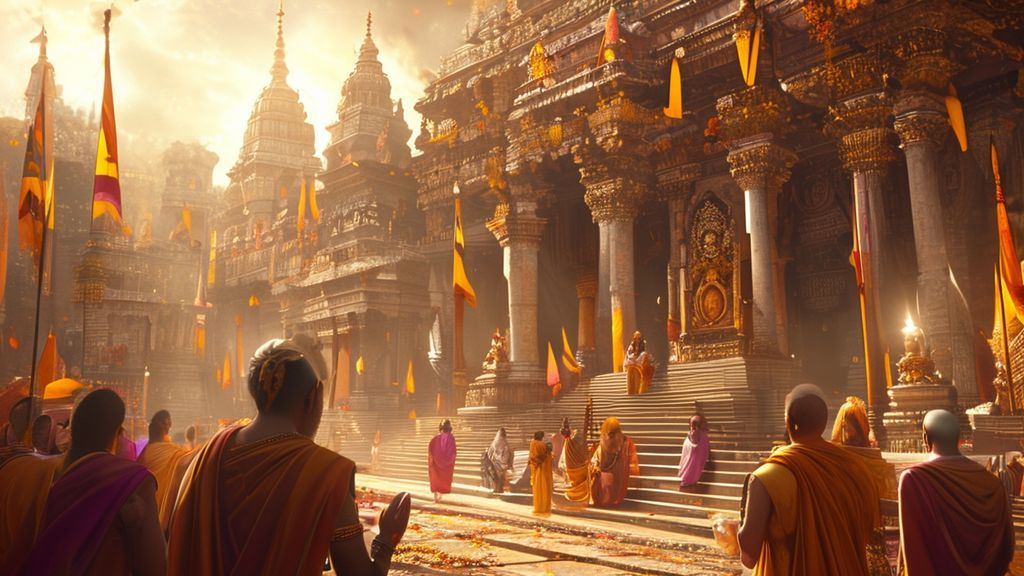
The International Society for Krishna Consciousness (ISKCON), popularly known as the Hare Krishna Movement, is a global spiritual organization founded by A.C. Bhaktivedanta Swami Prabhupada in 1966. It propagates the ancient tenets of Gaudiya Vaishnavism, a Bhakti-yoga tradition rooted in the Vedic scriptures, focusing on the worship of Sri Krishna as the Supreme Personality of Godhead through chanting the Hare Krishna Mahamantra.
| Attribute | Details |
|---|---|
| Deity of Focus | Sri Krishna (Supreme Personality of Godhead) |
| Founder-Acharya | His Divine Grace A.C. Bhaktivedanta Swami Prabhupada |
| Core Philosophy | Bhakti-yoga, rooted in Gaudiya Vaishnavism’s achintya-bheda-abheda tattva (inconceivable oneness and difference) |
| Key Scriptures | Bhagavad-gita As It Is, Srimad-Bhagavatam (Bhagavata Purana), Caitanya-caritamrta, Upanishads |
| Primary Practice | Harinam Sankirtan (congregational chanting of the Hare Krishna Mahamantra) |
| Lineage (Sampradaya) | Brahma-Madhva-Gaudiya Sampradaya |
Introduction: The Global Resurgence of Bhakti
In an age increasingly characterized by spiritual yearning amidst material abundance, the International Society for Krishna Consciousness (ISKCON) has emerged as a beacon of Sanatan Dharma, illuminating the path of devotion for millions across the globe. Founded by His Divine Grace A.C. Bhaktivedanta Swami Prabhupada, ISKCON represents a modern, yet profoundly traditional, revival of the ancient Gaudiya Vaishnava tradition, emphasizing the pristine teachings of the Bhagavad-gita and Srimad-Bhagavatam. It is not a new religion, but a movement that brings the timeless wisdom of the Vedas, particularly the essence of Bhakti-yoga, to the contemporary world, offering a practical and joyful means for spiritual realization.
The movement’s core lies in the glorification of Sri Krishna as the Supreme Lord, the origin of all existence, and the practice of chanting His holy names, especially the Hare Krishna Mahamantra. Through its temples, farm communities, educational institutes, and extensive book distribution, ISKCON has successfully transplanted the rich spiritual culture of Bharatavarsha into diverse societies, fostering a global community dedicated to ethical living, spiritual growth, and universal love under the banner of divine consciousness. This global footprint of Sanatan Dharma, facilitated by ISKCON, marks a significant chapter in the spread of Vedic wisdom.
The Puranic Roots and Gaudiya Vaishnava Lineage
While ISKCON itself was established in the 20th century, its philosophical and devotional roots delve deep into the annals of Indian spiritual history, particularly the Puranas and Itihasas. The primary deity, Sri Krishna, is extensively glorified in texts like the Bhagavata Purana (Srimad-Bhagavatam), which describes His divine pastimes in Vrindavan and His role as the speaker of the Bhagavad-gita in the Mahabharata. These scriptures establish Krishna as the svayaṁ bhagavān (the Supreme Personality of Godhead Himself), as stated in Srimad-Bhagavatam 1.3.28: ete cāṁśa-kalāḥ puṁsaḥ kṛṣṇas tu bhagavān svayam (“All of the above-mentioned incarnations are either plenary portions or portions of the plenary portions of the Lord, but Lord Śrī Kṛṣṇa is the original Personality of Godhead.”).
ISKCON belongs to the Brahma-Madhva-Gaudiya Sampradaya, an authentic disciplic succession originating from Lord Brahma himself. The teachings were later propounded by Sri Madhvacharya and subsequently by Sri Chaitanya Mahaprabhu (1486–1534 CE), who is revered as the combined avatar of Radha and Krishna in the Gaudiya tradition. Sri Chaitanya Mahaprabhu inaugurated the mass congregational chanting of the Hare Krishna Mahamantra (हरे कृष्ण हरे कृष्ण कृष्ण कृष्ण हरे हरे, हरे राम हरे राम राम राम हरे हरे) as the Yuga-dharma, the recommended spiritual practice for the current age of Kali. His life and teachings are meticulously documented in the Chaitanya Charitamrita, which serves as a foundational text for Gaudiya Vaishnavism and thus for ISKCON.
Swami Prabhupada, following this exalted lineage, presented the ancient wisdom in a manner accessible to a global audience, maintaining strict adherence to scriptural authority and the teachings of the previous acharyas. His translations and purports, particularly of the Bhagavad-gita As It Is and Srimad-Bhagavatam, are celebrated for their fidelity to the original Sanskrit texts and their profound devotional insights, echoing the very essence of the Puranic narratives.
Architectural Splendor and Devotional Engineering
ISKCON temples worldwide are often stunning examples of traditional Indian temple architecture, blending various regional styles such as Nagara and Dravidian elements with modern construction techniques. While not ancient structures themselves, these temples are designed to encapsulate the spiritual atmosphere and aesthetic principles found in ancient Vedic texts on temple building (Shilpa Shastras). The goal is to create a sacred space conducive to devotion and remembrance of Krishna’s pastimes.
Key features include intricately carved deities (archa-vigraha) crafted by skilled artisans following scriptural guidelines, vibrant wall paintings depicting scenes from Krishna’s life, and a central altar housing the principal deities. For example, the magnificent ISKCON Temple in Mayapur, West Bengal, the spiritual headquarters, known as the Temple of the Vedic Planetarium (TOVP), is a colossal undertaking that combines traditional Vedic cosmology with contemporary engineering, aiming to be a monument to Vedic science and philosophy. Similarly, the ISKCON Vrindavan temple, the first major ISKCON temple built in India, beautifully reflects the traditional Rajasthani architectural style prevalent in the region, providing a powerful sense of connection to the sacred land where Krishna performed His childhood pastimes. These temples serve not just as places of worship but as cultural centers promoting Vedic arts, music, and philosophy, drawing inspiration from the timeless heritage of Bharat.
Rituals & Puja Vidhi: The Path of Bhakti-yoga
The daily life within ISKCON centers around a disciplined yet joyful practice of Bhakti-yoga, primarily focused on deity worship and chanting. The routines are meticulously followed, mirroring ancient Vedic traditions:
- Mangala Arati (Early Morning Worship): Devotees rise before dawn (typically 4:30 AM) for prayers, chanting, and a ceremonial worship of the deities, invoking auspiciousness.
- Japa Meditation: Individual chanting of the Hare Krishna Mahamantra on rosary beads (japa mala), typically 16 rounds (1728 mantras), is a core daily practice for spiritual purification and connection.
- Srimad-Bhagavatam Class: Daily study and discourse on the Srimad-Bhagavatam, providing deep philosophical understanding and devotional inspiration.
- Deity Worship (Arati): Multiple times a day, elaborate worship ceremonies (Aratis) are performed for the deities with lamps, incense, flowers, and prayers.
- Bhagavad-gita Class: In the evenings, classes are held on the Bhagavad-gita, providing practical guidance for spiritual life.
- Sankirtan (Congregational Chanting): Devotees engage in Harinam Sankirtan, public chanting and dancing, spreading the holy names and joyful spiritual energy. This is directly inspired by Sri Chaitanya Mahaprabhu’s movement.
- Prasadam Distribution: Food offered to Krishna (prasadam) is considered sacred and is widely distributed, emphasizing the spiritualization of eating. This practice is rooted in the Bhagavad-gita (Chapter 9, verse 27) where Krishna asks Arjuna to offer everything to Him.
These practices are designed to purify the mind, senses, and heart, gradually reawakening one’s inherent love for God (Krishna).
Mantras & Chants: The Sound Vibration of Liberation
The heart and soul of ISKCON’s spiritual practice is the chanting of the Hare Krishna Mahamantra:
हरे कृष्ण हरे कृष्ण कृष्ण कृष्ण हरे हरे।
हरे राम हरे राम राम राम हरे हरे॥
(Hare Krishna Hare Krishna Krishna Krishna Hare Hare / Hare Rama Hare Rama Rama Rama Hare Hare)
This mantra is extolled in the Kali-Santarana Upanishad as the most effective means of deliverance from the miseries of the Kali Yuga. It directly invokes the names of the Supreme Lord, Krishna (the all-attractive) and Rama (the source of all pleasure), along with Hare (the internal potency of the Lord). Chanting is believed to cleanse the heart of material contamination and restore one’s eternal relationship with the divine.
Beyond the Mahamantra, devotees chant various other Vedic mantras and prayers from scriptures like the Brahma-Samhita and specific Vaishnava prayers during deity worship. For instance, the invocation to the spiritual master: oṁ ajñāna-timirāndhasya jñānāñjana-śalākayā, cakṣur unmīlitaṁ yena tasmai śrī-gurave namaḥ (“I offer my respectful obeisances unto my spiritual master, who has opened my eyes, which were blinded by the darkness of ignorance, with the torchlight of knowledge.”). These chants deepen the devotee’s spiritual connection and understanding.
Dos and Don’ts: Ethical Living in Krishna Consciousness
Adherence to foundational ethical principles is crucial for spiritual advancement in ISKCON. These principles, known as the Four Regulative Principles, are rooted in ancient Vedic injunctions for purifying one’s character and facilitating spiritual progress:
- No Meat Eating: Including fish and eggs. This promotes non-violence (ahimsa) and purity of body and mind, as vegetarian food (prasadam) is offered to Krishna before consumption.
- No Gambling: Including speculative investments, betting, and unnecessary risks. This encourages honesty and stability, avoiding greed and illusion.
- No Intoxication: Including alcohol, tobacco, caffeine, and illicit drugs. This promotes clarity of mind, self-control, and freedom from artificial stimulation.
- No Illicit Sex: Sex only within marriage and for procreation. This fosters chastity, respect for family values, and proper use of the powerful life energy.
Additionally, devotees are encouraged to cultivate virtues like humility, tolerance, compassion, and truthfulness, as outlined in scriptures like the Bhagavad-gita (Chapter 16, describing divine qualities). When visiting an ISKCON temple, it is respectful to dress modestly, remove shoes before entering the deity hall, and offer obeisances to the deities and revered devotees. Avoid loud chatter during ceremonies and always accept prasadam with gratitude.
Is ISKCON part of Hinduism?
Yes, unequivocally. ISKCON is a recognized and authentic branch of Sanatan Dharma, specifically a contemporary manifestation of the ancient Gaudiya Vaishnava tradition. Its philosophy, scriptures, deities, and practices are entirely rooted in the Vedic tradition, following the Brahma-Madhva-Gaudiya Sampradaya. Swami Prabhupada’s mission was not to create a new religion but to spread the universal principles of Bhakti-yoga found in the Vedas, Upanishads, Puranas, and Itihasas to a global audience. For more insights into the diversity of Sanatan Dharma, visit Hindutva.online.
What is the significance of chanting Hare Krishna?
Chanting the Hare Krishna Mahamantra is considered the most potent and accessible spiritual practice for the current age of Kali Yuga, as prescribed in the Kali-Santarana Upanishad. Its significance lies in its ability to cleanse the heart of material desires, purify consciousness, and reawaken one’s dormant love for God (Krishna). It connects the individual directly with the Supreme Lord through His holy names, providing spiritual liberation and transcendental joy, regardless of one’s background or previous spiritual experience.
Do ISKCON devotees only worship Krishna?
While Sri Krishna is worshipped as the Supreme Personality of Godhead (svayaṁ bhagavān) and the ultimate object of devotion, ISKCON devotees also revere other demigods (devas) as servants of Krishna. They honor Lord Rama, Lord Shiva, Goddess Durga, and others as powerful expansions or devoted bhaktas of the Supreme Lord, understanding their positions within the Vedic pantheon. The focus remains on Krishna, as He is considered the source of all divine manifestations, as articulated in the Srimad-Bhagavatam. This perspective is fully aligned with the monotheistic aspects often found within Vaishnavism.
Dharmic Significance: Preserving and Propagating Sanatan Dharma
ISKCON’s contribution to Sanatan Dharma is immeasurable. By translating and extensively distributing Vedic scriptures, Swami Prabhupada made the profound wisdom of India accessible to millions worldwide, transcending linguistic and cultural barriers. Through its vibrant temples, festivals, and educational initiatives, ISKCON continues to preserve and promote the core tenets of Vaishnavism, emphasizing the importance of dharma, karma, reincarnation, and the ultimate goal of loving service to God.
The global reach of the Hare Krishna Movement has ensured that the philosophical depth and devotional ecstasy of ancient India are not confined to geographical boundaries but flourish as a universal spiritual heritage. It provides a structured, yet joyful, path for individuals to engage in spiritual life, cultivate moral values, and experience inner peace amidst the complexities of modern existence. ISKCON thus stands as a testament to the enduring power and relevance of Sanatan Dharma in shaping a spiritually conscious global community. For deeper explorations into Vedic philosophy and Hindu traditions, please continue to explore Hindutva.online.