


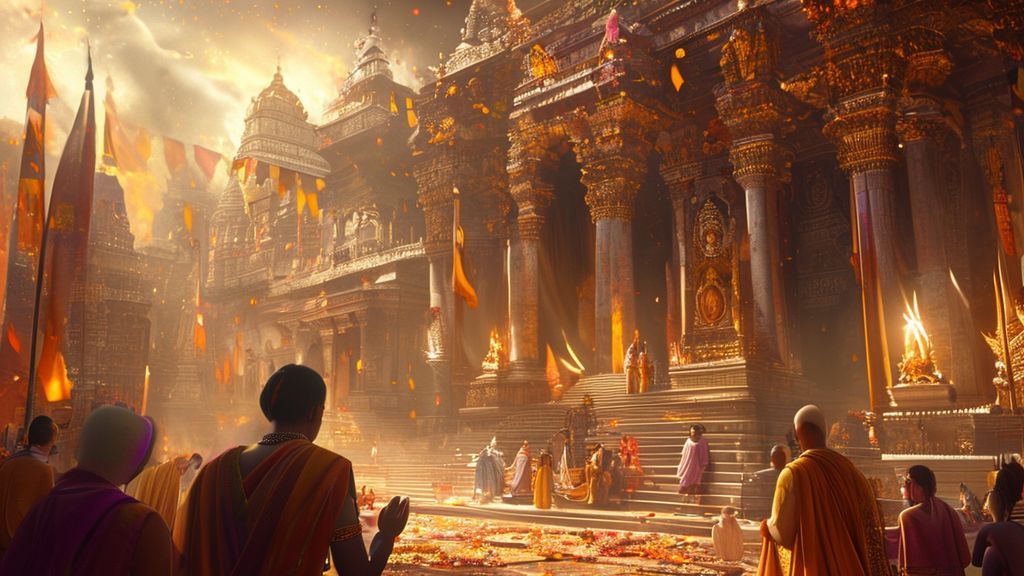
Krishna in dreams signifies a profound spiritual communication, often a direct blessing (darshan), a call to deeper devotion (Bhakti), or divine guidance on one’s Dharmic path. These sacred visions are not mere psychological phenomena but potent messages from the Supreme Lord, reminding the devotee of His omnipresence, love, and protection, urging spiritual growth and righteous living.
| Attribute | Details |
|---|---|
| Deity | Bhagavan Shri Krishna, the Purna Avatar of Vishnu. |
| Symbolism in Dreams | Divine Love (Prema Bhakti), Guidance (Margadarshan), Protection (Raksha), Spiritual Awakening. |
| Key Scriptural References | Shrimad Bhagavatam (Bhagavata Purana), Bhagavad Gita, Vishnu Purana. |
| Spiritual Meaning | Invitation to deeper Sadhana, resolution of inner conflicts, confirmation of path, or a direct blessing. |
Introduction: The Sacred Canvas of Sleep
In Sanatan Dharma, the realm of dreams (swapna-loka) is not merely a byproduct of the subconscious mind but a potent conduit for divine communication and spiritual revelation. When the Supreme Personality of Godhead, Bhagavan Shri Krishna, graces a devotee’s dream, it is considered an exceptionally auspicious event, a direct manifestation of His infinite compassion and grace. Such a vision, known as a swapna-darshan, transcends ordinary dreaming, serving as a profound spiritual milestone that can catalyze a devotee’s journey, offer solace, or provide critical guidance on the path of Dharma.
Shri Krishna, as the Purna Avatar, embodies all divine qualities, including love, wisdom, protection, and liberation. His appearance in a dream is never coincidental; it is a meticulously orchestrated divine intervention, tailored to the specific spiritual state and needs of the individual. This guide will delve into the profound spiritual implications of such dreams, drawing insights from our sacred scriptures to illuminate their true significance for every sincere seeker on Hindutva.online.
Puranic Basis & The Tradition of Divine Appearances
The tradition of divine appearances in dreams is deeply rooted in our Puranas and Itihasas. Throughout the ages, numerous sages, kings, and devotees have received instructions, blessings, and visions from deities during their sleep. The Shrimad Bhagavatam (Bhagavata Purana), for instance, narrates countless instances where Bhagavan Krishna, Vishnu, or other divinities interacted with devotees through various means, including subtle visions and direct appearances. The very purpose of Krishna’s descent, as stated in Bhagavad Gita (Chapter 4, Verse 8), is “paritranaya sadhunam vinashaya cha dushkritam, dharma-samsthapanarthaya sambhavami yuge yuge” – to protect the righteous, annihilate the wicked, and re-establish Dharma. His dream appearances can be seen as an extension of this divine mission, providing personalized guidance to His beloved devotees.
Consider the narratives of great Vaishnava acharyas who received crucial insights or directions in dreams. For example, Shri Madhvacharya, the proponent of Dvaita philosophy, is said to have received specific instructions for his commentaries and the establishment of his tradition through divine inspiration, often accessed in meditative states akin to deep spiritual dreams. Such occurrences validate the idea that the divine can directly communicate with the individual soul when the mind is receptive and purified. Krishna’s omnipresence (sarva-vyapi) means He resides within every heart (ishvaraḥ sarva-bhūtānāṁ hṛd-deśe ‘rjuna tiṣṭhati – Bhagavad Gita 18.61), making dreams a natural medium for His internal communication.
The Nature of Divine Dream Experiences
Unlike ordinary dreams, which are often a jumble of subconscious thoughts and daily experiences, a dream featuring Bhagavan Krishna carries a distinct spiritual resonance. These are not mere mental projections but impressions from a higher realm. In Yogic philosophy, the human mind operates through various layers, or Koshas. The Manomaya Kosha (mental sheath) and Vijnanamaya Kosha (intellectual sheath) are active during the dream state (Swapna Avastha). When these Koshas are purified through Sadhana (spiritual practice), they become more transparent and receptive to impressions from the Anandamaya Kosha (bliss sheath) and ultimately the Atman itself, which is inherently connected to Brahman (Krishna).
A dream of Krishna can be understood as a form of anugraha (divine grace) that penetrates the subtle body. The clarity, vividness, and the profound sense of peace, joy, or urgency accompanying such a dream often distinguish it from mundane dreams. There is an inexplicable feeling of sanctity and authenticity that lingers even after waking. Such dreams serve as a spiritual architecture for the soul, restructuring inner perceptions and affirming the devotee’s connection to the divine. They are a testament to the intricate and compassionate design of the cosmos, where the Supreme orchestrates personal encounters to guide His devotees.
Rituals & Puja Vidhi to Invite Divine Dreams
While divine dreams cannot be forced, one can cultivate a receptive inner environment through dedicated spiritual practices. The intention is not to demand a dream but to purify the mind and heart, making oneself a worthy recipient of divine grace. Here’s a brief guide:
- Sankalpa (Intention): Before sleep, sit quietly and offer a prayer to Bhagavan Krishna, expressing your devotion and a sincere desire for His guidance or darshan. State your intention humbly, “May my mind be pure and receptive to Your divine will.”
- Purity of Body and Mind: Ensure cleanliness before sleep (e.g., a bath). Engage in Sattvic activities throughout the day, avoiding negativity, gossip, and harsh words.
- Japa (Mantra Chanting): Chant your favorite Krishna mantra (e.g., Om Namo Bhagavate Vasudevaya or the Hare Krishna Mahamantra) for a period before retiring. Focus on the sound and meaning, visualizing Krishna’s form.
- Dhyana (Meditation): Meditate on Krishna’s form – His beautiful blue complexion, enchanting flute, peacock feather, and loving smile. Dwell on His divine pastimes (lilas) as described in the Bhagavatam.
- Reading Sacred Texts: Read a few verses from the Bhagavad Gita or Shrimad Bhagavatam just before sleep. This fills the mind with divine thoughts and narratives, setting a sacred tone for the night.
- Offerings: Mentally offer your day’s actions, thoughts, and impending sleep to Krishna.
Mantras & Chants for Krishna’s Grace
Chanting the holy names and mantras of Krishna is a powerful way to purify the mind and invoke His presence, both in waking and dream states. These sacred vibrations resonate with the divine energy of Krishna Himself.
- Om Namo Bhagavate Vasudevaya: The Dwadasakshari Mantra, a fundamental invocation for Lord Vasudeva. Chanting this mantra invokes His protection and wisdom.
- Hare Krishna, Hare Krishna, Krishna Krishna, Hare Hare / Hare Rama, Hare Rama, Rama Rama, Hare Hare: The Mahamantra, renowned for its ability to purify the heart, transcend material consciousness, and connect one directly with Krishna and Rama.
- Govinda Damodara Madhaveti: A sweet and devotional chant glorifying Krishna’s various names, evoking feelings of love and surrender.
- Kararavindena Padaravindam Mukharavinde Viniveshayantam, Vatasya Patrasya Putke Shayanam Balakam Mukundam Manasa Smarami: This beautiful verse describes baby Krishna sleeping on a banyan leaf, bringing peace and a sense of divine childhood innocence. Chanting this before sleep is particularly soothing and evokes His playful, loving form.
Dos and Don’ts After a Krishna Dream
- DO: Reflect and Meditate: Upon waking, immediately try to recall every detail of the dream. Sit in quiet meditation, contemplating the dream’s message and the feelings it evoked.
- DO: Offer Gratitude: Express heartfelt thanks to Bhagavan Krishna for His divine grace and darshan.
- DO: Seek Guidance: If the dream contains a specific message or instruction, ponder it deeply. If necessary, consult a trusted spiritual guide or guru for interpretation and advice.
- DO: Deepen Sadhana: A Krishna dream is often a call to intensify one’s spiritual practices. Take it as an encouragement to chant more, meditate more, and live more righteously.
- DO: Maintain Purity: Endeavor to maintain the spiritual purity and elevated state of consciousness that the dream invoked, carrying it into your daily actions and thoughts.
- DON’T: Boast or Flaunt: Divine experiences are deeply personal and sacred. Avoid bragging about them, as this can dissipate their spiritual potency. Share only with a trusted, spiritually inclined individual if needed for understanding.
- DON’T: Dismiss as Ordinary: Do not treat a Krishna dream as a mere random psychological event. Acknowledge its spiritual depth.
- DON’T: Obsess or Force: Do not become overly obsessed with having more such dreams, nor try to force them. Such experiences come by grace, not by demand.
- DON’T: Misinterpret for Personal Gain: Be wary of interpreting the dream solely for material benefits or egoistic desires. The primary purpose is spiritual elevation.
What if Krishna appears in a specific form in my dream?
The form in which Krishna appears often carries specific significance. If He appears as a playful child (Balakrishna), it may signify innocence, new beginnings, or a call to cultivate child-like faith and surrender. If He appears as the divine lover (Radha-Krishna), it often represents the pinnacle of divine love (Madhurya Bhava), urging a deeper emotional connection and devotion. As a warrior (Parthasarathi), He might be offering protection, guiding you through a conflict, or reminding you of your duty (Dharma). Each form emphasizes a particular aspect of His divine personality and a corresponding message for the devotee. Reflect on the emotions and context of the dream to understand the specific meaning for your spiritual journey on Hindutva.online.
Is every dream of Krishna truly significant?
While every mention or thought of Krishna is purifying, the spiritual significance of a dream lies in its clarity, emotional impact, and the lingering sense of sacredness. A truly significant Krishna dream will often be vivid, memorable, and leave a profound impression of peace, joy, or an undeniable spiritual message that transcends ordinary dream experiences. It is distinguished by its non-mundane nature and the deep spiritual resonance felt upon waking. If a dream feels vague or is quickly forgotten, it may be less of a direct divine communication and more of a subconscious reflection of your daily devotional thoughts.
What should I do after experiencing such a divine dream?
After a divine dream of Krishna, the most crucial step is to internalize the experience and deepen your spiritual practice. Spend time in meditation, chanting, and reflection. If the dream imparted a specific message, endeavor to understand it through introspection and prayer. If you feel compelled to make a change or take a particular action, do so with mindfulness and discernment, perhaps seeking the counsel of a spiritual mentor. Most importantly, let the dream reinforce your faith, inspire greater devotion, and motivate you to live a life aligned with Dharmic principles.
Dharmic Significance: The Unwavering Compassion of the Lord
A dream of Bhagavan Shri Krishna is far more than a fleeting vision; it is a profound testament to the living reality of Sanatan Dharma and the unwavering compassion of the Supreme Lord. Such experiences reaffirm the devotee’s faith, providing direct, personal evidence of Krishna’s omnipresence and His intimate involvement in the lives of His sincere devotees. It encourages perseverance in Sadhana, reminding us that our spiritual efforts are recognized and reciprocated by the divine. These dreams serve as spiritual anchors, guiding us through life’s challenges and reinforcing the ultimate goal of human existence: to cultivate pure love for God and attain eternal liberation. They are a blessed reminder that Krishna, the source of all existence, constantly watches over us, eager to guide us back to our true spiritual home.