


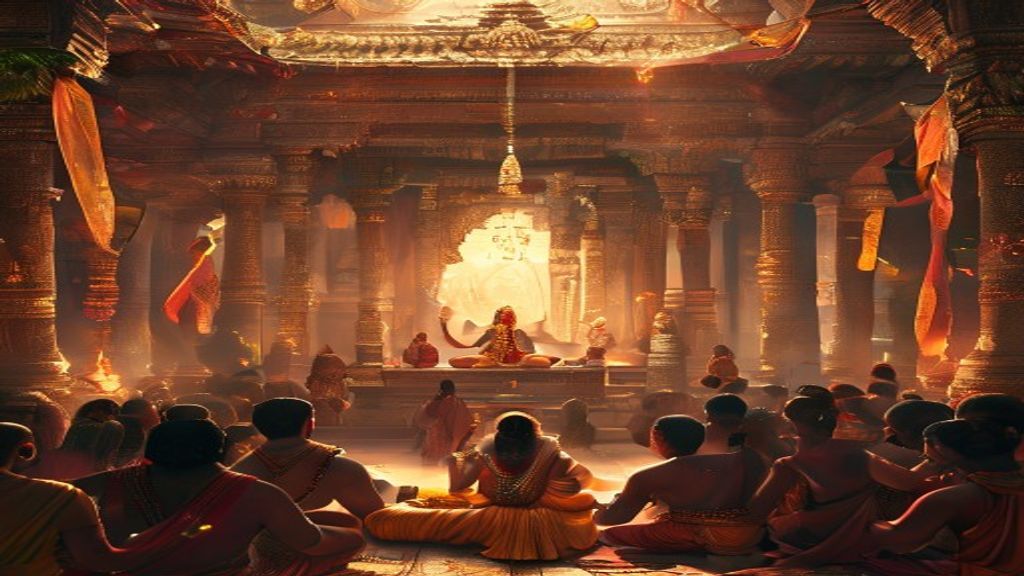
Lakshmi Puja for ending financial struggles is a profound Vedic ritual invoking Devi Lakshmi, the Goddess of Wealth, Fortune, and Prosperity. Performed with utmost devotion, it is believed to cleanse financial karmas, attract abundance, remove obstacles to material well-being, and foster holistic prosperity, including spiritual wealth and contentment.
| Attribute | Details |
|---|---|
| Deity | Devi Lakshmi (Mahalakshmi, Shri, Kamala) |
| Origin | Emerged from the Samudra Manthan (Churning of the Cosmic Ocean) |
| Key Festivals | Diwali (Deepavali), Sharad Purnima, Varalakshmi Vratam, Akshaya Tritiya |
| Primary Scripture Reference | Vishnu Purana, Padma Purana, Devi Bhagawatam, Sri Suktam (from Rig Veda Khilani) |
The Spiritual Essence of Prosperity: Lakshmi Puja
In Sanatan Dharma, wealth is not merely a material accumulation but a divine blessing, an essential means to uphold Dharma, perform noble deeds, and support one’s family and community. Devi Lakshmi, the divine consort of Lord Vishnu, embodies not just monetary wealth, but also health, wisdom, courage, fertility, and overall well-being. She is Shri, the auspicious energy that empowers all creation. Poverty, therefore, is seen as a lack of this auspicious energy, a blockage in the flow of divine grace. Performing Lakshmi Puja is a direct spiritual endeavor to invoke her presence, remove obstacles, and restore the natural flow of abundance in one’s life. It is a heartfelt prayer for both material sustenance and spiritual enrichment, reminding us that true prosperity is holistic.
This sacred ritual, deeply embedded in Vedic traditions, transcends mere transactional worship. It is a profound act of Bhakti (devotion), intended to purify the mind, cultivate gratitude, and align the devotee with the cosmic energies of wealth and fortune. Through sincere offerings and chanting, one seeks to attract the blessings of Mahalakshmi, transforming financial hardships into opportunities for growth and stability. Every Hindu home, especially during festivals like Diwali, becomes a temple for Her, symbolizing our collective aspiration for a life blessed with peace and plenty, guided by righteous conduct.
Puranic History and Legend: The Emergence of Shri
The origins of Devi Lakshmi are beautifully narrated in various Puranas, most notably in the Vishnu Purana and the Padma Purana. Her most iconic emergence is during the Samudra Manthan, the churning of the cosmic ocean by the Devas and Asuras for the nectar of immortality. Amidst the many precious items that arose from the ocean’s depths, Devi Lakshmi appeared, radiant and effulgent, seated upon a fully blossomed lotus. Her beauty captivated all, and she chose Lord Vishnu as her eternal consort, symbolizing the inseparable union of prosperity with preservation and righteousness.
Another profound aspect of her being is described in the Devi Bhagawatam Purana, where she is identified as the primordial energy, the Shakti that empowers Lord Vishnu. She is Mahalakshmi, the source of all wealth – not just gold and silver, but also the wealth of knowledge, courage, progeny, and spiritual enlightenment. Her various forms, known as Ashta Lakshmi (Eight Lakshmis), represent these diverse aspects of prosperity: Adi Lakshmi (primary), Dhana Lakshmi (monetary wealth), Dhanya Lakshmi (agricultural wealth), Gaja Lakshmi (power and royalty), Santana Lakshmi (progeny), Veera Lakshmi (courage), Vijaya Lakshmi (victory), and Vidya Lakshmi (knowledge).
The Sri Suktam, a Vedic hymn dedicated to Devi Lakshmi, describes her as golden-hued, holding a lotus, bathed by elephants, and radiating auspiciousness. It emphasizes her connection to the Sun, fire, and the cosmic elements, affirming her as the very embodiment of auspiciousness (Mangalam) and abundance (Aishvaryam). Through these ancient narratives, devotees understand that invoking Lakshmi is not just about seeking riches, but about inviting the divine energy that sustains and beautifies life itself, ensuring that any financial struggles are addressed at their spiritual root.
The Scientific and Symbolic Marvels of Lakshmi Puja
While Lakshmi Puja does not involve intricate temple architecture like a Dravidian or Nagara style temple, the ritual itself is a meticulously designed “architectural” marvel of spiritual science. Every element, from the arrangement of the altar to the specific offerings and timings, is imbued with profound symbolism and an understanding of cosmic energies, aiming to create an auspicious environment conducive to attracting prosperity. This is where the true “information gain” lies beyond mere ritualistic steps.
1. The Altar as a Cosmic Diagram: The puja altar is arranged as a micro-cosmos. The placement of the idol or image of Lakshmi, Ganesh (who removes obstacles), and the Kalasha (pot) filled with water, mango leaves, and a coconut, represents the universe’s creative and sustaining forces. The Kalasha, often adorned with a swastika, symbolizes the manifestation of divinity and abundance.
2. Offerings as Energy Conductors: Specific offerings are not arbitrary. Lotus flowers (Padma) are paramount because Lakshmi is Padmasana (seated on a lotus) and Padmavarni (lotus-colored), symbolizing purity, spiritual growth, and the ability to thrive in any condition. Cowrie shells (Kaudi), particularly yellow ones, have historically been used as currency and are believed to attract wealth. Shree Yantra or Meru Chakra, geometric representations of divine energy, are placed to amplify the vibrations of prosperity. Ghee lamps, incense, fruits, sweets (especially kheer and ladoos), and specific grains are offered to activate the five elements and align with natural abundance.
3. The Power of Direction and Timing: Worshipping facing North or East is preferred, as these directions are associated with wealth and spiritual growth, respectively. The Muhurta (auspicious timing), often determined by lunar phases (e.g., Amavasya night during Diwali), is crucial. This alignment with specific cosmic energies is considered a precise scientific approach to channel divine blessings effectively, making the puja more potent for alleviating financial struggles.
4. Mantra Vibrations: The chanting of mantras generates specific sound vibrations that create a spiritual field, attracting and magnifying the energy of Lakshmi. This sonic architecture purifies the atmosphere and the devotee’s mind, making them receptive to wealth and prosperity. The meticulous details of the puja are not superstitions but a refined spiritual technology to interact with the divine.
Rituals & Puja Vidhi: Invoking the Goddess of Fortune
Performing Lakshmi Puja with sincerity is key. Here is a step-by-step guide:
- Preparation & Sanctification (Shuddhi):
- Cleanse the puja area thoroughly. Take a purifying bath and wear clean, traditional clothes.
- Gather all puja items: an idol/picture of Devi Lakshmi and Lord Ganesh, a Kalasha, rice, turmeric, kumkum, sandalwood paste, incense, lamps (ghee/oil), flowers (especially lotus), fruits, sweets (naivedyam), betel leaves/nuts, coins, cowrie shells, a red cloth, and water.
- Place a red cloth on a clean platform. Arrange the idol/picture. Place Ganesh on the right side of Lakshmi.
- Sankalpa (Intention):
- Sit comfortably facing North or East. With folded hands, recite your intention (Sankalpa) for performing the puja, stating your name, place, and the specific purpose (e.g., for removal of financial struggles, for prosperity of family).
- Ganesh Puja (Vighnaharta Invocation):
- Begin with offering prayers to Lord Ganesh to remove all obstacles. Offer water, flowers, turmeric, kumkum, and modak while chanting Om Gam Ganapataye Namaha.
- Kalasha Sthapana:
- Place the Kalasha filled with water, a few drops of Ganga Jal, a coin, and a betel nut. Place mango leaves in the mouth of the pot and a coconut on top. Apply kumkum and turmeric to the Kalasha.
- Lakshmi Avahanam (Invocation):
- Meditate on Devi Lakshmi. Invite her to the altar with devotion. Place flowers at her feet while chanting mantras.
- Shodashopachara Puja (Sixteen Offerings):
- Offer water for feet (Padya), hands (Arghya), bathing (Snanam).
- Offer new clothes (Vastra), sacred thread (Yagnopaveetam).
- Apply sandalwood paste (Chandanam), kumkum, turmeric (Haldi).
- Offer flowers (Pushpam), Dhoop (incense), Deepam (lamp).
- Offer Naivedyam (food offerings), betel leaves (Tamboolam).
- Offer Dakshina (monetary offering).
- Perform Pradakshina (circumambulation) and Namaskaram (prostration).
- Mantra Japa:
- Chant Lakshmi Mantras (see below) using a rosary (mala), at least 108 times.
- Katha & Aarti:
- Read the Lakshmi Vrat Katha (story).
- Perform Lakshmi Aarti with devotion, lighting a lamp and circulating it before the deity.
- Pranam & Kshama Prarthana:
- Offer final prayers, express gratitude, and ask for forgiveness for any unintentional mistakes during the puja.
Mantras & Chants: Invoking Divine Abundance
The chanting of specific Lakshmi Mantras is paramount to attracting her blessings and alleviating financial woes. Each mantra carries a unique vibration and meaning, designed to resonate with the divine energy of prosperity:
-
Om Shreem Hreem Shreem Kamale Kamalalaye Praseed Praseed Om Shreem Hreem Shreem Mahalakshmaye Namaha.
This is a powerful Bija Mantra for Mahalakshmi. It translates to: “O, Devi Lakshmi, who resides in the lotus, please shower your grace upon me.” The Bija mantras (Shreem, Hreem) represent the cosmic sound vibrations associated with prosperity and divine energy.
-
Om Hreem Shreem Lakshmībhyo Namaha.
A simpler, yet potent mantra for daily chanting, invoking the salutation to Devi Lakshmi.
-
The Sri Suktam:
This ancient Vedic hymn, found in the Rig Veda Khilani, is a revered prayer to Devi Lakshmi. Reciting the sixteen verses of the Sri Suktam with devotion is considered highly effective for attracting wealth, good fortune, and eliminating poverty. Its verses describe her glory, her association with various deities, and her power to bestow all forms of prosperity.
An example verse from Sri Suktam:
हिरण्यवर्णां हरिणीं सुवर्णरजतस्रजाम् ।
चन्द्रां हिरण्मयीं लक्ष्मीं जातवेदो म आ वह ॥१॥
“Hiranyavarnam Harinim Suvarnarajatastrajām |
Chandram Hiranmayim Lakshmim Jātavedo Ma Ā Vaha ||1||”Meaning: “O Agni (Jataveda), invoke for me that Lakshmi, who is golden-hued, deer-like (captivating), adorned with garlands of gold and silver, shining like the moon, and made of gold.”
Consistent and heartfelt chanting cultivates inner peace, reduces anxiety related to financial struggles, and opens one’s mind to opportunities, acting as a profound spiritual remedy.
Dos and Don’ts for Lakshmi Puja
To ensure the efficacy of Lakshmi Puja and to show proper reverence to the divine, certain etiquette and practices are to be observed:
- Do: Maintain utmost cleanliness and purity, both physically and mentally.
- Do: Perform the puja with a sincere heart, devotion (Bhakti), and unwavering faith (Shraddha).
- Do: Offer fresh, seasonal flowers, especially lotus, and pure, Sattvic food (vegetarian, prepared with love).
- Do: Keep the house neat and tidy, especially during Diwali, as Lakshmi is believed to visit clean homes.
- Do: Show respect to all, especially women, as they are considered manifestations of Devi Lakshmi.
- Don’t: Perform puja with a restless or angry mind. Calmness is essential.
- Don’t: Use non-vegetarian food or intoxicants near the puja area.
- Don’t: Engage in greed, dishonesty, or harsh speech. Lakshmi resides where Dharma prevails.
- Don’t: Keep the house dark or unclean, particularly during the evening hours of puja.
- Don’t: Worship Lakshmi alone; always worship her with Lord Vishnu or Lord Ganesh, as she is inseparable from them.
Frequently Asked Questions About Lakshmi Puja
When is the best time to perform Lakshmi Puja for financial struggles?
While Diwali (Deepavali) is the most prominent time, any Friday (which is dedicated to Devi Lakshmi), Sharad Purnima, Varalakshmi Vratam, or Akshaya Tritiya are considered highly auspicious. Performing the puja during Pradosh Kaal (twilight hours) or specific Choghadiya Muhurtas on these days can enhance its efficacy for financial well-being. Regular, consistent worship is more important than sporadic grand pujas.
What are the essential offerings for Lakshmi Puja to alleviate poverty?
Essential offerings include lotus flowers, coconut, betel leaves and nuts, cowrie shells (especially yellow ones), coins, rice grains, sandalwood paste, kumkum, turmeric, and traditional sweets like kheer or ladoos. Pure ghee lamps and incense are also crucial. More importantly, offering a pure heart, sincere devotion, and gratitude are the most essential contributions to attract Devi Lakshmi’s grace.
Is Lakshmi Puja only for monetary wealth?
Absolutely not. While Devi Lakshmi is widely known as the Goddess of Wealth, her blessings encompass all forms of prosperity. This includes Dhana (monetary wealth), Dhanya (food grains, sustenance), Ayu (long life), Arogya (health), Vidya (knowledge), Santana (progeny), Veer (courage), Vijaya (victory), and Soubhagya (good fortune, auspiciousness). Performing Lakshmi Puja for financial struggles means inviting holistic well-being into one’s life, recognizing that true wealth is multifaceted and deeply intertwined with one’s overall spiritual and material existence. Many more insights can be found on Hindutva.online.
Why This Matters for Every Hindu: Upholding Dharmic Prosperity
The practice of Lakshmi Puja transcends a mere ritual for personal gain; it is a profound affirmation of our faith in the divine order and a commitment to Dharmic living. In Sanatan Dharma, wealth is not to be shunned but to be earned righteously (Dharma-Artha), utilized for the welfare of oneself, family, and society, and ultimately to achieve spiritual liberation (Moksha). Financial struggles can impede one’s ability to fulfill their duties (Dharma), support their loved ones, or engage in acts of charity (Dana). By performing Lakshmi Puja, devotees invoke the divine mother’s grace not just for material sustenance, but for the wisdom to manage wealth responsibly, the courage to overcome adversities, and the compassion to share their prosperity with others.
This sacred practice reinforces the Vedic ideal that spiritual and material well-being are not mutually exclusive but are intertwined components of a fulfilling human life. It teaches us gratitude for what we have, patience during challenges, and unwavering faith in the cosmic benevolence. Thus, Lakshmi Puja is a powerful spiritual tool that helps Hindus navigate the complexities of modern life, fostering a balanced approach to prosperity that integrates material success with spiritual values, ensuring the preservation of a rich cultural and religious heritage for generations to come.