


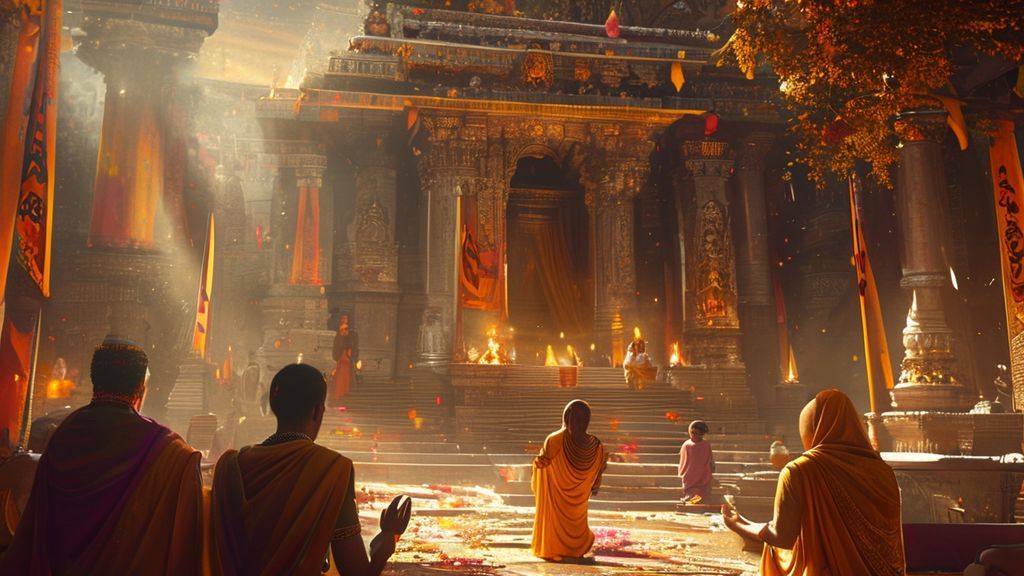
Brahmacharya in modern life is a profound spiritual discipline for effective lust management, extending beyond celibacy to encompass holistic sense control, mental purity, and vital energy conservation. It is a foundational *dharma* that cultivates focus, inner strength, and spiritual clarity, enabling individuals to navigate contemporary challenges while advancing towards higher consciousness and self-realization.
| Attribute | Details |
|---|---|
| Concept | Holistic discipline of sense control (Indriya Nigraha), mental purity, and vital energy conservation. |
| Primary Goal | Lust management, spiritual growth, accumulation of *Ojas* (vital energy) and *Tejas* (spiritual radiance). |
| Key Practices | *Yama* & *Niyama* (especially *Ahimsa, Satya, Asteya, Aparigraha, Shaucha, Santosha, Tapas, Svadhyaya, Ishvara Pranidhana*), *Dhyana*, *Pranayama*, *Mithahara*, *Satsanga*. |
| Benefits | Increased memory, intellect, strength, vitality, courage, spiritual insight, peace, and overall well-being. |
| Core Scripture References | Patanjali’s Yoga Sutras (Y.S. 2.30, 2.38), Bhagavad Gita (Ch. 2, 6), Chandogya Upanishad, Manusmriti, Dharma Shastras. |
The Foundations of Brahmacharya in Sanatan Dharma
In the vast ocean of Sanatan Dharma, Brahmacharya (ब्रह्मचर्य) stands as a foundational pillar, a discipline far more encompassing than its modern, often narrow, interpretation as mere celibacy. It is a profound spiritual practice of controlling the senses, mind, and intellect to direct one’s energies towards a higher purpose—the realization of Brahman. This ancient science of self-mastery is universally applicable across all *ashramas* (stages of life), not just the student phase, offering a potent antidote to the pervasive sensual distractions of contemporary existence. It is the conscious cultivation of purity in thought, word, and deed, ensuring that our vital life force, known as *Ojas* (ओजस), is conserved and transmuted into spiritual and intellectual power. For sincere seekers and devotees, understanding and integrating Brahmacharya is not optional but essential for genuine spiritual progress and a meaningful life, as elucidated on Hindutva.online.
Puranic History & The Exemplars of Brahmacharya
The concept of Brahmacharya is deeply interwoven with the very fabric of Vedic civilization. Originally, it denoted the first stage of life, the *Brahmacharya Ashrama*, where a student (Brahmachari) resided with his Guru, dedicating himself to study, service, and strict celibacy, as detailed in the Manusmriti (Chapter 2). However, its essence of self-restraint and spiritual dedication extends beyond this phase. The Chandogya Upanishad (8.5.1-4) highlights Prajapati’s teachings on Brahmacharya, equating it with the pursuit of the Self and the bridge to the highest truths.
Throughout our Itihasas and Puranas, numerous luminaries exemplify the profound power of Brahmacharya. Lord Hanuman, the son of Vayu, is perhaps the foremost Naishtika Brahmachari (नैष्ठिक ब्रह्मचारी) – one who practices lifelong celibacy. His unparalleled strength, unwavering devotion, sharp intellect, and boundless energy, vividly depicted in the Ramayana, are often attributed to his perfect observance of Brahmacharya. His very being radiates *Tejas* (तेजस), spiritual radiance, a direct consequence of conserving his vital force. Similarly, Bhishma Pitamah in the Mahabharata, through his formidable vow of celibacy, demonstrated immense willpower and self-sacrifice, although his vow also carried karmic complexities.
The great Rishis and Yogis, such as Sanatkumara and many others mentioned in the Skanda Purana and other scriptures, undertook rigorous *tapasya* often involving strict Brahmacharya to attain divine visions, profound knowledge, and superhuman abilities. These narratives are not mere stories but profound lessons illustrating that mastery over the senses and the preservation of vital energy are fundamental to unlocking human potential and connecting with the Divine.
The Yogic and Psychological Science of Brahmacharya
While Brahmacharya is not an architectural marvel in the conventional sense, it represents a profound “architecture” of the inner being—a sophisticated yogic and psychological science designed to construct a resilient, pure, and spiritually potent self. At its core is Indriya Nigraha (इन्द्रिय निग्रह), the control and mastery over the five senses of perception (jñānendriyas) and five senses of action (karmendriyas). The Bhagavad Gita (Chapter 2, Verse 61) declares, “One who restrains his senses, keeping them under full control, and fixes his mind upon Me, is known as a man of steady intelligence.” This sense control prevents vital energy from dissipating through excessive external engagement.
The conservation of *Ojas*, the subtle essence of all bodily fluids, particularly reproductive fluids, is a key scientific aspect. In yogic physiology, *Ojas* is considered the highest form of physical and mental energy. When *Ojas* is conserved and purified through practices of Brahmacharya, it transforms into *Tejas* (radiance) and *Vidya* (intuitive knowledge), ascending to the brain and enhancing cognitive functions, memory, concentration, and spiritual insight. Modern neuroscience, while not using the term *Ojas*, acknowledges that disciplined focus, reduced sensory overload, and emotional regulation, all outcomes of Brahmacharya, significantly improve brain function, reduce stress, and enhance mental clarity and creativity. It’s an internal alchemy that transmutes raw sensual energy into sublime spiritual power, providing a solid foundation for mental well-being and spiritual evolution.
Practical Disciplines for Cultivating Brahmacharya
Embracing Brahmacharya in modern life requires a deliberate and sustained effort, focusing on practices that purify the mind and body. This is a path of active cultivation, not passive suppression. The following steps provide a guide:
- Satsanga and Svadhyaya: Surround yourself with spiritually-minded individuals and engage in regular study of scriptures (स्वाध्याय). The Yoga Sutras of Patanjali (Y.S. 2.44) highlights *Svadhyaya* as a Niyama for spiritual growth.
- Dhyana and Pranayama: Practice daily meditation (ध्यान) and breathing exercises (प्राणायाम). These calm the mind, reduce agitation, and help in withdrawing senses, making it easier to control lustful impulses.
- Mithahara: Observe moderate and pure eating habits (मितहार). Avoid *tamasic* foods (old, stale, non-vegetarian, heavily spiced) which can inflame the senses. Favor *sattvic* foods (fresh fruits, vegetables, grains, nuts) that promote purity and calmness.
- Vairagya: Cultivate detachment (वैराग्य) from sensory objects. Understand their transient nature and the suffering they often bring when pursued excessively. This is a mental discipline to lessen craving.
- Seva: Engage in selfless service (सेवा). Directing one’s energy outwards in service to others or the Divine channels vital force constructively, preventing its wasteful dissipation.
- Ishvara Pranidhana: Practice surrender to the Divine (ईश्वरप्रणिधान). Offer all actions and their fruits to Ishvara, seeking divine grace for strength and guidance in maintaining purity.
Mantras & Chants for Purity and Self-Control
Mantras are potent vibrations that purify the mind and invoke divine energies, aiding in the practice of Brahmacharya. Chanting with devotion and understanding can fortify one’s resolve and calm the turbulent mind.
- Gayatri Mantra: “ॐ भूर्भुवः स्वः तत्सवितुर्वरेण्यं भर्गो देवस्य धीमहि धियो यो नः प्रचोदयात् ॥” (Om Bhur Bhuvah Svah, Tat Savitur Varenyam, Bhargo Devasya Dhimahi, Dhiyo Yo Nah Prachodayat). This universal Vedic mantra invokes the supreme effulgence for the illumination of the intellect, guiding it towards purity and wisdom.
- Maha Mrityunjaya Mantra: “ॐ त्र्यम्बकं यजामहे सुगन्धिं पुष्टिवर्धनम् । उर्वारुकमिव बन्धनान् मृत्योर्मुक्षीय माऽमृतात् ॥” (Om Tryambakam Yajamahe Sugandhim Pushtivardhanam | Urvarukamiva Bandhanan Mrityor Mukshiya Maamritat ||). While primarily for health and longevity, it invokes Lord Shiva for freedom from bondage, including the bondage of desires and temptations.
- Hanuman Mantra: “ॐ हं हनुमते रुद्रात्मकाय हुं फट् ॥” (Om Hum Hanumate Rudratmakaya Hum Phat ||). Chanting to Lord Hanuman, the supreme Brahmachari, invokes strength, courage, and unwavering resolve to overcome sensual challenges.
- General Shanti Mantra: “ॐ सह नाववतु । सह नौ भुनक्तु । सह वीर्यं करवावहै । तेजस्वि नावधीतमस्तु मा विद्विषावहै । ॐ शान्तिः शान्तिः शान्तिः ॥” (Om Saha Navavatu | Saha Nau Bhunaktu | Saha Veeryam Karavavahai | Tejasvi Navadheetamastu Ma Vidvishavahai | Om Shantih Shantih Shantih ||). This mantra fosters peace and harmonious energy, conducive to self-discipline.
Dos and Don’ts for the Brahmachari
Adherence to certain principles significantly aids in cultivating and maintaining Brahmacharya:
- Dos:
- Practice Yamas (non-violence, truthfulness, non-stealing, non-possessiveness) and Niyamas (purity, contentment, austerity, self-study, surrender to God) as outlined in the Yoga Sutras.
- Maintain pure thoughts and engage in activities that uplift the mind and spirit.
- Observe silence (Mauna) and fasting (Upavasa) periodically to strengthen willpower.
- Seek guidance from a qualified Guru or spiritual mentor.
- Engage in regular physical exercise to channelize energy constructively.
- Don’ts:
- Indulge in excessive sensory stimulation, including inappropriate media or conversations.
- Keep company with individuals who promote sensual indulgence or negativity.
- Consume *tamasic* foods or intoxicants that dull the intellect and agitate the mind.
- Entertain lustful thoughts or fantasize, as this is the subtle beginning of dissipation.
- Neglect daily spiritual practices and self-reflection.
Is Brahmacharya only for celibates?
No, Brahmacharya is not exclusively for celibates. While traditionally associated with the celibate student phase (Brahmacharya Ashrama), its deeper meaning encompasses control over all senses and conservation of vital energy, applicable to all stages of life. A householder (Grihastha) can practice Brahmacharya by observing purity in marital relations, abstaining from lustful thoughts, and directing their energies towards family duties, spiritual growth, and societal well-being. It is about conscious, responsible living, not mere physical abstinence.
How does Brahmacharya help in professional life?
Brahmacharya significantly enhances professional life by improving concentration, memory, decision-making, and overall mental clarity. The conservation of *Ojas* leads to increased energy, vitality, and enthusiasm, combating fatigue and burnout. Reduced indulgence in sensory pleasures frees up mental and emotional bandwidth, allowing for greater focus on work goals and creative problem-solving. It fosters discipline, integrity, and resilience—qualities essential for leadership and sustained success in any profession.
Can one practice Brahmacharya while married?
Absolutely. For a married individual (Grihastha), Brahmacharya translates into fidelity, moderation, and intentionality in intimate relations, rather than indiscriminate indulgence driven by lust. It means honoring one’s spouse, maintaining mental and emotional purity, and directing excess energy towards shared spiritual goals, family responsibilities, and service. It helps in building stronger, more spiritual relationships based on mutual respect and shared higher purpose, transforming conjugal life into a form of sacred union.
What is the connection between food and Brahmacharya?
Food (Ahara) has a profound impact on the mind and body, directly influencing one’s ability to practice Brahmacharya. The Bhagavad Gita (Chapter 17, Verses 8-10) describes foods as *sattvic*, *rajasic*, or *tamasic*. *Sattvic* foods (fresh, wholesome, light) promote purity, calmness, and mental clarity, which are conducive to Brahmacharya. *Rajasic* foods (spicy, hot, stimulating) agitate the mind and senses, potentially increasing lust. *Tamasic* foods (stale, heavy, intoxicating) dull the intellect and promote lethargy. Thus, a *sattvic* diet is a crucial ally in cultivating and sustaining Brahmacharya.
Dharmic Significance: The Preservation of Sanatan Dharma
Brahmacharya is not merely a personal virtue; it is a fundamental principle vital for the preservation and propagation of Sanatan Dharma itself. A society built on individuals who practice self-control, purity, and disciplined energy is inherently strong, moral, and spiritually vibrant. When individuals conserve their vital energy and channel it towards noble pursuits, they contribute to the collective *Ojas* and *Tejas* of the community, fostering environments conducive to truth, righteousness, and spiritual wisdom. Without this foundation of self-mastery, society succumbs to unchecked desires, leading to moral decay and spiritual erosion. By upholding Brahmacharya, we ensure the continuity of our sacred traditions, the clarity of our spiritual understanding, and the well-being of future generations. It is through disciplined lives that the eternal principles of Dharma are manifested, ensuring that the light of Sanatan Dharma continues to shine brightly, guiding humanity towards its ultimate purpose. We encourage all sincere seekers to delve deeper into these timeless principles at Hindutva.online.