


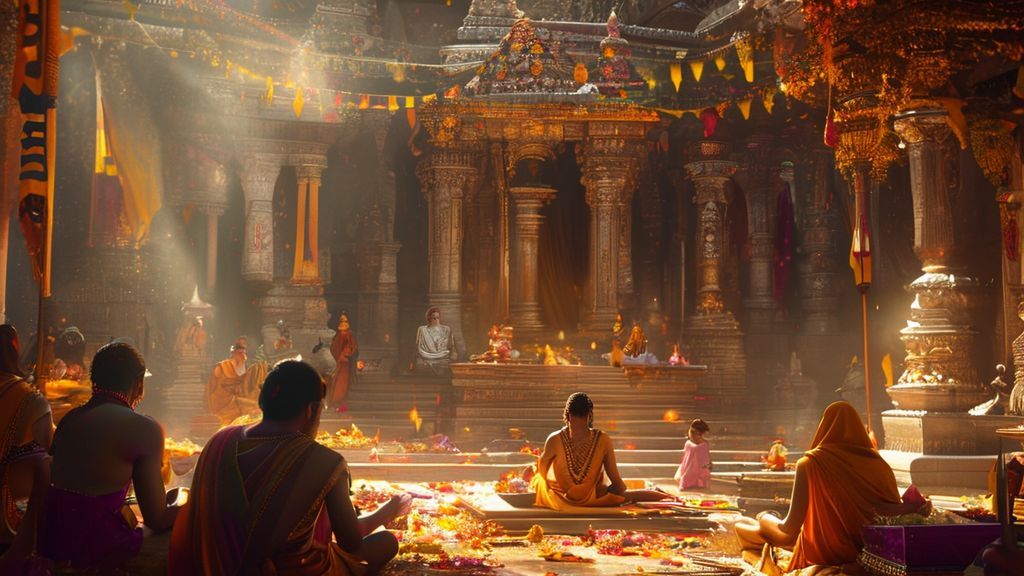
Monday Shiva Puja is a sacred devotional practice dedicated to Bhagwan Shiva, observed particularly on Somvar (Monday), a day intrinsically linked to the Moon (Chandra or Soma) and Bhagwan Shiva himself. Devotees undertake fasting, perform specific rituals, and offer prayers to invoke His blessings for inner peace, prosperity, health, and spiritual purification.
| Attribute | Details |
|---|---|
| Deity | Bhagwan Shiva (Mahadev, Maheshwara, Shankara, Neelakantha) |
| Key Day of Worship | Monday (Somvar), associated with Soma (Moon God) and Shiva |
| Primary Offerings | Bael Patra (Bilva leaves), water, milk, Vibhuti, Dhatura, Ganja, honey, Ganga Jal, flowers |
| Scripture Reference | Shiva Purana, Linga Purana, Skanda Purana, Vratarka |
| Associated Mantra | Om Namah Shivaya (ॐ नमः शिवाय), Mahamrityunjaya Mantra (ॐ त्र्यम्बकं यजामहे…) |
| Key Benefits | Fulfillment of desires, removal of obstacles, good health, marital bliss, spiritual growth, peace of mind |
Introduction: The Sanctity of Somvar and Shiva
The sacred day of Somvar, Monday, holds a profound and unique significance in Sanatan Dharma, particularly for the worship of Bhagwan Shiva, the Destroyer and Transformer within the Hindu Trinity. This day is traditionally dedicated to Him, offering a potent opportunity for devotees to connect with the Adi Yogi, the ultimate reality, and seek His divine grace. The practice of observing fasts (Vratas) and performing specific pujas on Monday is deeply rooted in our scriptures and has been passed down through generations, embodying devotion, discipline, and spiritual aspiration. It is believed that observing Somvar Vrata with sincerity can bestow immense benefits, from fulfilling worldly desires to attaining liberation.
The very name “Somvar” derives from Soma, another name for Chandra (the Moon God). Bhagwan Shiva is famously known as Chandrashekhara (one who bears the moon on his head), symbolizing His mastery over the mind and emotions, as the moon governs these aspects in Vedic astrology. Thus, worshipping Shiva on Monday helps pacify the mind, purify the emotions, and attain mental clarity and inner peace. This ancient practice is a cornerstone of devotion for millions worldwide, including those who visit Hindutva.online for spiritual guidance.
Puranic History & Legend: Shiva’s Compassion and Somvar
The association of Monday with Bhagwan Shiva is not merely coincidental but deeply etched in our Puranas and sacred narratives. One of the most prominent legends elucidating this connection is found in the Bhagavata Purana and the Shiva Purana, detailing the tale of Daksha Prajapati’s curse on Chandra (Soma). Daksha, displeased with Chandra’s partiality towards one of his daughters, Rohini, cursed him to wane away. As Chandra began to diminish, all vegetation and life on Earth suffered due to his cooling and nurturing influence.
Distraught, Chandra sought refuge and salvation from Bhagwan Shiva. Shiva, in His infinite compassion, took Chandra upon His forehead, alleviating the curse to a degree where Chandra would wax and wane cyclically, thus preserving his existence and influence. This act earned Shiva the epithet Chandrashekhara. Since Shiva saved Soma on a Monday, the day became consecrated to Him. Devotees believe that by worshipping Shiva on this day, they can overcome their own afflictions and karmic burdens, just as Soma was relieved of his curse.
Another significant narrative, particularly revered by women, is linked to Devi Parvati. Legend has it that Devi Parvati undertook severe penance and observed strict fasts on Mondays to attain Bhagwan Shiva as her husband. Her unwavering devotion and asceticism ultimately pleased Shiva, leading to their sacred union. This inspires countless devotees, especially unmarried women, to observe Somvar Vrata for a loving and ideal spouse, while married women observe it for marital bliss and the well-being of their families. The Vratarka, a compendium of fasts and observances, elaborates on the methodologies and benefits of this specific Monday Vrata.
The Cosmic Significance of Monday and Soma
Beyond the Puranic legends, the intrinsic connection between Monday (Somvar), Soma (the Moon), and Bhagwan Shiva extends into deeper Vedic and astrological understanding. In Vedic Cosmology, Soma is the presiding deity of the Manas (mind), emotions, and consciousness. The waxing and waning phases of the moon are seen to influence human emotions and mental states significantly. Just as the moon provides coolness and tranquility, Soma represents the nurturing, intuitive, and receptive aspects of our being.
Bhagwan Shiva, often depicted in a meditative state, represents the ultimate control over the mind, transcendence of emotions, and spiritual stillness. His adornment with the crescent moon on His head signifies His complete mastery over the volatile nature of the mind. By worshipping Shiva on Somvar, devotees are not merely performing a ritual; they are actively seeking to purify their own Manas, calm their emotional turbulences, and attain a state of serene introspection. This practice is believed to align the devotee’s inner being with the higher consciousness embodied by Shiva, fostering mental peace, clarity, and spiritual progress. It is a profound spiritual exercise in self-mastery, aligning one’s mental rhythms with the cosmic order, guided by the benevolent gaze of Chandrashekhara.
Rituals & Puja Vidhi for Monday Shiva Puja
Performing Monday Shiva Puja with sincerity and according to scriptural guidelines amplifies its benefits. The following steps outline a traditional method:
- Early Morning Ablutions and Sankalpa: Wake up during Brahma Muhurta (pre-dawn), take a purifying bath, and wear clean, traditional attire. Sit facing East or North. Hold water in your right palm and declare your Sankalpa (sacred vow) for the fast, stating your intention and desired outcome.
- Puja Preparations: Clean the puja area. Arrange a Shiva Lingam (or an image/idol of Shiva) on a clean cloth. Gather offerings: water, milk, curd, ghee, honey, sugar (Panchamrita), Bilva Patra (Bael leaves – 3 joined leaves are auspicious), Dhatura fruit/flower, Aak flower, sandal paste (Chandan), Vibhuti, incense (Dhoop), lamp (Deep), fresh flowers (especially white), fruits, and Naivedyam (sweet offerings like Kheer or Ladoo).
- Abhishekam (Sacred Bath): Begin by purifying the Shiva Lingam with clean water. Then, perform Panchamrita Abhishekam in sequence:
- Milk: For purity and long life.
- Curd: For prosperity and progeny.
- Ghee: For health and vitality.
- Honey: For sweet speech and wisdom.
- Sugar Water: For happiness and wealth.
After Panchamrita, continue Abhishekam with Ganga Jal (holy water), plain water, and then apply Vibhuti and Chandan paste.
- Offerings: Offer Bilva Patra, Dhatura, Aak flowers, and other fresh flowers to the Shiva Lingam. Light the lamp and incense. Offer fruits and Naivedyam.
- Mantra Chanting: Sit calmly and chant Shiva Mantras with devotion. The Panchakshari Mantra “Om Namah Shivaya” is paramount. You may also chant the Mahamrityunjaya Mantra.
- Aarti and Prayer: Conclude the puja by performing Aarti to Bhagwan Shiva, waving the lamp in a clockwise direction. Offer heartfelt prayers, express gratitude, and ask for blessings.
- Vrata Katha: If observing a fast, it is customary to read or listen to the Somvar Vrata Katha (story of Monday fast) during the day.
- Breaking the Fast: If observing a strict fast (Nirjala or Phalahar), break it after sunset, usually after concluding the evening Aarti. Consume sattvic food, typically without salt, grains, or spices, depending on the severity of the fast.
Mantras & Chants for Shiva Worship
Chanting mantras is a powerful way to connect with Bhagwan Shiva, purify the mind, and invoke His blessings. Here are essential mantras for Monday Shiva Puja:
- Panchakshari Mantra:
ॐ नमः शिवाय (Om Namah Shivaya)
Meaning: I bow to Shiva. This is the most fundamental and potent mantra for Shiva worship, embodying His five primary aspects. - Mahamrityunjaya Mantra:
ॐ त्र्यम्बकं यजामहे सुगन्धिं पुष्टिवर्धनम् |
उर्वारुकमिव बन्धनान् मृत्योर्मुक्षीय माऽमृतात् ||
(Om Tryambakam Yajamahe Sugandhim Pushtivardhanam |
Urvarukamiva Bandhanan Mrityor Mukshiya Maamritat ||)
Meaning: We worship the Three-eyed Lord Shiva, who is fragrant and nourishes all beings. May He liberate us from death for the sake of immortality, just as the cucumber is severed from its bondage to the creeper. - Shiva Gayatri Mantra:
ॐ तत्पुरुषाय विद्महे महादेवाय धीमहि तन्नो रुद्रः प्रचोदयात् ||
(Om Tatpurushaya Vidmahe Mahadevaya Dhimahi Tanno Rudrah Prachodayat ||)
Meaning: Om, let us meditate on the Great Being, the Supreme God. May Rudra (Shiva) illuminate our minds.
Dos and Don’ts During Monday Shiva Puja
Adhering to certain practices and avoiding others enhances the spiritual efficacy of the Somvar Vrata:
Dos:
- Maintain absolute cleanliness and purity throughout the day.
- Observe celibacy (Brahmacharya) on the day of the fast.
- Meditate on Bhagwan Shiva and chant His names constantly.
- Perform Abhishekam to the Shiva Lingam with devotion.
- Consume only sattvic food if observing a partial fast (e.g., fruits, milk, specific flours like Singhara or Kuttu).
- Visit a Shiva temple if possible, or perform puja at your home shrine.
- Offer Bilva Patra and pure water as these are Shiva’s favorites.
- Engage in selfless service (Seva) and charitable acts.
Don’ts:
- Do not consume non-vegetarian food, alcohol, or tobacco.
- Avoid garlic and onion, as they are considered rajasic/tamasic.
- Do not engage in negative thoughts, gossip, or arguments.
- Avoid sleeping during the day, especially if observing a strict fast.
- Do not offer turmeric (Haldi) to Shiva Lingam, as it is associated with Devi.
- Avoid wearing black clothes during the puja as they are considered inauspicious for Shiva worship.
Who Can Perform Monday Shiva Puja?
Anyone, irrespective of age, gender, or marital status, can perform Monday Shiva Puja. Devotion and sincerity are the only prerequisites. Unmarried individuals may fast for an ideal partner, married individuals for marital harmony and family well-being, and others for general prosperity, health, and spiritual liberation. Children and the elderly can observe a less strict fast, consuming fruits or milk.
What are the Specific Benefits of Monday Shiva Fast?
The Monday Shiva fast is believed to bestow numerous benefits: it grants wishes, removes obstacles, bestows good health, blesses with progeny, ensures marital bliss, and fosters mental peace. Spiritually, it purifies the mind, enhances devotion, and aids in conquering the ego, leading to inner transformation. The Shiva Purana details the specific boons received by devotees who observe this Vrata sincerely.
Can Women Perform this Puja During Menstruation?
Traditionally, women refrain from participating in active puja rituals during their menstrual cycle due to the emphasis on ritual purity in Sanatan Dharma. However, devotion is paramount. While physical touch of deities or offerings might be avoided, one can still observe the fast, chant mantras mentally, and meditate on Bhagwan Shiva from a distance. The underlying intention of devotion remains pure and unhindered. For more details on adapting practices, refer to sacred texts and your family priest or spiritual guide, as interpretations may vary across traditions and Hindutva.online offers various perspectives.
Dharmic Significance: Preserving Sanatan Dharma Through Somvar Vrata
The practice of observing Monday Shiva Puja and fasts is far more than a mere ritual; it is a vital pillar in the preservation and propagation of Sanatan Dharma. These observances instill discipline, foster unwavering devotion, and connect individuals directly to the timeless wisdom embedded in our scriptures. By dedicating a specific day to Bhagwan Shiva, devotees are reminded of the cosmic cycles of creation, preservation, and dissolution, and their own place within this grand divine play. It reinforces the importance of self-control, spiritual aspiration, and surrendering to the Supreme Being.
In an increasingly chaotic world, the Somvar Vrata offers a sanctuary of peace, a disciplined path to purify the mind and elevate the spirit. It transmits cultural values, legends, and devotional practices from one generation to the next, ensuring that the profound heritage of Shiva Bhakti remains vibrant and accessible. Through such practices, we not only seek personal blessings but actively participate in upholding the eternal Dharma, enriching our lives and contributing to the spiritual fabric of humanity.