


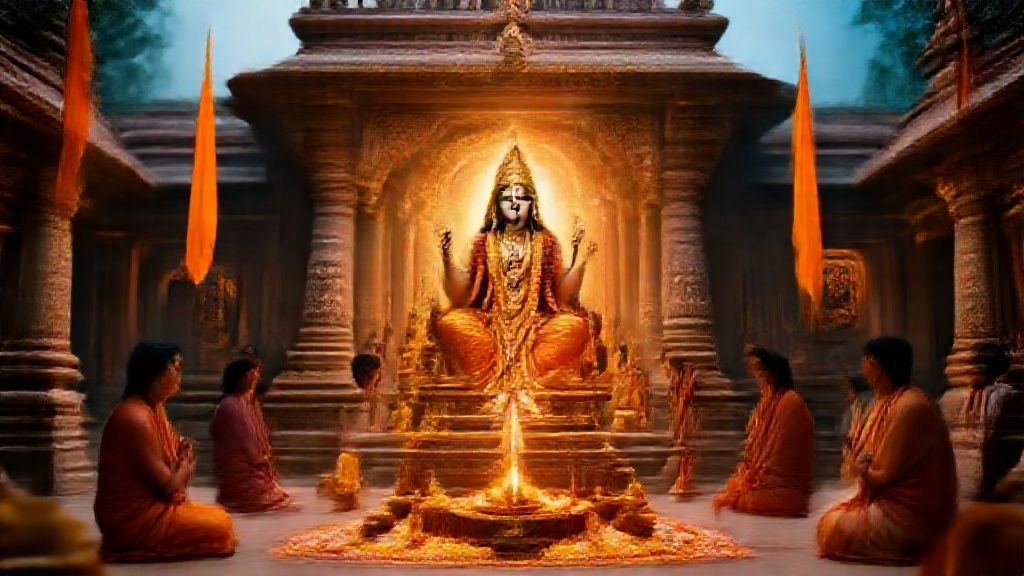
Remedies for Childlessness: Hindu Rituals offer profound spiritual avenues rooted in Sanatan Dharma, seeking divine intervention for progeny. These sacred practices, encompassing specific Vratas, Pujas, Mantras, and charitable acts, are meticulously prescribed in ancient scriptures like Puranas and Smritis to invoke blessings for a child, affirming the sanctity of family lineage.
| Attribute | Details |
|---|---|
| Deities Invoked | Lord Krishna (Bala Gopal, Santan Gopal), Lord Shiva, Devi Parvati, Shashthi Devi, Nag Devata. |
| Key Scriptures | Ramayana, Bhagavata Purana, Skanda Purana, Agni Purana, Dharma Shastras, Garbha Upanishad. |
| Primary Rituals | Santan Gopal Yagna, Putrakameshti Yagna, Gopal Sahasranama Path, Specific Vratas (Shashti Vrata, Nag Panchami). |
| Underlying Principles | Karma, Pitru Rina, Dharma, Divine Grace, Shabda Brahma, Yogic Energy Transformation. |
The Sacred Pursuit of Progeny in Sanatan Dharma
The desire for a child is a profound yearning embedded deep within the human psyche, recognized and sanctified within the folds of Sanatan Dharma. The birth of a child, particularly a son (Putra) or daughter (Putrika), is not merely a biological event but a crucial link in the spiritual continuum, fulfilling the sacred obligation known as Pitru Rina—the debt owed to ancestors. The Garbha Upanishad eloquently describes the intricate journey of the soul into a new body, emphasizing the divine orchestration of life.
In Hindu philosophy, progeny ensures the continuation of the family lineage (Vamsha), allowing ancestral rites (Shraddha) to be performed, thus guaranteeing spiritual succor to the departed souls. Childlessness, therefore, is often perceived as a profound challenge, not just socially but spiritually, leading sincere devotees to seek solace and solutions in the time-honored rituals and spiritual practices prescribed by our ancient Rishis. These remedies are not mere superstitions but carefully crafted spiritual technologies designed to align individual will with cosmic principles, invoking divine blessings for the gift of a child.
Puranic Narratives of Divine Blessings
Our Itihasas and Puranas are replete with inspiring accounts of childless couples who, through unwavering faith and rigorous adherence to prescribed rituals, were blessed with progeny. These stories serve as guiding lights, affirming the efficacy of Dharmic practices.
The most celebrated example is that of King Dasharatha of Ayodhya, as chronicled in the Valmiki Ramayana. Despite having three wives, Kausalya, Sumitra, and Kaikeyi, the king remained childless. Distraught, he consulted his Guru, Maharishi Vasishtha, who advised him to perform the sacred Putrakameshti Yagna. Under the guidance of Maharishi Rishyashringa, this elaborate fire ritual was performed with utmost devotion. From the sacrificial fire, a divine being emerged, offering a bowl of Payasam (sweet rice pudding), which, upon consumption by the queens, resulted in the birth of Lord Rama, Lakshmana, Bharata, and Shatrughna. This narrative underscores the profound power of Yagna when performed with sincere intent.
Another poignant tale from the Skanda Purana recounts the devotion of Chitrasena and his wife Manorama. Afflicted by childlessness, they undertook severe austerities and performed Pujas to Lord Shiva and Devi Parvati. Pleased by their devotion, the divine couple blessed them with a virtuous son. Similarly, the Bhagavata Purana glorifies the birth of Bala Gopal to Devaki and Vasudeva, though they were repeatedly denied their children by Kamsa, illustrating the power of divine intervention and destiny.
These stories reinforce the fundamental belief that while Karma plays a significant role, divine grace, invoked through sincere prayers and adherence to Dharma, can alter destinies and bestow blessings seemingly beyond human reach.
The Rigorous Architecture of Vedic Rituals & Their Energetic Science
Vedic rituals, far from being simplistic acts of worship, are meticulously structured spiritual architectures, each element precisely chosen for its energetic and symbolic significance. The “science” here lies in the understanding of Shabda Brahma (the cosmic sound), the power of specific vibrations, and the precise synergy of offerings.
A Yagna, for instance, is a complex ritual involving Agni (fire) as the divine messenger. The rhythmic chanting of Mantras, the specific composition of offerings (Homa dravyas like ghee, grains, herbs), and the precise geometric arrangement of the Yagna Kunda are all designed to generate a powerful energetic field. This field purifies the atmosphere, elevates the consciousness of the participants, and creates a conduit for prayers to reach the divine.
Each Mantra, when chanted correctly, produces a specific sonic vibration that resonates with particular cosmic energies and deities. The selection of herbs for offerings in a Putrakameshti Yagna, for example, is based on their intrinsic properties (guna) to promote fertility and well-being, as detailed in Ayurvedic texts and Agni Purana. The focused intent (Sankalpa) of the devotees, combined with the potent energies of the ritual, is believed to subtly influence the energetic and even physical environment, fostering conditions conducive to conception and healthy progeny.
Potent Rituals & Puja Vidhi for Progeny
For those seeking the blessing of a child, several potent Hindu rituals and observances are prescribed:
- Santan Gopal Yagna and Mantra Japa: This is arguably the most popular and widely performed ritual. It involves invoking Lord Krishna in His infant form, Bala Gopal, who is revered as the giver of children.
- Procedure: The Yagna is performed by qualified priests, offering oblations into the sacred fire while chanting the Santan Gopal Mantra:
ॐ देवकीसुत गोविन्द वासुदेव जगत्पते। देहि मे तनयं कृष्ण त्वामहं शरणं गतः॥
(Om Devaki Sut Govinda Vasudev Jagatpate, Dehi Me Tanayam Krishna Tvamaham Sharanam Gatah.)
“O Son of Devaki, Govinda, Vasudeva, Lord of the Universe, O Krishna, I surrender to You; please bless me with a child.” - Duration: It can be performed as a one-time Yagna or as a daily Japa for a specified number of repetitions (e.g., 108 times daily for 40 days, or 125,000 repetitions over a period).
- Procedure: The Yagna is performed by qualified priests, offering oblations into the sacred fire while chanting the Santan Gopal Mantra:
- Putrakameshti Yagna: While historically significant and powerful, as seen with King Dasharatha, this is a highly elaborate and complex Vedic Yagna, requiring expert Vedic scholars. It is typically performed for the birth of a son.
- Gopal Sahasranama Path: Regular recitation of the 1000 names of Lord Krishna, focusing on His aspects as a child and bestower of blessings, is considered highly efficacious. This can be done individually or with family.
- Vratas (Vows) and Observances:
- Shashti Vrata: Dedicated to Shashthi Devi, the goddess believed to protect children and bestow progeny. Observances typically involve fasting and specific Pujas on the sixth day after the new moon or on designated auspicious days.
- Nag Panchami Puja: Sometimes performed to alleviate Sarpa Dosha (curse of snakes), which some astrologers believe can lead to childlessness or infant mortality. Offering milk to snake deities and performing prescribed Pujas can mitigate this.
- Pradosh Vrata: Dedicated to Lord Shiva and Devi Parvati. Observing fast and performing Puja during the Pradosh Kala (twilight) on Trayodashi Tithis (thirteenth lunar day) is believed to bring blessings, including progeny.
- Charitable Acts (Dana) and Seva: Giving generously to Brahmins, feeding cows, donating to orphanages, and performing selfless service (Seva) are believed to accumulate positive Karma (Punya), which can manifest as divine blessings. Offering food and gifts to young children, especially on auspicious days, is also considered beneficial. For more insights on Dharmic living, visit Hindutva.online.
Sacred Mantras for Invoking Progeny
Mantras are not mere sounds but sacred formulas imbued with divine power. Consistent and devotional chanting can create powerful spiritual vibrations:
- Santan Gopal Mantra: (Recap) ॐ देवकीसुत गोविन्द वासुदेव जगत्पते। देहि मे तनयं कृष्ण त्वामहं शरणं गतः॥ (Om Devaki Sut Govinda Vasudev Jagatpate, Dehi Me Tanayam Krishna Tvamaham Sharanam Gatah.)
- Ganesha Mantra: For removing obstacles (Vighnaharta): ॐ गं गणपतये नमः। (Om Gam Ganapataye Namah.)
- Gayatri Mantra: A universal Vedic Mantra for wisdom and purification, believed to bring overall well-being and remove negative influences: ॐ भूर्भुवः स्वः तत्सवितुर्वरेण्यं भर्गो देवस्य धीमहि धियो यो नः प्रचोदयात्॥ (Om Bhur Bhuvah Svah, Tat Savitur Varenyam, Bhargo Devasya Dhimahi, Dhiyo Yo Nah Prachodayat.)
- Shakti Mantra (for Parvati): For marital harmony and progeny: हे गौरि शंकरार्धांगि यथा त्वं शंकरप्रिया। तथा मां कुरु कल्याणि कान्तकांतां सुदुर्लभाम्॥ (He Gauri Shankaraardhangi Yatha Tvam Shankara Priyaa | Tathaa Maam Kuru Kalyaani Kaantakaantaam Sudurlabhaam.) “O Gauri, You are half of Shankara, as you are dear to Shankara, bless me with a husband (or wife) as dear to me.” This mantra can be adapted for progeny by sincere prayer to Devi.
Dos and Don’ts for Devotees
Adherence to certain principles is crucial for the efficacy of these rituals.
Dos:
- Maintain absolute Shraddha (faith) and devotion in the divine power and the rituals.
- Observe strict Saucha (purity) in body, mind, and environment during the rituals.
- Follow the guidance of a qualified Guru or knowledgeable priest diligently.
- Practice Ahimsa (non-violence) and lead a virtuous, Dharmic life.
- Engage in regular Dana (charity) and Seva (selfless service).
- Cultivate Patience and perseverance; divine timing is often different from human expectations.
Don’ts:
- Do not harbor doubts or negative thoughts about the effectiveness of the rituals.
- Avoid engaging in unrighteous acts (Adharma) or impure conduct.
- Do not discontinue rituals prematurely due to impatience or despair.
- Do not view these rituals as magical fixes without genuine internal transformation and devotion.
- Avoid criticizing or belittling the faith of others.
Frequently Asked Questions
How long should one perform these rituals?
The duration varies depending on the specific ritual and the guidance of your spiritual mentor. Some Vratas are annual, while Japa or Yagnas may be prescribed for 40 days, 90 days, or until the desired outcome is achieved. Consistency and unwavering faith over time are more crucial than short, intense bursts.
Are these rituals guaranteed to work?
Hindu rituals are avenues to invoke divine grace and align with cosmic will. While they are performed with the intent of progeny, the ultimate outcome rests with divine providence and accumulated Karma. They are intended to create the most favorable conditions spiritually and energetically, but not to guarantee a specific material outcome against all karmic forces.
What is the role of Karma in childlessness?
Karma, the law of cause and effect, plays a significant role in every aspect of life, including childlessness. Past actions (Prarabdha Karma) can influence present circumstances. These rituals are believed to mitigate negative karmic influences, generate positive Karma (Punya), and seek divine intervention to overcome karmic hurdles.
Can child adoption be considered a Dharmic solution?
Absolutely. Adoption is a highly meritorious act (Maha Dana) in Sanatan Dharma. It fulfills the sacred duty of parenting, provides a loving home to a child, and allows the adoptive parents to perform ancestral rites through the adopted child, thereby clearing Pitru Rina. It is a profoundly compassionate and Dharmic path, fully supported by our scriptures and revered traditions. You can find more discussions on such topics at Hindutva.online.
Preserving Sanatan Dharma through Family Lineage
The pursuit of progeny through Dharmic rituals is not just a personal quest but a vital act for the preservation of Sanatan Dharma itself. The family unit, or Kula, is the foundational building block of Hindu society and tradition. Children carry forward the torch of Dharma, learning values, performing rituals, and ensuring the continuity of ancestral worship, cultural knowledge, and spiritual heritage. By earnestly seeking and receiving the blessing of a child, devotees contribute to the unbroken chain of Sanatan Dharma, ensuring that its eternal wisdom flourishes through future generations. It is an affirmation of faith, a testament to resilience, and a profound act of aligning one’s life with the cosmic rhythm of creation and continuation.