


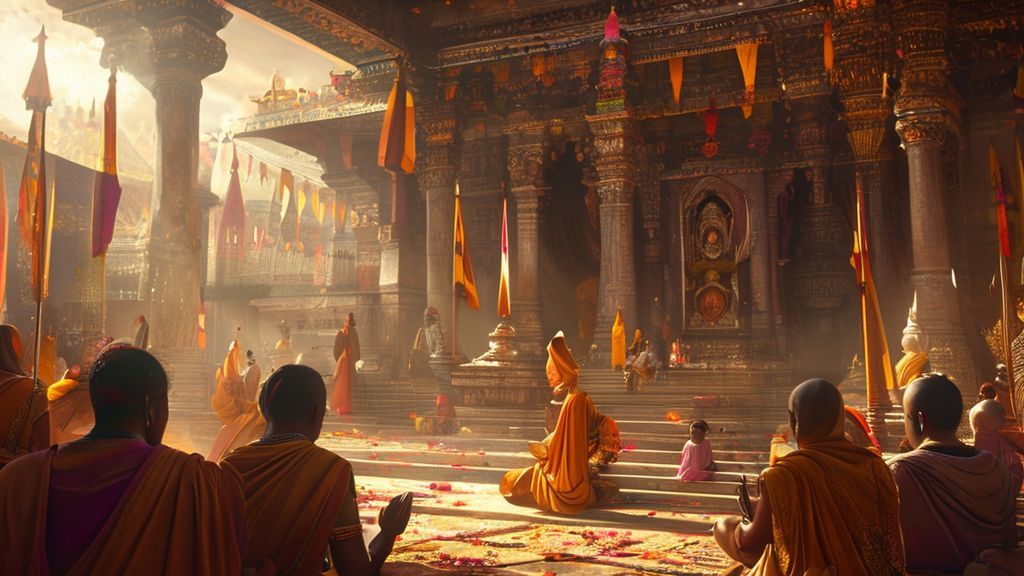
Social anxiety, viewed through the lens of Sanatan Dharma, is a *manasika vyadhi* (mental affliction) often stemming from *ahankara* (ego) and *moha* (delusion). Hindu community remedies offer holistic approaches rooted in ancient wisdom, emphasizing internal peace, spiritual growth, and communal support as pathways to transcend fear, isolation, and self-consciousness, guiding the individual towards inner freedom and authentic connection.
| Attribute | Details |
|---|---|
| Core Concept | Social anxiety as *Manasika Vyadhi*, rooted in *Moha* and *Ahankara* |
| Foundational Texts | Bhagavad Gita, Yoga Sutras of Patanjali, Upanishads |
| Key Practices | Satsang, Seva, Bhakti Yoga, Raja Yoga (meditation, pranayama) |
| Associated Deities | Devi Saraswati (clarity), Lord Ganesha (obstacle remover), Lord Hanuman (courage, self-confidence) |
Embracing Wholeness: Sanatan Dharma’s Approach to Inner Harmony
In our pursuit of a meaningful existence, Sanatan Dharma illuminates a path where the well-being of the individual is inextricably linked to the harmony of the community and the cosmos. Social anxiety, though often perceived as a modern affliction, is a manifestation of inner disquiet that our ancient sages understood deeply. It is a state where the individual’s true Self, the *Atman*, becomes obscured by the projections and fears of the *manas* (mind) and *buddhi* (intellect). Rather than merely symptomatically treating the fear of social interaction, Hindu remedies aim at the root cause: purifying the mind, strengthening the intellect, and reconnecting with the divine within. This holistic approach ensures not just temporary relief but a profound transformation towards lasting inner peace and confident engagement with the world.
Stories of Transformation: Overcoming Despondency in Our Itihasas
The epic Mahabharata, a profound guide to human experience, offers a powerful parallel to the struggle with social anxiety through the narrative of Arjuna’s despondency, known as *Vishada Yoga*. As detailed in the Bhagavad Gita (Chapter 1), Arjuna, overwhelmed by the prospect of fighting his own kinsmen, withdraws into a state of deep sorrow, confusion, and paralysis. His fear of judgment, the perceived futility of action, and the overwhelming sense of responsibility mirror many aspects of social apprehension. Lord Krishna, his charioteer and divine mentor, does not dismiss Arjuna’s feelings but meticulously guides him through a philosophical discourse encompassing Karma Yoga, Jnana Yoga, and Bhakti Yoga. Krishna’s counsel to Arjuna to transcend his attachments, fulfill his *dharma*, and understand the impermanence of the material world, liberates Arjuna from his mental paralysis. This legendary dialogue teaches us that profound inner turmoil can be overcome through wisdom, unwavering faith, and understanding one’s true purpose, leading to courageous action despite external circumstances.
The Structural Wisdom of Hindu Communities: A Scientific and Spiritual Marvel
The design of Hindu communities, temples, and ashrams is inherently therapeutic, functioning as a sophisticated system to foster connection and mitigate isolation, which are primary antidotes to social anxiety. Unlike isolated therapy sessions, these community structures provide a continuous, supportive environment. The very architecture of a temple, often central to a community, invites gathering (*satsang*), collective prayer, and selfless service (*seva*). These spaces are designed to facilitate interaction within a sacred context, reducing the pressure associated with secular social settings. The shared vibration of devotional chanting (*kirtan*), the synchronized movements of *pranayama*, and the communal silence of meditation sessions have scientifically proven effects on regulating the nervous system, reducing cortisol levels, and increasing feelings of well-being and belonging. The regular rhythm of festivals and observances provides structured opportunities for participation, allowing individuals to gradually ease into social engagement within a nurturing framework. This ingenious system understands the human need for both spiritual introspection and communal bonding, designing environments where both can flourish organically, serving as a vital resource for overcoming internal and external struggles. Further insights into the community’s role can be found on Hindutva.online.
Rituals & Puja Vidhi for Inner Fortification
While social anxiety is an internal state, dedicated spiritual practices and communal engagement act as potent remedies. The following steps outline a holistic approach:
- Daily Sadhana (Personal Practice):
- Mantra Japa: Regular chanting of chosen mantras (e.g., Gayatri Mantra, Maha Mrityunjaya Mantra) helps calm the mind and focus internal energy.
- Meditation (Dhyana): Sitting quietly, focusing on the breath, or observing thoughts without judgment helps in developing inner stillness and awareness.
- Pranayama: Breathing exercises like Anulom Vilom (alternate nostril breathing) or Kapalabhati purify the energy channels (*nadis*) and bring stability to the mind.
- Satsang (Association with Truth):
- Actively seek and participate in gatherings of devotees, spiritual discourses, or bhajans. The collective positive energy and shared spiritual purpose naturally dissolve feelings of isolation and fear.
- Engage in discussions about scriptures and dharma, allowing the intellect to be guided by wisdom rather than apprehension.
- Seva (Selfless Service):
- Volunteer at a temple, ashram, or community event. Focusing on serving others shifts attention away from self-consciousness and fosters a sense of purpose and belonging.
- Simple acts of kindness, without expectation of reward, build inner confidence and connection.
- Swadhyaya (Self-Study and Scriptural Reading):
- Devote time to reading and reflecting on scriptures like the Bhagavad Gita, Upanishads, or inspirational lives of saints. This provides wisdom, perspective, and understanding of the nature of the mind and reality.
- Temple Visits & Darshan:
- Regular visits to a temple for *darshan* (seeing the deity) provide a sacred space for quiet reflection, prayer, and a sense of connection to the divine energy.
Mantras for Courage and Clarity
Chanting mantras is a profound way to purify the mind, invoke divine grace, and build inner strength, directly countering the effects of social anxiety.
- Maha Mrityunjaya Mantra (महामृत्युञ्जय मन्त्र):
ॐ त्र्यम्बकं यजामहे सुगन्धिं पुष्टिवर्धनम्।
उर्वारुकमिव बन्धनान् मृत्योर्मुक्षीय मामृतात्॥
This potent mantra for Lord Shiva is chanted for protection, health, well-being, and liberation from fear, including the fear of social situations and judgment. - Gayatri Mantra (गायत्री मन्त्र):
ॐ भूर्भुवः स्वः तत् सवितुर्वरेण्यं भर्गो देवस्य धीमहि धियो यो नः प्रचोदयात्॥
A universal prayer for spiritual wisdom, illumination, and mental clarity, it helps dispel the clouds of doubt and anxiety that obscure true understanding. - Ganesha Mantra (गणेश मन्त्र):
ॐ गं गणपतये नमः॥
Lord Ganesha is the remover of obstacles. Chanting this mantra before any new social interaction or public speaking event can invoke His blessings to clear anxieties and promote smooth communication. - Hanuman Mantra (हनुमान मन्त्र):
ॐ हनुमते नमः॥
Lord Hanuman embodies immense courage, strength, and self-confidence. Chanting His name can infuse the devotee with these qualities, helping to overcome timidity and fear. - Saraswati Mantra (सरस्वती मन्त्र):
ॐ ऐं सरस्वत्यै नमः॥
Devi Saraswati is the goddess of knowledge, speech, and the arts. Chanting this mantra can enhance clarity of thought and articulate expression, reducing anxiety related to communication.
Cultural Etiquette: Dos and Don’ts for Holistic Well-being
Engaging with Hindu community remedies involves cultivating certain virtues and avoiding detrimental habits:
- Do:
- Cultivate Shraddha (Faith): Approach practices with sincere belief in their efficacy and the wisdom of the tradition.
- Seek Satsang: Actively participate in spiritual gatherings and seek guidance from respected elders or spiritual teachers.
- Practice Ahimsa (Non-violence): Extend kindness and compassion to oneself and others, fostering a gentle internal and external environment.
- Engage in Seva: Offer selfless service; it shifts focus from self to others, building connection and purpose.
- Maintain Swadhyaya: Regularly study scriptures and introspect on one’s own thoughts and actions.
- Don’t:
- Isolate Yourself: While introspection is good, chronic isolation exacerbates anxiety; actively seek out communal activities.
- Succumb to Pramada (Negligence): Do not neglect daily sadhana or communal duties out of laziness or indifference.
- Engage in Ninda (Criticism/Gossip): Avoid negative speech or thoughts about others, as it pollutes the mind and fosters an unhealthy social atmosphere.
- Lose Viveka (Discrimination): Do not blindly follow without understanding; use your intellect to discern beneficial practices from harmful ones.
- Attach to Outcomes: Perform actions with sincerity, but detach from the specific results, as prescribed in Karma Yoga.
How does Sanatan Dharma view mental health?
Sanatan Dharma views mental health as an integral part of holistic well-being, encompassing physical, mental, and spiritual harmony. Mental afflictions (*manasika vyadhi*) are understood as imbalances arising from *gunas* (qualities of nature), past *karma*, and an obscured understanding of the true Self (*Atman*). The goal is to purify the mind, cultivate *sattva* (purity), and transcend egoistic identification.
Can these remedies replace professional help?
Hindu community remedies are powerful tools for spiritual growth, stress reduction, and fostering connection. However, they are complementary to, and not a replacement for, professional medical or psychological treatment for severe social anxiety or other mental health conditions. A holistic approach often involves integrating spiritual practices with appropriate professional care.
What is the role of Satsang in overcoming social anxiety?
Satsang, or association with truth and like-minded spiritual individuals, provides a supportive and non-judgmental environment. It offers a sense of belonging, reduces feelings of isolation, and allows individuals to engage in spiritual practices collectively, thereby building confidence and courage. The positive energy and shared purpose naturally ease social apprehension.
Preserving Sanatan Dharma: A Call to Inner Strength
The wisdom embedded in Sanatan Dharma offers a timeless blueprint for navigating the complexities of human existence, including the challenge of social anxiety. By embracing *sadhana*, engaging in *satsang*, practicing *seva*, and seeking scriptural knowledge, we not only heal ourselves but also contribute to the spiritual vibrancy of our communities. This holistic approach reinforces the principles of *dharma*, strengthens individual resilience, and ensures the continuity of our sacred traditions. It is a powerful reminder that true freedom comes from within, empowering every Hindu to live a life of purpose, courage, and authentic connection, thereby safeguarding the profound legacy detailed on Hindutva.online for future generations.