

Nestled in the serene village of Thirupampuram in Tamil Nadu’s Thiruvarur district, approximately 28 kilometers from Kumbakonam, stands one of India’s most powerful temples for Naga Dosha and Rahu-Ketu remedies – the ancient Sri Pampuranathar Temple. This 3000-year-old sacred shrine, where Lord Shiva manifested as Pampuranathar and Goddess Parvati graces as Vandarkuzhali, holds the extraordinary distinction of being the only temple where Rahu and Ketu are worshipped together in a single form.
My first encounter with this mystical temple occurred seven years ago when I was grappling with persistent obstacles in my career and personal life that astrologers attributed to severe Kala Sarpa Dosha. A Tamil friend, whose family had been devotees of Pampuranathar for generations, insisted I visit during the auspicious Maha Shivaratri. That transformative pilgrimage changed my life completely – the profound spiritual energy of the temple, combined with the ancient Rahu-Ketu parihara rituals, not only alleviated my astrological afflictions but also opened new pathways of prosperity and peace that continue to bless me today.

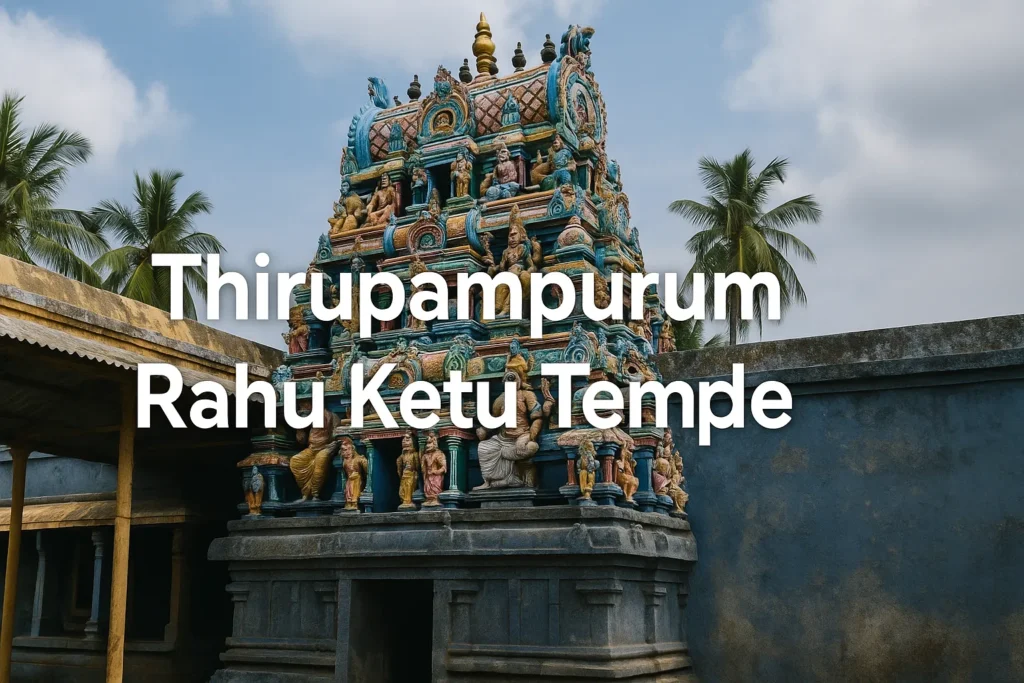
Over the years, I’ve returned to Thirupampuram numerous times, participated in elaborate homas, witnessed miraculous healings, and developed a deep understanding of this temple’s unique spiritual significance. Through this comprehensive guide, I share the profound wisdom and practical insights I’ve gathered about this extraordinary sacred site, hoping to assist fellow seekers in experiencing the divine grace of Pampuranathar.
Historical Significance and Divine Manifestation
The Ancient Origins
Thirupampuram Temple stands as the 59th Tevara Sthalam among the 275 sacred Shiva temples glorified in the ancient Tamil Tevaram hymns by the revered Saivite saints Tirugnanasambandar, Appar, and Sundarar. The temple’s history spans over three millennia, making it one of the oldest continuously functioning temples dedicated to serpent worship and Rahu-Ketu remedies.
The very name “Thirupampuram” derives from the Tamil word “Pambu” meaning serpent, indicating the temple’s profound connection with the Naga realm. The village is also known by its ancient names “Seshapuri” and “Urakapuram”, reflecting its association with Adisesha, the celestial serpent king who serves as Lord Vishnu’s couch.
The Divine Curse and Redemption
The temple’s origin is rooted in a powerful mythological narrative that explains the spiritual significance of serpent worship. According to sacred texts, when Lord Ganesha was offering prayers to Lord Shiva at Mount Kailash, the serpent Vasuki, who adorns Shiva’s neck, mistakenly believed that Ganesha’s worship was directed toward him as well. This act of pride and misunderstanding enraged Lord Shiva, who cursed the entire Naga race, including Adisesha, Rahu, Ketu, Takshaka, Karkotaka, and other serpent kings, causing them to lose their divine powers.
The Path to Redemption
Realizing their grave error, the serpent kings, led by Adisesha, sought Lord Shiva’s forgiveness and redemption. The compassionate Lord prescribed a specific remedy: the serpents must worship him at four sacred locations on the holy night of Maha Shivaratri in a prescribed sequence:
- Morning (First Yama): Kumbakonam Nageshwarar Temple
- Noon (Second Yama): Thirunageswaram Naganathar Temple
- Evening (Third Yama): Thirupampuram Pampuranathar Temple
- Night (Fourth Yama): Nagore Naganathar Temple
Following this divine prescription, Adisesha and the serpent kings regained their spiritual powers, establishing Thirupampuram as the third sacred station in this powerful remedial circuit.
Temple Timings and Darshan Schedule
Daily Operating Hours
The temple follows traditional Tamil temple timings with specific windows for different types of worship:
Regular Darshan Timings:
- Morning: 7:00 AM – 12:30 PM
- Evening: 4:00 PM – 8:00 PM
Special Rahu-Ketu Pooja Timings: Rahu-Ketu poojas are performed specifically during Rahu Kalam (inauspicious time period according to Vedic astrology):
- Monday: 7:30 AM – 9:00 AM
- Tuesday: 3:00 PM – 4:30 PM
- Wednesday: 12:00 PM – 1:30 PM
- Thursday: 1:30 PM – 3:00 PM
- Friday: 10:30 AM – 12:00 PM
- Saturday: 9:00 AM – 10:30 AM
- Sunday: 4:30 PM – 6:00 PM
Extended Festival Timings
During major festivals, particularly Rahu-Ketu Peyarchi (planetary transitions) and Maha Shivaratri, the temple extends its operating hours to accommodate the increased devotee influx.
From my extensive visits, I’ve found that arriving for the morning darshan provides the most peaceful and spiritually conducive atmosphere. The temple’s energy is particularly potent during early hours when the priests perform the elaborate morning abhishekams to Lord Pampuranathar.
Sacred Rituals and Specialized Poojas
Rahu-Ketu Parihara Pooja
The temple’s most significant offering is the comprehensive Rahu-Ketu Parihara Pooja, a powerful Vedic ritual specifically designed to neutralize malefic planetary influences:
Pooja Duration: 2-4 hours (depending on the complexity) Cost: Rs. 3,500 – Rs. 8,000 (varies based on ritual elaborateness) Advance Booking: Highly recommended, especially during auspicious periods
Pooja Procedure:
- Purification Bath: Devotees must take a sacred bath before the ritual
- Traditional Attire: Men wear dhoti with angavastram; women wear saree
- Sankalpa: Declaration of intent and personal details to the presiding priest
- Ganapati Puja: Invocation of Lord Ganesha for obstacle removal
- Navagraha Invocation: Prayers to all nine planetary deities
- Specialized Rahu-Ketu Mantras: Chanting of specific Vedic hymns
- Abhishekam: Sacred bathing of the deity with milk, honey, and holy water
- Homa (Fire Ritual): Offerings in sacred fire to amplify the ritual’s potency
- Pradakshina: Three circumambulations around the sanctum
- Prasadam Distribution: Receipt of blessed offerings
Special Homa Ceremonies
Sarpa Dosha Nivaran Homa:
- Duration: 3-4 hours
- Cost: Rs. 5,000 – Rs. 10,000
- Best Performed: During Naga Panchami, Ashlesha Nakshatra days
Kala Sarpa Dosha Homa:
- Duration: 2-3 hours
- Cost: Rs. 6,000 – Rs. 12,000
- Optimal Timing: During solar/lunar eclipses, Amavasya days
Daily Worship Services
Suprabhata Seva (5:30 AM – 6:30 AM): The day begins with the sacred awakening of Lord Pampuranathar through melodious Tevaram hymns and traditional prayers.
Abhishekam (Multiple Times Daily): Sacred bathing ceremonies using various substances including milk, curd, honey, coconut water, and holy river water.
Archana Services:
- Sahasranama Archana: Chanting 1000 names of Lord Shiva (Rs. 100-500)
- Laghugraha Archana: Quick planetary remedy prayers (Rs. 50-100)
- Ashtothara Archana: 108 name chanting (Rs. 25-50)
Festivals and Celebrations
Maha Shivaratri – The Grand Celebration
The temple’s most significant festival is Maha Shivaratri, when thousands of devotees participate in the ancient tradition established by Adisesha. The celebration involves:
Night-Long Vigil: Continuous worship from sunset to sunrise Abhishekam Every 3 Hours: Sacred bathing rituals throughout the night Special Naga Puja: Elaborate serpent worship ceremonies Cultural Programs: Classical music and dance performances Free Annadanam: Community feasting for all devotees
During my participation in the 2018 Maha Shivaratri celebrations, I witnessed over 10,000 devotees maintaining vigil throughout the night, creating an atmosphere of unprecedented spiritual intensity.
Rahu-Ketu Peyarchi Festival
Celebrated when Rahu and Ketu transition to new zodiacal positions (approximately every 18 months):
- Duration: 3-7 days depending on astrological significance
- Special Rituals: Elaborate planetary transition ceremonies
- Community Participation: Mass homas and group prayers
- Astrological Consultations: Free guidance from temple scholars
Naga Panchami
Dedicated to serpent worship, this festival features:
- Snake Deity Decorations: Elaborate ornamentation of Naga idols
- Milk Abhishekam: Continuous milk bathing of serpent deities
- Herbal Medicine Distribution: Traditional snake bite remedies
- Educational Programs: Awareness about serpent conservation
Monthly Observances
Amavasya (New Moon): Enhanced Kala Sarpa Dosha remedies Pournami (Full Moon): Special lunar energy channeling rituals Pradosha Days: Bi-monthly Shiva worship intensification Ashlesha Nakshatra: Monthly serpent constellation celebrations
Unique Temple Features and Miracles
The Living Temple Phenomenon
Thirupampuram Temple is renowned for a remarkable phenomenon that sets it apart from other sacred sites – the regular presence of live serpents within the temple complex. Unlike typical human fear of snakes, devotees here consider serpent sightings as divine blessings:
Miraculous Snake Presence:
- Serpents are regularly sighted within the temple, particularly on Sundays, Tuesdays, and Fridays
- No recorded snake bite fatalities in the temple’s 3000-year history
- Snakes are observed shedding their skin near the main deity as natural offerings
- Jasmine and sandalwood fragrance mysteriously appears when serpents are present
The Sacred Skin Offering
On May 26, 2002, temple priests discovered a freshly shed snake skin perfectly arranged around the Shiva Lingam like a divine garland. This miraculous offering is still preserved in the temple’s sanctum sanctorum, attracting thousands of devotees who consider it a manifestation of Adisesha’s continued worship.
Architectural Marvels
Three-Tiered Rajagopuram: The temple’s eastern-facing tower represents the cosmic hierarchy Adisesha Theertham: Sacred tank constructed by Adisesha during his penance Separate Rahu-Ketu Shrine: Unique sanctum where both shadow planets are worshipped together Vanni Tree: Sacred tree where childless couples tie prayer threads Intricate Sculptures: Detailed carvings depicting various serpent kings and Naga legends
How to Reach Thirupampuram Temple
Location Details
Address: Arulmigu Pampureswarar Temple, Thirupampuram, Surakkayur Post, Kudavasal Circle, Thiruvarur District, Tamil Nadu – 612203
Geographic Coordinates: The temple is situated on the southern banks of the Cauvery River, in the heart of the fertile Thanjavur delta region.
Transportation Options
By Air:
- Nearest Airport: Tiruchirappalli International Airport (85 km away)
- Major Airport: Chennai International Airport (280 km away)
- Regular flights connect to major Indian and international cities
By Train:
- Nearest Railway Station: Mayiladuthurai (22 km away)
- Major Junction: Kumbakonam (28 km away)
- Direct Train Access: Thiruvarur (32 km away)
- Well-connected via the Indian Railways network
By Road:
- From Kumbakonam: Take Kumbakonam-Karaikal highway, turn at Kollumangudi/Peralam
- From Mayiladuthurai: Follow Mayiladuthurai-Thiruvarur road via Peralam
- From Chennai: Via NH32 through Chidambaram-Mayiladuthurai route
Local Transportation:
- Bus Services: Regular TNSTC buses from major towns
- Auto-rickshaws: Available from Kollumangudi and Peralam
- Private Vehicles: Well-maintained roads with adequate parking
Step-by-Step Travel Guide
From Kumbakonam (Most Common Route):
- Board Kumbakonam-Karaikal bus
- Alight at Kollumangudi junction (25 km, 45 minutes)
- Take local auto or minibus to Thirupampuram (3 km, 10 minutes)
From Mayiladuthurai:
- Take Mayiladuthurai-Thiruvarur road
- Stop at Peralam junction (22 km, 35 minutes)
- Local transport to temple (7 km, 15 minutes)
Accommodation and Facilities
Temple-Managed Accommodation
Temple Guest House:
- Rooms Available: 15-20 basic rooms
- Booking: On arrival basis, advance booking during festivals
- Tariff: Rs. 100-300 per day
- Facilities: Basic bedding, shared bathrooms, prayer hall access
Dharamshala:
- Capacity: 50-100 pilgrims
- Cost: Rs. 50-100 per person
- Amenities: Common sleeping area, basic wash facilities
Nearby Accommodation Options
In Kumbakonam (28 km away):
Budget Hotels:
- Hotel Raya’s (Rs. 800-1,500 per night)
- Hotel Paradise (Rs. 1,200-2,000)
- Sri Venkatesa Lodge (Rs. 600-1,000)
Mid-Range Options:
- Indeco Hotels Swamimalai (Rs. 3,000-5,000)
- Green Park Kumbakonam (Rs. 2,500-4,000)
Luxury Resorts:
- The Windsor Palace (Rs. 8,000-15,000)
- Heritage Madurai (Rs. 6,000-10,000)
In Mayiladuthurai (22 km away):
- Hotel Pushpak (Rs. 1,000-2,500)
- Green Palace Hotel (Rs. 800-1,800)
- Local guest houses (Rs. 500-1,200)
Practical Accommodation Tips
Based on my multiple visits, I recommend:
- Book accommodation in advance during Maha Shivaratri and eclipse periods
- Temple guest house offers the most authentic spiritual experience
- Kumbakonam hotels provide better amenities but require daily commuting
- Carry basic amenities as temple accommodation is simple but clean
Astrological Significance and Benefits
Rahu-Ketu Dosha Understanding
Kala Sarpa Dosha: When all planets are positioned between Rahu and Ketu in a horoscope Naga Dosha: Serpent-related karmic afflictions affecting life aspects Sarpa Dosha: Ancestral curses related to harming serpents
Temple’s Remedial Powers
Marriage Obstacles: Devotees report successful marriages within 6 months of temple visit Career Advancement: Professional growth and business prosperity Fertility Issues: Childless couples blessed with offspring Health Problems: Chronic ailments and mysterious illnesses resolved Financial Difficulties: Debt relief and wealth accumulation Spiritual Growth: Enhanced meditation and divine connection
Astrological Consultation Services
Temple Astrologers: Available for personal horoscope analysis Remedy Prescriptions: Customized ritualistic solutions Gemstone Recommendations: Authentic planetary gem suggestions Yantra Energization: Sacred geometry tools for planetary harmony
Spiritual Practices and Personal Experiences
Recommended Spiritual Disciplines
Pre-Visit Preparation:
- Fasting: 24-48 hours before temple visit enhances receptivity
- Mantra Chanting: “Om Namah Shivaya” and Rahu-Ketu specific mantras
- Vegetarian Diet: Minimum 7 days of sattvic food consumption
- Celibacy: Brahmacharya observance for enhanced spiritual benefit
During Temple Stay:
- Early Morning Meditation: Participate in 5:30 AM prayers
- Sacred Bath: Use temple tank water for purification
- Silent Contemplation: Spend time in main sanctum during non-pooja hours
- Seva Participation: Assist in temple cleaning and maintenance
Personal Transformation Chronicles
Case Study 1 – Marriage Success: A 32-year-old software engineer from Bangalore, struggling with marriage proposals for 8 years due to severe Mangal Dosha, visited the temple during Ashlesha Nakshatra in 2019. After performing the complete Rahu-Ketu parihara pooja and visiting monthly for six months, she got engaged to a compatible partner and married within the year.
Case Study 2 – Business Recovery: A textile business owner from Coimbatore, facing bankruptcy due to continuous losses attributed to Kala Sarpa Dosha, performed elaborate Sarpa Dosha Nivaran Homa in 2020. Within 18 months, his business not only recovered but expanded to three new cities.
Case Study 3 – Health Healing: A chronic asthma patient from Kerala, whose condition worsened despite medical treatment, visited the temple after astrologers identified Naga Dosha. After three consecutive annual visits and regular Naga Puja performances, her condition improved dramatically, and she now leads a normal life.
Cultural Heritage and Literary Significance
Tevaram Literature Connection
The temple finds profound mention in Tevaram, the sacred Tamil Shaivite hymns composed by the 7th-century saint Tirugnanasambandar. His 122nd song specifically glorifies Thirupampuram, describing the divine grace of Pampuranathar and the miraculous serpent phenomena.
Famous Tevaram Verse Translation: “In Thirupampuram where serpents worship with devotion, Where Adisesha performs eternal penance, Where the curse of pride finds divine redemption, There dwells the compassionate Pampuranathar.”
Tamil Cultural Integration
Literary References: The temple appears in numerous classical Tamil texts Folk Traditions: Local legends and stories passed through generations Art Forms: Traditional Bharatanatyam performances depicting Naga stories Music: Carnatic compositions dedicated to Pampuranathar
Modern Cultural Impact
The temple continues to influence contemporary Tamil culture through:
- Film References: Tamil cinema often depicts the temple’s miraculous aspects
- Literature: Modern Tamil poets draw inspiration from temple legends
- Academic Studies: Research on ancient Tamil temple architecture and astronomy
- Tourism: Cultural heritage tours include the temple as a significant stop
Conservation and Environmental Aspects
Serpent Conservation Efforts
The temple actively promotes serpent conservation through:
Educational Programs: Awareness about snake ecology and importance Rescue Operations: Coordination with wildlife authorities for snake relocation Habitat Preservation: Maintaining temple groves as serpent sanctuaries Traditional Medicine: Preserving ancient knowledge of snake bite treatments
Sustainable Temple Practices
Eco-Friendly Rituals: Use of biodegradable materials in ceremonies Water Conservation: Rainwater harvesting for temple tank maintenance Organic Farming: Temple lands cultivate chemical-free crops Waste Management: Proper disposal and recycling of pooja materials
Community Environmental Projects
Tree Plantation: Annual drives during festivals River Cleaning: Cauvery River conservation initiatives Renewable Energy: Solar panels for temple lighting Biodiversity Protection: Preserving native flora and fauna
Modern Facilities and Digital Integration
Technology Adoption
Online Pooja Booking: Digital platforms for advance ritual booking Live Streaming: Festival broadcasts for global devotees Mobile Apps: Temple information and pooja scheduling Digital Payments: Contactless offering systems
Devotee Services
Information Center: Multilingual assistance for pilgrims Medical Facility: Basic healthcare for temple visitors Parking: Organized vehicle parking with security Prasadam Counter: Standardized blessed food distribution
Contact Information
Temple Office: +91-435-2469555 Mobile Numbers: +91-9443943665, +91-9443047302, +91-9486279221 Email: Available through temple administration Website: Various online portals provide updated information
Practical Tips for Devotees
Best Time to Visit
Astrologically Auspicious:
- Ashlesha Nakshatra Days: Monthly serpent constellation
- Amavasya (New Moon): Enhanced Kala Sarpa Dosha remedies
- Solar/Lunar Eclipses: Maximum planetary influence mitigation
- Rahu-Ketu Transit Periods: Planetary position changes
Weather Considerations:
- October to March: Pleasant temperature for extended temple stay
- April to June: Very hot, early morning visits recommended
- July to September: Monsoon season, fewer crowds but travel challenges
What to Bring
Essential Items:
- Traditional white or yellow clothing
- Sacred ash (vibhuti) and kumkum
- Coconuts, bananas, and flowers for offering
- Personal horoscope copy for priest consultation
- Sufficient cash for poojas and offerings
Recommended Preparations:
- Learn basic Tamil phrases for better temple interaction
- Understand your specific astrological afflictions before visit
- Carry contact details of temple priests for guidance
- Prepare mentally for potentially long ritual durations
Etiquette and Guidelines
Temple Behavior:
- Maintain silence in sanctum sanctorum areas
- Follow priest instructions during rituals precisely
- Avoid leather items within temple premises
- Respect photography restrictions in sacred areas
Health Precautions:
- Carry basic medications for common ailments
- Stay hydrated during lengthy ritual performances
- Inform priests of any serious health conditions
- Be prepared for physical demands of elaborate ceremonies
Integration with Other Naga Temples
The Sacred Four-Temple Circuit
Many devotees combine Thirupampuram with the other three Naga temples for comprehensive Sarpa Dosha remediation:
Complete Circuit Itinerary:
- Kumbakonam Nageshwarar Temple (Morning prayers)
- Thirunageswaram Rahu Temple (Afternoon Rahu abhishekam)
- Thirupampuram Pampuranathar Temple (Evening Rahu-Ketu pooja)
- Nagore Naganathar Temple (Night worship)
Circuit Benefits:
- Comprehensive Dosha Remediation: All serpent-related afflictions addressed
- Enhanced Spiritual Merit: Following Adisesha’s prescribed path
- Cultural Experience: Exposure to diverse Tamil Shaivite traditions
- Practical Efficiency: Completing multiple remedies in one pilgrimage
Comparison with Other Rahu-Ketu Temples
Sri Kalahasti Temple, Andhra Pradesh:
- Advantage: More elaborate Rahu-Ketu infrastructure
- Thirupampuram Advantage: Combined Rahu-Ketu worship in single form
Thirunageswaram Temple, Tamil Nadu:
- Specialization: Exclusive Rahu worship in human form
- Thirupampuram Advantage: Complete serpent dosha remediation
Future Developments and Preservation
Temple Modernization Projects
Infrastructure Enhancement:
- Improved pilgrim accommodation facilities
- Better road connectivity and transportation
- Enhanced security and safety measures
- Digital documentation of ancient rituals
Cultural Preservation:
- Video recording of traditional ceremonies
- Oral history documentation from elderly priests
- Academic research collaborations
- Youth education programs on temple heritage
Global Outreach Initiatives
International Devotee Services:
- Online pooja participation for overseas devotees
- Cultural exchange programs with global Tamil communities
- Scholarly conferences on Hindu temple traditions
- Virtual reality temple experiences for global accessibility
A Sacred Journey of Transformation
Thirupampuram Rahu Ketu Temple stands as a unique beacon of hope for countless devotees seeking relief from serpent doshas and planetary afflictions. This ancient sacred site, where Lord Shiva manifested as Pampuranathar and Adisesha established the tradition of Naga worship, continues to provide miraculous solutions to life’s most challenging obstacles.
The temple’s extraordinary combination of powerful Vedic rituals, authentic spiritual traditions, mysterious serpent phenomena, and proven remedial efficacy makes it an indispensable pilgrimage destination for anyone facing astrological difficulties. Whether you’re struggling with marriage delays, career obstacles, health issues, or general life stagnation attributed to Rahu-Ketu doshas, this sacred abode offers time-tested solutions rooted in ancient wisdom.
My personal journey with Thirupampuram Temple has been one of profound transformation and continuous blessing. The temple’s unique spiritual energy, combined with the compassionate guidance of learned priests and the miraculous presence of divine serpents, creates an atmosphere where the impossible becomes possible and ancient curses find their resolution.
As you plan your pilgrimage to this sacred site, remember that you’re not merely visiting an ancient temple but participating in a cosmic ritual established by celestial beings themselves. The path of serpent worship at Thirupampuram offers more than astrological remedies – it provides a gateway to understanding the intricate connections between human karma, planetary influences, and divine grace.
May your visit to Sri Pampuranathar Temple bring you the relief, prosperity, and spiritual growth that thousands of devotees have experienced over the millennia. In the ancient Tamil tradition of temple blessing: “Pampuranathar Thiruvadigale Sharanam” – May the sacred feet of Pampuranathar be our refuge and salvation.
About the Author: This comprehensive guide has been meticulously researched and written by Sunita Reddy, a renowned mythologist and storyteller with extensive expertise in South Indian temple traditions, particularly those related to planetary worship and serpent deities. Sunita’s notable work “The Stories Behind Hindu Deities” provides authentic insights into temple histories and their spiritual significance.
Her deep specialization in mythological storytelling and symbolism in Hindu temples, combined with her personal devotional relationship with Thirupampuram Temple spanning seven years, brings both scholarly depth and genuine spiritual insight to this comprehensive guide. Through her documentary work and digital storytelling initiatives, Sunita has dedicated herself to preserving India’s rich temple heritage and making ancient wisdom accessible to modern devotees. Her personal experiences with Rahu-Ketu remedies and extensive interaction with temple priests provide readers with both practical guidance and spiritual understanding.
For more authentic insights into Hindu temple traditions, planetary worship practices, and the deeper spiritual significance of ancient Vedic remedial systems, explore our comprehensive resource on Sanatana Dharma and traditional temple culture.