


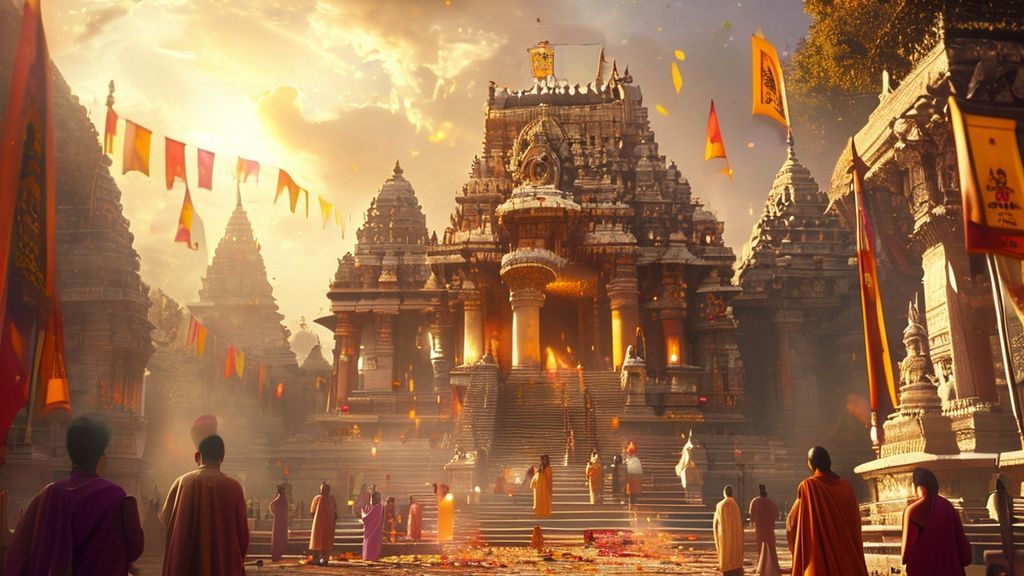
Mata Tripurasundari Temple, nestled in Udaipur, Tripura, is one of the revered 51 Shakti Peethas, manifesting the divine feminine power as Tripurasundari or Lalita. This ancient shrine, built in 1501 CE, commemorates the sacred spot where the right foot of Devi Sati is believed to have fallen, making it a pivotal pilgrimage destination for devotees of Sanatan Dharma.
| Attribute | Details |
|---|---|
| Deity | Mata Tripurasundari (Lalita Tripurasundari, Shodashi), also revered as Kali |
| Location/Origin | Udaipur, Gomati District, Tripura, India (approx. 55 km from Agartala) |
| Key Festivals | Diwali (Kali Puja), Durga Puja (Navaratri), Basanti Puja |
| Scripture Reference | Devi Bhagavat Purana, Kalika Purana, Brahma Purana, Kularnava Tantra |
Introduction to the Abode of Divine Grace
The Mata Tripurasundari Temple stands as a beacon of devotion and spiritual power in the northeastern state of Tripura. Revered by millions, this sacred site embodies the very essence of Shakti, the cosmic feminine energy that permeates creation. Known affectionately as the “Matabari” by locals, this temple is not merely a structure of bricks and mortar; it is a living testament to the enduring faith of Sanatan Dharma, a spiritual epicenter where the divine presence of Mata Tripurasundari is profoundly felt. Devotees flock here seeking blessings, solace, and spiritual upliftment, experiencing the vibrant spiritual currents that flow from this ancient Peetha. Its significance extends beyond regional boundaries, drawing pilgrims from across Bharatavarsha and the world, all united in their reverence for the Great Mother.
Puranic History and Legend: The Shakti Peetha Saga
The narrative of the Mata Tripurasundari Temple is deeply interwoven with the profound Puranic legend of Devi Sati and Lord Shiva. As recounted in the sacred texts such as the Devi Bhagavat Purana and Kalika Purana, when Devi Sati immolated herself in the sacrificial fire of Daksha Yajna, Lord Shiva, inconsolable with grief, carried her lifeless body across the cosmos in a furious Tandava dance. To restore cosmic order and alleviate Shiva’s sorrow, Lord Vishnu, with his Sudarshana Chakra, dismembered Sati’s body into 51 pieces, each falling at a different location on Earth, thus creating the 51 Shakti Peethas. The divine energy of each fallen limb consecrated the spot, transforming it into a hallowed ground.
It is here, at Udaipur, Tripura, that the right foot (Pada Angi) of Devi Sati is believed to have descended. This event consecrated the land, establishing it as one of the most vital Shakti Peethas. The principal deity enshrined here is Mata Tripurasundari, a beautiful and powerful manifestation of the Mahavidya Shodashi, also worshipped as Kali by many devotees due to local traditions and the fierce aspect of the divine mother. The temple’s historical foundation is attributed to Maharaja Dhanya Manikya of the Tripura Kingdom in 1501 CE, a glorious period of the Manikya dynasty. The Maharaja, it is said, had a divine vision of the Devi, instructing him to enshrine her idol at this very spot, leading to the construction of this magnificent temple, as detailed in the Rajmala, the ancient chronicle of the Tripura kings. The temple initially housed an idol of Lord Vishnu, but following the divine command, it was reconsecrated to Devi Tripurasundari.
Architectural and Scientific Marvels: The Kurcha Peetha
The architectural grandeur of the Mata Tripurasundari Temple is a testament to the rich artistic heritage of Tripura. Unlike many prominent temples in North or South India, this shrine exhibits a unique Bengali-style architecture, specifically the Ek-ratna style, characterized by a single tower (ratna) atop the sanctum. The temple’s distinctive shape, resembling a tortoise’s back (Kurcha), is not merely an aesthetic choice but holds deep spiritual significance, symbolizing longevity, stability, and the cosmic egg. This unique design earned it the appellation of Kurcha Peetha.
Constructed primarily of brick and laterite stone, the temple features a square base with a conical dome crowned by an auspicious kalasha. The intricate carvings and terracotta embellishments, though subtly present, speak volumes of the craftsmanship prevalent during the Manikya era. Adjacent to the temple lies the expansive Kalyan Sagar, a sacred lake teeming with large, revered turtles and fish. This man-made lake, often considered a part of the temple complex, serves as a ritualistic bathing pond and a reservoir of spiritual energy. The integration of the temple with this natural water body showcases an ancient understanding of sustainable design and the reverence for nature, crucial aspects of Sanatan Dharma. The Kalyan Sagar is not just a scenic element; it’s believed that offering food to the turtles (considered divine manifestations) brings good fortune and cleanses sins, a belief deeply embedded in local lore and supported by various regional Puranic narratives.
Rituals and Puja Vidhi: Offering Devotion to Mata
Performing Puja at the Mata Tripurasundari Temple is a deeply enriching spiritual experience. The daily rituals, meticulously followed by generations of priests, ensure the continuous flow of divine grace. Here’s a general guide for devotees:
- Preparation: Devotees should cleanse themselves thoroughly before entering the temple premises. Modest and traditional attire is recommended, reflecting respect for the sacred space.
- Darshan (Viewing the Deity): Upon entering, devotees first seek the sacred Darshan of Mata Tripurasundari. The idol, though small, radiates immense spiritual energy. There are two idols in the sanctum: a smaller, darker idol of Tripurasundari and a larger, brighter one of Chandi, a manifestation of Durga.
- Offerings: Common offerings include red hibiscus flowers, bel leaves, incense, lamps (diya), fruits, and traditional sweetmeats like peda. Red is considered particularly auspicious for the Devi.
- Archana and Arati: Devotees can request priests to perform Archana (chanting of names) in their name. The daily morning and evening Arati, accompanied by devotional hymns and the resounding gongs, is a spectacle of profound spirituality, culminating in the waving of lamps before the Devi.
- Parikrama (Circumambulation): Performing circumambulation around the main temple structure is an age-old tradition, symbolizing reverence and devotion.
- Kalyan Sagar Offerings: Many devotees offer food to the sacred fish and turtles in the Kalyan Sagar, believing it to be an act of piety that pleases the Devi.
Special Pujas are conducted during festivals, particularly during Diwali (Kali Puja) and Navaratri, where elaborate rituals, Havana, and community feasts are organized, attracting thousands of pilgrims.
Mantras and Chants: Invoking Lalita Tripurasundari
Chanting the sacred mantras of Mata Tripurasundari is a powerful way to connect with her divine energy, seek her blessings, and purify the mind. Here are some significant mantras:
-
Mool Mantra of Tripurasundari (Shodashi Bija Mantra):
ॐ ऐं ह्रीं श्रीं त्रिपुरसुन्दर्यै नमः ||
Om Aim Hreem Shreem Tripurasundaryai Namah ||
This is a potent bija mantra for invoking the blessings of Tripurasundari, representing knowledge (Aim), illusion/Maya (Hreem), and prosperity (Shreem). -
Maha Shodashi Mantra (Extended Form):
ॐ ऐं ह्रीं श्रीं क्लीं सौः ऐं ह्रीं श्रीं सौः ऐं क्लीं ह्रीं श्रीं श्रीं ललितायै महात्रिपुरसुन्दर्यै नमः ||
Om Aim Hreem Shreem Klim Souh Aim Hreem Shreem Souh Aim Klim Hreem Shreem Srim Lalitayai Mahatripurasundaryai Namah ||
This elaborate mantra is a deeper invocation of Lalita, the most beautiful one, embodying all aspects of creation, preservation, and dissolution. -
General Devi Mantra:
सर्वमङ्गलमाङ्गल्ये शिवे सर्वार्थसाधिके । शरण्ये त्र्यम्बके गौरि नारायणि नमोऽस्तुते ॥
Sarva Mangala Mangalye Shive Sarvartha Sadhike | Sharanye Tryambake Gauri Narayani Namostute ||
This universal prayer to the Divine Mother invokes her as the auspicious one, the bestower of all desires, the refuge, the three-eyed one, Gauri, and Narayani.
Dos and Don’ts for Devotees
To ensure a respectful and spiritually rewarding pilgrimage to Mata Tripurasundari Temple, devotees should adhere to certain customs and guidelines:
- Do dress modestly, covering shoulders and knees, as a sign of reverence for the sacred space.
- Do maintain silence and a meditative demeanor within the temple premises, especially in the sanctum.
- Do remove footwear before entering the temple and other sacred structures.
- Do offer fresh flowers, fruits, and traditional sweets to the Devi.
- Do partake in the Prashad offered after rituals.
- Don’t consume non-vegetarian food or alcohol before or during your visit.
- Don’t take photographs inside the main sanctum (garbhagriha). Always ask for permission elsewhere.
- Don’t litter the temple grounds or the Kalyan Sagar. Maintain cleanliness.
- Don’t engage in loud conversations or disruptive behavior.
- Don’t touch the idols or sacred implements unless specifically permitted by the priests.
Frequently Asked Questions About Tripurasundari Temple
Why is Mata Tripurasundari Temple called Kurcha Peetha?
The temple is famously known as Kurcha Peetha because its unique architectural design, particularly the shape of its main structure and dome, resembles the back of a tortoise (Kurcha in Sanskrit). This tortoise shape holds deep symbolic meaning in Hindu cosmology, representing stability, cosmic creation, and longevity, linking the temple to ancient wisdom and Puranic descriptions.
What is the significance of Kalyan Sagar adjacent to the temple?
The Kalyan Sagar is not just a lake but an integral part of the temple’s spiritual landscape. It is considered a holy water body where devotees often take ritualistic baths. It is home to numerous large, revered turtles and fish, believed by locals to be divine manifestations or spirits. Offering food to these creatures in the Kalyan Sagar is considered an act of great merit, believed to fulfill desires and cleanse karmic impurities.
Who built the Tripurasundari Temple and when?
The glorious Mata Tripurasundari Temple was constructed by Maharaja Dhanya Manikya of the Manikya dynasty in 1501 CE. According to historical records and local legends, the Maharaja received a divine vision from the Devi herself, instructing him to build the temple at the sacred spot where the right foot of Sati had fallen, establishing a enduring legacy of devotion and architectural marvel.
Which part of Devi Sati’s body is believed to have fallen at this Shakti Peetha?
As per the sacred Puranic accounts, particularly the Devi Bhagavat Purana and Kalika Purana, the right foot (Pada Angi) of Devi Sati is believed to have fallen at the site where the Mata Tripurasundari Temple now stands in Udaipur, Tripura. This makes it one of the paramount 51 Shakti Peethas, consecrated by the direct presence of the Divine Mother’s energy.
Preserving Sanatan Dharma through Devotion to Mata Tripurasundari
The Mata Tripurasundari Temple serves as a profound anchor for the preservation and propagation of Sanatan Dharma. In an age where traditions can wane, this sacred site stands as a living testament to the eternal truths embodied by the Divine Mother. It continually reminds us of the power of Shakti, the cosmic energy that sustains all existence, and the profound spiritual heritage of Bharatavarsha. Pilgrimages to such holy sites reinforce faith, foster community, and provide a direct experience of the divine, transcending the mundane. By upholding the sanctity of this ancient shrine, by participating in its rituals, and by understanding its deep spiritual and historical significance, we not only honor the past but also ensure that the light of Sanatan Dharma continues to shine brightly for future generations. For more insights into our rich spiritual heritage, visit Hindutva.online, a dedicated resource for authentic Vedic knowledge.