

Goddess Lakshmi Sit In Hindu iconography’s sophisticated symbolic language where every deity’s posture, object, and surrounding element communicates profound spiritual truths, Goddess Lakshmi’s inseparable association with the lotus flower—seated upon a fully bloomed pink or red padma throne—represents one of the most visually arresting and philosophically deep symbolic relationships in the Hindu tradition, teaching that genuine prosperity requires spiritual purity, ethical detachment, and consciousness untainted by material corruption despite intimate engagement with worldly abundance.

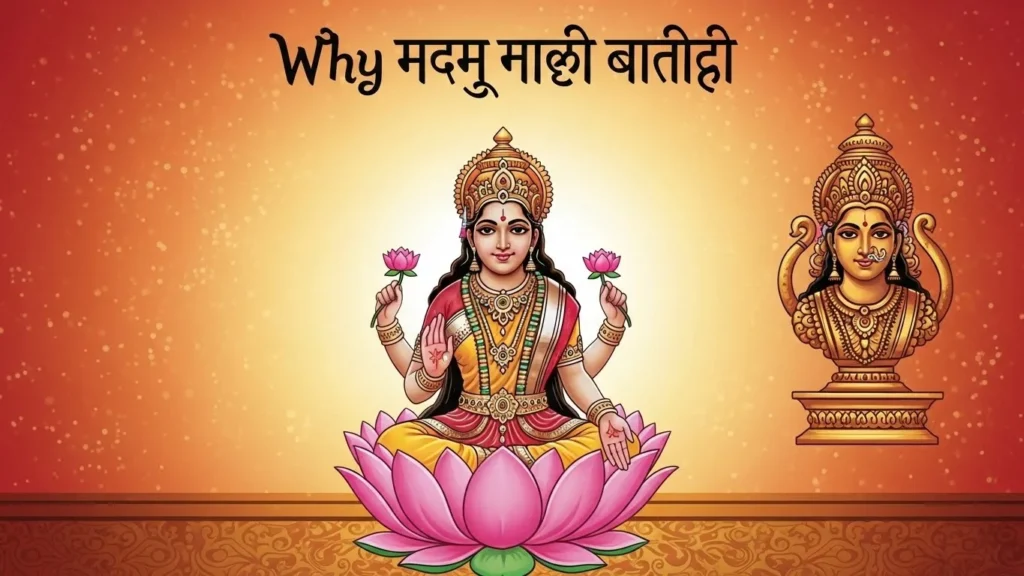
The lotus (padma in Sanskrit) growing in muddy, murky water yet emerging completely unstained with petals that repel dirt and moisture perfectly mirrors the ideal prosperity consciousness—living fully in the material world, enjoying wealth and success, yet maintaining inner purity, ethical integrity, and spiritual awareness uncorrupted by greed, arrogance, or attachment that transforms blessings into bondage.
Unlike Western religious traditions often portraying wealth as spiritually dangerous or morally suspect, Lakshmi’s lotus seat teaches that material prosperity and spiritual enlightenment need not conflict but can coexist harmoniously when wealth is pursued ethically (through dharma), used generously (through dana/charity), and held lightly (through vairagya/detachment)—the lotus embodying this delicate balance between engaged worldly participation and transcendent spiritual freedom.
According to Hindu mythology, Lakshmi herself emerged from the cosmic ocean (Kshira Sagara) during the famous Samudra Manthan (churning of the milk ocean), seated majestically upon a pristine lotus flower, radiating divine beauty and grace—this origin story itself emphasizing that true prosperity arises from cosmic effort, divine cooperation, and emerges naturally like a lotus blooming when conditions align properly rather than through forced grasping or unethical shortcuts.
The specific pink or red color of Lakshmi’s lotus carries additional layered meaning: pink represents beauty, fertility, prosperity, eternity, and the divine feminine principle, while red symbolizes passion, creative energy, life force (prana), and the dynamic activity distinguishing Lakshmi from more ascetic deities—she doesn’t renounce the world but fully engages with it while maintaining transcendent awareness.
The lotus position (padmasana) itself represents meditative stability, spiritual awakening, inner stillness, and the flowering of consciousness—when Lakshmi sits in this posture, she demonstrates that genuine wealth consciousness requires not anxious striving but calm presence, not desperate accumulation but graceful receiving, not fearful hoarding but confident generosity flowing from inner abundance rather than external circumstance. The lotus also connects Lakshmi to the grand cosmic creation narrative: from Lord Vishnu’s navel emerges a golden lotus bearing Brahma the creator, demonstrating how preservation (Vishnu), creation (Brahma), and prosperity (Lakshmi) are interwoven as interdependent cosmic principles—prosperity enables creation, creation requires preservation, and preservation sustains prosperity in an eternal cosmic dance.
During Lakshmi Puja, especially on Diwali, devotees traditionally offer eight lotus flowers (ashtakamal) to the goddess, recognizing the profound spiritual connection between this sacred flower and the divine feminine energy of abundance—when lotus flowers are unavailable, devotees substitute jaggery, but the lotus remains the ideal offering embodying everything Lakshmi represents. Understanding why Lakshmi sits on lotus reveals fundamental Hindu teachings about integrated prosperity consciousness, the possibility of maintaining spiritual purity amid material engagement, the principle that genuine wealth serves dharmic purposes without corrupting the soul, and the teaching that beauty, grace, and abundance naturally emerge when consciousness is properly aligned with cosmic principles rather than forced through anxiety-driven striving disconnected from spiritual values.
This comprehensive exploration examines the multi-layered symbolism of Lakshmi’s lotus seat, her mythological emergence from the ocean on a lotus, the lotus as symbol of purity and detachment, connections to cosmic creation, the significance of pink/red lotus colors, padmasana’s spiritual meaning, lotus offerings in worship, and contemporary lessons for prosperity consciousness.
The Lotus: Universal Symbol of Spiritual Transcendence
The lotus flower (Nelumbo nucifera) holds profound significance across Hindu, Buddhist, and Jain traditions as the supreme symbol of spiritual potential, purity, and enlightenment.
Botanical Miracle: Growing Pure in Muddy Waters
The lotus possesses unique biological characteristics that make it the perfect spiritual metaphor. The plant’s roots anchor deep in muddy pond bottoms, its stalk rises through murky water, yet the flower blooms pristine and beautiful above the surface, with leaves and petals possessing microscopic structures that repel water and dirt—a phenomenon scientists call the “lotus effect” where water beads roll off carrying away contaminants, leaving the surface perpetually clean.
This remarkable capacity to remain untainted despite growing in impurity perfectly symbolizes the spiritual aspirant’s goal: living in the material world (muddy water) while maintaining inner purity and consciousness uncorrupted by worldly pollution.
Daily Cycle: Opening and Closing
The lotus follows a daily rhythm of closing its petals at night and reopening with the sunrise, symbolizing:
- Spiritual awakening: The blossoming consciousness responding to divine illumination
- Cyclical renewal: Daily rebirth and fresh beginnings
- Responsiveness to light: The soul naturally opening toward spiritual truth like the flower toward sunlight
- Dormancy and activity: Balancing contemplative withdrawal with engaged worldly participation
Vedic and Puranic References
The lotus appears prominently in Hindu scriptures:
Rigveda: References to the sacred lotus as a divine seat and symbol of creation
Bhagavad Gita: “One who performs his duty without attachment, surrendering the results unto the Supreme Lord, is unaffected by sinful action, as the lotus leaf is untouched by water” (5.10)—explicitly using the lotus as the ideal metaphor for detached engagement
Upanishads: The thousand-petaled lotus (Sahasrara) representing the crown chakra and ultimate spiritual realization
Multi-Deity Association
Multiple Hindu deities connect with the lotus:
- Brahma: Born from the lotus emerging from Vishnu’s navel
- Vishnu: Holds a lotus representing purity, creation, and spiritual power
- Saraswati: Seated on white lotus representing pure knowledge
- Lakshmi: Seated on pink/red lotus representing prosperous purity
- Buddha: The enlightened one depicted on lotus representing awakening
This widespread association indicates the lotus transcends any single deity as a universal spiritual principle rather than being exclusively associated with one aspect of divinity.
Lakshmi’s Birth: Emerging from the Ocean on Lotus
The Samudra Manthan Story
According to the Puranas, particularly the Vishnu Purana and Bhagavata Purana, the Samudra Manthan (churning of the cosmic ocean of milk) represents one of Hindu mythology’s most significant events. When the devas (gods) lost their power due to a sage’s curse, they sought Lord Vishnu’s help, who advised churning the cosmic ocean to obtain amrita (nectar of immortality).
Using Mount Mandara as the churning rod and the serpent Vasuki as the rope, the devas and asuras (demons) cooperated to churn the Kshira Sagara, despite being adversaries—symbolizing that great achievements require cooperation even between opposing forces.
Lakshmi’s Magnificent Emergence
As the churning continued, various divine treasures emerged from the ocean’s depths, including Goddess Lakshmi who appeared seated majestically upon a fully bloomed lotus flower, radiating ethereal beauty, golden complexion glowing divinely, holding lotus flowers in her upper hands, with her lower hands displaying blessing gestures.
She was immediately recognized as a divine being of supreme importance—the devas welcomed her with sacred hymns, celestial elephants bathed her with pure waters from golden vessels, and she chose Lord Vishnu as her eternal consort, demonstrating that prosperity naturally aligns with preservation and cosmic order.
Symbolic Meaning of the Origin Story
This birth narrative teaches profound lessons:
Prosperity Requires Effort: Just as Lakshmi emerged only after sustained churning, genuine prosperity comes through persistent ethical effort, not luck or shortcuts.
Cooperation Produces Abundance: The devas and asuras had to work together—prosperity requires collaboration, not selfish competition.
Purity from Chaos: Lakshmi emerged pristine from the turbulent ocean, teaching that genuine wealth maintains purity despite arising from chaotic material circumstances.
Natural Manifestation: She arrived seated naturally on the lotus, not placed there later—prosperity and purity are intrinsically connected from origin, not artificially combined.
Divine Grace: Lakshmi chose Vishnu voluntarily, teaching that genuine prosperity flows to those maintaining cosmic order (dharma) rather than being forcibly extracted.
Purity Amid Impurity: The Central Teaching
Living in the World Without Being of It
Just as the lotus grows in muddy water yet remains pristine, devotees are taught to engage fully with the material world—earning wealth, enjoying pleasures, building families—while maintaining inner purity, ethical conduct, and spiritual awareness uncorrupted by greed, arrogance, or attachment.
This principle directly contrasts with:
- Pure renunciation: Completely abandoning worldly engagement as inherently corrupting
- Pure materialism: Total immersion in worldly pursuits without spiritual consideration
- Dualistic splitting: Viewing material and spiritual as irreconcilable opposites
Instead, Lakshmi’s lotus teaches integrated prosperity consciousness—simultaneous worldly engagement and spiritual detachment, material success and ethical purity, wealth enjoyment and generous sharing.
The Bhagavad Gita’s Lotus Teaching
The Gita explicitly uses lotus symbolism: “As the lotus leaf remains untouched by water, so should one act in the world without attachment”—performing duties, earning wealth, enjoying pleasures, yet internally remaining unattached to outcomes, unburdened by possessiveness, and free from anxiety about gain or loss.
Lakshmi’s lotus embodies this ideal: she bestows wealth abundantly yet remains transcendently pure, demonstrating that the act of giving and receiving prosperity need not corrupt when done with proper consciousness.
Prosperity Without Corruption
The lotus seat specifically teaches that genuine wealth should not enslave through greed, corrupt through arrogance, or bind through attachment—rather, it should empower ethical living, enable generous service, and support spiritual development.
Detachment: The Lotus Lesson for Prosperity
Not Rejection But Non-Clinging
The lotus doesn’t reject or avoid water—it grows in water, depends on water for life—yet it remains unattached, not absorbing water into its petals. Similarly, true detachment doesn’t mean rejecting wealth or renouncing the world, but rather engaging without clinging, enjoying without grasping, possessing without being possessed.
This teaches a middle path between:
- Extreme asceticism: Rejecting all material engagement as spiritually dangerous
- Hedonistic materialism: Clinging desperately to wealth as ultimate security and happiness
Living with Open Hands
The lotus with its water-repelling petals symbolizes holding wealth with “open hands”—allowing prosperity to flow in and out freely, sharing generously, not hoarding desperately, trusting divine grace rather than anxiously protecting accumulated possessions.
Lakshmi herself demonstrates this: gold coins cascade endlessly from her hands, never depleting—she gives abundantly without fear of loss because her source is infinite divine grace rather than finite material accumulation.
Appreciation Without Attachment
The lotus teaches appreciating material beauty and worldly pleasures without making them ultimate sources of identity or security. One can enjoy prosperity’s comforts, beauty, and opportunities while recognizing their temporary nature and maintaining spiritual priorities.
Spiritual Enlightenment: The Blooming Lotus
The lotus flower’s blooming process symbolizes spiritual awakening and consciousness expansion.
The Bud to Bloom Journey
A lotus begins as a closed bud beneath the water’s surface, gradually rising toward light, eventually emerging and unfolding its petals in response to sunlight—this progression perfectly mirrors spiritual development:
The Bud: Unawakened consciousness, spiritual potential not yet manifest
Rising Through Water: Spiritual practice and effort elevating awareness through emotional/mental realms
Breaking Surface: Initial spiritual breakthrough, glimpsing transcendent reality
Blooming: Full enlightenment, consciousness fully flowering in divine realization
Lakshmi as Spiritual Prosperity
By sitting on a fully bloomed lotus rather than a bud, Lakshmi represents prosperity that has fully matured spiritually—not crude materialism at the bud stage but refined abundance that has transcended attachment, purified motivation, and flowered into generous service.
This teaches that genuine prosperity consciousness isn’t just about accumulating wealth but about spiritual maturation—developing wisdom alongside wealth, compassion alongside comfort, generosity alongside gain.
The Thousand-Petaled Lotus
In yogic philosophy, the Sahasrara (crown chakra) is visualized as a thousand-petaled lotus representing ultimate spiritual realization. When Lakshmi sits on lotus, she connects material prosperity with spiritual culmination—teaching that ultimate abundance is spiritual enlightenment, with material wealth being merely one dimension of divine grace.
Creation Connection: Brahma’s Lotus Birth
The lotus connects Lakshmi to the grand cosmic creation narrative, demonstrating the interdependence of preservation, prosperity, and creation.
Vishnu’s Navel Lotus
According to Puranic cosmology, during cosmic creation, a golden lotus emerges from Lord Vishnu’s navel as he reclines on the cosmic serpent Shesha. From this lotus Brahma the creator is born, who then proceeds to manifest the universe.
The Creation-Prosperity Link
This narrative demonstrates that:
Preservation Enables Creation: Vishnu (preservation) must first exist before Brahma (creation) can emerge—stable cosmic order precedes new manifestation.
Prosperity Supports Creation: Lakshmi (prosperity) as Vishnu’s consort provides the resources, energy, and abundance necessary for creation to occur—poverty cannot create, only abundance enables manifestation.
The Lotus as Creative Medium: The lotus itself becomes the space from which creation emerges—representing beauty, potential, and the mysterious transformation from formless to formed.
Navel as Source: The navel (Manipura chakra) represents willpower, confidence, transformation, and the center of creative energy—when this energy center activates, creativity and prosperity naturally flow.
Shared Lotus Symbolism
The lotus becomes a shared symbol between Vishnu (who holds lotus), Brahma (who is born from lotus), Lakshmi (who sits on lotus), and Saraswati (who sits on lotus)—indicating that preservation, creation, prosperity, and knowledge are inseparably interconnected cosmic principles, not isolated functions.
Pink and Red Lotus: Color Significance
The specific pink or red color of Lakshmi’s lotus carries additional symbolic layers.
Pink Lotus Symbolism
Pink lotuses are specifically associated with Lakshmi and represent:
Rebirth and Beauty: The capacity for renewal, transformation, and aesthetic grace
Divine Feminine Energy: Compassion, nurturing, creative power, and receptive consciousness
Fertility and Prosperity: Life-giving abundance, generative capacity, and fruitful manifestation
Spiritual Enlightenment: Awakened consciousness combined with graceful worldly engagement
Eternity: Timeless prosperity transcending temporary economic fluctuations
The pink color specifically connects Lakshmi to feminine qualities of grace, beauty, compassion, and nurturing abundance rather than aggressive accumulation or masculine conquest.
Red Lotus Symbolism
When depicted with red lotus, the symbolism shifts slightly toward:
Love and Compassion: Active caring for devotees’ wellbeing and responsive grace
Passion and Energy: Dynamic creative force, active manifestation, engaged worldly participation
Life Force (Prana): Vital energy flowing through all prosperous endeavors
Material Engagement: Full participation in worldly affairs rather than ascetic withdrawal
Red lotuses are traditionally offered to Devi in any form, particularly Parvati, while pink lotuses specifically honor Lakshmi—though the two colors often overlap in iconography.
Contrast with Other Colors
White Lotus: Associated with Saraswati, representing pure knowledge, spiritual purity, mental clarity, and transcendent wisdom
Blue Lotus: Associated with wisdom, intelligence, and control over senses
Padmasana: The Lotus Position
Physical Posture
Padmasana involves sitting with legs crossed, each foot placed on the opposite thigh, spine erect, hands resting on knees or in meditation mudra—resembling the symmetrical form of a lotus flower when viewed from above.
Meditation and Stability
This position provides:
Physical Stability: The triangular base creates a stable foundation for extended meditation or ritual practice without fatigue.
Energy Conservation: The closed leg position prevents prana (life energy) from dissipating downward, conserving it for spiritual practices.
Spinal Alignment: The erect spine facilitates energy flow through chakras and maintains alertness during meditation.
Mental Focus: The position naturally induces inward attention, reducing external distractions and enhancing concentration.
Lakshmi in Padmasana
When Lakshmi sits in padmasana, she demonstrates that prosperity consciousness requires inner stillness, meditative awareness, and stable presence rather than anxious striving, desperate grasping, or restless accumulation.
This teaches that genuine wealth flows to those who cultivate calm presence and receptive consciousness—”the lotus blooms only in still waters; the mind must be still for wisdom to blossom.”
Spiritual Benefits
Regular padmasana practice offers:
- Reduced stress and anxiety through nervous system calming
- Enhanced focus and concentration through mental clarity
- Improved mindfulness and present-moment awareness
- Deeper sleep quality through relaxation
- Spiritual awakening through alignment with divine consciousness
- Detachment from distractions through inner stillness
Lotus Offerings in Lakshmi Worship
Ashtakamal: Eight Lotus Flowers
Traditionally, devotees offer eight lotus flowers (ashtakamal) to Goddess Lakshmi, corresponding to her eight forms (Ashta Lakshmi):
- Adi Lakshmi (primordial)
- Dhana Lakshmi (wealth)
- Dhanya Lakshmi (grains)
- Gaja Lakshmi (elephants/royalty)
- Santana Lakshmi (progeny)
- Veera Lakshmi (courage)
- Vijaya Lakshmi (victory)
- Vidya Lakshmi (knowledge)
Each lotus offered invokes one specific dimension of prosperity, recognizing that genuine abundance encompasses multiple life domains beyond just money.
Symbolic Offering Meaning
Offering lotus to Lakshmi symbolizes:
Offering Purity: Devotees offer their purest intentions, ethical aspirations, and refined consciousness.
Mirroring Divine Quality: By offering what Lakshmi herself sits upon, devotees acknowledge and aspire toward her qualities of purity amid worldly engagement.
Beauty and Fragrance: The lotus’s beauty and fragrance represent aesthetic refinement and spiritual sweetness accompanying genuine prosperity.
Rarity and Value: Lotus flowers require specific conditions to grow—offering them demonstrates devotional effort and recognition of sacred value.
Substitute Offerings
When lotus flowers are unavailable, devotees traditionally offer jaggery (gur) to Lakshmi, representing sweetness, natural goodness, and prosperity—though the lotus remains the ideal offering embodying all her qualities.
Contemporary Lessons: Living the Lotus Teaching
Lakshmi’s lotus seat offers timeless wisdom for modern prosperity consciousness.
Purity in Engagement
Modern life requires full professional engagement, financial participation, and worldly success—the lotus teaches doing so while maintaining ethical standards, spiritual values, and inner purity uncorrupted by competitive pressures or materialistic culture.
Detachment from Outcomes
Beauty Rising from Difficulty
Still Waters for Blooming
The lotus blooms only in still waters—genuine prosperity requires cultivating inner stillness through meditation, mindfulness, and spiritual practice rather than anxious striving disconnected from presence.
Generosity and Flow
The lotus’s water-repelling quality teaches allowing wealth to flow freely—receiving graciously, sharing generously, trusting abundance rather than desperately hoarding or anxiously protecting.
Frequently Asked Questions
Why does Goddess Lakshmi sit on a lotus flower?
Goddess Lakshmi sits on a lotus flower because it symbolizes purity, spiritual enlightenment, detachment, beauty, and prosperity rising unstained from muddy waters. The lotus grows in murky ponds yet remains completely clean due to its water-repelling petals—perfectly representing how genuine prosperity can be pursued ethically and enjoyed fully while maintaining inner purity, spiritual awareness, and consciousness uncorrupted by greed, attachment, or materialism.
By sitting on lotus, Lakshmi teaches that material wealth and spiritual enlightenment need not conflict but can coexist harmoniously when wealth is earned ethically, used generously, and held with detachment. The lotus also connects her to cosmic creation—from Vishnu’s navel emerges a lotus bearing Brahma the creator, demonstrating how preservation, prosperity, and creation are interdependent cosmic principles.
What does the pink lotus symbolize for Lakshmi?
The pink lotus specifically associated with Lakshmi symbolizes beauty, rebirth, fertility, prosperity, eternity, divine feminine energy, spiritual enlightenment combined with worldly engagement, and graceful compassion. Pink represents the divine feminine principle of nurturing abundance, creative generative power, and receptive consciousness rather than aggressive accumulation. It connects prosperity to aesthetic beauty, emotional warmth, and life-affirming engagement rather than cold materialistic calculation.
The pink color indicates that genuine wealth encompasses grace, compassion, relationships, beauty, and emotional fulfillment alongside financial resources. This distinguishes Lakshmi’s prosperity consciousness from purely masculine conquest or aggressive competition, emphasizing instead generous flowing abundance that nurtures all beings. Pink lotuses are traditionally offered to Lakshmi during worship, especially the eight lotus flowers (ashtakamal) corresponding to her eight forms during Diwali Lakshmi Puja.
What is the story of Lakshmi emerging from the ocean on lotus?
According to Hindu mythology, Goddess Lakshmi emerged during Samudra Manthan—the churning of the cosmic ocean of milk. When devas (gods) lost their power, Lord Vishnu advised churning the Kshira Sagara to obtain amrita (nectar of immortality). Using Mount Mandara as the churning rod and serpent Vasuki as rope, devas and asuras (demons) cooperated to churn the ocean. As various divine treasures emerged, Goddess Lakshmi appeared seated majestically upon a fully bloomed lotus flower, radiating ethereal beauty with golden complexion, holding lotus flowers, displaying blessing gestures.
She was immediately recognized as supremely divine, welcomed with sacred hymns, bathed by celestial elephants, and chose Lord Vishnu as her eternal consort. This origin story teaches that prosperity requires sustained ethical effort, cooperation rather than competition, naturally maintains purity despite arising from chaotic circumstances, and flows to those upholding cosmic order (dharma).
What does the lotus teach about detachment and prosperity?
The lotus teaches vairagya (detachment)—engaging with the world without clinging. The lotus doesn’t reject or avoid water but grows in it, depends on it, yet remains unattached with water-repelling petals. Similarly, true detachment means engaging wealth, enjoying success, possessing resources, yet not being possessed by them—holding with “open hands” allowing prosperity to flow freely without desperate grasping or anxious hoarding.
This middle path avoids both extreme asceticism (rejecting wealth as evil) and hedonistic materialism (clinging desperately to wealth as ultimate security). Lakshmi demonstrates this: gold coins cascade endlessly from her hands without depleting because her source is infinite divine grace rather than finite material accumulation. The Bhagavad Gita states: “As the lotus leaf remains untouched by water, so should one act in the world without attachment”—the lotus teaches appreciating prosperity’s benefits while recognizing its temporary nature and maintaining spiritual priorities.
What is the connection between Lakshmi’s lotus and Brahma’s birth?
The lotus connects Lakshmi to cosmic creation through Brahma’s birth story. According to Puranic cosmology, a golden lotus emerges from Lord Vishnu’s navel as he reclines on the cosmic serpent during creation. From this lotus Brahma the creator is born, who then manifests the universe. This demonstrates that preservation (Vishnu) enables creation (Brahma), and prosperity (Lakshmi as Vishnu’s consort) provides resources necessary for creation to occur.
The lotus becomes shared symbolism—Vishnu holds lotus, Brahma is born from lotus, Lakshmi sits on lotus, Saraswati sits on lotus—indicating preservation, creation, prosperity, and knowledge are inseparably interconnected cosmic principles. The navel (Manipura chakra) represents willpower, confidence, and transformation—when this energy center activates, creativity and prosperity naturally flow. This teaching shows genuine abundance enables manifestation and supports creative endeavors.
What is padmasana and why does Lakshmi sit in this position?
Padmasana (lotus position) is a seated yoga posture with legs crossed, each foot placed on opposite thigh, spine erect, resembling a lotus flower when viewed from above. This position provides physical stability for meditation, conserves prana (life energy) through closed leg position, facilitates chakra energy flow through spinal alignment, and induces inward mental focus. When Lakshmi sits in padmasana, she demonstrates that prosperity consciousness requires inner stillness, meditative awareness, and stable presence rather than anxious striving or restless accumulation.
This teaches that genuine wealth flows to those cultivating calm receptive consciousness—”the lotus blooms only in still waters; the mind must be still for wisdom to blossom.” Padmasana practice offers reduced stress, enhanced concentration, improved mindfulness, deeper sleep, spiritual awakening, and detachment from distractions. By embodying this posture, Lakshmi reveals prosperity consciousness is fundamentally meditative rather than aggressive.
How are lotus flowers offered during Lakshmi Puja?
During Lakshmi Puja, especially on Diwali, devotees traditionally offer eight lotus flowers (ashtakamal) to Goddess Lakshmi, corresponding to her eight forms (Ashta Lakshmi): Adi (primordial), Dhana (wealth), Dhanya (grains), Gaja (elephants/royalty), Santana (progeny), Veera (courage), Vijaya (victory), and Vidya (knowledge). Each lotus invokes one specific prosperity dimension, recognizing genuine abundance encompasses multiple life domains beyond money.
Offering lotus symbolizes offering purest intentions and ethical aspirations, mirroring Lakshmi’s divine qualities, presenting beauty and spiritual fragrance, and demonstrating devotional effort. The lotus’s fragrance and purity hold special importance in rituals and prayers dedicated to Lakshmi. When lotus flowers are unavailable, devotees substitute jaggery representing sweetness and natural goodness, though lotus remains the ideal offering embodying all her qualities. This ritual practice acknowledges the profound spiritual connection between the sacred flower and divine feminine abundance energy.
What contemporary lessons does Lakshmi’s lotus teach about wealth?
Lakshmi’s lotus offers timeless modern wisdom: 1) Purity in engagement—fully participate professionally and financially while maintaining ethical standards and spiritual values despite competitive pressures; 2) Detachment from outcomes—pursue prosperity excellently while releasing anxious attachment to specific results; 3) Beauty rising from difficulty—cultivate prosperous consciousness transcending challenging economic circumstances like lotus emerging from mud;
4) Still waters for blooming—genuine wealth requires inner stillness through meditation and mindfulness rather than anxious striving; 5) Generosity and flow—allow wealth to circulate freely through generous sharing and receiving graciously, trusting abundance rather than hoarding desperately; 6) Integrated consciousness—balance material success with spiritual development, ethical conduct, aesthetic appreciation, and compassionate service. These teachings transform prosperity from anxious accumulation into graceful manifestation aligned with cosmic principles and spiritual values.
About the Author
Neha Kulkarni – PhD in Vedic Studies and Ancient Indian History
Neha Kulkarni is a distinguished scholar specializing in ancient Indian history, Vedic traditions, and Hindu cultural practices. With over 15 years of research experience focused on decolonizing historical narratives, he has published extensively on Hindu goddess theology, symbolic iconography, Puranic mythology, lotus symbolism in Hindu philosophy, prosperity consciousness, meditation practices, devotional worship traditions, and the integration of material wealth with spiritual development. His work bridges academic rigor with devotional accessibility, making complex symbolic concepts understandable to contemporary audiences seeking authentic knowledge about Hindu wisdom traditions and their transformative potential for cultivating ethical prosperity, spiritual awareness, and conscious abundance in modern life.