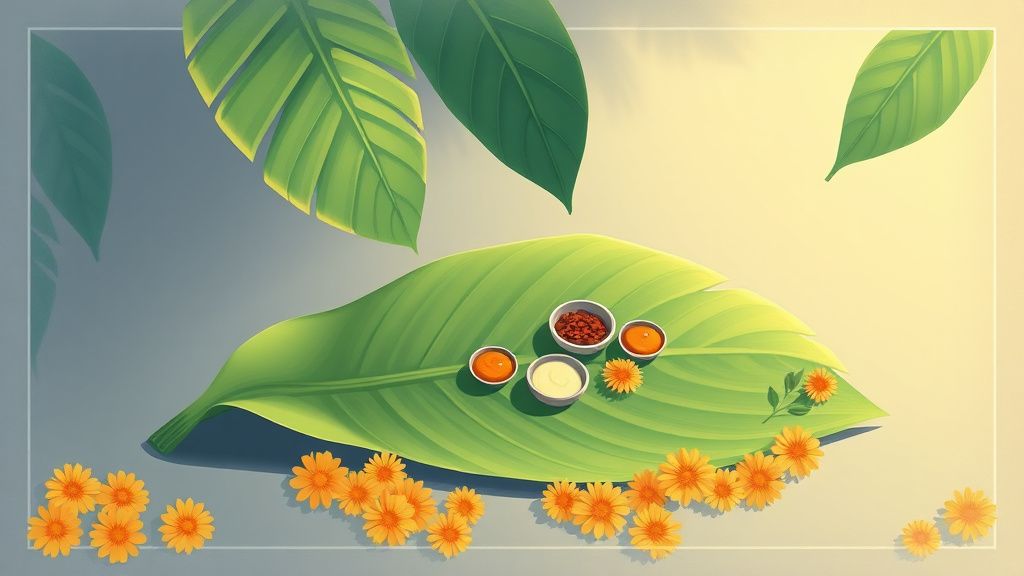
The festival of Onam Festival Story – Kerala’s grandest harvest celebration from Malayalam [translate:ഓണം] (Onam) occurring in month of Chingam (August-September) – represents one of India’s most unique, culturally rich, and universally celebrated festivals where all Keralites regardless of religion, caste, or class unite for ten days commemorating beloved demon king Mahabali’s annual visit from netherworld ([translate:Pathala]) to check on his subjects’ welfare through elaborate rituals including intricate flower carpet designs ([translate:പൂക്കളം] Pookalam) created fresh daily with increasing complexity, spectacular snake boat races ([translate:വള്ളംകളി] Vallamkali)

showcasing synchronized rowing prowess, colorful masked tiger dances ([translate:പുലിക്കളി] Pulikali) where men paint themselves as tigers and hunters performing energetic street processions, Kathakali performances narrating mythological tales, and climactic feast of [translate:ഓണസദ്യ] (Onasadya) – vegetarian banquet featuring 24-40 dishes meticulously served on banana leaf in prescribed order creating gastronomic masterpiece celebrating Kerala’s agricultural abundance and culinary heritage. Unlike religiously sectarian festivals dividing communities, Onam uniquely transcends religious boundaries creating secular cultural celebration where Hindu, Christian, and Muslim Keralites equally participate demonstrating festival’s deeper identity as Kerala’s harvest thanksgiving and cultural pride expression rather than purely religious observance, with legend of virtuous demon king Mahabali
whose golden-age rule brought prosperity, equality, and happiness to all subjects before being sent to netherworld by Lord Vishnu’s Vamana avatar serving as poignant reminder that righteousness and compassion matter more than birth or divine status creating complex moral narrative where “demon” king becomes hero and “god” Vishnu’s deception raises ethical questions demonstrating Hindu mythology’s sophisticated philosophical depth. The complete Onam celebration encompasses
understanding ten-day gradual build-up from Atham (first day’s modest single-ring Pookalam initiation) through daily flower carpet expansion, traditional games ([translate:ഓണക്കളികള്] Onakkalikal), new clothes shopping, temple visits, household cleaning, to Thiruvonam (tenth day climax) when Mahabali believed to arrive bringing maximum festivities including grand Pookalam completion, elaborate Onasadya preparation requiring hours of cooking coordination, Vallamkali boat races attracting thousands of spectators,
Pulikali performances transforming streets into theatrical spaces, gift exchanges especially for children ([translate:ഓണക്കൊടി] Onam gift), and post-Thiruvonam days (Avittam, Chatayam) gradually concluding celebrations, detailed Onasadya menu featuring essential dishes like rice ([translate:മട്ടചോറ്] Matta rice), sambar, rasam, aviyal (mixed vegetables in coconut-yogurt gravy), thoran (stir-fried vegetables with coconut), pachadi (vegetable in yogurt-coconut), pickles, banana chips, papadam, plus minimum three payasams (sweet puddings)
including ada pradhaman, paal payasam, banana payasam arranged on banana leaf following traditional placement rules where pickles occupy top-left, banana bottom-left, salt near banana, creating organized serving system enabling systematic second-helping distribution, cultural significance as harvest festival thanking nature for agricultural bounty particularly rice crop whose September harvest coincides with Onam making it thanksgiving celebration deeply connected to agrarian cycles and seasonal rhythms demonstrating Kerala’s traditional economy’s agricultural foundation, and contemporary relevance as unifying force for Malayali diaspora worldwide who recreate traditional Pookalam, prepare elaborate Sadhya, teach children folk songs maintaining cultural continuity across generations and geographical distances while adapting to modern contexts including virtual celebrations during pandemic yet maintaining essential spirit.
The Legendary Story: Mahabali and Vamana
Understanding profound mythology reveals festival’s deeper philosophical and moral dimensions.
King Mahabali: The Beloved Asura Ruler
The Paradox:
“Legend has it that Mahabali, the mythical beloved king of Kerala, visits his subjects on the day of Thiruvonam after ascending from the netherworld.”
Who Was Mahabali Onam Festival Story?
Lineage:
“Mahabali, a devotee of Lord Vishnu, was the son of Virochan and the grandson of Prahalad.”
His Identity:
- Asura (demon) king – technically “evil” category
- Yet possessed all virtuous qualities
- Devoted follower of Lord Vishnu
- Grandson of Prahalad (famous Vishnu devotee)
The Golden Age of Mahabali’s Rule
Perfect Kingdom:
“He was a righteous and charitable man and treated all his subjects equally.”
The Ideal Society:
“There was no poverty, crime or cruelty during his rule.”
Social Harmony:
“Despite Mahabali being a demon king, the state was at its most glorious phase and his people adored him.”
The Characteristics:
Mahabali’s Virtues:
- Justice – Fair laws equally applied
- Equality – No caste/class discrimination
- Generosity – Charitable to all
- Prosperity – Economic abundance shared
- Peace – No crime or violence
- Devotion – Sincere Vishnu worship
The Malayalam Folk Song:
“Maveli Nadu Vaneedum Kalam”
Famous Onam song describes Mahabali’s golden age:
“When Maveli ruled the land,
All people were equal in status,
There was neither anxiety nor sickness,
Death and theft were unknown,
There was neither lying nor dishonesty,
Measures and weights were right,
And there was neither treachery nor betrayal.”
Nostalgia:
Song expresses longing for lost golden age – implicit critique of current inequality and corruption.
The Devas’ Jealousy and Vishnu’s Intervention
Growing Fame:
“Mahabali’s fame grew with each passing day which enraged the devas.”
The Threat:
Devas’ Fear:
As Mahabali’s power and glory increased:
- Devas worried about losing their position
- Concerned about an Asura surpassing them
- Afraid of being overthrown
Appeal to Vishnu:
“Afraid of losing power, they begged Lord Vishnu to aid them in stopping Mahabali.”
The Ethical Ambiguity:
Complex Question:
Devas acting from jealousy and self-interest (not righteousness) – yet Vishnu helps them. Why?
Traditional Explanation:
Mahabali’s growing pride dangerous; needed humbling lesson despite virtues.
Vamana Avatar: The Divine Deception
The Yagna:
“As a result, Lord Vishnu in his Vamana Avatar (a Brahmin avatar) visited Mahabali, who was doing yagna for Lord Vishnu’s grace.”
The Setting:
Mahabali performing sacred ritual seeking Vishnu’s blessings – ironic timing for Vishnu’s arrival to defeat him.
The Request:
“Upon seeing the poor Brahmin boy, Mahabali asked what he desired. The boy responded that he needed land which could be covered in three steps.”
Mahabali’s Generosity:
Without hesitation: “Mahabali granted the boy’s wish.”
Guru’s Warning:
Traditional versions include Shukracharya (Mahabali’s guru) warning:
- This is no ordinary Brahmin
- Likely Vishnu in disguise
- Don’t grant the wish
Mahabali’s Response:
“I never refuse a Brahmin’s request. My word is my honor.”
The Cosmic Growth:
“He began to grow in size, covering the entire universe with the first two steps.”
The Revelation:
First Step: Covered entire earth
Second Step: Covered heavens and celestial realms
Realization:
“Mahabali then realised that it was no ordinary boy before him but Lord Vishnu himself.”
The Ultimate Sacrifice:
“Seeing that there was no more land left, the king bowed before the boy, offering his head for the next step.”
Mahabali’s Devotion:
Even knowing he was deceived:
- No anger or resistance
- Gracefully accepted defeat
- Offered himself humbly
- Maintained his vow (never refusing request)
The Blessing and Annual Visit
Vishnu’s Satisfaction:
“Satisfied by the king’s devotion, Lord Vishnu blessed Mahabali and sent him to Pathala or the netherworld, with permission to visit his subjects once every year.”
The Boon:
Though sent to netherworld:
- Can return annually
- Check on subjects’ welfare
- See how they’re faring
- Receive their love and homage
The Day:
“The incident is said to have occurred on the star sign of Thiruvonam in the month of Chingam.”
Onam’s Origin:
“Ever since, every year during the 10 days of Onam, the people of Kerala eagerly await their beloved king.”
The Location:
“The place where this incident is believed to have taken place was given the name Trikalkkara which was later changed to Thrikkakara.”
Modern Connection:
Thrikkakara (near Kochi) has ancient Vamana temple; major Onam celebrations held there.
The Philosophical Depth
Complex Moral Questions:
1. Virtuous Demon vs. Jealous Gods:
Mahabali (Asura) = Good king
Devas = Acting from jealousy
Challenges simplistic good/evil binary
2. Vishnu’s Deception:
Lord uses trickery rather than straightforward confrontation.
Is deception justified even for divine purposes?
3. Might vs. Right:
Mahabali defeated not because he was wrong, but because Vishnu was more powerful.
Power doesn’t equal justice
4. The People’s Choice:
Keralites celebrate Mahabali, not Vamana.
Folk preference for the “defeated” king shows whose rule they valued
Modern Interpretation:
“The tale of Mahabali’s sacrifice… is associated with Onam.”
Beyond Religion:
Onam celebrates:
- Ideal governance (equality, prosperity, justice)
- Humble devotion despite defeat
- Annual hope for better times
- Connection to beloved ruler
Not merely religious myth but political and social ideal
The 10-Day Celebration: Complete Ritual Guide
The detailed observance follows gradual intensification across ten sacred days.
When Is Onam Celebrated?
Malayalam Calendar:
Month: Chingam (ചിങ്ങം) – first month of Malayalam calendar
Star: Thiruvonam (തിരുവോണം) nakshatra (lunar mansion)
Gregorian Calendar:
Typically late August to early September (harvest season)
2025 Dates:
Onam 10-day celebration:
- Starts: Atham – September 5, 2025
- Main Day: Thiruvonam – September 15, 2025
The 10 Days in Sequential Order
Day 1: Atham (അത്തം)
The Beginning:
First day when Pookalam tradition starts.
Rituals:
- Clean house thoroughly
- Create first small Pookalam (single circle)
- Purchase clay pyramid (Thrikkakara Appan representing Mahabali/Vamana)
- Shopping for festival begins
Symbolism: Modest beginning sets foundation
Day 2: Chithira (ചിത്തിര)
Pookalam Expansion:
Add second ring to flower carpet, slightly larger.
Activities:
- Continue house cleaning
- More festival shopping
- Planning for Sadhya menu
Day 3: Chothi (ചോതി)
Pookalam grows to three rings.
Community Activities:
- Traditional competitions announced
- Boat race preparations begin
- Cultural programs start
Day 4: Vishakam (വിശാകം)
Mid-Point:
Festival momentum building.
Pookalam: Four rings now
Activities:
- Major shopping day
- Begin preliminary Sadhya preparations
- Cultural programs intensify
Day 5: Anizham (അനിഴം)
Vallamkali Preparation:
Snake boat race teams begin practice in earnest.
Pookalam: Five intricate rings
Excitement growing as Thiruvonam approaches
Day 6: Thriketa (തൃക്കേട്ട)
School Holidays Begin:
Children off from school for Onam celebrations.
Pookalam: Six rings, increasingly elaborate
Activities:
- Family gatherings intensify
- Migration back to home villages
- Pulikali performers begin body painting
Day 7: Moolam (മൂലം)
Major Preparations:
Pookalam: Seven rings, very elaborate
Activities:
- Temple festivals
- Cultural performances
- Final Sadhya preparations
- New clothes purchased/tailored
Day 8: Pooradam (പൂരാടം)
Ushering Mahabali:
Belief that Mahabali begins journey from Pathala.
Pookalam: Eight rings, grand designs
Activities:
- Clay pyramid installed in Pookalam center
- Final decorations
- Houses fully prepared
Day 9: Uthradom (ഉത്രാടം)
Eve of Thiruvonam:
Most intense preparation day.
Pookalam: Nine rings, nearly complete
Major Activities:
- Complete all Sadhya cooking (many dishes prepared day before)
- Final house decorations
- Lamps lit everywhere
- Families gather
- Anticipation peaks
Day 10: Thiruvonam (തിരുവോണം) – THE MAIN DAY
Mahabali’s Arrival:
Belief that king visits Kerala this day.
The Grand Pookalam:
Ten complete rings – most elaborate design
Rituals:
- Early morning bath
- New clothes worn ([translate:ഓണക്കൊടി] Onakkodi)
- Visit temples
- Onasadya feast (main event)
- Family gatherings
- Gift exchanges
- Cultural performances peak
Post-Thiruvonam Days:
Day 11: Avittam – Mahabali’s departure
Day 12: Chatayam – Final day; Pookalam removed
Pookalam: The Flower Carpet Ritual
What Is Pookalam?
[translate:പൂക്കളം (Pookalam)] = Flower arrangement/carpet
The Tradition:
“Visitors to Kerala during the festive season… is decked up with Athapookkalam and lights.”
Daily Practice:
Fresh Creation:
Each morning:
- Previous day’s Pookalam removed
- New flowers collected
- Larger, more intricate design created
- Builds daily until Thiruvonam
Flowers Used:
Traditional Choices:
- Thumba (golden flowers)
- Chembarathi (hibiscus)
- Mukkuthi (small white flowers)
- Chethi
- Thechi
- Marigold
- Various seasonal flowers
Design Patterns:
Geometric Precision:
- Concentric circles (most common)
- Geometric patterns
- Peacock designs
- Kathakali faces
- Creative contemporary designs
Placement:
Front courtyard or entrance – welcoming Mahabali.
Symbolism:
Welcome Mat: For returning king
Natural Beauty: Celebrating Kerala’s floral abundance
Temporary Art: Like kolam/rangoli but exclusively floral
Community Competition:
Neighborhoods compete for best Pookalam; prizes awarded.
Vallamkali: The Snake Boat Race
The Spectacle:
“With the boat races, Onasadhya… the festival also showcases artistic and cultural diversity.”
What Are Vallamkali?
[translate:വള്ളംകളി (Vallamkali)] = Boat games/races
The Boats:
Chundan Vallams (Snake Boats):
- 100-130 feet long
- Pointed ends resembling snake hoods
- Hold 100+ rowers
- Beautifully decorated
The Race:
Synchronized Rowing:
Teams of 100+ men:
- Row in perfect synchronization
- Traditional songs (Vanchipattu) sung
- Drummer keeps rhythm
- Intense competition
Famous Races:
Nehru Trophy Boat Race (Alappuzha) – most prestigious
Timing:
During Onam season, especially around Thiruvonam.
Spectacle:
Thousands of spectators line riverbanks; thrilling atmosphere.
Pulikali: The Tiger Dance
The Performance:
“…Athachamayam, Pulikali, Kummattikali, Thumbi Thullal…”
What Is Pulikali?
[translate:പുലിക്കളി (Pulikali)] = Tiger play
Also called: Kaduvakali (കടുവാകളി)
The Tradition:
Body Painting:
Men paint themselves as:
- Tigers (yellow/orange with black stripes)
- Hunters
- Takes hours of detailed painting
Performance:
Street Procession:
Performers:
- Dance energetically
- Mimic tiger movements
- Playful “hunting” scenes
- Drums and music accompany
- Street becomes stage
Location:
Thrissur famous for grand Pulikali on Thiruvonam day.
Symbolism:
Folk Entertainment:
Celebrating Kerala’s cultural vitality and artistic expression.
Onakkodi: The New Clothes
The Tradition:
“New clothes worn (ഓണക്കൊടി Onakkodi)”
For Everyone:
Regardless of economic status:
- New clothes purchased
- Worn on Thiruvonam morning
- Often traditional Kerala attire
Traditional Attire:
Women:
- Set-mundu (Kerala saree) – cream with gold border
- Or kasavu saree
Men:
- Mundu (dhoti) with shirt
- Often kasavu (off-white with gold border)
Children:
- Special Onam clothes
- Part of gift tradition
Symbolism:
Renewal, fresh start, prosperity.
The Grand Onasadya: Complete Menu Guide
The elaborate feast represents culinary pinnacle of Kerala cuisine.
What Is Onasadya?
[translate:ഓണസദ്യ (Onasadya)] = Onam feast
Sadhya = Banquet in Malayalam
The Concept:
“Sadhya is a feast of Kerala origin… consisting of a variety of traditional vegetarian dishes usually served on a banana leaf.”
The Scale:
“My onam sadya has 24 dishes. But everyone makes their sadya different.”
Can range from 15-40 dishes depending on family tradition and resources.
Why Vegetarian?
Traditional Explanation:
Festival celebrates agricultural abundance and harmony – vegetarian feast honors nature’s bounty without violence.
The Banana Leaf Setup
Serving Surface:
“Serve onam sady feast in banana leaf for authenticity.”
The Orientation:
Leaf placed with narrow end to left, broad end to right.
Placement Rules:
“The dishes are served on specific places on the banana leaf in specific order.”
Traditional Arrangement:
Top Left Corner: Pickles (Naranga Achar, Puli Inji)
Bottom Left: Banana, Banana chips (Upperi)
Left Side Middle: Pachadi varieties
Center: Rice (served first, more added throughout)
Around Rice: Sambar, Rasam, Parippu, Pulissery, Olan, Avial, Thoran, Kalan, etc.
Right Side: Salt, Papadam
Benefits:
“…helps the waiters to easily identify and decide on offering additional servings.”
Systematic placement enables efficient second-helping service.
Complete Dish Categories and Examples
1. Rice – The Foundation
Matta Rice (കേരള മത്ത ചോറ്):
“Kerala red rice also known as Matta rice is traditionally used for this feast.”
Characteristics:
- Reddish-brown parboiled rice
- Nutty flavor
- High fiber
- Kerala staple
Preparation:
“Since red rice takes time to cook, it is best to soak them for 1 hour so it cooks faster.”
Served plain, mounded in center of leaf.
2. Kuzhambu/Curries (5 Essential)
A. Parippu (പരിപ്പ് – Dal Curry):
Simple toor dal preparation:
- Cooked dal with turmeric
- Tempered with mustard, curry leaves
- Thin consistency
- Poured over rice first
B. Sambar (സാംബാര്):
Vegetable lentil stew:
- Mixed vegetables (drumstick, pumpkin, okra, etc.)
- Toor dal base
- Sambar powder spices
- Tamarind tang
C. Rasam (റസം):
Thin spicy soup:
- Tomato or lemon based
- Black pepper, cumin dominant
- Digestive properties
- Drunk near meal’s end
D. Pulissery (പുളിശ്ശേരി):
Yogurt-based curry:
- Pineapple or mango common
- Coconut paste
- Yogurt added
- Sweet-sour-spicy balance
E. Moru Curry (മോര് കറി):
Buttermilk curry:
- Thin buttermilk base
- Coconut, green chili paste
- Very cooling
- Digestive aid
3. Mixed Vegetable Dishes
A. Avial (അവിയല് – THE Signature Dish):
“Avial made with mixed vegetables… is a popular and important side dish in Onam sadya.”
Preparation:
“Mixed vegetables like raw banana, potato, carrot, brinjal, raw mango, cucumber, snake gourd, drumstick… cooked together.”
“A ground coconut paste with cumin seeds, green chillies is added.”
“Avial is finished with coconut oil and curry leaves.”
Unique: Vegetables cut in finger-length pieces, distinctive appearance
B. Olan (ഓലന്):
Mild pumpkin-cowpea dish:
- Ash gourd (winter melon) and black-eyed peas
- Coconut milk
- Very mild, subtly spiced
- Provides flavor balance
C. Kalan (കലന്):
Thick vegetable-yogurt dish:
- Raw banana, yam common
- Coconut-cumin paste
- Thick yogurt added
- Rich consistency
D. Erissery (ഇരിശ്ശേരി):
Pumpkin-lentil dish:
- Pumpkin and moong dal/chana dal
- Coconut paste
- Mildly sweet
- Substantial
4. Thoran (തോരന് – Dry Stir-Fries)
“Thoran – is made with vegetables like beetroot, carrot, cabbage or mixed vegetables.”
The Preparation:
“This is a dry dish which has a coarsely ground coconut paste which has shallots, cumin seeds, green chillies.”
Common Varieties:
- Cabbage Thoran
- Carrot Thoran
- Beetroot Thoran
- Beans Thoran
- Bitter gourd Thoran
Characteristics:
- Minimal moisture
- Coconut texture visible
- Intense vegetable flavor
5. Pachadi (പച്ചടി) / Kichadi
“Pachadi – this is nothing but some kind of vegetable which are usually grated or pureed in the making.”
Preparation:
“Coconut, green chilli, cumin seed paste is added in the vegetable.”
“In the end, thick unsour curd is mixed and a tempering is given.”
Popular Varieties:
- Pineapple Pachadi (most common)
- Beetroot Pachadi
- Cucumber Pachadi
- Carrot Pachadi
Sweet-Sour Balance:
Fruit-based pachadis provide sweetness contrasting savory dishes.
6. Mezhukkupuratti (മെഴുക്കുപുരാട്ടി)
“One of the must make dish is some kind of mezhukkupuratti which can be made with any vegetables.”
The Concept:
Vegetables:
- Cooked with minimal water
- Sautéed until dry
- Simple seasoning
- Retains vegetable shape
Varieties:
- Potato Mezhukkupuratti
- Beans Mezhukkupuratti
- Okra Mezhukkupuratti
7. Pickles and Chutneys (Achar)
“Achar – usually in Kerala pickle has tamarind and spice based.”
Essential Ones:
A. Naranga Achar (നാരങ്ങാ അച്ചാര്):
- Lemon/lime pickle
- Tangy, spicy
- Fermented or instant versions
B. Puli Inji (പുളി ഇഞ്ചി):
- Ginger-tamarind chutney
- Sweet-sour-spicy
- Very popular
- “Can be preserved in fridge upto 10 days”
C. Instant Mango Pickle
Placement:
Top left corner of banana leaf.
8. Accompaniments
Essential Sides:
- Banana chips (Upperi): Crispy thin slices
- Sharkara Upperi: Jaggery-coated banana chips
- Papadam: Crispy lentil wafers
- Banana: Nendran variety (small, sweet)
- Salt
- Curd (Thayir): Plain yogurt
- Sambaram: Spiced buttermilk (served near end)
9. Payasam (പായസം – THE Desserts)
“The traditional dessert called payasam served at the end of the meal is of many kinds and usually three or more are served.”
Minimum Three Required:
A. Ada Pradhaman (അട പ്രാധമന്):
Most iconic Onam payasam:
- Rice ada (flat rice pieces)
- Jaggery
- Thick coconut milk
- Ghee-fried nuts
- Rich, creamy
B. Paal Payasam (പാല് പായസം):
Milk-based:
- Rice or vermicelli
- Milk reduced
- Sugar sweetened
- Cardamom flavored
C. Parippu Pradhaman (പരിപ്പ് പ്രാധമന്):
Unique lentil dessert:
- Moong dal base
- Jaggery
- Coconut milk
- Surprisingly delicious
Other Varieties:
- Chakka Pradhaman (jackfruit)
- Nendram Pazham Pradhaman (banana)
- Semiya Payasam (vermicelli)
- Gothambu Payasam (wheat)
Serving:
“The buttermilk is typically served near the end of the meal.”
Then:
All three payasams served – sweet finale.
Typical Meal Progression
1. Rice + Parippu + Ghee: Classic first combination
2. Rice + Sambar + All side dishes: Main eating
3. Rice + Rasam + Pickle: Lighter, digestive phase
4. Buttermilk: Cooling, cleansing
5. All Three Payasams: Sweet conclusion
Complete 24-Dish Example Menu
From the Recipe:
- Rice (Matta)
- Parippu
- Sambar
- Rasam
- Pulissery
- Moru Curry
- Avial
- Olan
- Kalan
- Erissery
- Cabbage Thoran
- Beetroot Thoran
- Carrot Mezhukkupuratti
- Pineapple Pachadi
- Cucumber Pachadi
- Naranga Achar (Lime pickle)
- Puli Inji
- Papadam
- Banana chips (Upperi)
- Sharkara Upperi
- Banana
- Ada Pradhaman
- Paal Payasam
- Parippu Pradhaman
Plus: Salt, Curd, Sambaram
Preparation Tips from Expert
Advance Meal Prep:
“Two days before Onam sadya feast. It is important to shop for fresh produce, groceries needed, coconut, coconut oil, dairy products and banana leaf.”
Grating Coconut:
“Usually I go through 2 to 3 coconut for the Onam sadya menu.”
“Crack open coconut, remove the coconut meat… Transfer the coconut in a container and pop them in fridge.”
Chopping Vegetables:
“I chop, grate and cut all my vegetables and store in Tupperware in fridge for the next day.”
Bulk Coconut Paste:
“Most of the side dishes uses coconut, green chilli and cumin seed paste. So I grind this paste in bulk and divide it between the dishes.”
Bulk Tempering:
“You can heat coconut oil in bulk in a sauce pan, add tempering spices and make your tempering in bulk.”
“This tempering can be divided between your dishes.”
Expert Tips:
- “Make sure you use coconut oil for making all the dishes which gives the authentic taste.”
- “Make sure you use plenty of curry leaves which adds aroma.”
- “Serve onam sady feast in banana leaf for authenticity.”
Frequently Asked Questions
Why do Keralites celebrate a demon king more than the god Vishnu?
Complex philosophical preference revealing deeper values: Onam celebrates Mahabali’s virtuous governance rather than his demon identity – demonstrating that righteousness transcends birth. His rule brought: Equality (no caste discrimination), prosperity (everyone well-fed), justice (no crime), honesty (no corruption) – ideal society Keralites long for. Contrast: Devas acted from jealousy, not righteousness; Vishnu used deception helping them.
Folk wisdom: People remember who treated them well – Mahabali’s benevolent rule earned eternal love despite being “defeated.” Modern relevance: Story critiques power structures prioritizing position over people’s welfare. Not rejecting Vishnu: Keralites still worship Vishnu, but Onam specifically honors ideal king regardless of divine politics. The message: Good governance matters more than divine status – profoundly democratic sentiment.
Is Onam a religious Hindu festival or secular cultural celebration?
Beautifully both – unique synthesis: Religious roots: Based on Hindu mythology (Vamana avatar), timed by Hindu calendar (Thiruvonam nakshatra), temple worship involved. Secular practice: “All Keralites regardless of religion, caste, or class unite” – Christians and Muslims celebrate equally enthusiastically as Hindus. Cultural identity: More about being Malayali than being Hindu specifically – Kerala’s state festival transcending religious boundaries.
What’s celebrated: Harvest thanksgiving, cultural heritage, unity, prosperity – universal values beyond sectarian religion. Comparable to: American Thanksgiving (religious origins, secular celebration), Indian Republic Day (cultural not religious). Modern significance: Demonstrates India’s capacity for inclusive cultural celebrations where religious diversity enriches rather than divides. The beauty: Hindu mythology provides narrative framework while actual celebration embraces all communities.
Can vegetarians prepare complete Onasadya at home or is it too complex?
Absolutely possible with planning though time-intensive: Complexity: 24+ dishes sounds overwhelming but many are simple – thorans, pachadis, chutneys take 15-20 minutes each. Meal prep crucial: “Two days before” – shop, clean, grate coconut, chop vegetables storing in fridge drastically reduces Onam day burden. Simplified menu: Start with 10-12 essential dishes if first time: Rice, Sambar, Rasam, Avial, one Thoran, one Pachadi, Parippu, Pickle, Papadam, 2 Payasams.
Time required: Full 24-dish spread = 4-6 hours cooking (with prep done advance). Family help: Traditional Sadhya prepared collectively – mothers, daughters, sisters-in-law working together. Modern shortcuts: Some use pressure cooker, Instant Pot speeding certain dishes while maintaining authenticity. The reward: Immense satisfaction creating this culinary masterpiece; learning invaluable traditional recipes. Restaurant option: Many Kerala restaurants serve elaborate Sadhya during Onam season if home preparation overwhelming.
What’s significance of eating on banana leaf specifically?
Multiple practical and spiritual reasons: Practical benefits: 1. Natural disposable plate – biodegradable, eco-friendly; 2. Large surface – holds many dishes simultaneously; 3. Antibacterial – banana leaf has natural antimicrobial properties; 4. Enhanced flavor – slight aroma from leaf enhances food taste; 5. Easy cleanup – no dishwashing after feast.
Spiritual/cultural: 1. Humility – sitting on floor eating from leaf (not elevated table/fancy plate) promotes humility; 2. Ayurvedic – eating from leaf considered healthier than metal plates; 3. Tradition – connects to ancestors’ practices maintaining cultural continuity; 4. Special occasion marker – reserved for festivals/celebrations making meal feel ceremonial. Placement system: Specific dishes occupy specific leaf positions enabling systematic serving and second helpings. The experience: Communal floor seating with banana leaves creates egalitarian atmosphere – everyone equal regardless of status during Sadhya.
Why are three payasams mandatory in Onasadya?
Cultural tradition with symbolic and practical logic: Symbolic: Number three auspicious in many traditions; completeness through variety. Taste variety: Three different payasams ensure diverse flavor profiles – 1. Ada Pradhaman (jaggery-coconut richness), 2. Paal Payasam (milk-based sweetness), 3. Parippu Pradhaman (unique dal-based) covering different taste preferences. Textural diversity: Different consistencies and ingredients preventing dessert monotony.
Historical abundance display: Serving multiple desserts demonstrated prosperity, hospitality, generosity – “We have so much we can offer variety.” Guest satisfaction: Ensures everyone finds at least one payasam they love. Digestion: Sweet ending aids digestion after heavy meal (Ayurvedic principle). Modern adaptation: Can reduce to two if practical constraints exist, but three remains ideal maintaining complete traditional experience. The rule: Minimum three; elaborate Sadhyas may have 5-7 different payasams showcasing culinary mastery.
How can Malayali diaspora outside Kerala/India celebrate authentic Onam?
Growing global Onam celebrations maintaining tradition: Pookalam: Create flower carpets using locally available flowers – doesn’t require specific Kerala flowers; geometric beauty and daily ritual matter more. Sadhya: Many diaspora communities organize collective Sadhya at community centers pooling cooking efforts; alternatively order from Indian restaurants offering Onam specials or cook simplified home menu. Attire: Wear traditional kasavu mundu/saree if owned or any Indian formal attire honoring occasion.
Cultural programs: Diaspora associations organize Kathakali performances, traditional games (Onakkalikal), competitions (Pookalam, cooking) recreating festive atmosphere. Virtual participation: Video calls with Kerala family during Thiruvonam maintaining emotional connection. Teaching children: Even simplified celebrations pass cultural knowledge to next generation preventing heritage loss. Adaptation examples: Using local ponds for symbolic “boat races,” creating Pookalam with non-tropical flowers, simplified 10-12 dish Sadhya. The essence: Sincere effort maintaining core values (unity, gratitude, cultural pride) matters more than perfect replication of every detail.
Is it disrespectful to eat Onasadya at restaurant instead of making at home?
Not disrespectful – different contexts serve different purposes: Traditional ideal: Home-prepared Sadhya by family matriarchs passing recipes through generations carries emotional, cultural value beyond just food. Modern reality: Urban nuclear families, working women, lack of cooking knowledge make home Sadhya increasingly challenging. Restaurant Sadhyas: Many Kerala restaurants prepare elaborate authentic Sadhyas during Onam – experiencing complete 24+ dish spread otherwise impossible for individuals.
Benefits: Learning what authentic dishes should taste like, experiencing variety, supporting Kerala culinary businesses, time management for busy families. Best approach: Combination – prepare few signature dishes at home (maintaining tradition) while supplementing with restaurant Sadhya experiencing complete spread. Community Sadhyas: Many associations organize where families contribute specific dishes collectively creating complete feast – hybrid approach. Respect shown through: Appreciation for food, understanding significance, not wasting, participating in cultural spirit regardless of cooking source. The principle: Intention and cultural engagement matter more than preparation location.
What happens to elaborate Pookalam after Thiruvonam – isn’t it wasteful?
Temporary art with ecological cycle – not wasteful: Biodegradable materials: Flowers naturally decompose returning nutrients to earth – unlike plastic decorations creating permanent waste. Purpose served: Pookalam’s beauty lies in transient nature – teaches impermanence (Hindu philosophical principle), demonstrates devotion through effort knowing creation temporary.
Disposal: After Thiruvonam/Chatayam, flowers removed and: 1. Composted – returned to garden as fertilizer, 2. Released in water – river/pond immersion, 3. Disposed respectfully – not carelessly thrown as trash. Flower sources: Traditionally grown in home gardens or collected from nature – sustainable sourcing. Contrast with: Modern festival waste (plastic, chemical-laden items) – Pookalam represents eco-friendly celebration model using only natural renewable materials. Learning: Festival teaches living harmoniously with nature – using her gifts beautifully then returning them respectfully to natural cycle. Not wasteful when viewed ecologically – part of nature’s continuous cycle rather than linear consumption creating permanent waste.
Conclusion
The magnificent festival of Onam represents extraordinary synthesis of mythology, culture, ecology, and social harmony – embodying Kerala’s unique identity through ten-day celebration where entire population regardless of religious affiliation unites commemorating beloved demon king Mahabali’s annual visit from netherworld checking on subjects’ welfare creating secular cultural phenomenon transcending sectarian boundaries while maintaining deep spiritual roots in Hindu mythology’s sophisticated moral narrative questioning divine authority, celebrating righteous governance, and honoring common people’s choice over celestial politics through story where “defeated” Asura king becomes hero and “victorious” god’s deception raises ethical questions demonstrating remarkable philosophical complexity.
Understanding complete framework – that Mahabali-Vamana legend encoding profound teachings about governance prioritizing equality and prosperity over caste hierarchies, devotion transcending defeat maintaining dignity through humble acceptance, and annual hope for golden age’s return expressed through folk song “Maveli Nadu Vaneedum Kalam” critiquing contemporary inequality, that elaborate ten-day observance from modest Atham initiation through daily Pookalam expansion, cultural performances including spectacular Vallamkali boat races and energetic Pulikali tiger dances, to climactic Thiruvonam’s grand finale featuring complete Solah Shringar traditional attire, magnificent flower carpet completion, and elaborate Onasadya feast creates multifaceted celebration engaging aesthetic appreciation, culinary mastery, community bonding, and spiritual reflection simultaneously,
that iconic Onasadya representing Kerala cuisine’s pinnacle through 24-40 meticulously prepared vegetarian dishes served on banana leaf following prescribed placement system enabling systematic distribution showcasing agricultural abundance, culinary sophistication, and ecological consciousness through exclusive use of natural biodegradable materials, that festival’s secular universal appeal where Hindu mythological narrative provides framework yet actual celebration embraces all religious communities demonstrates
India’s capacity for inclusive cultural traditions enriching rather than dividing diverse populations, and that contemporary relevance for Malayali diaspora worldwide recreating traditional observances using local adaptations while teaching subsequent generations about heritage ensures living tradition’s continuity across geography and time – enables approaching Onam with complete appreciation for this remarkable celebration’s multidimensional significance transcending simple harvest thanksgiving toward profound statement about cultural identity, social equality, environmental harmony, and enduring human longing for just compassionate governance.
As you engage with Onam in 2025, whether lifelong Keralite maintaining family traditions through elaborate home Sadhya preparation and daily Pookalam creation connecting you to ancestral practices and seasonal rhythms, first-time participant discovering Kerala’s rich cultural heritage through restaurant Sadhya or community celebrations appreciating sophisticated cuisine and beautiful rituals, Malayali diaspora abroad recreating modified observance using local flowers and available ingredients while teaching children Malayalam folk songs and Mahabali story maintaining emotional connection to homeland, cultural enthusiast appreciating festival’s remarkable secular inclusivity offering model for diverse society’s harmonious celebration,
environmental activist recognizing Onam’s ecological wisdom through biodegradable natural-materials emphasis and temporary floral art demonstrating sustainable celebration principles, or simply curious observer witnessing spectacular boat races and tiger dances understanding deeper significance beyond surface entertainment recognizing sophisticated integration of mythology, agriculture, art, cuisine, and social philosophy, remember that tradition’s ultimate value emerges when ancient wisdom meets contemporary engagement where celebrations maintaining core essence (unity across differences, gratitude for nature’s abundance, hope for just governance, pride in cultural heritage) while adapting practical details to modern contexts prove far more meaningful than rigid mechanical replication losing spirit through obsessive form-preservation,
that Onam’s remarkable achievement creating universal cultural celebration transcending religious sectarianism while maintaining Hindu mythological roots demonstrates wisdom about differentiation between cultural identity markers and religious exclusivity boundaries offering model increasingly relevant in pluralistic modern societies seeking unity amid diversity, and that whether preparing complete traditional 24-dish Sadhya with advance meal prep and family collaboration, creating simple home-based Pookalam using available local flowers,
wearing traditional kasavu attire honoring occasion, participating in community cultural programs, teaching children about Mahabali’s virtuous governance and annual return, or simply appreciating this magnificent festival’s profound beauty and significance, approaching Onam with understanding its complete multidimensional meaning – mythological depth, cultural richness, ecological consciousness, culinary excellence, and social harmony – transforms potentially superficial festivity into conscious engagement with living tradition connecting past wisdom with present joy and future continuity celebrating eternal human aspirations for equality, prosperity, justice, and compassion embodied beautifully in Kerala’s beloved king Mahabali whose annual homecoming brings hope renewed that golden age might yet return when we embrace the values his rule represented.
[translate:॥ ഓണാശംസകള് (Onaashamsakal) – Onam Wishes॥]
(May Mahabali’s blessings bring prosperity, happiness, and harmony to all.)
About the Author
Neha Kulkarni – Hindu Philosophy, Devotional Practices, and Theological Studies Expert
Neha Kulkarni is a distinguished scholar and practitioner specializing in Hindu philosophy, devotional traditions, mythological narratives, and the intersection of religious thought with cultural practices particularly examining how complex theological concepts find expression through accessible festival celebrations and ritual observances. Drawing from doctoral research in Hindu mythology’s moral and philosophical dimensions, combined with personal Kerala heritage experiencing Onam’s rich traditions firsthand from childhood through family observances in Thrissur where elaborate Pookalam creation, traditional Sadhya preparation, and Pulikali performances formed annual highlights creating deep appreciation for festival’s multifaceted significance beyond surface celebration,
her work examines how festivals like Onam encode sophisticated philosophical teachings about governance, devotion, equality, and ecological harmony through narratives accessible to common people regardless of educational background demonstrating Hinduism’s remarkable capacity for transmitting profound wisdom through engaging cultural forms. Dr. Nair has extensively researched Mahabali-Vamana mythology’s complex moral dimensions tracing story’s evolution across Puranic texts, folk traditions, and regional variations documenting how Kerala’s unique interpretation emphasizing virtuous demon king over victorious deity reflects distinctive social values prioritizing good governance and popular welfare over celestial hierarchies,
festival’s secular universal appeal transcending religious boundaries creating truly inclusive cultural celebration where Hindu, Christian, Muslim Keralites participate equally, Onasadya’s culinary sophistication representing Kerala cuisine’s vegetarian excellence and ecological wisdom through natural materials usage, and contemporary significance for diaspora communities worldwide maintaining cultural identity and transmitting heritage across generations and geographical distances through adapted yet authentic observances. She regularly teaches courses on Hindu mythology’s philosophical depth explaining how narratives often simplified as “good versus evil” contain remarkable ethical complexity requiring thoughtful engagement rather
than superficial reading, conducts workshops on festival celebrations’ deeper significance helping participants move beyond mechanical ritual performance toward conscious understanding of underlying meanings, and facilitates dialogues between traditional religious interpretations and contemporary secular cultural expressions of festivals like Onam finding balanced approaches honoring both spiritual roots and inclusive modern adaptations.
Her teaching emphasizes that Hindu traditions gain rather than lose vitality when practitioners understand complete significance including mythological narratives’ philosophical teachings, ritual practices’ ecological and social dimensions, and cultural celebrations’ capacity for uniting diverse communities around shared values transcending sectarian boundaries, ultimately demonstrating how ancient wisdom encoded in accessible
festival forms offers genuine guidance for contemporary challenges from social inequality requiring egalitarian models through environmental degradation needing sustainable celebration practices to communal division seeking inclusive unifying traditions – all beautifully exemplified in Onam’s magnificent synthesis of mythology, culture, ecology, cuisine, and social harmony celebrating eternal human aspirations embodied in beloved King Mahabali’s virtuous rule and annual homecoming.
