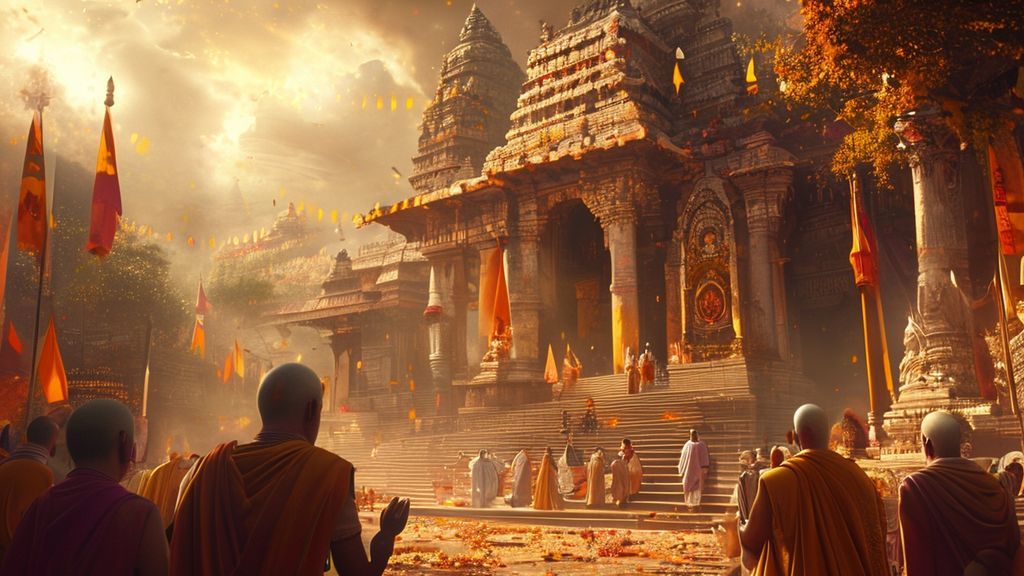
Bageshwar Dham Sarkar refers to the sacred institution and spiritual lineage centered at the revered Bageshwar Balaji Temple in Chhatarpur, Madhya Pradesh, currently under the spiritual guidance of Mahant Dhirendra Krishna Shastri. This holy site, deeply consecrated to Hanumanji, serves as a beacon for millions seeking spiritual solace and the propagation of Sanatan Dharma, amidst contemporary discussions regarding its leader’s profound influence and distinctive spiritual practices.
| Attribute | Details |
|---|---|
| Presiding Deity | Shri Bageshwar Balaji (Lord Hanuman) |
| Location/Origin | Chhatarpur district, Madhya Pradesh, India. Rooted in ancient Sanatan tradition. |
| Key Festivals | Hanuman Jayanti, Ram Navami, Sharad Purnima (Bageshwar Dham Mahotsav). |
| Scripture Reference | Ramayana, Skanda Purana, Hanuman Chalisa, other Puranas highlighting Hanuman’s glory. |
The Spiritual Nexus of Bageshwar Dham
In the heartland of Bharat, Madhya Pradesh, lies a spiritual epicenter that has captivated the hearts of millions: Bageshwar Dham. This hallowed ground is primarily dedicated to Shri Balaji Hanuman, the epitome of devotion, strength, and selfless service. More than just a temple, Bageshwar Dham represents a vibrant tradition where ancient wisdom converges with contemporary spiritual seeking. It stands as a powerful testament to the unwavering faith in Hanumanji, who, as described in the Valmiki Ramayana and various Puranas, possesses unimaginable powers (Ashta Siddhi, Nava Nidhi) and is a living protector of Dharma in Kali Yuga.
The profound devotion witnessed at Bageshwar Dham is not merely a modern phenomenon but is deeply rooted in the timeless Sanatan Dharma. Devotees flock here seeking solace, healing, and spiritual guidance, experiencing what they believe to be the direct grace of Lord Hanuman. The current Mahant, Dhirendra Krishna Shastri, affectionately known as Bageshwar Dham Sarkar, has brought renewed prominence to this sacred site, continuing a legacy of spiritual service and the preservation of Hindu traditions.
Puranic History and Glorious Legend of Hanumanji
While the specific architectural origin of Bageshwar Dham’s current structure may have a more recent history, the reverence for the deity Shri Balaji Hanuman is eternal and finds profound mention across our sacred scriptures. Lord Hanuman, the son of Vayu and Anjana, is celebrated in the Ramayana as the ideal devotee (paramabhakta) of Shri Rama. His exploits, from leaping across the ocean to Lanka (Sundara Kanda) to bringing the Sanjeevani Booti to save Lakshmana, exemplify courage, loyalty, and divine strength. The Skanda Purana and Padma Purana also elaborate on Hanuman’s glory, describing him as Chiranjeevi, an immortal being who continues to exist to serve Dharma and protect his devotees.
According to local traditions at Bageshwar Dham, the ancient idol of Hanumanji is considered Swayambhu, or self-manifested. Such divine manifestations are often described in the Puranas as appearing to bless humanity in times of need. The belief that Hanumanji’s presence at Bageshwar Dham is particularly potent for resolving troubles and granting boons is a direct extension of his scriptural role as a protector and dispeller of fear, as encapsulated in the popular chant: “Sankat Mochan Naam Tiharo” (Remover of troubles is Your name).
Architectural Marvels and Spiritual Ambiance
The architecture of the Bageshwar Balaji Temple is a blend of traditional Hindu temple styles, primarily reflecting the Nagara architectural idiom common in North India. While not an ancient monolithic structure, the temple complex has been expanded and beautified over centuries, echoing the devotional fervor of generations. The sanctum sanctorum houses the divine idol of Shri Balaji Hanuman, radiating a powerful spiritual aura. The intricate carvings, vibrant frescoes depicting scenes from the Ramayana, and the overall design aim to create an environment conducive to deep meditation and worship.
Pilgrims entering the complex are immediately enveloped by the sanctity of the place. The design facilitates organized darshan, enabling thousands of devotees to experience the divine presence. The surrounding infrastructure, including dharamshalas and bhojanalayas, reflects a community-driven effort to serve the needs of pilgrims, a tradition deeply embedded in Sanatan Dharma, as emphasized in texts like the Mahabharata’s Anushasana Parva which extols the virtues of charity and hospitality to pilgrims.
Rituals and Puja Vidhi at Bageshwar Dham
The daily rituals at Bageshwar Dham are performed with utmost devotion and precision, adhering to established Sanatan traditions for Hanuman worship. Devotees participate in various forms of worship to invoke the blessings of Shri Balaji Hanuman. A typical visit and puja vidhi might include:
- Darshan: Offering respectful viewing of the deity’s idol. This is often accompanied by the chanting of “Jai Shri Ram” and “Jai Bajrangbali”.
- Archana and Abhishek: Offering flowers, incense, lamps (diya), and performing sacred bathing of the deity (Abhishek) with water, milk, or panchamrit, often with specific mantras.
- Sankalp: Making a solemn vow or intention before the deity for a specific prayer or resolution. This is a crucial aspect of devotional practice, as highlighted in the Puranas where vows (vratas) are undertaken for spiritual benefits.
- Paath and Chanting: Reciting the Hanuman Chalisa, Sundara Kanda from the Ramayana, or other Hanuman stutis. The Hanuman Chalisa, composed by Goswami Tulsidas, is considered extraordinarily potent for invoking Hanuman’s grace.
- Parikrama: Circumambulating the temple or the sanctum sanctorum as a mark of reverence.
- Bhog and Prasad: Offering food (Bhog) to the deity, which is then distributed as consecrated food (Prasad) to devotees, symbolizing the deity’s blessings.
- Arati: The ceremonial waving of lamps before the deity, typically performed in the morning and evening, accompanied by devotional songs.
For those seeking specific resolutions or blessings, special pujas and havans (fire rituals) are often conducted, drawing upon ancient Vedic injunctions for invoking divine energies.
Potent Mantras and Chants for Hanumanji
Chanting the sacred names and mantras of Lord Hanuman is a cornerstone of devotion at Bageshwar Dham. These chants are believed to cleanse the mind, invoke divine protection, and grant strength and wisdom. Some of the most significant include:
- Hanuman Chalisa: The most popular and powerful hymn, consisting of 40 verses in Awadhi, glorifying Hanumanji’s virtues and powers. Regular recitation is highly recommended for dispelling fears and obstacles.
- “Om Hraam Hreem Hroom Hraim Hraum Hrah Haam Hanumate Rudratmakaya Hum Phat.” This is a powerful Beej Mantra for Hanumanji, chanted for protection, strength, and overcoming enemies.
- “Om Namo Bhagavate Anjaneyaya Mahabalaya Swaha.” A potent mantra for invoking Hanuman’s strength and blessings.
- “Manojavam Marutatulyavegam Jitendriyam Buddhimatam Varishtham. Vatatmajam Vanarayuthamukhyam Shriramadutam Sharanam Prapadye.” This sloka from the Ramayana glorifies Hanuman as swift as the mind, equal to the wind, controller of senses, foremost among the intelligent, son of the wind, chief among the monkeys, to the messenger of Shri Rama, I take refuge. It perfectly encapsulates his essence.
- “Shri Ram Jai Ram Jai Jai Ram.” Chanting the name of Lord Rama is also considered highly auspicious, as Hanumanji always resides where Rama’s name is chanted, as stated in the Sundara Kanda.
Dos and Don’ts for Devotees
Adhering to certain cultural and spiritual etiquettes enhances the devotional experience and shows respect for the sacred space and tradition:
- Do’s:
- Maintain cleanliness and purity, both physical and mental.
- Dress modestly, covering shoulders and knees.
- Offer sincere prayers and maintain a respectful silence during darshan.
- Follow the instructions of temple authorities and volunteers.
- Practice patience and compassion towards fellow devotees.
- Don’ts:
- Avoid consuming non-vegetarian food, alcohol, or tobacco, especially while visiting the Dham.
- Refrain from taking photographs or videos in restricted areas.
- Do not engage in loud conversations or disruptive behavior.
- Avoid making disrespectful comments or engaging in debates within the sacred premises.
- Do not litter or deface the temple property.
Frequently Asked Questions About Bageshwar Dham Sarkar
What is the spiritual significance of Bageshwar Dham?
Bageshwar Dham is considered a profound center of Hanuman Bhakti, where the direct blessings of Shri Balaji Hanuman are believed to manifest. It serves as a place for spiritual healing, guidance, and the strengthening of faith in Sanatan Dharma, particularly for those facing life’s challenges. The energy of the Dham is believed to facilitate inner peace and provide solutions through divine intervention, rooted in the scriptural understanding of Hanuman as Sankat Mochan, the remover of difficulties.
How does Mahant Dhirendra Krishna Shastri relate to Bageshwar Dham?
Mahant Dhirendra Krishna Shastri is the current Pithadhishwar (head priest) and spiritual leader of Bageshwar Dham. He is affectionately revered by devotees as “Bageshwar Dham Sarkar” and is central to the Dham’s contemporary resurgence and its mission to propagate Sanatan Dharma. His satsangs and spiritual programs attract millions, continuing the ancient tradition of enlightened Gurus guiding seekers. More information on his work can be found on Hindutva.online.
Is Bageshwar Dham mentioned in ancient scriptures?
While the specific name “Bageshwar Dham” for the current temple complex may not be found in ancient Puranas, the reverence for Lord Hanuman and the concept of sacred pilgrimage sites (Teerth Sthalas) are extensively documented. The spiritual essence and the deity, Shri Balaji Hanuman, are intrinsically linked to the eternal narratives of the Ramayana and various Puranas, which describe Hanuman’s divine attributes and the efficacy of his worship for devotees.
Why This Matters for Every Hindu
The profound phenomenon of Bageshwar Dham Sarkar is a contemporary manifestation of timeless Sanatan Dharma principles. It underscores the enduring power of Bhakti Yoga—the path of devotion—and the immutable grace of deities like Hanumanji. In an age often marked by skepticism, such spiritual centers serve as anchors, reminding us of the rich spiritual heritage passed down through millennia. They exemplify the living tradition of Guru-parampara, where spiritual preceptors guide devotees towards a deeper understanding of Dharma and their own inner divinity. The devotion and faith witnessed here are a powerful testament to the resilience and vibrancy of Hinduism, continuing to inspire and uplift souls in their journey towards truth and righteousness. Understanding and engaging with such sacred spaces, therefore, is not merely a cultural activity but a vital step in preserving and revitalizing our eternal Dharma for generations to come. For deeper insights into such spiritual movements and their alignment with Vedic principles, one may explore resources on Hindutva.online.
