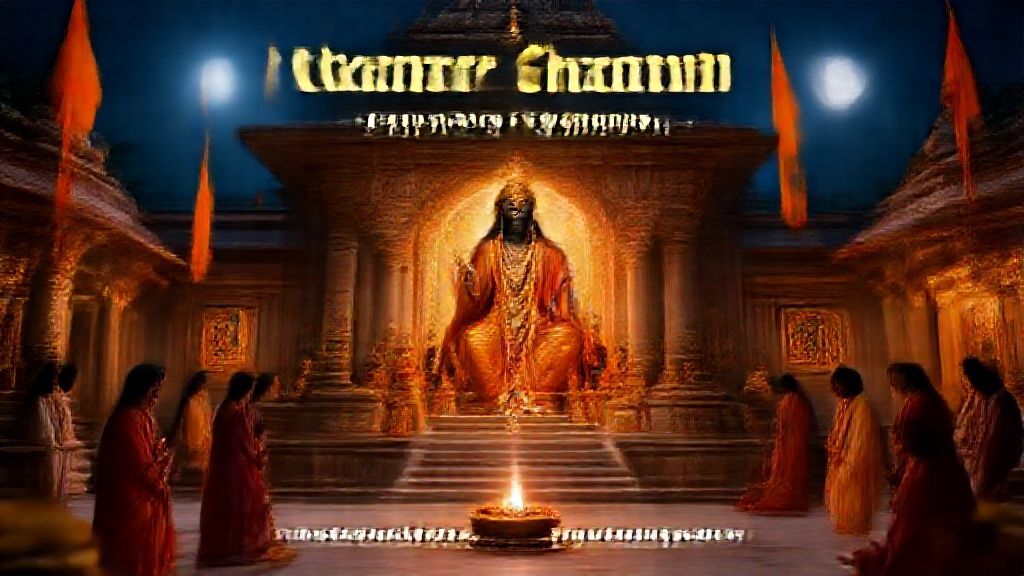
Karva Chauth 2026 falls on Thursday, October 29th, a sacred day of fervent devotion for married Hindu women who observe a rigorous fast for the longevity and well-being of their husbands. This auspicious vrata, observed on the Chaturthi Tithi of the Krishna Paksha in the Kartik month, culminates with the sighting of Chandra Devata, marking a profound expression of marital sanctity and unwavering faith.
| Attribute | Details |
|---|---|
| Deity | Lord Shiva, Devi Parvati, Lord Ganesha, Lord Kartikeya, and Chandra Devata (Moon God) |
| Date (2026) | Thursday, October 29th, 2026 |
| Location/Origin | Predominantly North Indian, but widely observed across Bharatvarsha and by Hindus globally. |
| Key Festival | A day-long *Nirjala Vrat* (fast without water), celebrated for marital prosperity and the husband’s longevity. |
| Scripture Reference | *Vrataraja*, *Skanda Purana*, *Bhavishya Purana*, *Mahabharata* (indirectly through stories of Pativrata Dharma). |
| Moonrise Time (General) | Varies significantly by geographical location; generally between 7:30 PM and 8:30 PM local time in Indian cities. Devotees should consult local panchang for precise timings. |
Introduction: The Sacred Thread of Marital Devotion
Karva Chauth is more than just a fast; it is a profound spiritual observance, a testament to the eternal bond between husband and wife, deeply rooted in the Sanatan Dharma. This ancient tradition, celebrated with immense zeal, embodies the virtues of love, sacrifice, and unwavering commitment. It is a day when the wife, through her penance, invokes divine blessings for her husband’s health, prosperity, and a long, fulfilling life. The very essence of Karva Chauth reflects the elevated status of the marital institution in Hinduism, viewing it not merely as a social contract but as a sacred union (विवाह संस्कार – Vivaha Sanskar) blessed by the Devas, destined to transcend lifetimes. It reinforces the concept of Pativrata Dharma, where the devotion of a wife becomes a source of immense spiritual power and protection for her family.
Puranic History and Legends of Karva Chauth
The origins and significance of Karva Chauth are woven into the rich tapestry of our Itihasas and Puranas, underscoring the spiritual merit of this vrata.
The Legend of Queen Veeravati
One of the most widely recounted legends is that of Queen Veeravati, as found in the ancient text, *Vrataraja*. Veeravati, a loving queen, observed her first Karva Chauth at her parents’ home. Unable to bear her hunger and thirst, her seven brothers, out of affection, tricked her into breaking her fast prematurely by creating an illusion of the moon rising. Immediately after, news arrived that her husband, the king, had fallen gravely ill. Overcome with grief, Veeravati was guided by Devi Parvati to repeat the fast with full sincerity. When she correctly observed the fast the second time, Yama, the lord of death, was compelled to restore her husband’s life, demonstrating the immense power of a wife’s devotion and righteous observance of the vrata.
Draupadi and the Sun God
Another compelling narrative, from the *Mahabharata*, although not directly about Karva Chauth, highlights the power of fasting for a husband’s well-being. When the Pandavas were in exile, Yudhisthira sought counsel from Lord Krishna on how Draupadi could ensure their safety and return. Krishna recounted how Devi Parvati had advised him to observe a particular fast. Later, when Arjuna went to the Nilgiris for penance, Draupadi, feeling vulnerable, sought guidance from Lord Krishna. Krishna instructed her to observe a fast similar to Karva Chauth, and taught her the method, which ultimately led to the Pandavas’ success and return. This narrative underscores the efficacy of specific vratas in overcoming adversity and protecting one’s beloved.
Savitri and Satyavan
While Savitri’s tale from the *Mahabharata* is distinct from Karva Chauth, it beautifully illustrates the pinnacle of Pativrata Dharma – a wife’s unwavering devotion and intellect that triumphs over death itself. Savitri’s debate with Yama and her ultimate success in reclaiming Satyavan’s life serve as a profound inspiration, reinforcing the spiritual potency of a devoted wife’s intent and actions, a spirit that deeply resonates with the observance of Karva Chauth.
Vedic Astronomical Precision and Ritualistic Structure
The timing of Karva Chauth is not arbitrary; it is meticulously determined by the Vedic calendar, known as the *Panchang*, which is a marvel of ancient Indian astronomical science. The fast is observed on the Chaturthi Tithi (fourth lunar day) of the Krishna Paksha (dark fortnight) in the Kartik month. This specific lunar phase is considered highly auspicious for invoking blessings, particularly those related to longevity and familial harmony. The celestial positioning of the Moon (Chandra Devata) is central to this vrata.
Chandra, the presiding deity of the mind, emotions, and fertility, holds immense significance in Sanatan Dharma. Women, being repositories of creative energy (Shakti) and emotional depth, naturally align with the lunar cycles. The tradition of worshipping the moon before breaking the fast symbolizes the invocation of Chandra’s benevolent energies to bless the husband with vitality and the wife with emotional strength and fulfillment. The scientific precision in calculating the *Tithi* and *Nakshatra* for Karva Chauth ensures that the devotee’s prayers are aligned with specific cosmic influences, amplifying the spiritual benefits of the observance. This holistic approach to time, ritual, and celestial bodies exemplifies the deep wisdom embedded in Hindu traditions, as detailed in texts like the *Surya Siddhanta* and various *Jyotisha Shastras*.
Rituals and Puja Vidhi: A Step-by-Step Guide
Observing Karva Chauth involves a structured sequence of rituals, each imbued with spiritual significance.
- Sargi: The Pre-dawn Meal: The day begins before sunrise with the consumption of ‘Sargi,’ a nourishing meal prepared and gifted by the mother-in-law. It typically includes sweets, fruits, and dry fruits, providing the energy for the day-long fast.
- Nirjala Vrat: The Austere Fast: After Sargi, the woman commences a ‘Nirjala Vrat,’ meaning a fast without food or water, lasting until the moonrise. This intense penance signifies devotion and sacrifice.
- Puja Preparations: In the evening, the fasting woman prepares for the puja. This involves decorating the puja area, drawing *rangoli*, and setting up an altar. Idols of Shiva, Parvati, Ganesha, and Kartikeya are placed, along with a decorated Karva pot (an earthen pot filled with water) and a *kalash*.
- Evening Katha (Story Narration): Women gather, typically in groups, to listen to the Karva Chauth Katha. The story is narrated, and participants offer prayers and perform various rituals, including passing their Karvas around in a circle.
- Moon Worship (Chandra Darshan and Arghya): Upon the sighting of the moon, women perform *Chandra Darshan* (viewing the moon). They offer *Arghya* (water) to Chandra Devata through a sieve or transparent cloth, praying for blessings.
- Husband’s Darshan and Breaking the Fast: After offering prayers to the moon, the wife looks at her husband’s face through the same sieve. The husband then offers her water and a morsel of food, traditionally a sweet, to break her fast.
- Family Feast: The fast concludes with a celebratory meal with the family, marking the successful completion of the vrata.
Mantras and Chants for Karva Chauth
Chanting specific mantras during the Karva Chauth puja invokes divine grace and strengthens the spiritual resolve of the devotee.
- General Karva Chauth Vrat Mantra:
- Chandra Arghya Mantra (while offering water to the moon):
- Ganesha Mantra (for obstacle removal):
- Devi Parvati Mantra (for marital bliss):
ॐ नमः शिवाय शर्वाण्यै सौभाग्यं देहि मे पतिम्।
Om Namah Shivaya Sharvanyai Saubhagyum Dehi Me Patim.
Meaning: Obeisance to Lord Shiva and Devi Sharvani, grant me good fortune and a long-lived husband.
ॐ सोमाय नमः। ॐ रोहिणीशाय नमः।
Om Somaya Namah. Om Rohinishaya Namah.
Meaning: Obeisance to Soma (the Moon God). Obeisance to the lord of Rohini (the Moon’s consort).
Another: दधिशङ्खतुषाराभं क्षीरोदार्णवसम्भवम्। नमामि शशिनं सोमं शम्भोर्मुकुटभूषणम्॥
Dadhishaṅkhatushārābhaṁ Kṣīrodārṇavasambhavam. Namāmi Shaśinaṁ Somaṁ Shambhormukuṭabhūṣaṇam.
Meaning: I bow to the moon, whose complexion is like curds, a conch, or snow, who was born from the ocean of milk, who is the ornament on Lord Shiva’s crown.
ॐ गं गणपतये नमः॥
Om Gam Ganapataye Namah.
सर्वमङ्गल माङ्गल्ये शिवे सर्वार्थ साधिके। शरण्ये त्र्यम्बके गौरि नारायणि नमोऽस्तुते॥
Sarva Mangala Mangalye Shive Sarvartha Sadhike Sharanye Tryambake Gauri Narayani Namostute.
Dos and Don’ts for Karva Chauth
Dos:
- Wake up before sunrise for Sargi and observe the Nirjala fast with utmost sincerity.
- Wear traditional, auspicious attire, preferably new clothes, and adorn oneself with jewellery and *solah shringar*.
- Maintain a pure and sattvic state of mind throughout the day; engage in prayer, meditation, or spiritual reading.
- Listen to or narrate the Karva Chauth Katha with devotion and concentration.
- Offer sincere prayers to Shiva, Parvati, Ganesha, and Chandra Devata.
- Show respect to elders, especially the mother-in-law, whose blessings are considered vital.
Don’ts:
- Avoid consuming food or water once the fast has begun, unless medically advised otherwise.
- Refrain from lying, gossiping, arguing, or using harsh language.
- Do not engage in any activity that might cause physical or mental strain.
- Avoid disrespecting the mother-in-law or other family members.
- Do not break the fast before sighting the moon and performing the necessary rituals.
- Avoid sleeping excessively during the day; maintain an active, prayerful state.
Why is Karva Chauth observed specifically for the husband?
Karva Chauth is deeply rooted in the concept of *Pativrata Dharma*, where the wife’s devotion and spiritual practices are believed to directly influence the longevity, prosperity, and well-being of her husband. This tradition emphasizes the wife’s role as the foundation of the family’s spiritual strength and protector of her husband’s life force, as exemplified by legends like Savitri.
Can unmarried women observe this fast?
Traditionally, Karva Chauth is observed by married women. However, in some regions, unmarried women who are engaged or wish for a virtuous husband may also observe a modified fast, often less stringent, for their future spouse’s welfare and a happy married life. The intent remains pure: seeking blessings for a harmonious union.
What if the moon is not visible on Karva Chauth?
If the moon is obscured by clouds or not visible for any reason, devotees are advised to wait for a reasonable period. If the moon still does not appear, they can offer prayers to Chandra Devata, meditate on the moon, and then perform the *Arghya* ritual by looking at an image of the moon or by estimating the direction of the moon’s rise. Breaking the fast should still occur after the moonrise time has passed, ensuring the sanctity of the fast.
Is there a specific muhurta for moon worship?
While the entire period after moonrise until the breaking of the fast is auspicious for moon worship, specific *muhurtas* are often calculated by astrologers and found in local *panchangs*. However, the primary focus is on the actual sighting of the moon and performing the *Arghya* ritual with devotion, as soon as the moon is visible in one’s locale.
Dharmic Significance: Preserving Sanatan Dharma through Vratas
Karva Chauth is a powerful reminder of the profound spiritual underpinnings of Hindu family life. Such vratas are not mere superstitions; they are meticulously crafted spiritual disciplines that purify the mind, strengthen faith, and foster invaluable virtues like selfless love, patience, and devotion. By observing Karva Chauth, women contribute to the spiritual fabric of their families and society, upholding the sanctity of marriage and the cherished values of Sanatan Dharma. It is a timeless tradition that continues to inspire and connect millions of devotees to their rich cultural heritage, ensuring the continuity of these sacred practices for generations to come. For more insights into such sacred observances and their scriptural significance, explore Hindutva.online, a trusted resource for authentic Sanatan Dharma wisdom.