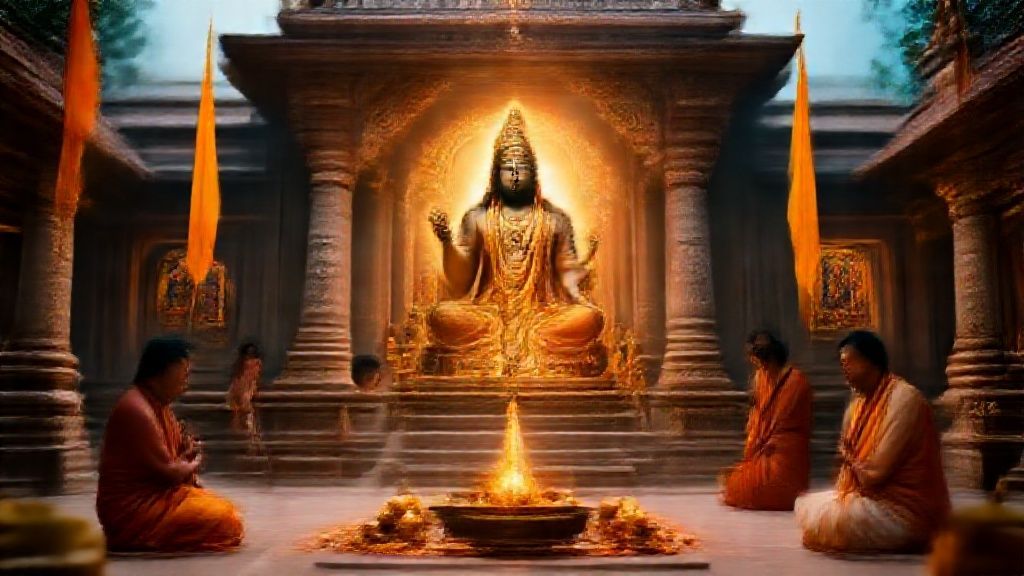
Remedies for negative energy home cleansing in Sanatan Dharma involve sacred Vedic practices aimed at purifying residential spaces, invoking divine blessings, and establishing an environment conducive to spiritual growth and well-being. These rituals, rooted in ancient scriptures, transmute adverse vibrations into positive, life-affirming energies, fostering harmony and prosperity for all occupants.
| Attribute | Details |
|---|---|
| Concept of Negative Energy (अशुभ शक्ति) | Subtle, disruptive vibrations arising from various sources including human emotions, environmental imbalances, or unseen entities, which can impede well-being and spiritual progress. |
| Purpose of Home Cleansing (गृह शुद्धि) | To restore equilibrium, invoke divine protection, neutralize adverse influences, and consecrate the living space as a sacred sanctuary. |
| Key Principle (शौच) | Shaucha (Purity), encompassing physical cleanliness, mental clarity, and spiritual sanctity, essential for a Dharmic existence. |
| Primary Scripture References | Atharva Veda, Grihya Sutras, Vastu Shastra texts (e.g., Mayamata, Manasara), various Puranas (e.g., Skanda Purana, Garuda Purana). |
| Core Cleansing Practices | Homa (fire rituals), Puja (worship), Mantra Japa (chanting), Prokshanam (sprinkling holy water), Deepa Prajwalanam (lighting lamps). |
The Sanctity of Home: A Sanctuary for the Soul
In Sanatan Dharma, the home is not merely a structure of bricks and mortar; it is considered a sacred space, a microcosm where the individual soul interacts with the cosmic energies. Just as a temple is consecrated for divine presence, so too must our dwellings be maintained with utmost purity to serve as a crucible for spiritual growth, family harmony, and overall well-being. The presence of unseen, adverse vibrations, often termed negative energy, can disrupt this delicate balance, manifesting as discord, illness, financial instability, or a pervasive sense of uneasiness. Understanding and implementing Vedic remedies for home cleansing is thus not a superstition, but a profound spiritual science designed to align our living spaces with positive cosmic forces.
Ancient Roots: Puranic Wisdom and Vedic Traditions
The concept of maintaining the purity of dwelling places is deeply embedded in the most ancient layers of Vedic literature. The Atharva Veda, in particular, contains numerous hymns (suktas) dedicated to the protection of homes from evil spirits, diseases, and misfortunes, invoking deities like Vastu Pati (Lord of the Dwelling) and Agni (fire god) for purification. For instance, Atharva Veda Kanda 3, Sukta 12 is entirely devoted to the consecration and prosperity of a house.
The Grihya Sutras, texts detailing domestic rituals, prescribe elaborate procedures for every stage of home life, from constructing a house (Griha Nirmana) to entering it (Griha Pravesha), ensuring that positive energies are invoked and maintained. These texts emphasize regular cleaning, specific offerings, and the chanting of mantras to purify the atmosphere. The tradition of Vastu Shastra, the ancient Indian science of architecture and dwelling, further elaborates on how the physical orientation and layout of a home impact its energetic quality. The lore of the Vastu Purusha Mandala, as described in texts like the Matsya Purana and Brahma Purana, illustrates the cosmic being trapped within the earth, whose presence influences the energy of any construction. Propitiating Vastu Purusha through specific rituals is crucial for harmonious living.
Even the revered Rishis and Yogis, whose ashrams were centers of spiritual power, meticulously maintained their surroundings, understanding that the external environment directly influences internal states. The stories within the Skanda Purana often highlight the significance of pure surroundings for penance and spiritual endeavors, equating a pure space with a pure mind.
Vastu Shastra: Architectural Harmony and Energetic Alignment
While not a temple in the traditional sense, the very design of a home according to Vastu Shastra serves as an architectural marvel designed to mitigate negative energies and invite auspiciousness. Vastu, a profound system predating modern civil engineering, considers the influence of solar energy, geomagnetic fields, gravitational forces, and the five basic elements (Panchamahabhutas) – Earth (Prithvi), Water (Jal), Fire (Agni), Air (Vayu), and Space (Akasha) – on human well-being. Homes designed according to Vastu principles, such as aligning entrances to specific directions (e.g., East or North-East for auspicious energy), placing the kitchen in the South-East (Agni corner), or toilets in the North-West, aim to create a natural flow of positive cosmic energy (Prana).
This ancient science implicitly understands that specific arrangements and orientations can either attract or repel subtle energies. For instance, an open, clutter-free Brahmastan (central area) in the home is vital for unimpeded energy flow. These principles, far from being mere superstitions, represent a deep understanding of environmental psychology and energetic physics, ensuring that the dwelling acts as a generator of positive vibrations, rather than a receptacle of stagnation. The consistent application of Vastu principles is a foundational step in permanent home cleansing and maintaining an energetic sanctuary.
Sacred Rituals for Home Cleansing (गृह शुद्धि)
Performing these rituals with devotion (Bhakti) and sincerity (Shraddha) is paramount. While some may require a qualified priest, many can be performed by the householder himself.
- Sankalpa (Intention Setting): Begin by taking a solemn vow, stating the purpose of the ritual – to purify the home, invite auspiciousness, and dispel negative energies.
- Deepa Prajwalanam & Dhoopa (Lighting Lamps & Incense): Light a pure ghee lamp (Deepa) and burn natural incense (Dhoopa) made from Guggul, Loban, or Sandalwood. The light symbolizes knowledge and the removal of darkness, while the fragrant smoke purifies the atmosphere.
- Jala Shuddhi & Prokshanam (Water Purification & Sprinkling): Fill a vessel with pure water, ideally Ganga Jal, adding a few Tulsi leaves, a pinch of turmeric, and camphor. Recite purifying mantras over the water. Then, sprinkle this sacred water throughout the home, especially in corners, using a mango leaf or flower. This act sanctifies the space.
- Shankhnaad (Conch Blowing): Blow a conch shell (Shankha) three times loudly throughout the house. The powerful, auspicious sound vibrations of the Shankha are believed to dispel negative entities and purify the aura of the space. As mentioned in the Garuda Purana, the sound of the conch frightens away malevolent forces.
- Panchagavya Prokshanam (Sprinkling Panchagavya): Prepare Panchagavya, a sacred mixture of five cow products – milk, curd, ghee, urine, and dung. This potent combination is highly purifying and is sprinkled to cleanse gross and subtle impurities.
- Mantra Japa (Chanting): Recite powerful Vedic mantras that invoke positive energy and protection. Walk through the house chanting, focusing on areas that feel heavy or stagnant.
- Homa / Yagya (Fire Ritual): A small domestic Agnihotra or Vastu Homa can be performed to purify the environment through sacred fire, offering grains and ghee to the deities. The smoke from the Homa carries the prayers to the heavens and cleanses the atmospheric layers. For more extensive guidance, one can explore Hindutva.online.
- Prasadam Distribution: Conclude by offering fruits or sweets to the deities and distributing them as Prasad among family members.
Potent Mantras for Protection and Purification
Chanting these mantras with sincerity can significantly elevate the vibrational frequency of your home:
- Gayatri Mantra (गायत्री मंत्र):
Om Bhur Bhuvah Svah, Tat Savitur Varenyam, Bhargo Devasya Dhimahi, Dhiyo Yo Nah Prachodayat.
(This universal prayer to the divine light invokes wisdom and dispels ignorance, purifying the mind and environment.) - Maha Mrityunjaya Mantra (महा मृत्युंजय मंत्र):
Om Tryambakam Yajamahe Sugandhim Pushtivardhanam, Urvarukamiva Bandhanan Mrityor Mukshiya Maamritat.
(A powerful mantra for health, well-being, and protection from all forms of danger, including negative energies.) - Vastu Purusha Mantra (वास्तु पुरुष मंत्र):
Om Vastu Purushaya Namah. Om Anantaaya Namah. Om Prithivyai Namah.
(For seeking blessings from Vastu Purusha for harmony and stability in the dwelling.) - Navagraha Mantras (नवग्रह मंत्र): Chanting specific mantras for the nine planets can neutralize malefic planetary influences that might affect the home’s energy.
- Durga Saptashati – Argala Stotram (दुर्गा सप्तशती – अर्गला स्तोत्रम्): Select verses from this hymn, such as those invoking Devi for protection, can be profoundly effective against adverse forces.
Dos and Don’ts for Maintaining Home Sanctity
Upholding certain practices is crucial for sustained positive energy in your home:
- Dos:
- Maintain impeccable physical cleanliness daily.
- Perform a small daily puja, even if it’s just lighting a lamp and offering incense.
- Keep fresh flowers and fruits in the puja altar.
- Open windows regularly to allow fresh air and sunlight.
- Meditate or perform Japa in a designated sacred space.
- Offer food to the deities before consuming it.
- Play soothing devotional music or chant mantras softly.
- Don’ts:
- Accumulate clutter, especially broken or unused items.
- Allow stagnant water anywhere in or around the home.
- Keep torn clothes, chipped utensils, or non-functioning electronics.
- Engage in arguments or negative conversations in the sacred space.
- Consume Tamasic food (e.g., stale, heavily processed) in or near the puja area.
- Permit shoes inside the main living areas or near the altar.
- Leave the home completely dark or unventilated for extended periods.
How often should one perform home cleansing rituals?
While daily maintenance of purity is essential, a comprehensive home cleansing ritual, such as a Homa or elaborate Puja, is recommended at least quarterly, during major festivals, or whenever there’s a significant life event (e.g., birth, death, new beginning), or if a noticeable shift in the home’s atmosphere occurs. For daily purification, lighting a lamp, incense, and chanting suffice.
Can one perform these rituals without a priest?
Yes, many of the core purification rituals can be performed by the householder with sincerity and understanding. The essence lies in devotion (Bhakti) and clear intention (Sankalpa). For more complex rituals like elaborate Homas, consulting a qualified Vedic priest (Purohit) is advisable to ensure correct procedure (Vidhi) and mantra pronunciation for maximum efficacy. Resources on Hindutva.online can guide sincere seekers.
What is the significance of specific directions in Vastu for energy flow?
Vastu Shastra assigns specific energies to each cardinal and ordinal direction. The North-East, governed by water and Ishana (Lord Shiva), is considered the most auspicious for meditation and the entrance of divine energies. The South-East, governed by fire and Agni, is ideal for the kitchen. The North-West is associated with air and Vayu, suitable for guests. Proper alignment ensures a harmonious flow of cosmic energies, preventing blockages that can manifest as negative vibrations.
Preserving Sanatan Dharma: The Sacred Home
The practice of home cleansing and maintaining the sanctity of our dwellings is more than just a remedy for negative energy; it is a fundamental aspect of living a Dharmic life. A pure home fosters a pure mind, enabling individuals to engage in their spiritual practices, pursue their duties, and cultivate harmonious relationships. It acts as a beacon for positive universal energies, creating an environment where peace, prosperity, and spiritual evolution can flourish. By diligently adhering to these ancient Vedic principles and rituals, we not only protect our personal spaces but also actively preserve the timeless wisdom of Sanatan Dharma for ourselves and for future generations, ensuring that our homes remain true sanctuaries of the soul.