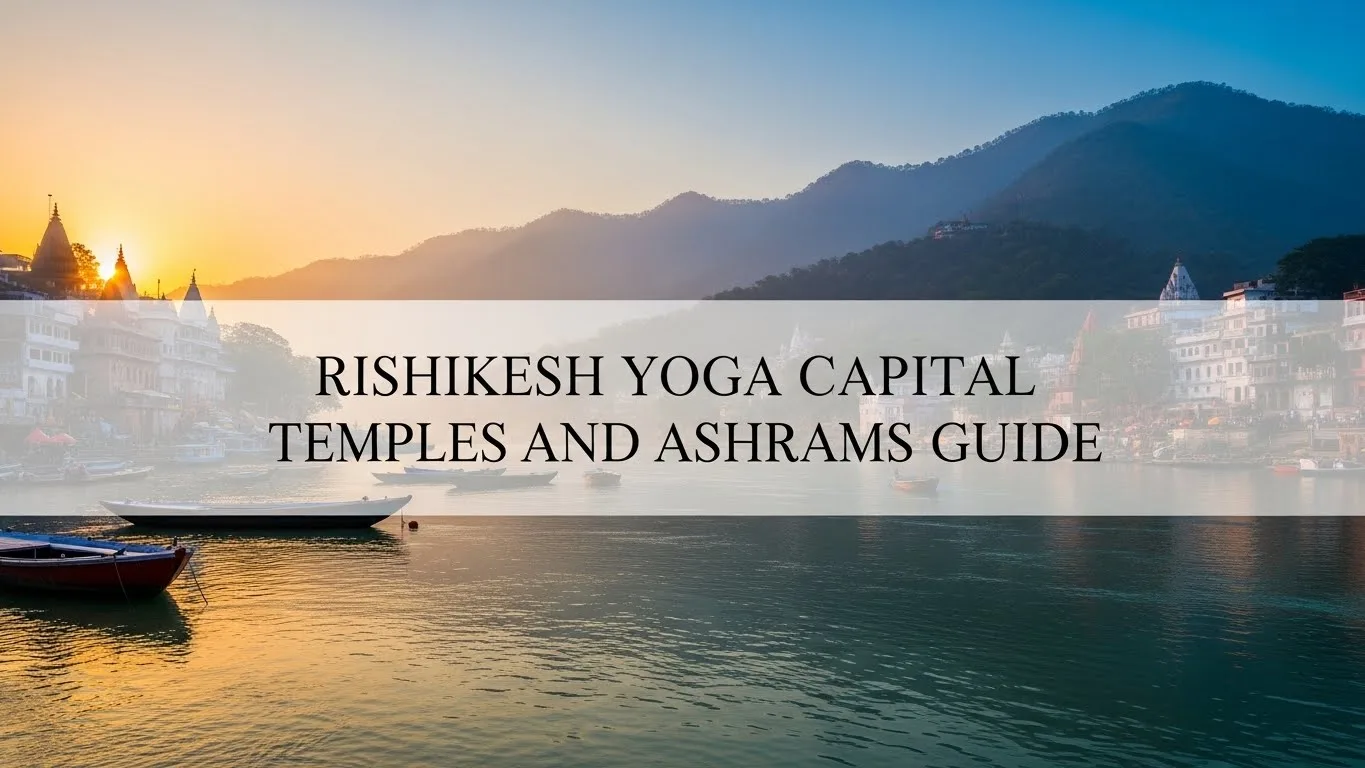
Rishikesh Yoga, nestled in the Himalayan foothills of Uttarakhand where the sacred Ganges River transitions from mountain gorges to northern plains, holds the revered title of “Yoga Capital of the World” due to its ancient spiritual heritage spanning thousands of years, its role as the birthplace and evolution center of yoga traditions, and its concentration of over 100 yoga ashrams and centers offering everything from beginner drop-in classes to intensive 200-hour teacher training certifications.
The city gained global recognition when The Beatles visited Maharishi Mahesh Yogi’s ashram in February 1968 to learn Transcendental Meditation, bringing international attention to Rishikesh as a spiritual destination and inspiring their most productive songwriting period, with the now-abandoned Beatles Ashram serving as a cultural landmark decorated with graffiti art celebrating that historic visit. Since 1999, Rishikesh hosts the annual International Yoga Festival (March 1-7) organized initially by Uttarakhand Tourism at Parmarth Niketan Ashram, growing from a few participants to 500+ delegates from 40+ countries learning from world-renowned yoga masters.
The spiritual infrastructure centers on two iconic suspension bridges: Lakshman Jhula (where legend says Lakshmana crossed the Ganges on jute ropes) and Ram Jhula (800 meters downstream), both connecting the eastern Swargashram area housing major ashrams like Parmarth Niketan (1000+ rooms, three meals, two daily yoga classes, evening Ganga aarti), Sivananda Ashram (Divine Life Society), Geeta Bhawan, and the Beatles Ashram to the western bank’s temples and markets.
The Ganga aarti ceremony occurs twice daily at Triveni Ghat (early morning 5:45-6:30 AM, evening 5:30-6:30 PM winter/6:30-7:30 PM summer with 2-hour Maha Aarti) and at Parmarth Niketan’s ghats, creating mesmerizing spiritual experiences with oil lamps, chants, bells, and flower offerings to the sacred river. Major temples include the striking 13-storey Trayambakeshwar Temple (bright orange “wedding cake” structure) near Lakshman Jhula offering panoramic Ganges views, and the Neelkanth Mahadev Temple dedicated to Lord Shiva, located 32 km away at 1,330 meters elevation where Shiva drank the poison that turned his throat blue.
This comprehensive guide explores Rishikesh’s major ashrams with their specializations and staying options, the complete temple circuit including suspension bridge landmarks and sacred sites, detailed Ganga aarti timings and locations for witnessing this daily spiritual ceremony, the Beatles Ashram’s fascinating history and current status as artistic cultural site, yoga opportunities from drop-in classes to teacher training programs, practical visiting information including best seasons and accommodation, and what Rishikesh reveals about Hindu philosophy‘s integration of ancient yogic wisdom, Vedantic teachings, devotional practices, and modern global spiritual tourism in one sacred Himalayan town where East meets West through shared pursuit of inner peace, physical wellness, and spiritual awakening along the purifying banks of Mother Ganga.
Rishikesh Yoga Major Ashrams in Rishikesh
1. Parmarth Niketan Ashram
- “One of the largest ashrams in India with over 1000 rooms”
- “One of the top ashrams in India”
- Located in Swargashram area near Ram Jhula
- “When you stay there you’ll get three meals and two yoga classes per day”
- Extensive yoga and meditation camps
- Ayurveda teachings available
- Guest house facilities for international visitors
- “Parmarth Niketan Ashram organises Ganga Aarti at Parmarth Ghats”
- Evening aarti attended by hundreds of devotees
- Spectacular spiritual ceremony with lamps and chants
- One of Rishikesh’s must-see experiences
- Main venue for International Yoga Festival since 1999
- Held annually March 1-7
- World-famous yoga teachers and masters
- 500+ participants from 40+ countries
- Week-long intensive yoga programs, lectures, meditations
Spiritual Leadership:
- Founded and guided by spiritual teachers
- Emphasis on traditional yoga and Vedic teachings
- Integration of spirituality with modern wellness
Location: Swargashram, near Ram Jhula, Rishikesh
2. Sivananda Ashram (Divine Life Society)
- Founded by Swami Sivananda Saraswati
- Divine Life Society headquarters
- One of most respected spiritual institutions in India
- Rated 4.6 of 5 on Tripadvisor (highest among major ashrams)
- Known for authentic traditional teachings
- Strong emphasis on Vedanta philosophy
- Karma Yoga (selfless service) tradition
Programs Offered:
- Daily yoga and meditation sessions
- Spiritual discourses and satsangs
- Extensive library of spiritual texts
- Publishing house for spiritual literature
Facilities:
- Guest accommodations
- Ayurvedic dispensary
- Charitable hospital
- Book shop and spiritual resources
Atmosphere:
- Disciplined spiritual environment
- Traditional ashram lifestyle
- Simple living, high thinking philosophy
- Free or minimal charges (donation-based)
Location: Near Ram Jhula area
3. Beatles Ashram (Maharishi Mahesh Yogi Ashram)
- “The Beatles first met Maharishi Mahesh Yogi in London (1967)”
- “In February, 1968 Beatles came here at the ashram along with their family, support staff and few reporters”
- “The Beatles famously visited Rishikesh in the 1960s to study meditation with Maharishi Mahesh Yogi”
- Put Rishikesh on global spiritual map
- Beatles came for advanced Transcendental Meditation training
- Sessions conducted by Maharishi Mahesh Yogi personally
- “This whole time of the group at Rishikesh Ashram was their most productive time period”
- Wrote numerous songs during stay
- “Beatles accepted Maharishi Mahesh Yogi as their Guru and became their disciples”
- George Harrison particularly devoted, organized concerts for Maharishi’s causes
- Officially closed and abandoned since 1997
- “Used to receive pilgrims from all parts of the world… turned into a ruin after it was abandoned”
- Located within Rajaji National Park with Ganga flowing behind
- Now open as tourist and cultural attraction
- Decorated with graffiti art celebrating Beatles legacy
- Located in Swargashram area
- 700 meters from Parmarth Niketan Ashram
- 1 km from Ram Jhula
- 3 km from Lakshman Jhula
- Road from Ram Jhula past Geeta Bhawan and Parmarth Niketan
- “At the end of that road you will see old closed iron gate of The Beatles Ashram”
Visiting Information:
- Entry fee charged (nominal)
- Safe to explore despite abandonment
- Popular for photography and Beatles fans
- Meditative atmosphere despite ruins
- Combine with Ram Jhula crossing
- Parmarth Niketan ghat for Ganga aarti
- Lakshman Jhula area
- Neer Waterfall for nature break
4. Other Notable Ashrams
Swami Dayananda Ashram:
- Vedanta study center
- Serious spiritual seekers
- Traditional teaching lineage
Yoga Niketan:
- Focused on yoga asana practice
- Teacher training programs
- Various yoga styles
Phool Chatti Ashram:
Patanjali International Yoga Foundation:
- Comprehensive yoga teacher training
- Following Patanjali’s classical yoga sutras
- Scientific approach to yoga
Osho Gangadham Ashram:
- Following Osho’s teachings
- Dynamic meditation techniques
- Contemporary spiritual approach
Sadhana Mandir:
- Traditional meditation focus
- Silent retreats
- Contemplative atmosphere
Omkarananda Ganga Sadan:
- Devotional bhakti yoga emphasis
- Kirtan and chanting
- Ganga-side location
Major Temples in Rishikesh
1. Trayambakeshwar Temple (Tera Manzil Temple)
- “Striking 13 story Hindu Temple located by Lakshman Jhula suspension bridge”
- “Bright orange colour and wedding cake like structure”
- “One of the iconic sights of the city”
- “On the banks of the Ganges” directly by Lakshman Jhula
- “The climb to the top offers amazing views”
- Panoramic vistas of Rishikesh, Ganges, and Himalayas
- Photogenic landmark
Dedication:
- Dedicated to multiple deities
- Each floor houses different shrines
- Lord Shiva prominent
- Comprehensive Hindu pilgrimage in vertical space
Visiting:
- Accessible via Lakshman Jhula bridge
- Climb up all 13 stories for full experience
- Morning or late afternoon for best light
- Free entry
2. Neelkanth Mahadev Temple
- Located 32 km from Rishikesh
- “Scenically situated on a hill at a height of 1330 mtrs”
- One of the most popular temples of Lord Shiva
- Adjacent to Nar Narayan mountain range
Mythological Significance:
- Site where Lord Shiva drank the poison (halahala) during Samudra Manthan (churning of cosmic ocean)
- Poison turned his throat blue, hence “Neelkanth” (blue throat)
- Shiva saved universe by consuming poison
- Highly sacred Shiva pilgrimage site
- Kanwar Yatra pilgrimage
- Devotees carry holy water from Ganges to offer at temple
- Especially crowded during Shravan month (July-August)
- Major pilgrimage destination from Haridwar-Rishikesh
- 90-minute drive from Rishikesh
- 26 km by road accessible via taxi or two-wheeler
- Shared taxis available from Rishikesh
- Winding mountain road with scenic views
- Rishikesh Railway Station: 32 km
- Jolly Grant Airport, Dehradun: 49 km
3. Ancient Temples Established by Adi Shankaracharya
Shatrughna Mandir:
- Near Ram Jhula
- Dedicated to Lakshmana’s twin brother
- Established by Adi Shankaracharya
- Ancient spiritual significance
Lakshman Mandir:
- Near Lakshman Jhula
- Dedicated to Lakshmana (Rama’s brother)
- Marks spot where Lakshmana crossed Ganges
- Established by Adi Shankaracharya
Bharat Mandir:
- Dedicated to Bharata (another brother of Rama)
- One of oldest temples in Rishikesh
- Established by Adi Shankaracharya
4. Other Important Temples
ISKCON Temple:
- International Society for Krishna Consciousness
- Modern temple architecture
- Daily kirtans and Bhagavad Gita classes
- Vegetarian prasad meals
Raghunath Temple:
- Dedicated to Lord Rama
- Ancient temple with historical significance
- Riverside location
Geeta Bhawan:
- Not exactly a temple but spiritual complex
- Houses over 1000 rooms for pilgrims
- Free accommodation and meals
- Emphasis on Bhagavad Gita study
- Daily spiritual discourses
The Iconic Suspension Bridges
Lakshman Jhula
Mythological Origin:
- “Legend says that Lakshmana, his younger brother, crossed the river Ganges, at a point, where the present ‘Lakshman Jhula’ bridge stands today, using a jute rope bridge”
- Named after Lakshmana, Lord Rama’s devoted brother
- Connects to ancient Ramayana legends
Historical Significance:
- Area known as Kubjāmraka in Skanda Purana where Lord Vishnu appeared under mango tree
- Also called ‘Agni Tīrtha’ where Lord Agni did penance
- Part of legendary ‘Kedarkhand’
- Lord Rama did penance here for killing Ravana
Bridge Specifications:
- Iron suspension bridge
- Pedestrian and two-wheeler traffic only
- Connects Pauri district to Tehri district
- Built in 1929 (replaced earlier jute bridge)
Location Importance:
- Trayambakeshwar Temple at one end
- Access to Swargashram area
- Gateway to numerous ashrams and temples
- Strategic crossing point
Views:
- Spectacular Ganges views from bridge
- Himalayan foothills backdrop
- Iconic Rishikesh photo opportunity
- Especially beautiful at sunrise/sunset
Ram Jhula
- 800 meters downstream from Lakshman Jhula
- Connects to Swargashram area
- Near Parmarth Niketan and Geeta Bhawan
- Left bank more popular among locals & tourists due to ashrams
- “Tourists used to take the ferry boat to cross the river”
- Ferries stopped after sunset
- Modern suspension bridge replaced ferry
- Gateway to Swarga Ashram (literally “Heaven Ashram”)
- Geeta Bhawan and Parmarth Niketan Ashram nearby
- Beatles Ashram accessible from this side
- “Lots of little shops selling stickers, trinkets, devotional music and spiritual books”
- “Ram Jhula is also now known for the Ganga Aarti on both the banks”
- “Town side has special Ganga Aarti at Shatrughan Ghats” where ferry boats start
- “Parmarth Niketan Ashram organises Ganga Aarti at Parmarth Ghats” on other side
- “Bustling, spiritual atmosphere with sadhus (holy men) and bathing ghats”
- More spiritually intense than commercial areas
- Traditional pilgrimage vibe
- Recommended for temple/ashram hopping
Ganga Aarti: Sacred Evening Ceremony
Triveni Ghat Ganga Aarti
- “Triveni Ghat hosts the ‘Maha Aarti’, which is famous in the area”
- Called “Triveni” (three rivers confluence)
- Main public ghat in Rishikesh
Evening Aarti:
- Winter (November-February): 5:30 PM – 6:30 PM
- Summer (March-October): 6:30 PM – 7:30 PM
- Duration: About 2 hours for complete Maha Aarti
- Starts around sunset, timing varies seasonally
Morning Aarti:
- “Aarti includes chanting bhajans, beating drums, ringing bells, and offering diyas to the Ganga”
- “Large fire bowls are held by the priests” during mantra chanting
- Elaborate rituals with lighted lamps, flowers, and incense
- Creates “magical and enchanting atmosphere”
- “It’s always crowded. The aarti starts at 5.30 PM and the first three rows are reserved for those who have booked VIP aarti”
- “Go 15-30 minutes earlier than the time” to get good seats
- Arrive 1 hour early during peak season
- No off-season; always popular
- Dress modestly (conservative country)
- Remove footwear before approaching aarti area
- Photography usually allowed but be respectful
- Participate by holding small diyas (oil lamps)
- Float offerings on river after ceremony
Parmarth Niketan Ganga Aarti
- Held at Parmarth Ghats on riverside
- Slightly different atmosphere than Triveni Ghat
- More intimate ashram setting
- Integrated with ashram’s spiritual programs
Atmosphere:
- Attended by ashram residents and guests
- International visitors create global spiritual community
- Often includes spiritual discourse before aarti
- Collective chanting and prayer
Access:
- Accessible via Ram Jhula bridge
- Located in Swargashram area
- Open to public (non-residents welcome)
Best For:
- Those staying at Parmarth Niketan
- Seeking more contemplative experience
- Combining aarti with ashram visit
- Avoiding largest crowds at Triveni Ghat
Why Rishikesh is the Yoga Capital
Historical Significance
Ancient Spiritual Heritage:
- “Rishikesh has been a center of spirituality and meditation for thousands of years”
- “Believed to be the place where Lord Vishnu appeared to Raibhya Rishi and gave him knowledge of the Bhagavad Gita”
- Sacred site in Hindu scriptures
- Himalayan foothills conducive to meditation
- “The Beatles also famously visited Rishikesh in the 1960s to study meditation with Maharishi Mahesh Yogi”
- “This historical significance has helped to establish Rishikesh as a place of spiritual pilgrimage and a hub for yoga”
- Brought global Western attention
- Sparked worldwide interest in Eastern spirituality
Natural Setting
Geographic Advantages:
- “Stunning mountain scenery”
- “Sacred Ganges flows through Rishikesh”
- “River leaves the Shivalik Hills in the Himalayas and flows into the plains”
- Clean mountain air
- Peaceful natural environment
- “Huge number of temples and yoga ashrams… especially along the banks of the Ganges river”
- “This spiritual vibe, combining with the stunning mountain scenery, creates a soul stirring atmosphere”
- Collective devotional energy
- Separation from urban distractions
Abundance of Yoga Schools
Variety of Options:
- Over 100 yoga schools and ashrams
- From beginner-friendly to advanced training
- Traditional and modern styles
- “There’s something for everyone here”
Types of Programs:
- Drop-in classes: Daily yoga for tourists
- Week-long retreats: Intensive immersion
- 7-day camps: Phool Chatti Ashram
- 200-hour Teacher Training: Internationally certified
- 500-hour Advanced Training: Professional level
- Ayurveda courses: Parmarth Niketan, Himalayan Yog Ashram
- Meditation techniques
- Pranayama (breath work)
- Yoga philosophy and scriptures
- Karma Yoga (selfless service)
International Yoga Festival
Festival History:
- Started in 1999 by Uttarakhand Tourism (then Uttar Pradesh)
- Hosted at Parmarth Niketan Ashram
- Originally few participants, now 500+ from 40+ countries
Festival Schedule:
- Held annually March 1-7
- Week-long intensive programs
- Multiple sessions daily
- Lectures, meditations, asana classes
- 1999: First festival, few participants
- 2005: 250 participants, inaugurated by Governor and Bollywood celebrities
- 2006: 300 delegates from 28 countries
- 2007: 350 participants from 38 countries
- 2008: 500+ participants from 32 countries
- 2009-2010: Additional classes added, biggest growth
Impact:
- Established Rishikesh as global yoga center
- Attracts world-renowned teachers
- Creates international spiritual community
- Boosts local tourism and economy
Complete Rishikesh Itinerary
One-Day Spiritual Tour
Morning (6:00 AM – 12:00 PM):
6:00-6:30 AM: Morning Ganga Aarti at Triveni Ghat
- Early morning serene ceremony
- Sunrise over Ganges
- Less crowded than evening
7:00-8:30 AM: Morning Yoga Session
- Drop-in class at any ashram
- Parmarth Niketan or Sivananda Ashram
- Energizing start to day
8:30-9:30 AM: Holy Dip in Ganges
- Sacred bathing ritual
- Purifying experience
- Dress modestly (no bikinis!)
9:30-11:00 AM: Lakshman Jhula Area
- Cross suspension bridge
- Visit Trayambakeshwar Temple (climb 13 stories)
- Spectacular views from top
- Photos of iconic bridge
11:00 AM-12:00 PM: Swargashram Exploration
- Walk through ashram area
- Visit small shops and bookstores
- Spiritual atmosphere with sadhus
Afternoon (12:00 PM – 5:00 PM):
12:00-1:00 PM: Lunch
- Vegetarian meal at ashram or local restaurant
- Simple sattvic food
1:00-3:00 PM: Rest/Optional Activities
- Beatles Ashram visit (if interested in history)
- Relaxation at hotel/guesthouse
- Meditation or reading
3:00-5:00 PM: Ram Jhula and Parmarth Niketan
- Cross Ram Jhula bridge
- Visit Parmarth Niketan Ashram
- Explore Geeta Bhawan
- Shop for spiritual items
Evening (5:00 PM – 9:00 PM):
5:00-5:30 PM: Arrive Triveni Ghat
- Position for evening aarti (arrive early for good seats)
- Purchase small diyas for offering
5:30-7:30 PM: Evening Ganga Aarti (Maha Aarti)
- Highlight of Rishikesh visit
- Mesmerizing 2-hour ceremony
- Chants, bells, fire bowls, floating lamps
- Deeply spiritual experience
7:30-8:30 PM: Dinner
- Local restaurant or ashram meal
8:30 PM: Return to accommodation
Two-Day Comprehensive Visit
Day 1: Temples and Bridges
Morning:
- Morning aarti at Triveni Ghat
- Yoga session
- Lakshman Jhula and Trayambakeshwar Temple
- Swargashram exploration
Afternoon:
- Lunch
- Beatles Ashram visit (2 hours)
- Rest
Evening:
- Ram Jhula crossing
- Parmarth Niketan visit
- Evening Ganga Aarti at Triveni Ghat
Day 2: Ashrams and Neelkanth Mahadev
Morning:
- Early breakfast
- Full-day trip to Neelkanth Mahadev Temple
- 90-minute drive to temple (32 km)
- Darshan at sacred Shiva temple
- Scenic mountain journey
Afternoon:
- Lunch near temple or return to Rishikesh
- Visit Neer Waterfall (if time permits)
Evening:
- Return to Rishikesh
- Optional: Second evening aarti experience
- Or relaxation and dinner
Three-Day Yoga Retreat
Day 1-2: As above
Day 3: Yoga and Meditation Intensive
Full Day:
- Attend multiple yoga classes at chosen ashram
- Morning meditation session
- Ayurveda consultation or massage
- Yoga philosophy discourse
- Spiritual satsang (gathering)
- Final evening aarti
- Departure preparation
Week-Long Spiritual Immersion
Day 1-3: Temple and ashram circuit (as above)
Day 4-7: Yoga Teacher Training Preview or Retreat
- Enroll in 7-day camp (Phool Chatti or similar)
- Intensive daily schedule:
- Morning yoga (6:00-8:00 AM)
- Pranayama (8:00-9:00 AM)
- Breakfast
- Philosophy lecture (10:00 AM-12:00 PM)
- Lunch and rest
- Afternoon yoga (4:00-6:00 PM)
- Evening meditation
- Dinner
- Satsang or kirtan
Benefits:
- Deeper yoga understanding
- Spiritual transformation
- Detox from modern life
- Skills for home practice
- International spiritual friendships
Practical Visiting Information
How to Reach Rishikesh
By Air:
- Jolly Grant Airport, Dehradun: 35 km (1 hour)
- Nearest commercial airport
- Flights from Delhi, Mumbai, Bangalore
- Taxi/cab to Rishikesh
By Train:
- Rishikesh Railway Station (Yog Nagari Rishikesh)
- Connected to major cities
- From Delhi: 5-6 hours
- From Haridwar: 30-45 minutes (24 km)
By Road:
- From Delhi: 240 km, 5-6 hours
- From Haridwar: 24 km, 45 minutes
- From Dehradun: 45 km, 1.5 hours
- State transport and private buses
- Taxi/cab services
Local Transport:
- Auto-rickshaws and shared tempos
- Walking between main areas
- Motorcycles/scooters for rent
- Bridges pedestrian-only
Best Time to Visit
Peak Season (September-November, February-May):
- September-November: Post-monsoon, pleasant weather
- February-May: Pre-summer, International Yoga Festival in March
- Ideal temperatures (15-30°C)
- Clear mountain views
- All activities available
Off-Season (June-August):
- Monsoon season: Heavy rainfall
- River rafting season: Adrenaline seekers (May-June before monsoon peak)
- Fewer tourists, lower prices
- Some activities limited
- Lush green landscapes
Winter (December-January):
- Cold weather (5-15°C)
- Clear skies and Himalayan views
- Fewer crowds
- Chilly mornings for yoga
- Beautiful but bring warm clothes
Festival Times:
- International Yoga Festival: March 1-7 (book months ahead)
- Maha Shivaratri: February-March (huge crowds)
- Ganga Dussehra: May-June
- Navratri: September-October
Where to Stay
Ashram Accommodations:
- Parmarth Niketan: ₹1,000-3,000/night including meals and yoga
- Sivananda Ashram: Donation-based or minimal charges
- Geeta Bhawan: Free accommodation (donations welcome)
- Simple rooms, spiritual atmosphere
- Early morning wake-up bells
- Strict rules (no alcohol, meat, smoking)
Budget Options:
- Hostels: ₹300-800/bed in dorm
- Budget guesthouses: ₹800-1,500/night
- Near bridges and ghats
- Basic amenities
Mid-Range Hotels:
- ₹2,000-5,000/night
- AC rooms, hot water
- Riverside locations
- Restaurant facilities
Luxury Resorts:
- ₹6,000-15,000+/night
- Spa and wellness facilities
- Yoga studios
- Gourmet restaurants
- Himalayan views
Recommended Areas:
- Swargashram: Near ashrams, spiritual vibe
- Lakshman Jhula: Central location, easy access
- Tapovan: Quieter, yoga-focused
- Triveni Ghat: Near main aarti
- Ram Jhula: Balance of spiritual and convenient
Food and Dining
Vegetarian Paradise:
- Strictly vegetarian city
- No meat, eggs (in most places), alcohol
- Sattvic cuisine (no onion/garlic in many ashrams)
Ashram Meals:
- Simple, nutritious vegetarian food
- Often included with accommodation
- Communal dining experience
- Fixed timings
Restaurants and Cafes:
- International cuisine (Israeli, Italian, Continental)
- Traditional North Indian
- South Indian dosas and idlis
- Healthy cafes with organic options
- Smoothies, juices, herbal teas
Famous Eateries:
- Chotiwala Restaurant: Traditional Indian thali
- Little Buddha Cafe: Riverside ambiance
- Beatles Cafe: Near Beatles Ashram
- German Bakery: Baked goods and coffee
- Numerous small cafes in Lakshman Jhula area
Safety and Etiquette
- “If you take a dip don’t go in your bikini! – this is a religious place and a conservative country”
- Wear modest clothing (long pants, full coverage)
- Strong currents in some areas; be careful
- Designated bathing ghats safer
Temple and Ashram Etiquette:
- Remove footwear before entering
- Dress modestly (shoulders and knees covered)
- Maintain silence in meditation areas
- Ask permission before photographing people
- Respect spiritual practices
General Safety:
- Rishikesh generally very safe
- Beware of fake gurus and scams
- Don’t give money to persistent beggars
- Women solo travelers usually comfortable
- Avoid isolated areas after dark
Health Precautions:
- Drink bottled water
- Be careful with street food initially
- Sun protection (strong at altitude)
- Insect repellent (near river)
- Basic first aid kit
Shopping
Spiritual Items:
- Yoga mats, blocks, straps
- Mala beads (prayer beads)
- Spiritual books (Bhagavad Gita, Yoga Sutras)
- Incense, essential oils
- Meditation cushions
Clothing:
- Yoga clothing and traditional Indian wear
- Shawls and scarves
- Kurtas and punjabis
- Comfortable cotton clothes
Music and Media:
- CDs of devotional music, bhajans, kirtans
- Meditation music
- Spiritual lectures on CD/USB
Handicrafts:
- Rudraksha malas
- Brass and copper items
- Himalayan singing bowls
- Artwork and paintings
Markets:
- Lakshman Jhula market
- Ram Jhula area shops
- Swargashram stalls
- Triveni Ghat vicinity
Frequently Asked Questions
Why is Rishikesh called the Yoga Capital of the World?
Rishikesh earned the title “Yoga Capital of the World” because it has been “a center of spirituality and meditation for thousands of years,” is believed to be where Lord Vishnu gave knowledge of the Bhagavad Gita to Raibhya Rishi, and gained global recognition when The Beatles visited in the 1960s to study meditation with Maharishi Mahesh Yogi, establishing it as a hub for yoga. The city houses over 100 yoga schools and ashrams offering everything from drop-in classes to intensive teacher training, hosts the annual International Yoga Festival since 1999 (March 1-7) attracting 500+ participants from 40+ countries, and combines “stunning mountain scenery” with the “sacred Ganges river” to create a “soul stirring atmosphere” ideal for spiritual practice.
What are the timings for Ganga Aarti in Rishikesh?
Ganga Aarti at Triveni Ghat in Rishikesh occurs twice daily: morning aarti from 5:45-6:30 AM, and evening Maha Aarti from 5:30-6:30 PM in winter (November-February) or 6:30-7:30 PM in summer (March-October), with timing varying based on sunset. The evening ceremony lasts about 2 hours and includes “chanting bhajans, beating drums, ringing bells, and offering diyas to the Ganga” with “large fire bowls held by priests” creating a magical atmosphere. Arrive 15-30 minutes early (or 1 hour during peak season) as “the first three rows are reserved for those who have booked VIP aarti” and it’s always crowded. Parmarth Niketan Ashram also hosts Ganga aarti at Parmarth Ghats.
Where did The Beatles stay in Rishikesh?
The Beatles stayed at Maharishi Mahesh Yogi’s Ashram (now called Beatles Ashram) when they visited in February 1968 to learn advanced Transcendental Meditation, arriving “along with their family, support staff and few reporters” for sessions “conducted by Maharishi Mahesh Yogi himself”. The ashram is located in the Swargashram area within Rajaji National Park with the Ganga flowing behind it, about 700 meters from Parmarth Niketan Ashram and 1 km from Ram Jhula. Though officially closed and abandoned since 1997, the ashram is now open as a tourist attraction decorated with graffiti art celebrating The Beatles’ legacy. According to many, “this whole time of the group at Rishikesh Ashram was their most productive time period” for songwriting.
What is Parmarth Niketan Ashram?
Parmarth Niketan is “one of the largest ashrams in India with over 1000 rooms” and “one of the top ashrams in India” located in Swargashram area near Ram Jhula. When staying there, guests “get three meals and two yoga classes per day” plus access to Ayurveda teachings and extensive yoga/meditation programs. The ashram is famous for organizing Ganga Aarti at Parmarth Ghats and serving as the main venue for the International Yoga Festival since 1999 held annually March 1-7, attracting 500+ participants from 40+ countries to learn from world-renowned yoga masters. The ashram offers guest accommodations (₹1,000-3,000/night), spiritual programs, and a peaceful riverside setting ideal for yoga and meditation practice.
How far is Neelkanth Mahadev Temple from Rishikesh?
Neelkanth Mahadev Temple is located 32 km (approximately 26 km by road) from Rishikesh, requiring about a 90-minute drive. The temple is “scenically situated on a hill at a height of 1330 meters” adjacent to the Nar Narayan mountain range and is “one of the most popular temples of Lord Shiva”. The site marks where Lord Shiva drank the poison during Samudra Manthan (ocean churning), which turned his throat blue, giving him the name “Neelkanth” (blue throat). The temple is accessible via shared taxis from Rishikesh, private cab, or rented two-wheeler. It’s famous for Kanwar Yatra pilgrimage, especially during Shravan month (July-August).
What is special about Lakshman Jhula?
Lakshman Jhula is an iconic iron suspension bridge where “legend says that Lakshmana, his younger brother, crossed the river Ganges… using a jute rope bridge” at the spot where the modern bridge now stands. The bridge connects to the striking 13-storey Trayambakeshwar Temple with its “bright orange colour and wedding cake like structure on the banks of the Ganges” that has become “one of the iconic sights of the city”. The area is known as Kubjāmraka in Skanda Purana where Lord Vishnu appeared, and is part of legendary ‘Kedarkhand’ where Lord Rama did penance for killing Ravana. “The climb to the top offers amazing views” of Rishikesh, the Ganges, and Himalayan foothills.
When is the International Yoga Festival in Rishikesh?
The International Yoga Festival is held annually from March 1-7 at Parmarth Niketan Ashram. Started in 1999 by Uttarakhand Tourism, the festival has grown from a few initial participants to 500+ delegates from 40+ countries attending week-long intensive yoga programs with world-famous teachers. The festival offers multiple daily sessions including yoga asanas, pranayama, meditation, lectures, and satsangs. By 2010 it had become one of the biggest yoga festivals, with additional classes added each year to accommodate growing interest. Those interested should book accommodations months in advance as Rishikesh fills up during this peak spiritual season, making it the ideal time to experience the city’s identity as the Yoga Capital of the World.
What should I wear to Ganga Aarti in Rishikesh?
Wear modest, conservative clothing to Ganga Aarti as “this is a religious place and a conservative country”. For Ganga bathing, “don’t go in your bikini!” but instead wear long pants or traditional Indian clothing with full coverage. Both men and women should ensure shoulders and knees are covered, with women ideally wearing salwar kameez, churidar, or long skirts with modest tops, and men wearing long pants with shirts. Remove footwear before approaching the aarti area, arrive 15-30 minutes early to secure good seats (or 1 hour during peak season), and be respectful during the ceremony which includes chanting, drum beating, bell ringing, and offering diyas to the Ganga. Photography is usually allowed but maintain respectful silence during prayers.
Conclusion
Rishikesh stands as a unique confluence where ancient Himalayan spirituality meets modern global yoga culture—where the sacred Ganges transitions from mountain purity to plains fertility, where thousand-year-old temples established by Adi Shankaracharya coexist with ashrams teaching contemporary wellness practices, where suspension bridges named for Ramayana heroes (Lakshman Jhula, Ram Jhula) connect pilgrims to both mythological past and present spiritual seeking, and where evening Ganga aarti at Triveni Ghat and Parmarth Niketan creates mesmerizing ceremonies uniting Hindu devotional traditions with participants from 40+ countries who gather seeking that soul-stirring atmosphere generated when sacred geography, flowing river, Himalayan backdrop, and collective spiritual intention converge in this Yoga Capital where The Beatles’ 1968 visit catalyzed worldwide recognition of Indian meditation wisdom.
The extraordinary diversity of Rishikesh’s spiritual infrastructure—from Parmarth Niketan’s 1000+ rooms hosting International Yoga Festival and daily Ganga aarti to Sivananda Ashram’s traditional Vedanta teachings and karma yoga service, from the abandoned-yet-vibrant Beatles Ashram covered in graffiti art celebrating transcendental meditation history to Phool Chatti’s 7-day yoga camps and professional teacher training programs at Anand Prakash and Patanjali International Yoga Foundation—ensures visitors find appropriate spiritual experiences whether seeking weekend wellness retreat, month-long yoga immersion, or lifelong devotional practice.
The temple circuit extending from riverside Trayambakeshwar’s 13-storey orange “wedding cake” offering panoramic Ganges views to Neelkanth Mahadev’s mountain shrine 32 km away where Shiva’s blue throat symbolizes cosmic poison-drinking sacrifice demonstrates how Rishikesh anchors both accessible urban spirituality and challenging pilgrimage requiring mountain journeys.
Whether completing whirlwind one-day spiritual tour (morning aarti, yoga session, Lakshman Jhula crossing, Trayambakeshwar climb, Beatles Ashram exploration, evening Maha Aarti), savoring two-day comprehensive visit adding Neelkanth Mahadev temple excursion, undertaking week-long yoga retreat with intensive daily practice schedule, or joining March’s International Yoga Festival alongside 500+ global participants learning from renowned masters, visitors discover that Rishikesh transcends typical pilgrimage tourism to offer transformative experiences
where Hindu philosophy‘s yogic wisdom becomes accessible through drop-in classes teaching pranayama and asana, where Vedantic non-dualism finds expression in Sivananda Ashram’s teachings, where bhakti devotion manifests in nightly Ganga aarti ceremonies floating thousands of oil lamps on sacred waters, and where the promise of spiritual evolution—whether gradual through disciplined practice or sudden through grace—feels tangibly present in this Himalayan foothill town where every ashram bell, every kirtan chant, every sunrise yoga session on Ganges banks, and every evening aarti flame contributes to cumulative spiritual energy
that has made Rishikesh the destination where seekers worldwide come not just to visit temples and ashrams but to experience that timeless truth articulated in the Bhagavad Gita (whose knowledge Lord Vishnu first revealed at this very location): that beneath surface diversity of practices, teachers, traditions, and paths lies unified consciousness accessible to all who approach with sincerity, surrender ego, and open themselves to transformation in this sacred space where Ganga flows eternal, where Himalayas rise majestic, and where the ancient promise of yoga—union with divine—remains living reality for millions who call Rishikesh the Yoga Capital of the World.
About the Author
Kavita Nair – Cultural Heritage & Temple Architecture Specialist
Kavita Nair is an accomplished writer and researcher specializing in Hindu festivals, temple architecture, and India’s rich cultural traditions. With a Master’s degree in Indian Art History from Maharaja Sayajirao University, she has extensively documented pilgrimage sites, temple iconography, and folk traditions across India. Her work focuses on making India’s spiritual heritage accessible to contemporary audiences while preserving authentic cultural narratives.