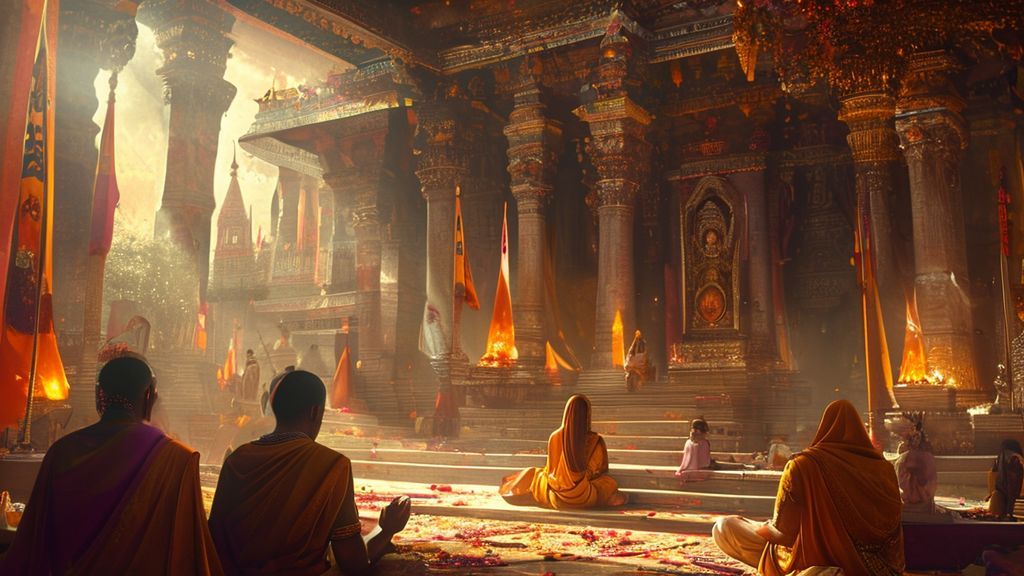
Depression in Hinduism, known as *Vishada* (despondency) or *Manasika Vyadhi* (mental ailment), is understood not merely as a medical condition but as a profound spiritual imbalance arising from *avidya* (ignorance), *karma*, and the fluctuations of the *gunas*. Sanatan Dharma offers a holistic framework for understanding its origins and providing paths for healing through spiritual wisdom, devotional practices, and ancient sciences.
| Attribute | Details |
|---|---|
| Sanskrit Terms | Vishada (विषाद), Manasika Vyadhi (मानसिक व्याधि), Dukha (दुःख), Tama (तम) |
| Primary Hindu Cause | Avidya (ignorance of true self), Karma (past actions), Guna imbalance (excess Tamas or Rajas), detachment from Dharma. |
| Key Scriptural References | Bhagavad Gita (Vishada Yoga), Yoga Sutras of Patanjali, Ayurveda texts (Charaka Samhita, Sushruta Samhita), Puranas. |
| Primary Hindu Remedies | Jnana Yoga (wisdom), Bhakti Yoga (devotion), Karma Yoga (selfless action), Raja Yoga (meditation, breathwork), Ayurveda, Seva, Sat-sang (holy company). |
Introduction: The Dharmic Approach to Mental Well-being
In the vast ocean of human experience, periods of sorrow, despondency, and mental anguish are not uncommon. While modern psychology offers clinical definitions and treatments for conditions like depression, Sanatan Dharma, the eternal way of life, provides a profound and holistic understanding that transcends the purely physiological. It views such states, whether termed Vishada or Manasika Vyadhi, as an opportunity for spiritual introspection and growth, a call to realign with one’s true divine nature (Atman) and the principles of Dharma. This perspective does not negate medical science but rather complements it, offering deeper insights into the roots of suffering and empowering the individual with spiritual tools for healing and enduring inner peace.
The scriptures teach us that the mind (Manas) is a subtle instrument, constantly influenced by the three Gunas—Sattva (purity, harmony), Rajas (activity, passion), and Tamas (inertia, darkness). An imbalance, particularly an increase in Tamas, can lead to states resembling depression, characterized by lethargy, despair, and a clouded intellect. Our tradition holds that the ultimate source of all suffering is *avidya*, the ignorance of our true, blissful identity as Brahman, leading to attachment, aversion, and the cycles of karma.
Puranic History & Legend: The Vishada of Arjuna
Perhaps the most iconic and instructive example of despondency in Hindu scripture is found in the Bhagavad Gita, specifically in the first chapter, aptly named Arjuna Vishada Yoga. As the great warrior Arjuna stands on the battlefield of Kurukshetra, facing his own kinsmen, teachers, and elders, he is overcome by profound sorrow and moral dilemma. His bow, the Gandiva, slips from his hand, his mind reels, and he expresses a deep desire to retreat, believing that victory at such a cost is meaningless.
Lord Krishna, his charioteer and divine guide, then imparts the timeless wisdom of the Bhagavad Gita, leading Arjuna from a state of utter despondency (Vishada) to clarity (Jnana) and resolute action (Karma Yoga). Krishna addresses Arjuna’s sorrow not by dismissing it, but by dissecting its philosophical roots: the mistaken identification with the temporary body and relations, the ignorance of the eternal Atman, and the misconception of duty (Dharma). This episode teaches us that profound mental anguish can be a prelude to spiritual awakening, a crucible in which the soul is purified through divine wisdom. As Lord Krishna instructs in Bhagavad Gita 2.11, “You grieve for those who are not worthy of grief, and yet you speak words of wisdom. The wise lament neither for the living nor for the dead.” This emphasizes the transient nature of the body versus the eternal nature of the soul.
Beyond Arjuna, many sages and devotees in our Itihasas and Puranas faced immense challenges and periods of sorrow. For instance, the enduring faith of Sita Devi during her captivity in Lanka, or the perseverance of Prahlada amidst persecution, exemplify how adherence to Dharma and unwavering devotion can transform suffering into spiritual strength. The Vishnu Purana and Bhagavata Purana beautifully narrate how Bhakti (devotion) can overcome the greatest of adversities, including mental distress, by connecting the devotee to the infinite source of bliss.
Ancient Hindu Sciences: Ayurveda, Yoga, and Jyotisha for Mental Well-being
Sanatan Dharma’s comprehensive understanding of human existence extends to highly developed sciences for physical and mental health. These disciplines offer powerful tools for navigating and healing Manasika Vyadhi.
Ayurveda: The Science of Life
Ayurveda, the ancient Indian system of medicine, recognizes mental ailments as *manasika rogas* and attributes them to imbalances in the three Doshas (Vata, Pitta, Kapha) and the three Gunas (Sattva, Rajas, Tamas). Excessive Vata can lead to anxiety and restlessness, Pitta imbalance to anger and frustration, and Kapha imbalance to lethargy, sadness, and depression. The Charaka Samhita, a foundational text, dedicates sections to mental health, emphasizing a holistic approach:
- Diet (Ahara): Emphasizing sattvic foods (fresh fruits, vegetables, grains) and avoiding rajasic (spicy, fried) and tamasic (processed, stale) foods.
- Lifestyle (Vihara): Regular routines, adequate sleep, exposure to nature.
- Herbal Remedies (Aushadha): *Medhya Rasayanas* are specific herbs known to enhance mental function and emotional balance, such as Brahmi (Bacopa monnieri), Ashwagandha (Withania somnifera), Shankhpushpi (Convolvulus pluricaulis), and Jatamansi (Nardostachys jatamansi).
- Panchakarma: Detoxification therapies like Shirodhara (warm oil poured on the forehead) and Abhyanga (oil massage) are used to calm the nervous system and clear mental fog.
Yoga and Meditation: Chitta Vritti Nirodha
The Yoga Sutras of Patanjali define Yoga as “Chitta Vritti Nirodha” (cessation of the fluctuations of the mind), recognizing that a disturbed mind is the root of much suffering. The eight limbs of Ashtanga Yoga provide a systematic path:
- Yama and Niyama: Ethical guidelines (non-violence, truthfulness, contentment) that foster mental purity and stability.
- Asana (Postures): Physical postures that release tension and balance energy.
- Pranayama (Breath Control): Techniques like Nadi Shodhana (alternate nostril breathing) calm the nervous system and elevate Prana (life force).
- Pratyahara, Dharana, Dhyana, Samadhi: Stages of withdrawal, concentration, meditation, and absorption that lead to profound mental clarity and spiritual insight.
Regular meditation practice helps detach the mind from negative thought patterns and connects one to the inner source of peace.
Jyotisha: Understanding Cosmic Influences
Jyotisha, Vedic astrology, recognizes the influence of planetary positions (Grahas) at the time of birth on an individual’s mental and emotional tendencies. Certain planetary alignments or periods (dashas) can predispose an individual to periods of melancholia or intense challenges. Jyotisha offers remedial measures (Upayas) such as specific Pujas, Mantra chanting, Gemstone therapy, and charitable acts (Seva) to mitigate adverse planetary effects and enhance inner strength. This approach emphasizes understanding cosmic cycles as part of one’s journey.
Rituals & Puja Vidhi for Inner Harmony
Engaging in devotional rituals and practices can profoundly impact one’s mental state, offering solace, a sense of purpose, and a connection to the divine. These acts are not merely symbolic but are potent means of spiritual healing.
- Daily Puja (Nitya Karma): Establishing a consistent routine of worshipping one’s Ishta Devata (chosen deity) at home. This can involve lighting a lamp, offering flowers, incense, and water, and chanting simple prayers. This fosters discipline and a sacred connection.
- Japa (Mantra Repetition): Regular recitation of powerful mantras, focusing the mind and purifying the inner atmosphere.
- Archana (Offerings): Performing Archana at a temple, offering prayers, and participating in group chanting (Bhajan/Kirtan) creates a powerful collective energy that uplifts the spirit.
- Seva (Selfless Service): Engaging in acts of selfless service to the community or temple. Redirecting focus from personal suffering to helping others is a potent antidote to self-pity and isolation.
- Tirtha Yatra (Pilgrimage): Visiting sacred sites and temples. The spiritual vibrations and collective devotion at places like Varanasi, Rishikesh, or Tirumala can have a deeply transformative effect on the mind and heart. You can learn more about such spiritual journeys on Hindutva.online.
Mantras & Chants for Mental Strength
Mantras are not mere sounds; they are sacred vibrations endowed with divine power, capable of purifying the mind and invoking specific divine energies. Regular chanting helps to replace negative thought patterns with positive, spiritual ones.
- Maha Mrityunjaya Mantra (महामृत्युंजय मंत्र):
“ॐ त्र्यम्बकं यजामहे सुगन्धिं पुष्टिवर्धनम् । उर्वारुकमिव बन्धनान् मृत्योर्मुक्षीय मामृतात् ॥”
Om Tryambakam Yajamahe Sugandhim Pushtivardhanam | Urvarukamiva Bandhanan Mrityormukshiya Maamritat ||
This powerful mantra to Lord Shiva is chanted for health, longevity, and to overcome fear, suffering, and the cycle of birth and death. It instills courage and dispels negativity.
- Gayatri Mantra (गायत्री मंत्र):
“ॐ भूर्भुवः स्वः तत्सवितुर्वरेण्यं भर्गो देवस्य धीमहि धियो यो नः प्रचोदयात् ॥”
Om Bhur Bhuvah Swah Tat Savitur Varenyam Bhargo Devasya Dhimahi Dhiyo Yo Nah Prachodayat ||
Dedicated to Savitr (the Sun God), this mantra is a prayer for spiritual illumination, wisdom, and clarity of intellect. It dispels darkness and brings mental peace.
- Hare Krishna Maha-Mantra (हरे कृष्ण महामंत्र):
“हरे कृष्ण हरे कृष्ण कृष्ण कृष्ण हरे हरे । हरे राम हरे राम राम राम हरे हरे ॥”
Hare Krishna Hare Krishna Krishna Krishna Hare Hare | Hare Rama Hare Rama Rama Rama Hare Hare ||
This mantra is a simple yet potent chant for invoking the divine names, purifying the mind, and experiencing divine love and joy, particularly effective in the Kali Yuga.
Dos and Don’ts for Spiritual Healing
- Do:
- Seek Guidance: Approach a spiritually evolved Guru, elder, or trusted family member for counsel and support.
- Practice Dharma: Adhere to ethical living, truthfulness, compassion, and selfless action.
- Engage in Satsang: Spend time in the company of devotees and spiritually inclined individuals.
- Maintain Physical Health: Prioritize proper diet, sleep, and moderate physical activity (e.g., Yogasanas).
- Cultivate Gratitude: Regularly reflect on blessings and practice thankfulness.
- Consult Medical Professionals: For severe or persistent symptoms, seeking advice from qualified doctors and therapists is essential, alongside spiritual practices.
- Don’t:
- Isolate Yourself: Avoid withdrawing from family, friends, and community.
- Blame Others or Self: While understanding karma is important, do not fall into self-condemnation or resentment.
- Neglect Spiritual Practices: Even when feeling low, continue with Japa, Dhyana, and Puja to the best of your ability.
- Indulge in Tamasic Activities: Avoid excessive sleep, procrastination, overeating, or consumption of intoxicants.
- Give Up Hope: Remember that every challenge is an opportunity for spiritual growth and that divine grace is always available.
Frequently Asked Questions
Is depression a sign of bad karma?
While past actions (karma) can influence current life situations, including mental predispositions, it is an oversimplification to label depression as merely “bad karma.” Hindu philosophy teaches that karma is complex, and current suffering can be an opportunity for spiritual growth, expiation, and learning. It calls for introspection and right action, rather than despair, to shape future experiences.
Can chanting alone cure severe depression?
Chanting (Japa) is a powerful spiritual tool that can significantly calm the mind, elevate consciousness, and provide solace. For mild to moderate conditions, it can be profoundly effective. However, for severe depression, a multi-faceted approach is often necessary, combining spiritual practices with professional medical or psychological support. Sanatan Dharma emphasizes a holistic approach to well-being.
How does a Guru help with mental distress?
A Guru, or spiritual teacher, provides invaluable guidance by offering scriptural wisdom, personalized practices (sadhanas), and unwavering support. They help individuals understand the deeper spiritual roots of their suffering, navigate their internal landscape, and reconnect with their true self, providing spiritual remedies and perspective that transcend conventional therapy. Find resources and connect with learned scholars at Hindutva.online for further guidance.
What role does diet play in the Hindu approach to mental well-being?
Ayurveda, an integral part of Hindu tradition, places immense importance on diet. It teaches that food directly impacts the Gunas (Sattva, Rajas, Tamas) of the mind. A sattvic diet (fresh, pure, wholesome food) promotes mental clarity and peace, while rajasic (stimulating) and tamasic (stale, processed) foods can contribute to restlessness, anger, lethargy, and mental imbalance. Eating mindfully and according to one’s body constitution (Dosha) is crucial for mental and emotional stability.
Dharmic Significance: The Path to Ananda
The Sanatan Dharma offers a profound and compassionate framework for understanding and transcending states akin to depression. It teaches us that suffering, whether physical or mental, is an inherent part of the dualistic material existence but not our ultimate reality. Our true nature is Sat-Chit-Ananda—existence, consciousness, and bliss. The journey through Vishada, guided by the wisdom of the Vedas, Upanishads, and Gita, becomes a powerful catalyst for spiritual evolution, leading one to shed illusions, embrace Dharma, and ultimately realize the inherent bliss of the Atman.
By integrating spiritual practices, Ayurvedic wisdom, Yogic disciplines, and a compassionate worldview, Sanatan Dharma empowers the devotee to not just cope with mental distress, but to transform it into a profound pilgrimage toward inner peace, wisdom, and liberation (Moksha), affirming the timeless resilience and holistic efficacy of our ancient traditions.