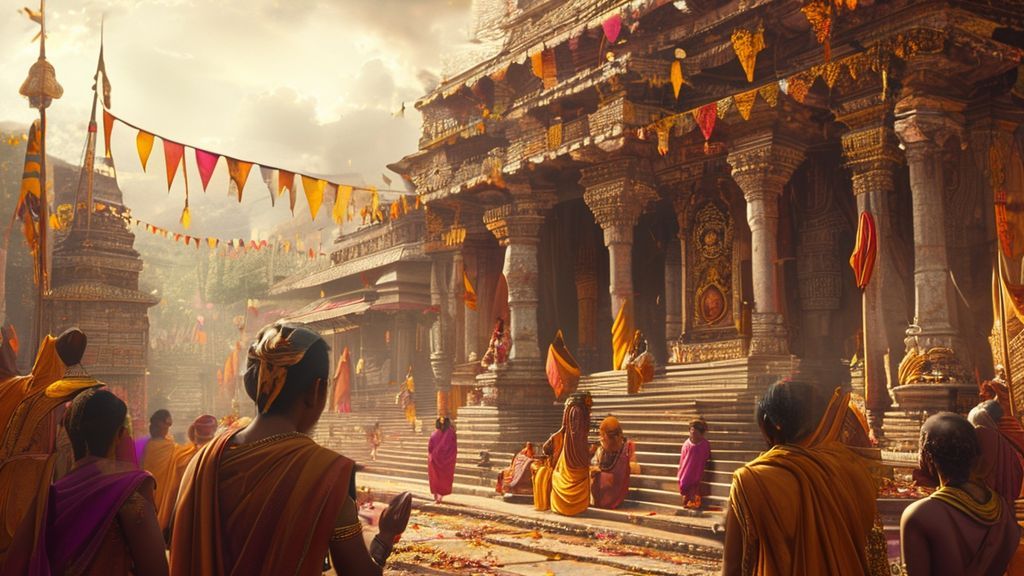
Coorgi Hindu customs represent the unique spiritual and cultural traditions of the Kodava community residing in Kodagu (Coorg), Karnataka. These ancient practices are deeply rooted in ancestor worship, reverence for nature, and a strong martial heritage, blending Vedic principles with indigenous agrarian rituals and local deities, distinguishing them within the broader tapestry of Sanatan Dharma.
| Attribute | Details |
|---|---|
| Prominent Deities | Bhagavati (Mother Goddess), Igguthappa (Lord Subramanya), Cauvery Amma, Guru Karana (Ancestors), local Daivas (Spirits) |
| Location/Origin | Kodagu (Coorg) District, Karnataka, India |
| Key Festivals | Kailpold (Weapon Worship), Putthari (Harvest Festival), Cauvery Sankramana (River Cauvery’s Birth) |
| Scripture Reference | Vedic Pitru Yajna tradition, Local Sthala Puranas, Skanda Purana (on Cauvery glory), Dharmaśāstras (on ancestral rites) |
Introduction: The Ancient Tapestry of Kodava Dharma
The Kodavas, the indigenous community of the enchanting Kodagu region, embody a distinctive stream within the vast ocean of Sanatan Dharma. Their customs, rites, and societal structure are a testament to an unbroken lineage of tradition, blending profound reverence for ancestors, nature, and a unique martial ethos. Unlike many Hindu communities that rely extensively on Brahmin priests for every ritual, Kodava customs are often led by family elders, perpetuating a direct, unmediated connection with the divine and their ancestral heritage. This synthesis of ancient wisdom, agrarian life, and warrior spirit makes Coorgi Hindu customs a fascinating study for any sincere seeker of Dharmic knowledge.
Their spiritual practices are not merely ritualistic; they are interwoven into the very fabric of daily life, agricultural cycles, and the unique architecture of their ancestral homes, known as Hindutva.online. These traditions illuminate the adaptability and diverse expressions of Sanatan Dharma across different geographical and cultural landscapes, demonstrating how core Vedic principles manifest through local variations.
Puranic History & Legend: Roots in Sacred Lore and Ancestral Wisdom
While specific “Coorgi Puranas” detailing every custom are not widely accessible in a unified text, the spiritual bedrock of Kodava traditions is deeply resonant with broader Puranic and Vedic themes. The most significant narrative revolves around the sacred River Cauvery (Kaveri). As described in various regional Sthala Puranas, including sections found within the Skanda Purana and local Kaveri Puranas, Cauvery is revered as a manifestation of Lopamudra, the adopted daughter of Sage Agastya. Her divine emergence from Talakaveri is not just a geographical event but a profound spiritual blessing for the region, celebrated annually during Cauvery Sankramana. This reverence for the river mirrors the Vedic veneration of sacred rivers as sources of life and purification, connecting the Kodavas directly to ancient Aryan spiritual geography.
Furthermore, the Kodava emphasis on ancestor worship, known as
Architectural & Spiritual Marvels: The Ainmane and Sacred Groves
The quintessential architectural marvel reflecting Coorgi Hindu customs is the
Beyond the Ainmanes, Coorg is dotted with sacred groves known as
Rituals & Puja Vidhi: A Glimpse into Sacred Practices
Coorgi Hindu customs are marked by distinct and vibrant rituals that define their cultural and spiritual year. Here’s a brief guide to some of the most significant:
- Kailpold (Weapon Worship): Celebrated usually in early September, this festival honors weapons and tools, signifying the Kodava’s martial heritage and agrarian life.
- On the morning of Kailpold, all weapons (guns, knives, traditional farming tools) are cleaned and polished.
- They are then ceremonially arranged in the
Nellakki Nadubade (central hall) or theKaranava Kodpa . - Elders perform
Puja with offerings of flowers, rice, and traditional dishes. - A white cock is often sacrificed (traditionally outside the home) to the
Karana (ancestor) orDaiva (spirit) for protection and prosperity. - The day concludes with traditional sports and target practice, reaffirming their warrior spirit.
- Putthari (Harvest Festival): This is the most joyous festival, marking the rice harvest, typically in late November or early December.
- On an auspicious night, the family gathers at the
Kanni Mangala (paddy field edge) with an elder leading the rituals. - Offerings are made to
Bhumi Devi and ancestors, seeking blessings for a bountiful harvest. - The elder symbolically cuts a sheaf of paddy (
Putthari Kadi ) after firing a gun. - This paddy is then brought home in a procession, accompanied by traditional chants, and hung over the main door, symbolizing prosperity.
- The night is filled with feasting, folk dances (
Bolakkat ,Ummattat ), and traditional songs.
- On an auspicious night, the family gathers at the
- Cauvery Sankramana: Celebrated around October 17th, this marks the mythical birth of the River Cauvery.
- Devotees gather at Talakaveri, the source of the river, to witness the auspicious moment when the water springs forth from the
Brahmakundike . - Special
Puja is offered to Cauvery Amma. - Families also perform rituals at home, placing a sacred lamp (
Thaliyad Balichya ) and offering flowers and fruits to a symbolic representation of the Goddess.
- Devotees gather at Talakaveri, the source of the river, to witness the auspicious moment when the water springs forth from the
Mantras & Chants: Evoking Divine Blessings
While Kodava rituals often involve specific local chants and invocations (
Om Sarva Pitru Devatabhyo Namah (ॐ सर्व पितृ देवताभ्यो नमः) – Salutations to all ancestral deities.- For invoking the divine Mother principle (Bhagavati, Cauvery Amma):
Om Aim Hrim Klim Chamundaye Vichche (ॐ ऐं ह्रीं क्लीं चामुण्डायै विच्चे) from the Devi Mahatmyam, or simplerOm Shri Maha Lakshmyai Namah (ॐ श्री महालक्ष्म्यै नमः) for prosperity. - For Lord Igguthappa (Subramanya):
Om Sharavanabhava Namah (ॐ शरवण भव नमः).
These chants connect the individual to the universal divine energies, reinforcing the spiritual foundation of their unique customs. For more insights into sacred chants, visit Hindutva.online.
Dos and Don’ts: Cultural Etiquette for Devotees
- Do show utmost respect to elders and family heads, as they are the custodians of traditions.
- Do participate wholeheartedly in community feasts and celebrations when invited, observing local customs.
- Do remove footwear before entering Ainmanes or sacred spaces.
- Do maintain reverence near
Devarakadu (sacred groves) and avoid disturbing the natural environment. - Don’t disrespect ancestral shrines or symbols; these are considered highly sacred.
- Don’t interrupt or question the rituals being performed by elders; observe with humility.
- Don’t consume non-vegetarian food or alcohol within the sacred premises of Ainmanes during Pujas.
- Don’t wear revealing attire when visiting temples or participating in ceremonies.
Frequently Asked Questions about Coorgi Customs
Are Kodavas Kshatriyas?
Historically, the Kodavas have been considered a martial race, with a strong warrior tradition that aligns with the characteristics of
Do Kodavas worship idols?
Yes, Kodavas worship idols in their temples, such as Bhagavati at Bhagamandala or Igguthappa. However, in their ancestral worship within Ainmanes, the ancestors (Karanavas) are often represented by symbols like lamps, small stones, or ancestral weapons, rather than anthropomorphic idols, emphasizing a direct spiritual communion.
Is River Cauvery truly born in Coorg?
Yes, the sacred River Cauvery originates at Talakaveri in the Brahmagiri hills of Kodagu district, Karnataka. This site is a significant pilgrimage destination for Hindus, especially during the Cauvery Sankramana festival, marking its legendary emergence.
Dharmic Significance: Preserving the Essence of Sanatan Dharma
The unique Hindu customs of the Kodava community are not mere folk traditions; they are living testaments to the dynamic and inclusive nature of Sanatan Dharma. They demonstrate how core Vedic principles of ancestor veneration, nature worship, and divine feminine reverence can manifest through distinct cultural expressions, enriching the spiritual landscape of India. By meticulously preserving their Ainmanes, sacred groves, and traditional rituals, the Kodavas uphold an invaluable part of our shared Dharmic heritage, reminding us that devotion takes myriad forms, each profound and spiritually potent. Their adherence to a life rooted in respect for land, lineage, and the divine serves as an inspiration for all seekers on the path of Dharma, affirming the timeless wisdom embedded in our ancient traditions.