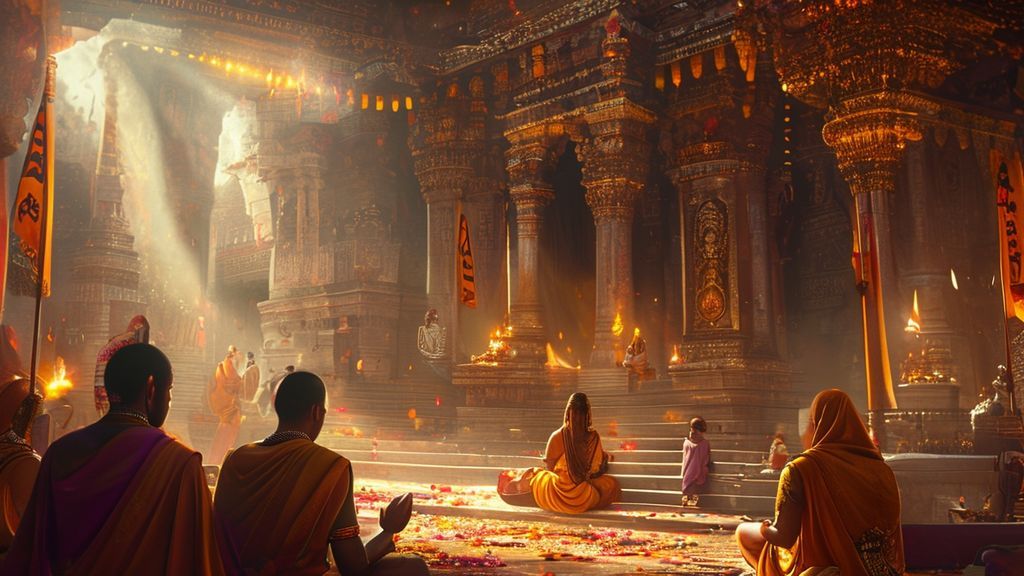
Chanting Hanuman Chalisa involves a sacred set of rules and optimal timings designed to maximize spiritual benefit and invoke the divine grace of Sri Hanuman. Adhering to purity, devotion, and consistency, devotees can experience profound peace, strength, and obstacle removal, with Tuesdays and Saturdays, or the auspicious Brahma Muhurta, considered the most potent times for this powerful hymn.
| Attribute | Details |
|---|---|
| Deity Glorified | Lord Sri Hanuman, the epitome of strength, devotion, and selfless service. |
| Composer | Goswami Tulsidas, a revered saint and poet, author of the Ramcharitmanas. |
| Composition Period | Circa 16th Century CE, during the reign of Emperor Akbar. |
| Key Benefits | Dispels fear, bestows courage, removes obstacles, grants protection, enhances devotion, provides mental peace, and spiritual strength. |
| Scriptural Basis/Influence | Rooted in the narratives of the Valmiki Ramayana and other Puranas, embodying the essence of Sri Rama’s divine play. |
Introduction: The Unsurpassed Glory of Sri Hanuman
In the vast ocean of Sanatan Dharma, few hymns resonate with the devotional fervor and profound spiritual power as deeply as the Hanuman Chalisa. Composed by the revered saint-poet Goswami Tulsidas, this forty-verse eulogy (Chalisa meaning forty) to Lord Hanuman is not merely a poem; it is a spiritual anchor, a shield against adversity, and a direct conduit to the divine grace of the son of Anjana. For sincere seekers and devotees across the globe, the Chalisa serves as a daily reminder of selfless service, unwavering loyalty, and formidable strength – both physical and spiritual. Its widespread popularity transcends linguistic and cultural barriers, uniting millions in a chorus of devotion to Bajrangbali. Understanding the proper rules and timings for its chanting is paramount to unlocking its full transformative potential, aligning the devotee’s consciousness with the supreme energy of Vayuputra.
Puranic History and Legend: The Marvels of Maruti
To truly appreciate the potency of the Hanuman Chalisa, one must delve into the glorious Puranic history and legendary feats of Lord Hanuman, as chronicled in the sacred Itihasas. Born to Anjana and Kesari, with Vayu, the Wind God, as his spiritual father (Vayuputra), Hanuman’s very existence is a testament to divine purpose. The Valmiki Ramayana, the venerable epic, details his unparalleled strength and intellect from childhood, when he mistook the sun for a ripe fruit and attempted to swallow it. His indomitable spirit, coupled with profound humility, makes him unique among deities.
His pivotal role in Sri Rama’s epic journey to retrieve Sita Devi from Ravana’s clutches is legendary. Hanuman’s crossing of the ocean (Lanka Dahan), his bringing of the Sanjeevani Booti to save Lakshmana, and his unwavering dedication to Sri Rama, even in the face of insurmountable odds, exemplify his boundless bhakti. The Skanda Purana and other ancillary texts further elaborate on his various manifestations and divine pastimes, always emphasizing his role as a supreme devotee, ever ready to serve his Lord. Tulsidas, in composing the Chalisa, drew upon these profound narratives, distilling the essence of Hanuman’s virtues into an accessible and powerful poetic form, making the legends palpable for every devotee.
The Genesis and Spiritual Architecture of Hanuman Chalisa
The Hanuman Chalisa is not merely a random collection of verses; it is a meticulously crafted spiritual architecture, born from divine inspiration. Goswami Tulsidas composed this masterpiece during a period of intense devotion, often attributed to his direct encounters with Lord Hanuman and subsequently Lord Rama in Varanasi. As chronicled in devotional traditions, Tulsidas faced trials, including imprisonment by Mughal rulers, during which, through the grace of Hanuman, he experienced the Chalisa’s creation – a powerful mantra-like poem that became a source of solace and strength for countless generations.
The text comprises 40 Chaupais (quatrains), preceded by a Doha and followed by another Doha. Each Chaupai glorifies a specific attribute, deed, or aspect of Lord Hanuman, from his physical prowess (“Mahabir Bikram Bajrangi, Kumati Nivar Sumati Ke Sangi” – “O Great Hero, Mighty and Valiant, dispeller of evil thoughts and companion of good sense”) to his wisdom and devotion (“Bidya ban Guni ati chatur, Ram kaj karibe ko atur” – “You are learned, virtuous, extremely clever, and ever eager to do Lord Rama’s work”). The structure itself is a scientific marvel of Sanskrit poetics, where the rhythmic chanting creates specific vibratory patterns (spanda) in the mind and subtle body, aligning the chanter with Hanuman’s divine energy. The invocation of various epithets and descriptions serves to paint a complete picture of Hanuman Ji’s divinity, making the devotee fully immersed in his glorious presence. More insights into such spiritual compositions can be found at Hindutva.online.
Rituals and Puja Vidhi: The Path of Devotion
To chant the Hanuman Chalisa effectively, one must approach it with reverence and follow specific protocols, transforming a mere recitation into a profound spiritual practice. This is the sacred Puja Vidhi:
- Purity (Shuddhi): Before commencing, ensure physical purity by taking a bath. Wear clean clothes. Mental purity is equally important; clear your mind of mundane thoughts.
- Sankalp (Intention): Sit in a comfortable posture, facing East or North. Take a moment to set your intention (Sankalp) for chanting – for well-being, overcoming obstacles, or offering devotion.
- Pranam and Guru Vandana: Offer a respectful salutation (Pranam) to Lord Ganesha, the remover of obstacles (“Om Gam Ganapataye Namaha“). Then, invoke the blessings of your Guru and Goswami Tulsidas.
- Lighting a Lamp: Light a ghee lamp (diya) and incense sticks before an image or idol of Lord Hanuman. Offer fresh flowers, preferably red or yellow, and sweets like jaggery (gur) or laddoo.
- Chanting the Chalisa: Begin chanting. It is highly recommended to chant it multiple times – 7, 11, 21, 108, or even 1008 times – depending on your devotion and time. Consistency is key; daily practice yields profound results.
- Focus and Pronunciation: Chant with clear pronunciation and a focused mind. Understand the meaning of the verses, allowing the wisdom and devotion to permeate your being.
- Dhyana (Meditation): After chanting, sit in silent meditation for a few minutes, absorbing the divine vibrations and feeling the presence of Lord Hanuman.
- Aarti and Pranam: Conclude the session by performing a simple Aarti, offering light and devotion, followed by a final Pranam to Lord Hanuman. Distribute the Prasad (offerings) to family members.
Mantras & Chants for Enhanced Devotion
While the Hanuman Chalisa is a complete mantra in itself, incorporating other powerful Hanuman mantras can further amplify the spiritual experience and deepen one’s connection with Maruti Nandan.
- Hanuman Moola Mantra: “Om Hoom Hanumate Rudratmakaya Hoom Phat Swaha” (ॐ हूं हनुमते रुद्रात्मकाय हूं फट स्वाहा). This powerful mantra invokes Lord Hanuman as an embodiment of Lord Shiva, bestowing immense strength, protection, and victory over adversaries.
- Beej Mantra: “Om Aeem Bhreem Hanumate Sri Ram Dootaya Namaha” (ॐ ऐं भ्रीम हनुमते श्री राम दूताय नमः). This Beej mantra (seed mantra) is potent for fulfilling desires and gaining divine grace.
- Simple Devotional Chant: “Om Sri Hanumate Namaha” (ॐ श्री हनुमते नमः). A simple yet effective mantra for daily remembrance and devotion, easy for beginners.
Chanting these mantras before or after the Chalisa, or even independently, can establish a stronger vibratory link with Lord Hanuman, reinforcing the protective and empowering energies that His presence brings.
Dos and Don’ts for Chanting Hanuman Chalisa
To ensure the sanctity and effectiveness of chanting, certain practices should be observed and others avoided:
- Do: Maintain physical and mental purity before and during chanting.
- Do: Chant with complete faith (shraddha) and unwavering devotion (bhakti).
- Do: Choose a clean, quiet, and sacred space for your practice.
- Do: Offer simple Prasad such as jaggery, chana (roasted chickpeas), or fresh fruits.
- Do: Chant during Brahma Muhurta (dawn), Tuesdays, and Saturdays for maximum spiritual benefit.
- Do: Aim for consistency in practice, even if it’s just once daily, to build spiritual momentum.
- Don’t: Chant in an unclean state, after consuming non-vegetarian food, or under the influence of intoxicants.
- Don’t: Chant with a distracted mind, ill intentions, or without proper respect for the deity and the sacred text.
- Don’t: Use the powerful energy of the Chalisa for selfish, harmful, or negative purposes, as its power is meant for righteous causes.
- Don’t: Interrupt the chanting once you have started your designated number of recitations, unless absolutely necessary due to an unavoidable circumstance.
Frequently Asked Questions
Who wrote the Hanuman Chalisa and why is it so significant?
The Hanuman Chalisa was composed by the revered saint-poet Goswami Tulsidas in the 16th century CE. Its profound significance stems from its glorious verses, which praise Lord Hanuman’s strength, wisdom, and unwavering devotion to Lord Rama. It acts as a potent spiritual tool, offering protection, courage, and solace, making it a cornerstone of the Bhakti tradition for millions worldwide.
What is the best time to chant Hanuman Chalisa for maximum benefits?
While the Hanuman Chalisa can be chanted at any time, certain periods are considered especially auspicious for invoking maximum benefits. The Brahma Muhurta (the hour and a half before sunrise) is highly recommended for all spiritual practices. Additionally, Tuesdays and Saturdays, which are dedicated to Lord Hanuman, are regarded as the most potent days for chanting, alongside other auspicious astrological timings (muhurtas) or during personal difficulties.
How many times should one chant the Hanuman Chalisa daily?
The number of times one should chant the Hanuman Chalisa depends on individual capacity and devotion. Chanting it once daily is beneficial for general well-being. However, for specific intentions or to invoke greater grace and profound spiritual experiences, many devotees choose to chant it 7, 11, 21, 108, or even 1008 times. The consistency and heartfelt devotion behind the recitation are ultimately more important than the mere quantity.
Are there any specific offerings or rituals to accompany the chanting?
Yes, traditional offerings and rituals can enhance the devotion and efficacy of chanting. These commonly include lighting a ghee lamp (diya), offering incense, fresh flowers (especially red hibiscus, marigolds, or jasmine), and Prasad such as jaggery (gur), roasted chickpeas (chana), ladoos, or fruits. Applying sindoor (vermilion) to Lord Hanuman’s idol and reading sections like the Sundarkand from the Valmiki Ramayana are also considered highly meritorious practices, deepening the spiritual connection.
The Enduring Legacy of Bhakti and Dharma
The practice of chanting the Hanuman Chalisa is more than a mere ritual; it is a profound journey into the very heart of Sanatan Dharma. It imbues the devotee with the exemplary qualities of Lord Hanuman – strength, courage, humility, unwavering wisdom, and unconditional love for the Divine. In an age filled with uncertainties and challenges, the Chalisa serves as an invincible shield, reminding us that with unwavering faith, no obstacle is insurmountable. It is a sacred legacy passed down through generations, meticulously preserving the spiritual essence of our ancient traditions and fostering a deep, personal connection with the divine. By diligently following the rules and understanding its profound significance, every Hindu can tap into this inexhaustible source of spiritual power, contributing to the enduring strength and vitality of Dharma for all. For more insights into living a Dharmic life, visit Hindutva.online.