Meghalaya Hindu practices represent the enduring and diverse tapestry of Sanatan Dharma, primarily observed by the resident Hindu communities across the state, particularly in urban centers. These traditions reflect pan-Indian Vedic and Puranic tenets, often infused with regional influences from neighboring Assam and a deep reverence for nature, demonstrating the adaptability and universality of Hindu spirituality within a unique Northeastern cultural landscape.
| Attribute | Details |
|---|---|
| Predominant Deities | Devi (Durga, Kali), Shiva, Vishnu, Ganesha, Surya |
| Key Centers/Origin | Shillong, Tura, Jowai, Baghmara; historical links to ancient Kamarupa/Pragjyotisha |
| Major Festivals | Durga Puja, Diwali, Maha Shivaratri, Janmashtami, Saraswati Puja, Bihu (for Assamese Hindus) |
| Scripture References | Kalika Purana, Yogini Tantra, Devi Bhagavata Purana (context for Northeast region) |
Introduction: The Resilient Flame of Sanatan Dharma in Meghalaya
Sanatan Dharma, with its boundless capacity for adaptation and spiritual depth, has long been a guiding light for humanity. Even in regions where its adherents form a minority, its vibrant traditions persist, enriching the cultural mosaic of Bharat. Meghalaya, the “Abode of Clouds,” renowned for its breathtaking natural beauty and rich indigenous traditions, is also home to devout Hindu communities. These communities, comprising diverse linguistic and ethnic groups such as Bengalis, Nepalis, Assamese, Marwaris, and even some indigenous Khasi and Garo individuals who have embraced the Sanatan way, diligently uphold Vedic and Puranic practices. Their devotion is a testament to the universal appeal and enduring power of Dharma, manifesting in daily rituals, grand festivals, and an unwavering commitment to spiritual principles. The unique environment of Meghalaya fosters a profound connection to nature, often finding resonance within the Hindu reverence for creation and its indwelling divinity.
Puranic History & Legend: Ancient Echoes in the Northeast
While ancient Hindu temple ruins within Meghalaya itself are not as prominent as in other parts of India, the spiritual geography of the entire Northeast, including areas contiguous to modern Meghalaya, is deeply etched in our sacred texts. The region was historically known as Pragjyotisha (land of eastern astrology) and later Kamarupa. The Kalika Purana and Yogini Tantra, two seminal texts, provide extensive narratives glorifying this ancient land as a potent seat of Shakti and Shiva worship. The Kalika Purana, for instance, details the formation of various Shakti Peethas following Devi Sati’s self-immolation and Lord Shiva’s Tandava. The renowned Kamakhya Temple in Guwahati, Assam, considered the most revered among the Mahapeethas, is described in these scriptures as the place where Devi Sati’s yoni (womb) fell. This proximity intrinsically links the spiritual consciousness of Hindu devotees in Meghalaya to this paramount center of Shakti worship.
Furthermore, narratives within the Skanda Purana and Devi Bhagavata Purana often describe the Himalayan and sub-Himalayan regions as sacred abodes of Shiva and Devi. The majestic hills and lush valleys of Meghalaya inherently evoke this ancient reverence for divine nature, reinforcing the spiritual inclinations of its Hindu population. Although direct Puranic mentions of specific locales within Meghalaya are rare, the overarching spiritual narratives of the Northeast, where Shiva and Shakti reigned supreme, undoubtedly informed the traditions carried into the region by successive waves of Hindu migration and settlement.
Architectural & Spiritual Sanctuaries: Modern Expressions of Ancient Faith
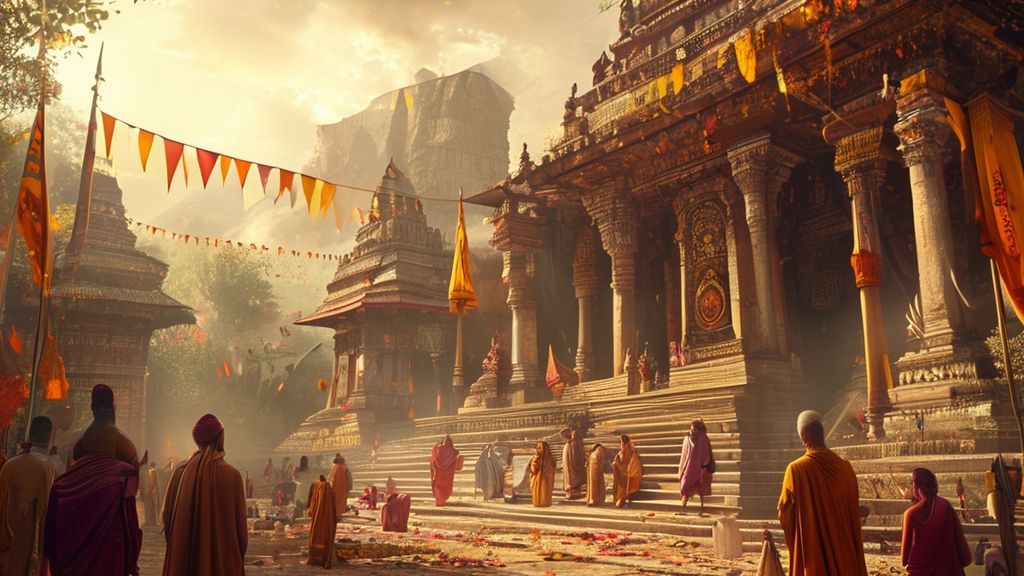
In Meghalaya, the architectural manifestations of Hindu Dharma are predominantly found in community temples and domestic shrines built by devotees over recent centuries. Unlike the ancient rock-cut caves or vast temple complexes found elsewhere, these structures are often humble yet spiritually vibrant, serving as crucial hubs for congregational worship and cultural preservation. Temples like the Shri Ramakrishna Mission in Shillong or various local Kali and Shiva temples embody a blend of traditional Hindu architectural elements, adapting to local building materials and climatic conditions. While they may not boast the extensive carvings of a Dravidian or Nagara style temple in its purest form, their design consistently adheres to Vaastu Shastra principles, ensuring auspicious orientation and layout for divine invocation.
These temples, along with numerous community halls (mandaps) erected for festivals like Durga Puja, are not just physical structures; they are vital spiritual arteries. They provide spaces for satsangs, bhajans, and the transmission of Sanatan values to new generations. The meticulous planning of a Durga Puja pandal, for example, involves not merely aesthetics but also the sacred geometry and iconography prescribed in the scriptures, transforming a temporary structure into a powerful vortex of divine energy. This dedication to creating sacred spaces, whether permanent or ephemeral, underscores the deep commitment of Hindus in Meghalaya to preserve their spiritual heritage, echoing the timeless principles of sacred architecture found across Bharat. To learn more about the intricate science behind such divine architecture, visit Hindutva.online.
Rituals & Puja Vidhi: Daily Devotion and Festive Celebrations
Hindu practices in Meghalaya encompass both daily personal worship (Nitya Karma) and elaborate communal celebrations. The daily routine typically involves:
- Sankalp (Intention): Before commencing any ritual, the devotee declares their intention for the puja, invoking the blessings of the chosen deity.
- Achaman & Pranayama: Purification with sips of water and breath control to prepare the mind and body.
- Dhyanam (Meditation): Meditating upon the form of the deity, visualizing their divine attributes.
- Avahanam (Invocation): Inviting the deity to reside in the idol or image.
- Panchopachara or Shodashopachara Puja: Offering five (Panch) or sixteen (Shodasha) services, including:
- Asanam: Offering a seat.
- Padya & Arghya: Offering water for washing feet and hands.
- Snanam: Ritual bathing (with water, milk, honey, etc.).
- Vastram: Offering new clothes or sacred thread (Yajnopavitam).
- Gandham: Applying sandalwood paste or other fragrances.
- Pushpam: Offering flowers.
- Dhupam: Offering incense.
- Deepam: Lighting a lamp.
- Naivedyam: Offering food (Prasadam).
- Tambulam: Offering betel leaves.
- Pradakshina: Circumambulation.
- Namaskaram: Prostration.
- Aarti: Waving a lamp before the deity while singing devotional hymns.
- Pushpanjali & Kshama Prarthana: Offering flowers and seeking forgiveness for any errors.
Major festivals like Durga Puja are celebrated with immense fervor, especially by the Bengali Hindu community. Grand pandals are erected, elaborate idols of Devi Durga and her children are installed, and several days of worship culminate in Vijayadashami, symbolizing the victory of good over evil. Maha Shivaratri sees devotees observing fasts and performing special pujas for Lord Shiva throughout the night. Diwali is celebrated with lamps, fireworks, and the worship of Goddess Lakshmi. These celebrations are not merely rituals but vibrant cultural expressions that unite communities and reinforce Dharmic values.
Mantras & Chants: Vibrational Keys to Divinity
Mantras are potent sound vibrations, keys to unlocking spiritual consciousness and invoking divine grace. Devotees in Meghalaya regularly chant various mantras for protection, peace, and spiritual growth. Some of the most common and powerful include:
- Mahamrityunjaya Mantra (for Lord Shiva):
ॐ त्र्यम्बकं यजामहे सुगन्धिं पुष्टिवर्धनम्।
उर्वारुकमिव बन्धनान् मृत्योर्मुक्षीय मामृतात्॥
Om Tryambakam Yajamahe Sugandhim Pushtivardhanam |
Urvarukamiva Bandhanan Mrityor Mukshiya Maamritat ||
This mantra is chanted for longevity, health, and liberation.
- Gayatri Mantra (for Savitr, the cosmic consciousness):
ॐ भूर्भुवः स्वः तत्सवितुर्वरेण्यं भर्गो देवस्य धीमहि धियो यो नः प्रचोदयात्॥
Om Bhur Bhuvah Svah Tat Savitur Varenyam Bhargo Devasya Dhimahi Dhiyo Yo Nah Prachodayat ||
A universal prayer for wisdom and enlightenment.
- Durga Saptashati Mantra (for Devi Durga):
ॐ ऐं ह्रीं क्लीं चामुण्डायै विच्चे॥
Om Aim Hrim Klim Chamundaye Vichche ||
A powerful Navarna Mantra for protection and victory over obstacles.
- Om Namah Shivaya (Panchakshari Mantra): The simplest yet profound mantra for Lord Shiva, chanted for inner peace and spiritual awakening.
- Hare Krishna Maha Mantra: Hare Krishna, Hare Krishna, Krishna Krishna, Hare Hare / Hare Rama, Hare Rama, Rama Rama, Hare Hare. Popular among Vaishnava devotees for fostering love and devotion.
These chants are often accompanied by bhajans (devotional songs) and kirtans (group chanting), creating an atmosphere of collective devotion and spiritual upliftment.
Dos and Don’ts: Preserving Dignity and Piety
Adherence to certain etiquette ensures the sanctity of rituals and respectful interaction within the Hindu community in Meghalaya:
- Do maintain cleanliness: Always bathe before puja and ensure the puja area is spotless.
- Do dress modestly: Wear clean, traditional, and respectful attire, especially when visiting temples or participating in public rituals.
- Do offer with devotion: Whatever you offer, be it a flower or a fruit, do so with sincerity (Shraddha) and a pure heart.
- Do respect local customs: While practicing Hindu rituals, be mindful and respectful of the diverse indigenous cultures and beliefs prevalent in Meghalaya.
- Don’t bring impure items: Avoid bringing meat, alcohol, or other prohibited items into a sacred space.
- Don’t wear footwear: Remove shoes before entering temples or designated puja areas.
- Don’t engage in gossip or distractions: Maintain a focused and reverent attitude during worship or within temple premises.
- Don’t touch idols or sacred items without permission: Only priests or authorized individuals should handle deities.
Frequently Asked Questions About Hindu Practices in Meghalaya
Are there significant ancient Hindu temples within Meghalaya?
While the broader Northeast, particularly Assam, is rich with ancient Hindu sites mentioned in scriptures like the Kalika Purana, Meghalaya’s landscape is dotted with relatively newer temples built by Hindu communities over the centuries. These temples, though not ancient in the archaeological sense, serve as vital centers for Sanatan Dharma, preserving traditions and fostering spiritual growth.
How do Hindu practices in Meghalaya blend with local indigenous cultures?
The Hindu communities in Meghalaya primarily practice pan-Indian forms of Sanatan Dharma. While there isn’t extensive syncretism with indigenous Khasi or Garo religions (like Niam Khasi, Niam Tre), Hindus live harmoniously alongside these traditions, often sharing a common reverence for nature and a commitment to community values. The spiritual landscape of the Northeast, with its emphasis on Shakti and nature worship, does offer common ground for a mutual respect and appreciation of diverse spiritual paths.
What is the role of Kamakhya Temple for Hindus in Meghalaya?
The Kamakhya Temple in Guwahati, Assam, holds immense spiritual significance for all Hindus in the Northeast, including those in Meghalaya. As a revered Shakti Peetha, it represents the supreme feminine energy and is a major pilgrimage site. Devotees from Meghalaya often undertake journeys to Kamakhya, drawing inspiration and blessings from this powerful spiritual center, recognizing its integral role in the regional expression of Sanatan Dharma. For a deeper dive into the significance of Shakti Peethas, explore Hindutva.online.
Dharmic Significance: Preserving Sanatan Dharma in Diverse Lands
The presence and perseverance of Hindu practices in Meghalaya underscore a fundamental truth about Sanatan Dharma: its intrinsic universality and resilience. In a region celebrated for its unique cultural identity, these traditions stand as a testament to the fact that Dharma is not confined by geography or demographics. It is a timeless stream of wisdom, devotion, and righteous living that flows through every corner of Bharat, nourishing the souls of its adherents. The vibrant Hindu communities of Meghalaya, through their diligent adherence to rituals, celebration of festivals, and transmission of scriptural knowledge, play an invaluable role in preserving the rich tapestry of Sanatan Dharma, ensuring its flame continues to burn brightly for generations to come, embodying the principle of ‘Vasudhaiva Kutumbakam’ – the world is one family.