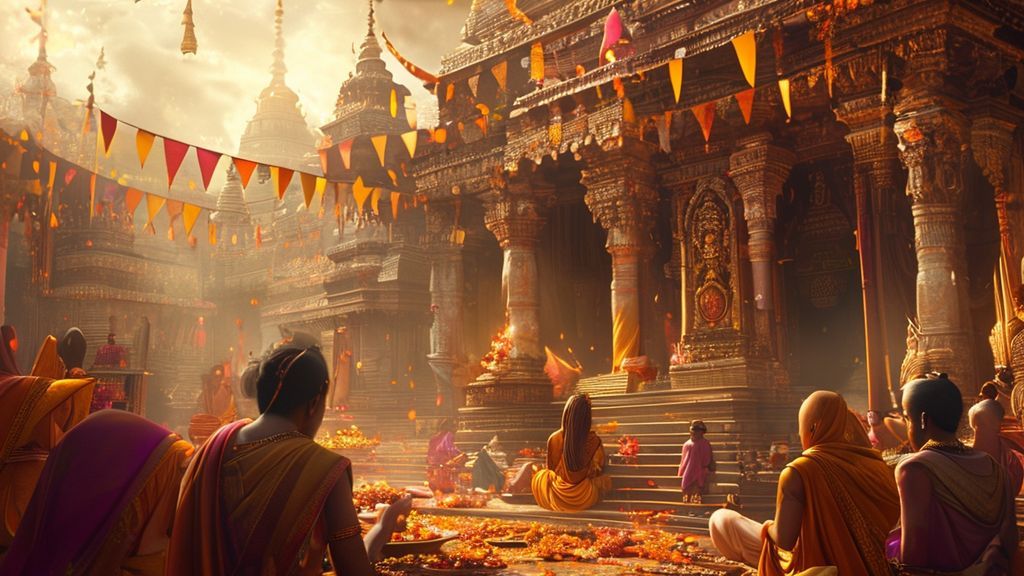
Bengali Hindu traditions, epitomized by the magnificent Durga Puja, represent a unique and vibrant facet of Sanatan Dharma, where the worship of Maa Durga, the divine Mother, is intertwined with deep cultural practices. This includes the distinctive tradition of consuming fish, which holds a significant, albeit nuanced, place within the festive celebrations and daily life of Bengali Hindus, reflecting regional scriptural interpretations and historical sustenance.
| Attribute | Details |
|---|---|
| Deity | Mahishasuramardini Maa Durga, accompanied by Lakshmi, Saraswati, Ganesha, Kartikeya |
| Location/Origin | Bengal (West Bengal, Bangladesh) and worldwide Bengali diaspora; roots in ancient Shakta traditions |
| Key Festival | Sharadiya Durgotsav (September/October) – a five-day festival (Shashti to Dashami) preceded by Mahalaya |
| Scripture Reference | Devi Mahatmya (Markandeya Purana), Brihaddharma Purana, Brahmavaivarta Purana, Mahanirvana Tantra |
The Grandeur of Bengali Devi Worship
The worship of Adi Shakti, the primordial divine feminine energy, manifests in myriad forms across Bharatavarsha. In Bengal, this reverence culminates in the annual Sharadiya Durgotsav, a celebration that transcends mere ritual to become the very heartbeat of Bengali culture. This elaborate festival honors Maa Durga as Mahishasuramardini, the slayer of the buffalo demon Mahishasura, symbolizing the triumph of Dharma over adharma, good over evil. More than just a victory, it is Devi’s annual homecoming to Her paternal abode, a joyous occasion celebrated with unparalleled devotion, artistic splendor, and communal fervor. This tradition is a cornerstone of Bengali identity, fostering unity and spiritual upliftment among devotees, and its unique customs, including certain dietary practices, are deeply embedded in its Dharmic fabric.
Puranic History and Cultural Legends
The narrative of Durga Puja is primarily drawn from the Devi Mahatmya section of the Markandeya Purana, which recounts the epic battle between Maa Durga and the formidable Mahishasura. When all Devas failed to defeat the shape-shifting demon, they pooled their divine energies, giving birth to the resplendent Durga, adorned with celestial weapons, embodying ultimate power. Her ten arms, each wielding a divine weapon, symbolize Her omnipotence and ability to protect Her devotees from all dangers. The Durga Puja we celebrate today is largely based on Rama’s ‘Akal Bodhon’ or untimely invocation of Devi during autumn, as narrated in the Krittivasi Ramayana, before His battle with Ravana. This deviation from the traditional spring (Basanti) Puja made Sharadiya Durgotsav the more prominent celebration.
Distinctive to Bengali tradition is the integration of fish into the celebratory cuisine. This practice, often a point of inquiry, has deep roots in both the geography and the Tantric-Shakta traditions prevalent in Bengal. The deltaic region, abundant in rivers and ponds, naturally made fish (matsya) a primary source of sustenance. Over centuries, this dietary staple became culturally integrated into rituals. While mainstream Vedic traditions often emphasize vegetarianism (sattvic ahara), regional Puranas and Tantras offer a different perspective for specific contexts. The Brihaddharma Purana and Brahmavaivarta Purana, influential Upa-Puranas in Bengal, discuss offerings to Devi that include fish. In many Shakta traditions, fish is not categorized merely as ‘mamsa’ (meat) but as a ‘jal-pushpa’ (flower of the water) or ‘ambuvriksha’ (tree of water), a sacred offering to the Divine Mother, especially in Kaula Marga practices outlined in texts like the Mahanirvana Tantra. It represents the bounty of nature and is offered as ‘bhog’ to Maa Durga, particularly during Ashtami and Navami rituals in specific families, and later consumed as ‘Mahaprasad’ by devotees. This acceptance is a testament to the diverse and inclusive nature of Sanatan Dharma, which adapts to regional realities while upholding spiritual tenets.
Architectural Splendor and Cultural Ingenuity
While Durga Puja is not centered around a permanent temple structure, its grandeur is manifested in the temporary ‘pandals’ and the intricate ‘pratima nirman’ (idol making). These pandals, often elaborate and themed, are temporary architectural marvels, showcasing astounding creativity and engineering skill. From replicas of famous temples to abstract artistic expressions, each pandal is a unique canvas, built anew each year. The central focus is the ‘pratima’ of Maa Durga, sculpted traditionally from Ganges clay (gangamati) by artisans from Kumortuli in Kolkata, often using straw, wood, and natural colors. The ‘ek chala’ style, where Durga and Her children (Lakshmi, Saraswati, Ganesha, Kartikeya) are housed under a single arch, is characteristic. The ‘Chokkhudaan’, the ritual painting of Devi’s eyes just before the Puja begins, is an intensely spiritual moment, imbuing the idol with life. This annual creation and immersion (visarjan) symbolize the cyclical nature of creation and dissolution, a profound philosophical truth embedded in the festival’s artistic expression. Furthermore, the timing of the Puja in Sharad Ritu (autumn) aligns with the harvest season, making it a celebration of abundance, a scientific observation of nature’s cycles that underscores the deep connection between Dharma and the environment.
Rituals and Puja Vidhi: A Journey of Devotion
The Durga Puja rituals are elaborate, steeped in ancient Vedic and Tantric traditions, guiding devotees through a profound spiritual journey.
- Mahalaya: This marks the beginning of the Puja fortnight. On this day, through ‘Pitru Tarpan’, Hindus offer oblations to their ancestors, invoking their blessings before the advent of the Devi. The chanting of the Chandi Path on Mahalaya heralds Maa Durga’s arrival.
- Bodhon (Sixth Day – Shashti): The formal invocation of Maa Durga. A specific ritual, ‘Kalparambho’, establishes the intention for the Puja. The ‘Kola Bou’ (Banana Bride), a plantain tree draped in a sari, symbolizing Ganesha’s wife or a representation of nine plants (Nabapatrika), is consecrated, signifying the life force and prosperity.
- Saptami (Seventh Day): The Kola Bou is bathed in holy water (often the Ganges) before dawn and placed beside Ganesha. This day marks the entry of the Devi’s energy into the idol. Elaborate pujas commence, including ‘Chakshudan’ (opening of the eyes) if not done earlier.
- Ashtami (Eighth Day): This is one of the most significant days. ‘Kumari Puja’, the worship of young virgin girls as manifestations of Devi, is performed, emphasizing the sanctity of womanhood. The pivotal ‘Sandhi Puja’ occurs at the juncture of Ashtami and Navami (the last 24 minutes of Ashtami and first 24 minutes of Navami), a highly auspicious time when Maa Durga transitioned to Chamunda to slay Chanda and Munda. This is often accompanied by ‘Dhunuchi Naach’, a devotional dance with incense burners.
- Navami (Ninth Day): The ‘Maha Navami’ puja concludes the traditional rituals. ‘Hom’ (fire oblations) are performed, offering prayers and sacrifices to the Yajna Agni, seeking Devi’s blessings for prosperity and peace.
- Vijaya Dashami (Tenth Day): The day of victory. After the final ‘Arati’, Maa Durga is bid farewell through ‘Visarjan’ (immersion of the idol in water bodies), symbolizing Her return to Her divine abode and the cyclical nature of existence. Devotees then exchange greetings (‘Shubho Bijoya’) and sweets, symbolizing renewed bonds and communal harmony.
Mantras and Chants for Divine Connection
During Durga Puja, devotees immerse themselves in the chanting of powerful mantras to invoke Maa Durga’s blessings. The most potent among them is the ‘Navarna Mantra’, from the Devi Mahatmya:
ॐ ऐं ह्रीं क्लीं चामुण्डायै विच्चे॥
Om Aim Hrim Klim Chamundaye Vichche॥
This mantra invokes the three primary aspects of the Goddess – Mahasaraswati (Aim), Mahalakshmi (Hrim), and Mahakali (Klim) – culminating in Chamunda, the fierce form of Durga.
Other essential chants include:
- सर्वमंगल मांगल्ये शिवे सर्वार्थ साधिके। शरण्ये त्र्यम्बके गौरि नारायणि नमोऽस्तु ते॥
Sarva Mangala Mangalye Shive Sarvartha Sadhike. Sharanye Tryambake Gauri Narayani Namo’stu Te॥
(O auspicious one, who bestows all auspiciousness, the pure one, who accomplishes all goals. To Thee, the refuge, the three-eyed Gauri, Narayani, salutations to Thee.) - या देवी सर्वभूतेषु शक्तिरूपेण संस्थिता। नमस्तस्यै नमस्तस्यै नमस्तस्यै नमो नमः॥
Ya Devi Sarvabhuteshu Shakti Rupena Samsthita. Namastasyai Namastasyai Namastasyai Namo Namah॥
(To the Goddess who resides in all beings as the form of power. Salutations to Her, salutations to Her, salutations to Her again and again.)
Dos and Don’ts During Durga Puja
- Do: Observe purity and sanctity. Maintain a devotional mindset throughout the festival.
- Do: Participate in community services, assist in organizing pandals, and share ‘bhog’ (sacred food offerings) with everyone.
- Do: Respect all women and girls, especially during Kumari Puja, recognizing them as manifestations of Devi Shakti.
- Do: Immerse yourself in the cultural expressions – music, dance, art – that are integral to the celebration.
- Don’t: Engage in any activities that disrupt the sanctity or peaceful atmosphere of the Puja.
- Don’t: Waste food or resources. The spirit of the festival is one of abundance shared responsibly.
- Don’t: Criticize or disparage regional customs. Understand that Sanatan Dharma embraces diverse practices, such as the Bengali tradition of fish consumption, within its vast framework.
Why do Bengalis eat fish during Durga Puja?
The consumption of fish by Bengali Hindus during Durga Puja, while seemingly contrary to general Hindu vegetarian practices, is rooted in specific regional traditions, geographical factors, and Shakta religious texts. Bengal’s riverine landscape made fish a primary food source, which gradually integrated into cultural and ritualistic practices. Scripturally, certain Upa-Puranas like the Brihaddharma Purana and Tantric texts such as the Mahanirvana Tantra acknowledge and prescribe fish (matsya) as an acceptable offering (bhog) to Maa Durga in specific Kaula Marga traditions, classifying it sometimes as ‘jal-pushpa’ (aquatic flower) rather than conventional meat. It is often consumed as Mahaprasad after being offered to the Devi, symbolizing abundance and devotion specific to Bengali Shakta heritage.
Is fish considered non-vegetarian in all Hindu traditions?
No, the categorization of fish and its acceptance as food varies significantly across different Hindu traditions and regions. While many Vedic and Vaishnava traditions adhere strictly to vegetarianism (sattvic diet) where fish is considered non-vegetarian, certain Shakta and Tantric traditions, particularly in regions like Bengal, Odisha, and parts of Assam, have historically accepted fish, sometimes even as part of ritualistic offerings to deities like Devi. This illustrates the pluralistic and geographically adaptive nature of Sanatan Dharma, where dietary practices can be influenced by local ecology, historical circumstances, and specific scriptural interpretations.
What is the significance of “Kola Bou” in Durga Puja?
The “Kola Bou” (Banana Bride or Nabapatrika) is a significant ritualistic element in Bengali Durga Puja, often mistakenly perceived as Ganesha’s wife. In actuality, it is a symbolic representation of nine different plants – banana, rice, turmeric, bel, pomegranate, ashoka, arum, barley, and jessamine – tied together and draped in a white sari with a red border, then placed beside Ganesha. Each plant represents a specific form of Maa Durga and other deities. The Kola Bou symbolizes the life-giving aspect of nature, fertility, prosperity, and the integration of the environment into the sacred space, functioning as a vital ‘prana-pratishtha’ (life-infusing) element for the puja before the formal invocation of the Devi.
Dharmic Significance: Preserving Sanatan Dharma through Tradition
The Bengali Hindu traditions, particularly Durga Puja and its unique cultural elements like fish consumption, are not mere folk customs but profound expressions of Sanatan Dharma. They underscore the incredible adaptability and inclusivity of our ancient faith, demonstrating how spiritual tenets can thrive amidst diverse geographical and historical contexts. By celebrating Durga Puja, Bengalis reaffirm their unwavering devotion to the Divine Mother, embodying the victory of righteousness and the preservation of cosmic order. The meticulous rituals, the artistic devotion of idol-making, the communal spirit, and even the distinctive dietary practices, all serve to strengthen the cultural fabric and uphold the timeless values of Dharma. These traditions remind us that Sanatan Dharma is a living, breathing tradition, continuously enriching itself through the faithful adherence and innovative expressions of its diverse adherents, ensuring its eternal relevance for seekers worldwide. Explore more about regional Hindu traditions on Hindutva.online.