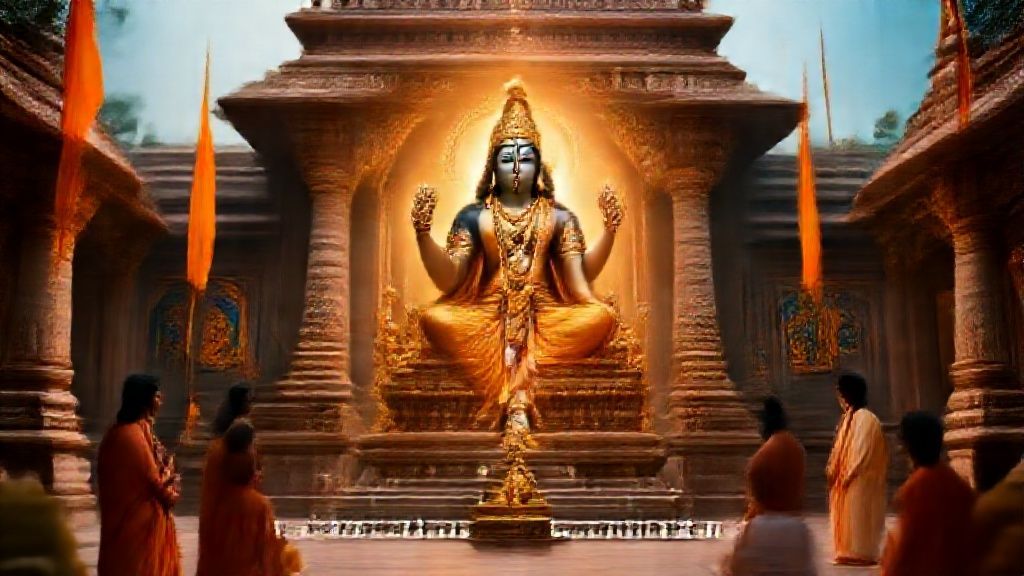
Debt in Hinduism, known as ṛṇa (ऋण), is viewed not merely as a financial obligation but as a profound spiritual burden that impacts one’s karmic ledger and future births. Sanatan Dharma emphasizes responsible stewardship of resources, timely repayment, and living within one’s means, recognizing that unresolved debt can impede spiritual progress and liberation, highlighting the interconnectedness of material and spiritual well-being.
| Attribute | Details |
|---|---|
| Concept | Ṛṇa (ऋण) – A multi-faceted spiritual, social, and material obligation. |
| Key Categories of Ṛṇa | Ṛṇa Traya (Deva Ṛṇa, Rishi Ṛṇa, Pitṛ Ṛṇa), and Manushya Ṛṇa (human/social debt). |
| Ethical Foundation | Rooted in Dharma (righteous conduct), Karma (action), Satya (truthfulness), Ahimsa (non-harming). |
| Primary Scriptural Basis | Vedas (Yajña concepts), Smritis (e.g., Manusmriti, Yājñavalkya Smriti), Itihasas (Mahabharata, Ramayana), Bhagavad Gita. |
| Consequence of Neglect | Obstruction to spiritual liberation (Moksha), karmic burden carried into future births, social disharmony, and personal suffering. |
The Spiritual Gravity of Ṛṇa in Sanatan Dharma
In the vast tapestry of Sanatan Dharma, the concept of debt extends far beyond mere financial transactions. It delves into the profound spiritual obligations that every individual incurs from birth. The Sanskrit term, ṛṇa (ऋण), encapsulates not just monetary borrowings but also the foundational debts we owe to the Divine, to our sages, to our ancestors, and to humanity itself. This holistic understanding imbues the act of borrowing and lending with immense spiritual gravity, shaping one’s karmic trajectory and impacting the very possibility of liberation (Moksha).
Our ancient scriptures teach that life itself is a gift, accompanied by inherent responsibilities. To ignore these debts is to transgress Dharma, leading to imbalance in the cosmic order and personal spiritual stagnation. The pursuit of Purusharthas – Dharma, Artha, Kama, Moksha – is intricately linked with how one manages these various forms of ṛṇa. A life lived responsibly, striving to repay these debts, is considered conducive to both worldly prosperity (Artha) and ultimate spiritual freedom.
The Foundations of Ṛṇa Traya and Beyond
The most fundamental aspect of debt in Hinduism is the concept of Ṛṇa Traya (त्रय ऋण) or the “Three Debts” that every human being is born with. This concept, deeply embedded in the Vedic tradition and elaborated upon in the Smritis, highlights the interconnectedness of individual existence with the larger cosmic and social fabric.
- Deva Ṛṇa (देव ऋण): Debt to the Gods: This debt is incurred because the deities (Devas) sustain the cosmos, providing rain, light, air, and all elements necessary for life. Repayment is traditionally made through performing Vedic rituals (Yajñas), prayers (Upasanas), and living a life of gratitude and righteousness. The Hindutva.online archives contain extensive insights into various forms of Yajñas and their significance.
- Rishi Ṛṇa (ऋषि ऋण): Debt to the Sages: We owe an immense debt to the Rishis and enlightened masters who preserved, transmitted, and expanded the sacred knowledge (Vedas, Upanishads, Shastras) that guides humanity towards truth and liberation. This debt is repaid by studying the scriptures (Svādhyāya), teaching others, and upholding the traditions of Sanatan Dharma.
- Pitṛ Ṛṇa (पितृ ऋण): Debt to the Ancestors: This is the debt to our parents and ancestors for giving us birth, nurturing us, and preserving the lineage. Repayment involves raising righteous children, performing ancestral rites (Śrāddha), and contributing to the continuation of the family line and its values. The Manusmriti (Chapter 3) elaborates on the importance of progeny and ancestral rites for the repayment of this specific debt.
Beyond the Ṛṇa Traya, scriptures also recognize the Manushya Ṛṇa (मनुष्य ऋण) or the debt to humanity, which is repaid through selfless service (Seva), charity (Dāna), and treating all beings with compassion. The Mahabharata frequently illustrates the profound ethical implications of these debts, particularly through the narratives of kings and sages whose actions are judged by their adherence to these obligations.
The Dharmic Framework of Ṛṇa: Spiritual Mathematics
The Hindu view of debt is not a casual matter; it is woven into the very fabric of one’s spiritual balance sheet. The “spiritual mathematics” of ṛṇa suggests that every action has a consequence, and unfulfilled obligations, especially spiritual ones, accumulate as karmic burden (sañchita karma). This accumulated karma can manifest as challenges in this life or even necessitate rebirth to settle outstanding accounts. As articulated in the Bhagavad Gita (Chapter 3, Verse 9), “Except for work done as a sacrifice for Vishnu, this world is in bondage to work. Therefore, O son of Kunti, perform your prescribed duties for His sake, and thus you will always remain free from bondage.” This verse subtly underlines that action, when done with a sense of duty and detachment, helps repay these cosmic debts.
The Smritis provide clear guidelines for financial debt as well. The Yājñavalkya Smriti, for instance, details laws concerning borrowing, lending, and inheritance, emphasizing the importance of contracts, witnesses, and timely repayment. It even discusses the concept of debt passing on to heirs, underscoring the spiritual continuity of financial responsibility across generations. Failure to repay a financial debt in this life could lead to being born as a servant or in a lower form in the next, serving the creditor, thus settling the karmic account. This belief provides a powerful incentive for honesty and diligence in financial dealings.
Practices for Mitigating Debt and Fostering Financial Dharma
While the spiritual debts are repaid through righteous living and rituals, financial debt (dhan ṛṇa) demands practical and ethical approaches. Sanatan Dharma offers guidance not just on repayment but on cultivating a mindset that prevents excessive debt and fosters prosperity:
- Live Within Means (Alpa-santosha): Cultivate contentment and avoid extravagant desires. The pursuit of endless material possessions often leads to unsustainable debt.
- Earn Righteously (Dharmic Artha): Engage in honest and ethical livelihoods. Wealth acquired through unrighteous means carries negative karma and is unlikely to bring lasting peace.
- Timely Repayment (Samaya-pālana): Honor all financial commitments punctually. Delays or defaults not only create legal issues but also accumulate negative karma.
- Austerity (Tapasya) & Charity (Dāna): Practice self-control over expenses and allocate a portion of earnings for charity. Charity not only helps others but also purifies one’s wealth and accrues spiritual merit, potentially offsetting karmic debts.
- Seeking Divine Assistance: While practical efforts are paramount, devotees often perform specific pujas or vratas to Goddess Lakshmi (Goddess of Wealth) or Lord Kubera (Treasurer of the Gods) to seek blessings for financial stability and debt relief, always coupled with diligent personal effort.
Mantras & Chants for Financial Well-being and Debt Relief
For sincere devotees facing financial difficulties or seeking to maintain ethical prosperity, specific mantras can be chanted with devotion and focus, complementing practical efforts. These mantras invoke divine energies to clear obstacles and bestow abundance:
- Mahalakshmi Mantra: Om Shreem Hreem Shreem Kamale Kamalalaye Praseed Praseed Shreem Hreem Shreem Om Mahalakshmyai Namah. (ॐ श्रीं ह्रीं श्रीं कमले कमलालये प्रसीद प्रसीद श्रीं ह्रीं श्रीं ॐ महालक्ष्म्यै नमः।) – For general prosperity and removal of financial woes.
- Kubera Mantra: Om Hreem Shreem Kreem Shreem Kuberaya Ashta-Lakshmi Mama Grihe Dhanam Pooraya Pooraya Namah. (ॐ ह्रीं श्रीं क्रीं श्रीं कुबेराय अष्ट-लक्ष्मी मम गृहे धनं पूरय पूरय नमः।) – Specifically for invoking Lord Kubera’s blessings for wealth and its maintenance.
- Vishnu Mantra for Debt Relief (Runa Vimochana): Om Hreem Kleem Shreem Narayanamaya Namah. (ॐ ह्रीं क्लीं श्रीं नारायणाय नमः।) – Chanting this mantra is believed to help alleviate karmic and financial debts.
- Gayatri Mantra: Om Bhur Bhuvah Svah, Tat Savitur Varenyam, Bhargo Devasya Dheemahi, Dhiyo Yo Nah Prachodayat. (ॐ भूर् भुवः स्वः तत् सवितुर्वरेण्यं भर्गो देवस्य धीमहि धियो यो नः प्रचोदयात्।) – A universal mantra for wisdom and right action, which naturally leads to better decision-making in all aspects, including finances.
Dos and Don’ts of Borrowing and Lending in a Dharmic Context
To uphold the principles of Sanatan Dharma in financial interactions, adhere to these guidelines:
- DO borrow only what is absolutely necessary and with a clear plan for repayment.
- DO lend with compassion, but also with prudence, ensuring you are not enabling irresponsible behavior.
- DO honor your commitments and repay debts promptly, even if it requires sacrifice.
- DO be transparent about your financial situation if facing difficulties in repayment and communicate with your creditor.
- DO cultivate contentment (santosha) to avoid unnecessary desires and borrowing.
- DON’T borrow for extravagant or non-essential purposes that are beyond your means.
- DON’T default on loans intentionally or evade your responsibilities.
- DON’T exploit others by charging exorbitant interest rates or taking advantage of their vulnerability.
- DON’T gamble or engage in speculative activities that can lead to heavy debt and distress.
- DON’T make false promises or enter into agreements you do not intend to honor.
Is all debt considered negative in Hinduism?
Not all debt is inherently negative. The Ṛṇa Traya represents positive obligations that define human existence and spiritual growth. Even financial borrowing, when done responsibly for essential needs (e.g., education, setting up a dharmic household) and repaid diligently, is permissible. It is the irresponsible accumulation, neglect, or dishonest evasion of debt that carries negative karmic implications.
What happens if I die with outstanding debt?
Hindu scriptures suggest that dying with unpaid debts can impede the soul’s journey and spiritual liberation. The karmic burden of such debt may necessitate rebirth to settle those accounts, possibly in circumstances that allow for the repayment or serving of the creditor. This emphasizes the paramount importance of ensuring financial affairs are in order during one’s lifetime, often involving the family in the repayment if the individual passes away.
How can one achieve a debt-free life according to Sanatan Dharma?
Achieving a debt-free life, both materially and spiritually, involves a multi-pronged approach. Materially, it requires living within one’s means, practicing austerity, earning through righteous means, and diligent repayment. Spiritually, it involves fulfilling the Ṛṇa Traya through Yajña (duties to gods), Svādhyāya (study of scriptures for Rishis), and Śrāddha (ancestral rites for Pitṛs), alongside acts of charity and service to humanity. A holistic integration of these principles, as espoused by Hindutva.online, leads to genuine freedom.
Why This Matters for Every Hindu
Understanding the spiritual view of debt is crucial for every Hindu because it clarifies the intricate relationship between our material actions and our spiritual progress. It teaches us that true prosperity is not merely the accumulation of wealth but the liberation from obligations, both seen and unseen. By consciously addressing our various forms of ṛṇa, we align ourselves with Dharma, contribute to the harmony of the cosmos, and pave the path for our own spiritual emancipation (Moksha). It is a call to responsible living, mindful consumption, and unwavering integrity, ensuring that our journey through life is not burdened by unfulfilled duties but uplifted by righteous conduct and ultimate freedom.