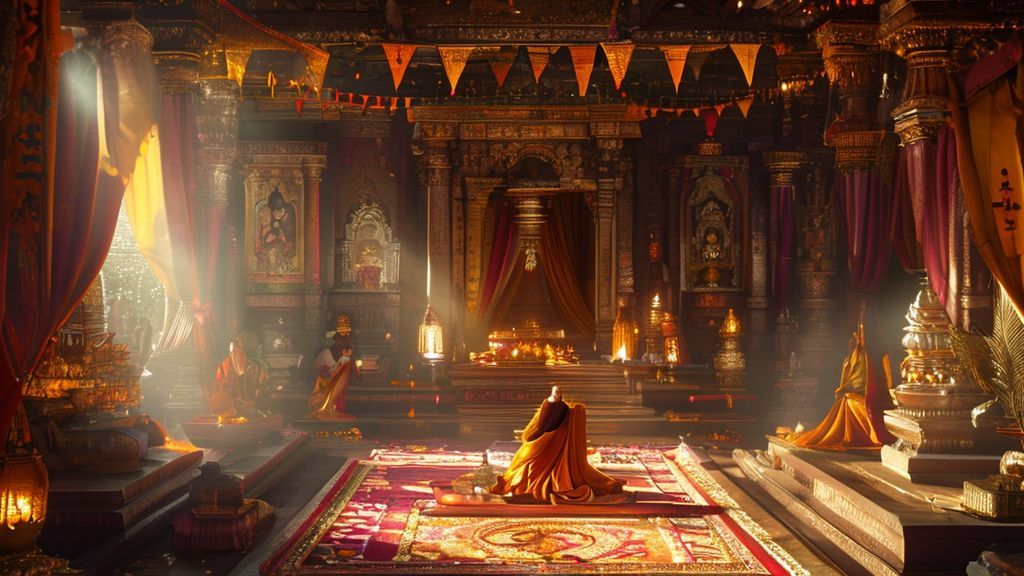
How to Create Hindu Home Temple: Pooja Room Setup involves dedicating a sacred space within one’s home for daily worship, meditation, and spiritual practices, adhering to Vastu Shastra principles for optimal energy flow and divine connection. This consecrated area serves as a miniature temple, fostering devotion and preserving Sanatan Dharma.
| Attribute | Details |
|---|---|
| Primary Purpose | Daily worship (Nitya Puja), meditation (Dhyaan), spiritual solace, family cohesion. |
| Ideal Location (Vastu) | North-East (Ishanya Kona) is paramount, followed by North or East. Avoid South. |
| Essential Elements | Deities (murtis or photos), sacred texts, puja items (diya, incense, bell, water pot), clean altar. |
| Foundational Scripture | Grihya Sutras, Dharma Shastras, Agamas, Vastu Shastra. |
The Sanctified Heart of the Hindu Home
In Sanatan Dharma, the home is not merely a dwelling but a microcosm of the universe, a sacred space where the divine can be invoked and experienced daily. The creation of a dedicated Pooja room or home temple is an embodiment of this profound truth, serving as the spiritual fulcrum of a Hindu household. It is here that the family collectively and individually connects with the Supreme Reality, nurturing devotion, instilling cultural values in children, and purifying the living environment. This sacred precinct, however humble, becomes a conduit for transcendental energies, a place where prayers ascend and blessings descend, transforming mundane existence into a devotional journey. As the Hindutva.online mission emphasizes, preserving such traditions is vital for the continuity of our ancient Dharma.
Evolution of Griha Puja: A Scriptural Journey
The tradition of home worship, or Griha Puja, has roots deeply embedded in Vedic antiquity, long before the proliferation of grand stone temples. The earliest forms of worship revolved around the sacred fire, Agni, who served as the messenger between humans and Devas. The Rig Veda extols Agni’s significance as the primary recipient of offerings. Over time, as detailed in the various Grihya Sutras (such as the Ashvalayana Grihya Sutra and Paraskara Grihya Sutra), the elaborate Vedic sacrifices performed by Brahmins evolved into simpler household rituals accessible to all householders (Grihasthas). These sutras delineate daily rites, offerings, and the consecration of the home, emphasizing the importance of maintaining a pure and spiritually charged environment.
With the advent of the Puranic age and the rise of Bhakti Marga, the worship of specific deities through idols (murtis) gained prominence. The concept of installing a deity and performing Shodashopachara Puja (worship with sixteen offerings) became widespread, as described in the Agamas and various Puranas. The home temple thus became a personal shrine mirroring the grand temples, allowing devotees to engage intimately with their chosen deity (Ishta Devata). This continuity of practice, from fire rituals to deity worship, underscores the adaptability and enduring spiritual core of Sanatan Dharma.
Vastu Shastra: Architectural Harmony for Divine Resonance
The design and placement of a Hindu home temple are not arbitrary but are guided by the ancient science of Vastu Shastra, which aims to harmonize human dwellings with natural energies. The ideal location for the Pooja room is the North-East direction (Ishanya Kona). This direction is considered highly auspicious as it is the confluence of magnetic and solar energies, facilitating spiritual reception and mental clarity. As per Vastu principles documented in texts like Mayamatam and Manasara:
- Direction: Facing East or North while performing puja is considered best. Hence, the deities should be placed such that the worshipper faces these directions.
- Placement of Deities: Idols should never face south. They should not be placed directly opposite the entrance of the Pooja room. Ensure there’s a small gap between the wall and the idol. Avoid having too many idols; focus on your Ishta Devata and other principal deities.
- Elevation: The altar or platform for deities should be slightly elevated from the floor.
- Ventilation & Lighting: The Pooja room should be well-ventilated and brightly lit, preferably with natural sunlight. A lamp (diya) should always be lit, symbolizing the dispelling of darkness.
- Materials: Use natural materials like wood or marble for the altar. Avoid plastic or synthetic materials.
- Storage: Avoid storing unnecessary items in the Pooja room. Only sacred books, puja items, and offerings should be kept there. Never store items above the idols.
- Proximity: The Pooja room should ideally not be adjacent to a bathroom or toilet, nor directly under a staircase, as these are considered inauspicious.
Adhering to these Vastu principles is believed to enhance the positive energy within the home, foster peace, and deepen the spiritual experience of the devotees, turning the Pooja room into a true sanctuary.
Rituals & Puja Vidhi: A Daily Guide to Devotion
Establishing a Pooja room is just the first step; maintaining its sanctity through regular worship is paramount. While specific rituals vary by tradition and deity, a general framework for daily Puja Vidhi includes:
- Shuddhi (Purification): Begin by purifying the body and mind. Take a bath and wear clean clothes. Clean the Pooja area, wiping idols and arranging offerings.
- Sankalpa (Intention): Mentally or verbally declare your intention for the puja, invoking the blessings of your Ishta Devata.
- Deep Prajvalan (Lighting the Lamp): Light the lamp (diya), symbolizing the illumination of wisdom and the dispelling of ignorance.
- Dhyanam (Meditation & Invocation): Meditate on the deity, offering flowers while chanting their names or relevant mantras. Invoke the deity to be present in the murti.
- Panchopachara or Shodashopachara Puja: Offerings can range from five (Panchopachara) to sixteen (Shodashopachara) items. These typically include:
- Gandham: Offering sandalwood paste.
- Pushpam: Offering flowers.
- Dhupam: Lighting incense.
- Deepam: Showing the lamp.
- Naivedyam: Offering food (fruits, sweets, milk).
More elaborate pujas include water for bathing the idol (Snanam), offering clothes (Vastram), and ornaments (Abharanam).
- Mantra Japa: Chant the primary mantra of the deity, using a mala (rosary) for specified repetitions.
- Aarti: Perform Aarti, waving a lit lamp or camphor before the deity, accompanied by bells and devotional songs.
- Pranam & Pradakshina: Offer prostrations (Pranam) and circumambulate the altar (Pradakshina) if space permits.
- Kshama Prarthana: Conclude with a prayer for forgiveness for any unintentional errors during the puja.
- Prasad Vitaran: Distribute the offered food (Prasad) among family members and others as a divine blessing.
Mantras & Chants for Daily Practice
Regular chanting of mantras in the home temple creates a vibrant spiritual aura. Here are some essential mantras:
- Om Gan Ganapataye Namaha: For Lord Ganesha, seeking removal of obstacles and auspicious beginnings.
- Om Bhur Bhuva Svah, Tat Savitur Varenyam, Bhargo Devasya Dhimahi, Dhiyo Yo Nah Prachodayat: The sacred Gayatri Mantra, invoking the solar deity Savitr for wisdom and enlightenment.
- Om Namah Shivaya: The Panchakshari Mantra for Lord Shiva, for peace, protection, and spiritual evolution.
- Om Namo Bhagavate Vasudevaya: The Dwadakshara Mantra for Lord Vishnu, for sustenance, cosmic order, and liberation.
- Om Shri Mahalakshmyai Namah: For Goddess Lakshmi, for prosperity, abundance, and well-being.
- Devotional Stotrams: Chanting hymns like the Hanuman Chalisa, Vishnu Sahasranamam, or Devi Mahatmyam as per one’s tradition.
The vibrations generated by these chants purify the environment and elevate the consciousness of those who participate.
Dos and Don’ts for Your Sacred Space
Maintaining the sanctity of the Pooja room requires adherence to certain practices:
- DO:
- Maintain utmost cleanliness; clean the Pooja room daily.
- Ensure fresh flowers and water are offered regularly.
- Light a lamp and incense daily, even if puja is brief.
- Sit on a clean mat (aasan) during worship.
- Remove shoes before entering the Pooja room.
- Encourage family members, especially children, to participate.
- DON’T:
- Allow pets into the Pooja room.
- Store mundane items like bills, valuables, or non-religious books in the Pooja area.
- Engage in gossip, arguments, or negative conversations in the Pooja room.
- Turn your back to the deities while leaving the room immediately after puja.
- Sleep in the Pooja room, unless it’s a dedicated meditation/prayer room.
- Place deceased ancestors’ photos with deity idols; they belong to a separate space.
Frequently Asked Questions
What is the ideal size for a Pooja room?
There is no fixed ideal size; it should be proportional to your home and allow comfortable movement for puja. Even a small dedicated niche or cabinet can serve as a sacred altar. The emphasis is on dedication and reverence, not grandeur.
Can I use a shared space for my home temple?
Yes, if a dedicated room is not possible, a clean, quiet corner in a living room or bedroom can be consecrated. Use a curtain or a small partition to delineate the sacred space, ensuring it remains undisturbed and free from mundane activities, especially during the hours of worship. The key is to maintain its sanctity and purity.
Which deities should I place in my home temple?
Begin with your Ishta Devata (personal chosen deity) and other deities revered by your family tradition. Lord Ganesha is usually placed first for auspiciousness. Avoid overcrowding the altar; a few well-cared-for idols or photos are more effective than many neglected ones. As outlined on Hindutva.online, the focus should be on devotion to your primary deity.
How often should I clean my Pooja room?
The Pooja room should be cleaned daily. This includes wiping down surfaces, dusting idols, changing fresh flowers, and cleaning lamps. A thorough weekly cleaning, including washing the floor and cleaning walls if necessary, is also recommended to maintain hygiene and spiritual purity.
Upholding Dharma in the Domestic Sphere
The home temple is far more than just a place for idols; it is a spiritual anchor, a classroom for Dharma, and a source of boundless peace. By consciously creating and maintaining this sacred space, Hindu families perform an invaluable service to Sanatan Dharma. They preserve ancient traditions, transmit spiritual knowledge to future generations, and cultivate an atmosphere of devotion, ethical living, and inner harmony. This personal sanctuary reminds us that the divine is ever-present, accessible within the very fabric of our daily lives, transforming every home into a haven of spiritual growth.