Konkani Hindu customs, profoundly rooted in Sanatan Dharma, encapsulate the unique spiritual and cultural practices of Hindus in Goa and the Konkan region. These practices are characterized by a vibrant synthesis of ancient Vedic traditions, Puranic narratives, and distinct local socio-cultural nuances, emphasizing Kuladevata worship, distinct festivals, and a resilient spiritual identity forged over millennia.
| Attribute | Details |
|---|---|
| Primary Deities | Shantadurga (शंखासुरमर्दिनी), Mangesh (शिव), Mahalasa Narayani (लक्ष्मी), Saptakoteshwar (शिव), Ramnath (रामेश्वर) |
| Location/Origin | Goa and the Konkan belt (Maharashtra, Karnataka coasts). Ancient settlements mentioned in Puranas. |
| Key Festivals | Shigmo (शिग्मोत्सव), Ganesh Chaturthi (गणेश चतुर्थी) with unique ‘Navaratri’ style celebration, Naraka Chaturdashi (नरक चतुर्दशी) prominence, Diwali. |
| Scripture Reference | Skanda Purana (Sahyadri Khanda), Brahmanda Purana, Bhagavata Purana (references to Gomantak/Konkan). |
| Distinctive Feature | Profound emphasis on Kuladevata (कुलदेवता) worship, unique temple architecture influenced by local aesthetics. |
Introduction: The Resilient Spirit of Goan Sanatan Dharma
The Konkani Hindu customs, particularly those observed in Goa, represent a living testament to the enduring strength and adaptability of Sanatan Dharma. Situated on India’s western coast, Goa, known in ancient scriptures as Gomantak, has been a vibrant crucible of spiritual evolution. Its practices, forged through centuries of cultural exchange and periods of immense challenge, exemplify a deep reverence for ancestral deities, a rich tradition of Bhakti, and a vibrant community life centered around the temple. The Hindu identity here is inextricably linked to the land itself, preserving an ancient legacy that continues to inspire devotees globally. It is a unique confluence of the sacred and the mundane, where every ritual, every festival, and every daily practice reinforces the eternal truths of Dharma.
Puranic History and Legend: Gomantak’s Sacred Past
The sacred land of Goa finds mention in several ancient Hindu scriptures, affirming its deep spiritual roots. The Skanda Purana’s Sahyadri Khanda vividly describes the creation of Parashurama Kshetra, a vast land reclaimed from the sea by Bhagwan Parashurama, an Avatar of Vishnu. According to this narrative, Parashurama, after vanquishing the Kshatriyas, shot an arrow from the Sahyadri mountains into the sea, commanding the ocean to recede up to the point where the arrow landed. This reclaimed land is believed to be the Konkan coast, with Gomantak (Goa) as a significant part of it. The Brahmanda Purana also alludes to Goa’s sanctity, often linking it to Lord Shiva and other deities. These Puranic accounts highlight Goa’s status as a sacred pilgrimage site (Tirtha Kshetra) from antiquity. The region historically nurtured Saraswat Brahmins, Gaud Saraswats, and other Brahmin communities, fostering a unique spiritual tradition that weathered centuries of foreign rule and external pressures, preserving its essence despite repeated attempts at suppression. The unwavering devotion to Kuladevatas (family deities) became a crucial anchor for the community, ensuring the continuity of ancestral worship and identity.
Architectural & Scientific Marvels: The Goan Temple Aesthetic
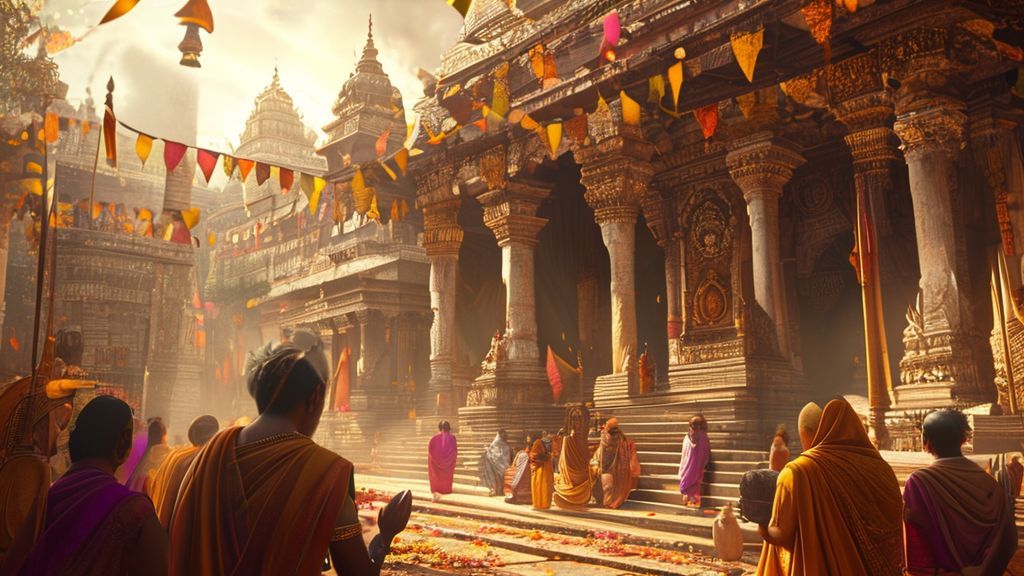
Goan Hindu temples, while adhering to the core principles of Hindu temple architecture, possess a distinct aesthetic that sets them apart. Unlike the towering gopurams of the Dravidian style or the ornate shikharas of the Nagara style seen elsewhere, traditional Goan temples, particularly those rebuilt after the Portuguese Inquisition, exhibit a unique blend of indigenous Konkani and, surprisingly, some Portuguese architectural elements. Often characterized by dome-shaped roofs, multi-storied lamp towers (Deepastambhas), and pristine white exteriors, they are typically less sculptural on the outside but rich in intricate carvings and detailed ornamentation within the inner sanctums. The Deepastambha, a cylindrical or square tower in front of the temple, often adorned with niches for oil lamps, is a hallmark. The ‘Sabhamandapa’ (assembly hall) is spacious, often featuring a ‘Rangamantapa’ (performance stage). Scientific principles are subtly integrated: the strategic placement of the ‘Garbhagriha’ (sanctum sanctorum) is designed for optimal energy flow, with the idol positioned to harness telluric and cosmic energies. The use of laterite stone, a locally abundant material, speaks to the ingenious adaptation of building techniques to the environment. The temple complexes often include natural water bodies (Tirthas) and sacred groves (Devrai), symbolizing a profound ecological consciousness, which is an integral part of Hindutva.online‘s understanding of Dharma.
Rituals & Puja Vidhi: Daily Devotion and Festival Splendor
Konkani Hindu customs are rich in rituals, from daily household pujas to grand temple festivals. The emphasis on Kuladevata worship is paramount. Each family or clan has a specific deity they revere as their ancestral protector, and their temples are focal points of community life. Regular visits (दर्शन, darshan) and offerings (प्रसाद, prasada) are integral.
Life-cycle ceremonies (Sanskars) are meticulously observed:
- Namakarana (नामकरण): Naming ceremony, often after 12 days, involving a puja to the Kuladevata.
- Annaprashana (अन्नप्राशन): First solid food, typically between 6-8 months, seeking blessings for health.
- Upanayana (उपनयन): Sacred thread ceremony for boys, marking spiritual initiation and the study of Vedas.
- Vivaha (विवाह): Marriage ceremonies are elaborate, featuring unique Goan customs like the ‘Sadi’ ritual where the bride wears a traditional saree gifted by the groom’s family, and specific wedding songs (ज़गरा, jagra).
- Antyeshti (अन्त्येष्टि): Funeral rites, strictly following Vedic injunctions for a peaceful transition of the soul.
Major festivals are celebrated with unique Goan flavor:
- Ganesh Chaturthi: Celebrated with fervent devotion, often extending for 5-11 days. Idols are meticulously crafted, and family gatherings are central.
- Shigmo (शिग्मोत्सव): Goa’s vibrant spring festival, similar to Holi but with distinct folk dances (घोडेमोडनी, Ghodemodni; कोरणुवाद, Koranuvad), elaborate parades, and temple rituals.
- Naraka Chaturdashi: Celebrated with greater prominence than Lakshmi Puja in Goa, marking the vanquishing of Narakasura by Krishna. Homes are illuminated, and special oil baths (अभ्यंगस्नान, abhyangasnana) are taken before sunrise.
Mantras & Chants: Echoes of Devotion
The chanting of Vedic mantras and Puranic stotras forms the bedrock of Konkani Hindu spiritual practice. Devotees often recite specific prayers for their Kuladevata.
For Devi Shantadurga, a prominent Goan deity:
ॐ शांतिदुर्गायै नमः।
Om Shantidurgayai Namah. (Salutations to Shantadurga, the Goddess of Peace.)
For Lord Mangesh (Shiva):
ॐ नमः शिवाय।
Om Namah Shivaya. (I bow to Lord Shiva.)
A common prayer for invoking blessings:
सर्व मंगल मांगल्ये शिवे सर्वार्थ साधिके। शरण्ये त्र्यंबके गौरि नारायणि नमोऽस्तु ते॥
Sarva Mangala Mangalye Shive Sarvartha Sadhike. Sharanye Tryambake Gauri Narayani Namo’stu Te. (O auspicious one, dispeller of all misfortunes, consort of Shiva, who grants all desires. I bow to you, Narayani, who is a refuge, with three eyes and a fair complexion.) This verse from the Devi Mahatmyam is widely recited during Devi pujas.
Dos and Don’ts: Cultural Etiquette in Goan Temples
Adhering to local customs ensures a respectful and enriching spiritual experience:
- DO dress modestly, covering shoulders and knees when visiting temples.
- DO remove your footwear before entering the temple premises or a home temple.
- DO offer a small donation (दक्षिणा, dakshina) to the priests (गुरुजी, guruji) or temple fund, as per your capacity.
- DO partake in the ‘Prasada’ (sacred food offering) distributed after puja.
- DO NOT point your feet towards the deities or elders.
- DO NOT carry non-vegetarian food or consume alcohol within temple precincts.
- DO NOT make loud noises or disturb others during prayers or meditation.
- DO NOT touch idols or sacred objects without permission, unless it is a specific ritual involving devotees.
Frequently Asked Questions About Konkani Hindu Practices
What is the significance of Kuladevata in Goan Hinduism?
The Kuladevata (family deity) holds paramount significance in Goan Hinduism. It represents the ancestral deity or a specific form of Shiva, Vishnu, or Devi worshipped by a particular lineage or clan. The Kuladevata is believed to protect the family, guide its members, and ensure prosperity. Worship of the Kuladevata is deeply personal and communal, acting as a spiritual anchor connecting generations to their roots and reinforcing familial bonds and identity, especially during times of historical upheaval when physical temples were destroyed.
How do Goan Ganesh Chaturthi celebrations differ?
Goan Ganesh Chaturthi celebrations are distinct due to their extended duration, often lasting 5, 7, or even 11 days, rather than the typical 1.5 or 3 days seen elsewhere. Families bring home intricately crafted idols, performing daily pujas, singing traditional hymns (आरती, aarti), and preparing various sweets and savories, with modak being a staple. The festive atmosphere is characterized by strong community participation and a strong focus on family gatherings, echoing a ‘Navaratri’ like spiritual intensity.
Are there unique Konkani Hindu culinary traditions?
Yes, Konkani Hindu culinary traditions are rich and distinct. Staples include rice, fish (though Brahmins typically observe vegetarianism), and coconut, used extensively in gravies and sweets. Unique vegetarian dishes like ‘Uddamethi’ (a spiced lentil dish), ‘Khatkhate’ (mixed vegetable stew), and sweet preparations like ‘Neureos’ (fried pastry with coconut filling) during festivals are emblematic. The use of kokum, tamarind, and local spices creates a flavor profile unique to the Konkan region. Special vegetarian feasts (भोजन, bhojan) are prepared and offered during temple festivities and family celebrations, showcasing the richness of the local cuisine.
The Dharmic Significance: Preserving Sanatan Dharma in Konkan
The Konkani Hindu customs are more than just a set of practices; they are a vibrant manifestation of Sanatan Dharma’s eternal principles, resiliently preserved in the crucible of time. They demonstrate how Dharma adapts, yet retains its core, drawing strength from deep-rooted traditions and community solidarity. The emphasis on Kuladevata worship, the unique temple architecture, the rich tapestry of festivals, and the meticulous observance of Sanskars all serve to reinforce the spiritual fabric of the community. In a world grappling with identity and meaning, these practices offer a profound connection to a timeless heritage, reminding us of the enduring power of faith, devotion, and cultural continuity. They stand as a beacon, guiding seekers and ensuring that the lamp of Dharma continues to shine brightly for generations to come, a testament to the eternal wisdom explored daily at Hindutva.online.