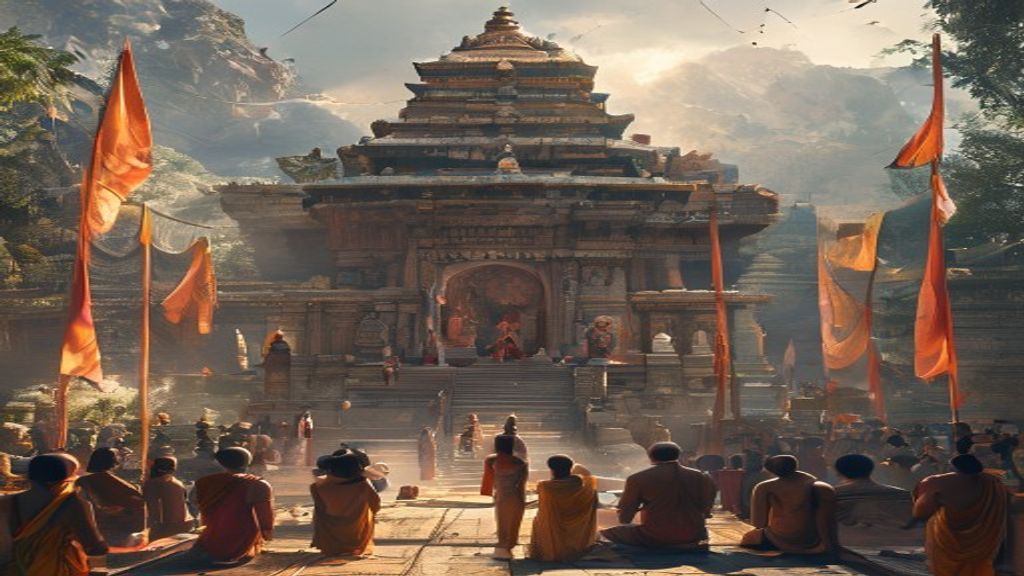
Panch Prayag refers to the revered series of five sacred river confluences in the Garhwal Himalayas of Uttarakhand, where the mighty Alaknanda river merges with other divine streams, culminating in the formation of the holy Ganga at Devprayag. These sites are profound pilgrimage destinations, offering immense spiritual purification and embodying the ancient Sanatan Dharma’s deep reverence for nature and divine unions.
| Attribute | Details |
|---|---|
| Deities & Associations | Vishnu (Vishnuprayag), Krishna (Nandprayag), Surya/Brahma (Karanprayag), Shiva (Rudraprayag), Rama/Vishnu (Devprayag) |
| Location & Geography | Garhwal Himalayas, Uttarakhand, India. Confluence of Alaknanda with Dhauliganga, Nandakini, Pindar, Mandakini, and Bhagirathi. |
| Key Festivals | Makar Sankranti, Ganga Dussehra, Kartik Purnima, Shivratri (Rudraprayag), Rama Navami (Devprayag) |
| Scripture Reference | Skanda Purana (Kashi Khanda, Kedara Khanda), Mahabharata, Ramayana, Bhagavat Purana |
The Spiritual Essence of Confluences in Dev Bhoomi
In the heart of Dev Bhoomi, the sacred land of Uttarakhand, the phenomenon of river confluences, or
Prayags, holds profound spiritual significance in Sanatan Dharma. A Prayag is not merely a geographical meeting point of rivers; it is a spiritual crucible where divine energies merge, purifying the mind, body, and soul of those who seek refuge in their sacred waters. The Panch Prayag, five such hallowed junctions, are pivotal to understanding the journey of Ganga Maa from her glacial origins to her descent onto the plains. Each confluence is a unique tapestry woven with Puranic legends, divine blessings, and the deep reverence of countless sages and devotees across millennia.
Puranic History and Legends of the Panch Prayag
The journey through the Panch Prayag is a pilgrimage through time, echoing with the sagas of gods, goddesses, and ancient Rishis. Each Prayag possesses a distinct legend, primarily chronicled in the
Skanda Purana,
Mahabharata, and
Ramayana.
Vishnuprayag: Where Narada Worshipped Vishnu
The first of the Panch Prayag,
Vishnuprayag, marks the confluence of the Alaknanda and the Dhauliganga rivers. Situated at an elevation of approximately 1,372 meters, this site is named after Bhagwan Vishnu. According to the
Skanda Purana (Kedara Khanda), it is believed that Sage Narada performed intense penance here to please Bhagwan Vishnu. Pleased by Narada’s devotion, Vishnu appeared before him, blessing him with musical prowess and liberation from the cycle of birth and death. A temple dedicated to Vishnu stands proudly here, commemorating this divine encounter. The fierce current of the Dhauliganga meeting the majestic Alaknanda creates a spectacle of natural power, reminding devotees of the potent energy that resides in this sacred union.
Nandprayag: The Confluence of King Nanda’s Penance
Moving downstream, we encounter
Nandprayag, where the Alaknanda embraces the Nandakini river. This Prayag is steeped in legends associated with King Nanda, the foster father of Bhagwan Krishna. The
Bhagavat Purana hints at King Nanda performing a great Yajna here to attain a son, and by the grace of Bhagwan Vishnu, Krishna was born to Devaki and raised by Nanda. Another account, also found in local traditions, suggests that Sage Kanva performed penance here, and the Nandakini river is named after King Nanda, who had also propitiated the gods on its banks. A temple dedicated to Nand Gopal (child Krishna) stands at this confluence, symbolizing divine protection and blessings for offspring and prosperity.
Karanprayag: Karna’s Quest for Immortality
The third Prayag,
Karanprayag, witnesses the meeting of the Alaknanda and the Pindar River. This site is famously associated with Karna, the great warrior from the
Mahabharata. Legend has it that Karna performed rigorous penance here to Surya Deva (the Sun God), his divine father, to acquire the impenetrable Kavacha (armor) and Kundala (earrings) that made him invincible. Some Puranic accounts also suggest that Bhagwan Brahma worshipped Shiva here. The Pindar river, also known as Karnaganga, originates from the Pindari Glacier, and its confluence with the Alaknanda is considered highly auspicious for devotees seeking strength, valor, and freedom from sins. The Karna Mandir located here is a testament to this powerful legend.
Rudraprayag: The Dance of Rudra
Further down the Alaknanda’s journey lies
Rudraprayag, the confluence with the Mandakini River. This Prayag is dedicated to Bhagwan Shiva, specifically in his Rudra form, the fierce aspect. The
Skanda Purana (Kedara Khanda) recounts how Sage Narada, seeking to master music, performed intense penance here, invoking Shiva. Shiva appeared as Rudra, blessing Narada with proficiency in music and the Vina. Another popular legend states that Shiva performed his cosmic dance, the
Tandava, here. The Mandakini River, flowing from Kedarnath, carries immense spiritual energy, making Rudraprayag a significant site for devotees of Shiva. The ancient Rudranath Temple at the confluence is a focal point of worship, embodying the raw, transformative power of Shiva.
Devprayag: The Holy Confluence of Bhagirathi and Alaknanda
The culminating and most revered of the Panch Prayag is
Devprayag. Here, the holy Bhagirathi, considered the true source of Ganga, merges with the mighty Alaknanda. From this point forward, the unified river is known as the
Ganga. The
Ramayana mentions that Bhagwan Rama performed penance here, and a famous Raghunath Temple, dedicated to Lord Rama, stands as a testament to this legend. According to the
Skanda Purana (Kedara Khanda), the Prayag is named after Devasharma, a Rishi who performed severe austerities here. The distinct colors of the Bhagirathi (muddy, glacial silt) and the Alaknanda (bluish-green) are visible, creating a visually striking and spiritually powerful union. Devprayag is considered the first of the major confluences where the Ganga gains her true form and grandeur, preparing for her descent to the plains, carrying salvation to millions.
Architectural and Scientific Marvels
While specific architectural styles like Dravidian or Nagara are more pronounced in large temple complexes, the architecture of the Panch Prayag is primarily a testament to nature’s grandeur, complemented by ancient temple structures. The temples at each Prayag, like the Vishnu Temple at Vishnuprayag, Nand Gopal Temple at Nandprayag, Karna Mandir at Karanprayag, Rudranath Temple at Rudraprayag, and the Raghunath Temple at Devprayag, generally follow the Nagara style, albeit in simpler forms, reflecting the regional Garhwali architecture. These temples are strategically built at the confluence points, allowing devotees direct access to the holy waters for rituals. From a scientific perspective, the distinct geological formations of the Himalayas dictate the course of these rivers. The differing mineral compositions and flow speeds of the merging rivers create a fascinating phenomenon where one can observe two distinct water colors flowing side-by-side before completely merging, a truly unique natural marvel that speaks volumes about the diverse geography of the region. This natural “architecture” is as awe-inspiring as any man-made structure, reminding us of the immense power and beauty of our Mother Earth.
Rituals and Puja Vidhi at the Confluences
Performing
Puja Vidhi at the Panch Prayag is a deeply spiritual experience, adhering to traditional Sanatan Dharma practices:
- Snan (Holy Bath): The foremost ritual is to take a dip in the sacred waters at the confluence. Devotees believe this purifies one of all sins. One should enter the water with reverence, offering prayers to the presiding deities and Mother Ganga.
- Achaman (Sipping Water): After bathing, a devotee sips a few drops of the holy water, purifying the internal self.
- Tarpan (Ancestral Offerings): Many pilgrims perform Tarpan for their ancestors, offering water and sesame seeds (Til) to liberate them and seek their blessings. This is particularly significant at Devprayag.
- Sankalp (Vow): Before performing any puja, a Sankalp is taken, stating the purpose of the worship.
- Arghyam (Offering Water): Offering water to the Sun God (Surya Deva) and other deities.
- Deep Daan and Pushpa Arpan (Lamp and Flower Offerings): Lighting lamps (Deepak) and offering flowers (Pushpa) to the rivers and the deities in nearby temples.
- Mantra Japa and Dhyana (Chanting and Meditation): Sitting by the banks and chanting relevant mantras or meditating to connect with the divine energy of the Prayag.
- Pradakshina (Circumambulation): Performing circumambulation of the temple or the confluence area.
Each step is performed with devotion, fostering a profound connection with the divine.
Mantras and Chants for Devotees
Chanting mantras at these sacred sites amplifies their spiritual benefit. Devotees may recite:
- For Ganga Maa:
Om Namo Gangaye Viswarupini Narayani Namo Namah. (ॐ नमो गंगायै विश्वरूपिण्यै नारायण्यै नमो नमः।)
- At Vishnuprayag:
Om Namo Bhagavate Vasudevaya. (ॐ नमो भगवते वासुदेवाय।)
- At Nandprayag:
Om Namo Bhagavate Vasudevaya (Krishna Mantra).
- At Karanprayag:
Om Ghrini Suryaya Namah. (ॐ घृणि सूर्याय नमः।)
- At Rudraprayag:
Om Namah Shivaya. (ॐ नमः शिवाय।) or an excerpt from the
Shiv Tandava Stotram.
- At Devprayag:
Om Sri Ramaya Namah. (ॐ श्री रामाय नमः।)
These chants evoke the presence of the respective deities and harness the powerful vibrations of the confluences.
Dos and Don’ts for Pilgrims
To maintain the sanctity of these divine sites, devotees must observe certain etiquettes:
- Do: Maintain utmost cleanliness and purity, both physically and mentally.
- Do: Dress modestly and appropriately for the sacred environment.
- Do: Offer prayers and perform rituals with genuine devotion and respect for local traditions.
- Do: Respect the local culture and the simplicity of the Himalayan life.
- Do: Seek blessings from the priests and local sadhus.
- Don’t: Litter or throw any non-biodegradable items into the river or on the banks.
- Don’t: Consume alcohol, tobacco, or non-vegetarian food in the sacred precincts.
- Don’t: Engage in loud or disruptive behavior that disturbs the peaceful atmosphere.
- Don’t: Engage in bargaining or disrespectful conduct towards locals or service providers.
- Don’t: Take photographs inside temples where explicitly prohibited.
What is the spiritual significance of bathing at a Prayag?
Bathing at a Prayag is considered highly sacred because it signifies a spiritual cleansing. According to the Puranas, confluences are points where the energies of different deities and celestial beings merge, making the waters immensely potent for absolving sins (
Papa Nashana) and bestowing liberation (
Moksha). The unique vibrational energies at these junctions are believed to purify the mind, body, and soul, preparing a devotee for higher spiritual pursuits.
Are the Panch Prayag part of the Char Dham Yatra?
While the Panch Prayag are not officially counted among the
Char Dham (Badrinath, Kedarnath, Gangotri, Yamunotri) or
Chhota Char Dham, they are intrinsically linked to the Char Dham pilgrimage. Most pilgrims undertaking the Char Dham Yatra in Uttarakhand often pass through or visit several of the Panch Prayag, especially Devprayag, Rudraprayag, and Karanprayag, as they lie on the traditional routes to Badrinath and Kedarnath. Visiting them is considered an auspicious extension of the Char Dham pilgrimage, enhancing the spiritual merit of the entire journey.
Which is the most important among the Panch Prayag?
Among the Panch Prayag,
Devprayag holds the utmost importance. It is at Devprayag that the Bhagirathi and Alaknanda rivers merge to officially form the holy Ganga. This confluence is revered as the point where Mother Ganga truly takes her form, before descending to the plains. Its significance is highlighted by its mention in ancient scriptures like the
Ramayana and
Skanda Purana, associating it with Bhagwan Rama’s penance and Sage Devasharma’s austerities, making it the primary and most sacred of the five confluences.
Dharmic Significance: Preserving Sanatan Dharma
The Panch Prayag are not merely tourist destinations; they are living testaments to the eternal principles of Sanatan Dharma. They embody the profound reverence Hindus hold for nature, particularly rivers, which are worshipped as divine mothers. These sites are crucial for the preservation of our spiritual heritage, serving as centers of pilgrimage and traditional learning. They remind us of the continuous flow of divine grace, the importance of spiritual purification, and the stories of devotion that have shaped our civilization. Through these sacred confluences, we reconnect with the ancient wisdom, the unbroken lineage of sages, and the vibrant spiritual essence that defines the Hindu way of life, diligently explored and upheld by platforms like Hindutva.online. The journey through the Panch Prayag is a journey within, reaffirming faith and providing an opportunity for profound spiritual transformation and alignment with the cosmic order, ensuring that the legacy of our ancestors continues to inspire future generations and enriching our understanding of Sanatan Dharma, which can be further explored on Hindutva.online.