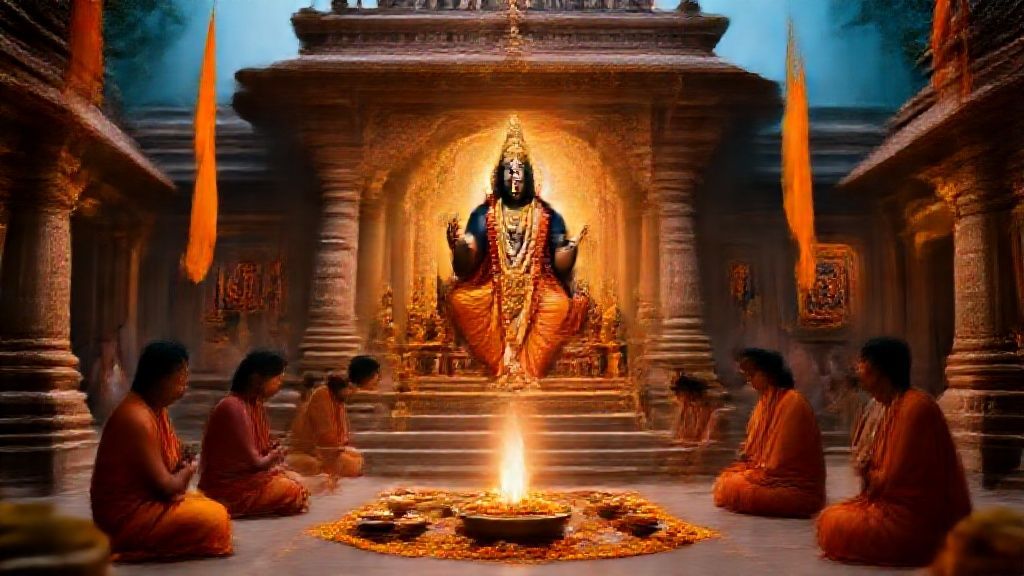
Janmashtami fasting, a sacred observance on the birthday of Lord Krishna, involves abstaining from specific grains, pulses, and common salt, while adhering to a satvik, phalahari diet of fruits, vegetables, dairy, and permitted grains like kuttu or singhara atta. This vrat purifies the body and mind, fostering deep devotion to Balagopala.
| Attribute | Details |
|---|---|
| Deity Honored | Lord Krishna (Shri Krishna, Balagopala, Govinda) |
| Key Fasting Principle | Phalahari (fruit-based) or Nirjala (waterless) fasting; abstinence from grains, pulses, onion, garlic, common salt. |
| Core Scripture Reference | Bhagavata Purana (Srimad Bhagavatam), Harivamsa Purana, Vishnu Purana. |
| Key Festival | Janmashtami (Krishna Janmotsav), celebrated on the Ashtami (8th day) of Krishna Paksha in the month of Shraavana or Bhadrapada. |
Introduction: The Sacred Vrat for Janmashtami
Janmashtami, the glorious celebration of Shri Krishna’s divine advent, is a deeply revered festival in Sanatan Dharma. Devotees worldwide observe a profound fast (vrat), not merely as a ritual, but as a spiritual endeavor to connect with the Lord. This sacred practice, a testament to fervent devotion for Lord Krishna, purifies body and mind, tuning the soul to Gopala’s lila. It’s a day of immense spiritual potency, dedicated to Vāsudeva, fostering inner reflection and growth. For a comprehensive understanding of Hindu festivals and their spiritual underpinnings, visit Hindutva.online.
Puranic History and the Divine Advent of Krishna
The Janmashtami fast is rooted in the extraordinary birth of Lord Krishna, as narrated in the Bhagavata Purana (Srimad Bhagavatam), Harivamsa Purana, and Vishnu Purana. The tyrannical King Kansa of Mathura, fearing a prophecy that Devaki’s eighth child would be his destroyer, imprisoned his sister Devaki and her husband, Vasudeva. After slaying their first six children, Shri Krishna was born as their eighth child, at midnight on the Ashtami of Krishna Paksha under the Rohini star. Miraculously, prison doors opened, and guards slept. Vasudeva carried infant Krishna across the Yamuna to Gokul, exchanging Him with Nanda Maharaja and Yashoda Maiya’s newborn. This divine intervention, a pivotal moment restoring Dharma, is why devotees fast until midnight, participating in the joyous anticipation of Krishna’s arrival.
The Spiritual Science Behind Janmashtami Vrat
Janmashtami fasting is deeply rooted in Ayurveda and the Vedic tradition of tapasya. Our Rishis understood that body purification is paramount for higher consciousness. This vrat cleanses the digestive system, redirecting energy from digestion to internal healing and spiritual contemplation. As per Ayurveda, fasting balances doshas, eliminates toxins (ama), and rekindles agni. Observing a phalahari or nirjala fast cultivates indriya nigraha (sensory control), crucial for a focused mind. Energy usually spent on digestion is conserved for meditation and chanting Krishna’s līlās. Fasting on an astrologically significant day like Janmashtami, with heightened cosmic energies, amplifies spiritual benefits, fostering willpower, purifying intellect, and deepening connection with Parabrahma Shri Krishna.
Rituals and Puja Vidhi: What to Eat and Avoid During Janmashtami Fast
Observing the Janmashtami fast requires adherence to specific dietary guidelines, designed to maintain a satvik (pure) state of body and mind throughout this auspicious day. The fast typically begins at dawn and concludes at midnight with the birth of Lord Krishna, followed by the Parana (breaking of the fast).
General Principles of the Janmashtami Vrat:
- Sankalpa (Intention): Begin the day by taking a solemn vow to observe the fast with sincerity, dedicating it to Lord Krishna.
- Nirjala or Phalahari: Choose between a waterless fast, water-only fast, or a phalahari (fruit-based) fast based on health and capacity.
- Mindful Consumption: Even with a phalahari fast, consumption should be minimal, for sustenance, not indulgence.
- Devotion: Dedicate the day to chanting, meditation, scripture reading (e.g., Bhagavad Gita or Srimad Bhagavatam), and performing puja.
What to Eat (Permitted Foods – Phalahari Diet):
The permitted foods are typically referred to as “Vrat ka Khana”, chosen for their purity and ease of digestion during fasting.
- Fruits: All fresh fruits like apples, bananas, grapes, oranges, pomegranates, melons, mangoes, papayas provide natural sugars and hydration.
- Vegetables: Potatoes, sweet potatoes, arbi, pumpkin, bottle gourd, and raw banana are allowed. Prepare them simply without prohibited spices.
- Dairy Products: Milk, yogurt, paneer, ghee, and buttermilk are central to the phalahari diet, being satvik and nourishing.
- Grains and Flours: Non-cereal flours like Kuttu ka Atta (Buckwheat flour), Singhara ka Atta (Water Chestnut flour), and Sabudana (Tapioca Pearls) are permitted for rotis, puris, or kheer.
- Nuts and Dry Fruits: Almonds, walnuts, cashews, pistachios, peanuts, and raisins provide energy and nutrients.
- Sugars: Jaggery and rock sugar (mishri) are preferred over refined white sugar.
- Spices: Green chillies, ginger, black pepper powder, cumin powder, and sendha namak (rock salt) are permitted. Turmeric is generally avoided.
- Beverages: Water, fruit juices, coconut water, milk, and buttermilk are allowed.
What to Avoid (Prohibited Foods):
Strict abstinence from these ensures the fast maintains its spiritual sanctity, avoiding tamasic or rajasic influences.
- Grains and Pulses: All common grains (wheat, rice, barley, oats, corn) and all types of lentils and legumes are strictly forbidden.
- Common Salt: Regular iodized table salt is avoided; only sendha namak is permitted.
- Onion and Garlic: Considered tamasic, these are strictly prohibited in all preparations.
- Non-Vegetarian Food: Meat, fish, and eggs are absolutely forbidden.
- Specific Spices: Turmeric powder, asafoetida, fenugreek, mustard seeds, and garam masala are generally avoided.
- Processed Foods: Packaged snacks, refined oils (use ghee or groundnut oil if needed), and items with prohibited ingredients.
- Alcohol and Tobacco: Strictly prohibited.
Breaking the Fast (Parana):
The fast is traditionally broken at midnight (12:00 AM) after the ceremonial birth celebrations of Lord Krishna. Following the midnight puja, which includes the deity’s Abhishekam and offering of bhog, devotees consume the sacred prasadam (especially Panchamrit and fruits) to conclude their fast, symbolizing participation in Krishna’s divine arrival and receiving His blessings. Check local Panchang for specific Parana timings.
Mantras and Chants for Janmashtami
Chanting divine mantras on Janmashtami purifies the mind and invokes Lord Krishna’s blessings. Devotees are encouraged to engage in continuous Japa.
- Maha Mantra:
हरे कृष्ण हरे कृष्ण कृष्ण कृष्ण हरे हरे ।
हरे राम हरे राम राम राम हरे हरे ॥Hare Krishna Hare Krishna Krishna Krishna Hare Hare |
Hare Rama Hare Rama Rama Rama Hare Hare || - Moola Mantra for Krishna:
ॐ नमो भगवते वासुदेवाय ॥
Om Namo Bhagavate Vasudevaya ||
- Gopala Mantra:
ॐ क्लीं कृष्णाय नमः ॥
Om Kleem Krishnaya Namah ||
Reciting these mantras sincerely fosters concentration and invites divine grace.
Dos and Don’ts During Janmashtami Fast
Beyond diet, the Janmashtami fast requires a broader code of conduct for spiritual benefit and respect for the sacred day.
- Do:
- Maintain cleanliness and purity, taking a morning bath.
- Dedicate the day to remembrance of Lord Krishna through chanting and prayer.
- Read or listen to Krishna’s divine lila from the Bhagavata Purana.
- Visit a Krishna temple or perform home puja.
- Practice truthfulness (Satya) and non-violence (Ahimsa).
- Stay hydrated during phalahari fast.
- Offer charity to the needy.
- Don’t:
- Engage in gossip or negative speech.
- Consume prohibited foods, even inadvertently.
- Sleep excessively or remain lethargic; maintain devotional focus.
- Engage in worldly pleasures or distractions.
- Express anger, hatred, or irritation; maintain peace.
- Perform harsh physical labor.
Frequently Asked Questions About Janmashtami Fasting
Can pregnant women or those with health conditions observe the Janmashtami fast?
Sanatan Dharma prioritizes health. Pregnant women, lactating mothers, the elderly, children, and individuals with chronic illnesses must consult a healthcare professional before fasting. A light phalahari fast or abstaining from prohibited foods while engaging in devotional practices is equally meritorious and safer for these groups.
Is it permissible to consume tea or coffee during Janmashtami fast?
This varies by tradition. Generally, caffeinated beverages are avoided for their stimulating nature, not aligning with satvik principles. However, if customary or necessary to avoid discomfort, plain tea or coffee without milk/sugar (or with permitted milk/sugar) might be allowed in some traditions. Prioritize water or permitted juices for purity.
When exactly should the Janmashtami fast be broken?
The fast is traditionally broken at midnight (12:00 AM), after the ceremonial birth celebrations of Lord Krishna, including Abhishekam and bhog offerings. Devotees then consume the sacred prasadam. Consult local Panchang for specific Parana timings, as these can vary if the Ashtami tithi extends into the next day.
What is the significance of “Sendha Namak” (Rock Salt) during fasting?
Sendha Namak, or Himalayan rock salt, is preferred during fasting as a purer, unprocessed alternative to common table salt. It is mined from ancient deposits, considered sattvic, and free from industrial processing and additives. Its natural composition, often rich in essential minerals, makes it suitable for maintaining purity and well-being during vrat observance.
The Enduring Dharmic Significance of Janmashtami Vrat
The Janmashtami fast is a profound act of devotion, strengthening the fabric of Sanatan Dharma. Devotees actively participate in Lord Krishna’s lila, building discipline, faith, and remembering Dharma’s eternal victory. This vrat anchors individuals spiritually, teaching self-restraint and the joy of devotion. Through such observances, we purify individual consciousness and contribute to collective spiritual upliftment, ensuring Shri Krishna’s divine glories resonate across generations. For deeper insights into such timeless traditions, explore the rich resources at Hindutva.online, your gateway to understanding our sacred heritage.
