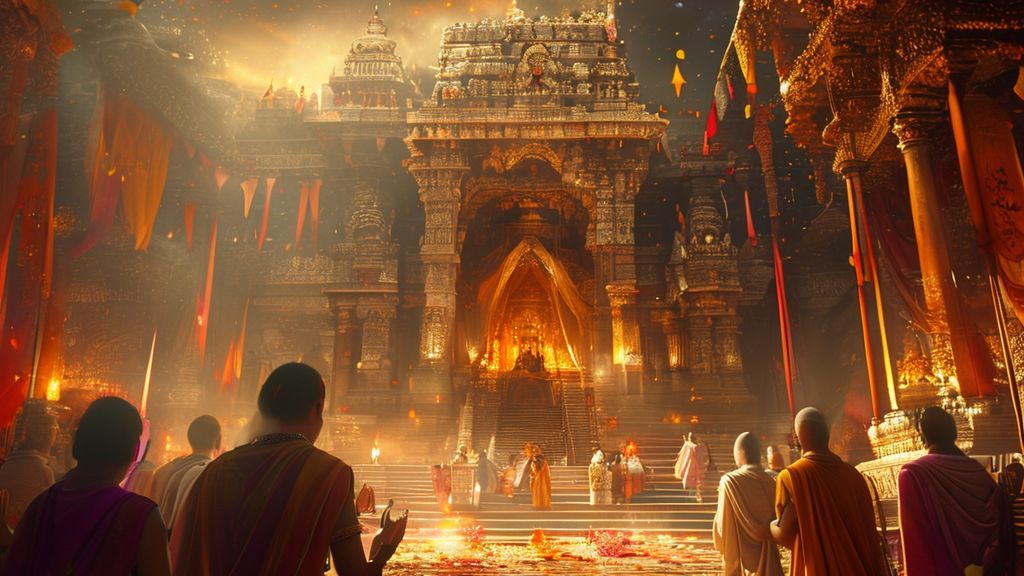
The Kali Chalisa is a potent devotional hymn comprising forty sacred verses (chaupais) dedicated to Maa Kali, the fierce and compassionate primordial Shakti who annihilates evil, grants protection, and bestows liberation upon Her sincere devotees. Chanting this Chalisa invokes Her divine presence, purifies the mind, and empowers the seeker to overcome obstacles and negative forces.
| Attribute | Details |
|---|---|
| Deity Addressed | Goddess Kali, a primary form of Adi Shakti, known for Her fierce aspect of protection and destruction of evil. |
| Nature of Hymn | A devotional poem consisting of forty verses (चालीस), eulogizing Maa Kali’s divine attributes, legends, and powers. |
| Key Festivals for Recitation | Kali Puja, Diwali, Navratri (especially the latter nights), Amavasya (new moon nights), particularly Krishna Paksha Chaturdashi. |
| Scriptural References for Kali | Devi Mahatmya (Markandeya Purana), Kalika Purana, Mahanirvana Tantra, Mundamala Tantra, Purana Samhita. |
| Primary Benefit | Protection from evil, removal of obstacles, fearlessness, spiritual growth, liberation (Moksha), and fulfillment of righteous desires. |
The Primordial Power: Understanding Maa Kali and Her Chalisa
In the vast tapestry of Sanatan Dharma, Maa Kali stands as the epitome of primordial cosmic energy, the ultimate devourer of time (Kala) and the annihilator of ego. While Her form might appear fearsome to the uninitiated, characterized by dark skin, a garland of skulls, a sword, and a severed head, She is, in essence, the compassionate Mother who ruthlessly destroys ignorance and illusion to lead Her devotees to liberation. The Kali Chalisa is not merely a sequence of verses; it is a profound journey into the heart of this divine Mother, a sacred sonic invocation designed to connect the devotee directly with Her boundless power and grace. It is a testament to the fact that true devotion transcends superficial appearances, recognizing the ultimate truth behind every divine manifestation.
Puranic History & Legend: The Birth and Deeds of Kali
The genesis of Maa Kali is vividly narrated in various sacred texts, most notably the Devi Mahatmya section of the Markandeya Purana. Her most celebrated appearance is recounted during the cosmic battle between Devi Durga and the formidable demon Raktabija. This demon possessed a unique boon: every drop of his blood that touched the earth would instantly create thousands of new demons. As Durga battled him, the battlefield became overrun with his clones, threatening to overwhelm the divine forces.
It was at this critical juncture that Durga’s brow furrowed in rage, and from it sprang forth Maa Kali. Her form was terrifying and magnificent: dark as a storm cloud, with a gaping mouth, a long, lolling tongue, and eyes blazing with fire. She rode a lion, wielding a sword and a noose, adorned with a garland of skulls and a belt of severed arms. With thunderous roars, Kali began to devour Raktabija’s clones, but crucially, she did not allow a single drop of his blood to fall to the earth. Instead, she drank the blood directly as it flowed from his wounds, preventing the proliferation of new demons. This ferocious act earned her the title of “Raktadantika” (she whose teeth are stained with blood) in some traditions.
After destroying Raktabija, Kali’s rage continued unabated, threatening to consume the entire cosmos. To pacify Her, Lord Shiva Himself lay down in Her path. Unaware, Kali stepped on Him, and seeing Her consort beneath Her feet, Her tongue instantly protruded in astonishment and remorse, halting Her destructive dance. This iconic image symbolizes Kali’s ultimate reverence for the cosmic order and the union of Shakti with Shiva, consciousness with energy. Further narratives in texts like the Kalika Purana and Mundamala Tantra elaborate on her various forms, her fierce compassion, and her role as one of the Dasha Mahavidyas, the ten great wisdom goddesses, representing the ultimate reality and the force of liberation.
The Mystical Structure and Potency of the Chalisa
The term Chalisa (चालीस) precisely means “forty” in Hindi, referring to the forty verses that comprise this devotional hymn. The numerical significance of forty is profound in many spiritual traditions, often symbolizing a period of transformation, purification, or completion. In the context of Vedic and Tantric traditions, the structured repetition of sacred sounds and verses, known as Stuti, is a powerful means of invoking divine presence and manifesting spiritual energies. Each verse (Chaupai) of the Kali Chalisa is a potent encapsulation of Maa Kali’s attributes, leelas (divine play), and blessings. It functions as a condensed form of meditation, guiding the devotee through Her various forms, powers, and benevolent actions.
The profound effect of chanting the Chalisa lies in its inherent energetic resonance. Rooted in the science of Shabda Brahman (sound as ultimate reality), each word, when pronounced with devotion (bhakti) and correct intonation, creates a specific vibrational pattern that interacts with the devotee’s consciousness and the cosmic energy field. The repetition of these specific forty verses systematically purifies the devotee’s mind, aligns their energy with that of Maa Kali, and gradually transmutes negative energies into positive ones. It is a systematic spiritual exercise that builds an energetic bridge to the Divine Mother, allowing Her protective and transformative grace to flow into the life of the sincere practitioner. The poetic structure itself, often in the Chaupai meter, is designed for ease of recitation and memorization, making its profound wisdom accessible to all devotees, irrespective of their scholastic background. For a deeper understanding of such devotional structures, one may explore resources at Hindutva.online.
Rituals & Puja Vidhi for Reciting Kali Chalisa
Reciting the Kali Chalisa is a sacred act that requires devotion, purity, and proper intention. Here is a step-by-step guide for performing its puja vidhi:
- Purification (Shaucha): Begin by taking a bath and wearing clean clothes. This symbolizes physical and mental purity.
- Altar Preparation: Set up a clean space. Place an idol or picture of Maa Kali. Offer fresh red hibiscus flowers, incense (agarbatti), and a lamp (diya) filled with ghee or oil. Place water in a small pot (kalash) and offer sweet Prasad (bhog), such as laddoos or fruits.
- Sankalpa (Intention): Sit comfortably on an asana (mat). With folded hands, declare your intention for reciting the Chalisa. This could be for protection, removal of obstacles, spiritual growth, or any righteous desire.
- Invocation (Aavahan): Light the lamp and incense. Chant a simple prayer invoking Maa Kali, such as “Om Aim Hrim Klim Chamundaye Vichche, Namah Kali, Sarva Bhutanam Bhayankari” (ॐ ऐं ह्रीं क्लीं चामुण्डायै विच्चे, नमः काली, सर्व भूतानां भयंकरी).
- Recitation of Chalisa: Begin chanting the Kali Chalisa with full devotion and concentration. It is customary to recite it 1, 3, 7, 11, or 108 times, depending on your commitment and the desired intensity of spiritual benefit. Focus on the meaning of each verse and visualize Maa Kali’s fierce yet compassionate form.
- Aarti: After completing the recitation, perform an Aarti using the lit lamp, circling it clockwise before the deity. Sing an Aarti song dedicated to Maa Kali.
- Prasad Distribution: Offer the Prasad to Maa Kali, then distribute it among family members and others as a symbol of Her blessings.
- Pranam (Prostration): Conclude by offering sincere prostrations to Maa Kali, expressing gratitude and seeking Her continued blessings.
Mantras & Chants for Maa Kali
Beyond the Kali Chalisa, several powerful mantras invoke the energy of Maa Kali. Integrating these chants can deepen your devotion and connection with the Divine Mother:
- Mool Mantra (Basic Mantra): ॐ क्रीं कालिकायै नमः (Om Krim Kalikayai Namah). This mantra utilizes the powerful “Krim” Bija Mantra, representing Kali’s creative and destructive power.
- Navarna Mantra (Nine-Syllable Mantra): ॐ ऐं ह्रीं क्लीं चामुण्डायै विच्चे (Om Aim Hrim Klim Chamundaye Vichche). While commonly associated with Maa Durga, this mantra is also highly potent for invoking Kali, particularly in her Chamunda aspect, as mentioned in the Devi Mahatmya.
- Dakshina Kali Mantra: ॐ ह्रीं ह्रीं हूं हूं क्रीं क्रीं क्रीं दक्षिणकालिके क्रीं क्रीं क्रीं हूं हूं ह्रीं ह्रीं स्वाहा (Om Hrim Hrim Hum Hum Krim Krim Krim Dakshina Kalike Krim Krim Krim Hum Hum Hrim Hrim Swaha). A powerful Tantric mantra for invoking Dakshina Kali, a benevolent form of the Goddess.
- Kali Gayatri Mantra: ॐ महाकाल्यै च विद्महे श्मशानवासिन्यै च धीमहि तन्नो काली प्रचोदयात् (Om Mahakalyai Cha Vidmahe Smashanavasinyai Cha Dhimahi Tanno Kali Prachodayat). This Gayatri mantra invokes Maa Kali for spiritual enlightenment and protection.
Chanting these mantras, especially during specific planetary hours (e.g., Rahu Kaal) or on auspicious days like Amavasya, can amplify their effects, leading to profound spiritual experiences and the removal of deep-seated fears.
Dos and Don’ts for Kali Chalisa Recitation
To ensure maximum spiritual benefit and maintain reverence for Maa Kali, observe these guidelines:
- Do:
- Maintain physical and mental purity before and during recitation.
- Recite with full faith (Shraddha) and devotion (Bhakti).
- Choose a quiet, undisturbed place for chanting.
- Offer red flowers, particularly hibiscus, which are beloved by Maa Kali.
- Maintain a positive and reverent mindset, focusing on Her protective aspect.
- Recite consistently, ideally daily or on specific auspicious days.
- Don’t:
- Recite in a state of impurity or without proper cleanliness.
- Chant with negative intentions, anger, or hatred.
- Treat the Chalisa as a mere ritual; focus on the underlying devotion.
- Consume non-vegetarian food or alcohol before recitation.
- Disrespect any form of the Divine while invoking Maa Kali.
Frequently Asked Questions About Kali Chalisa
Who is Goddess Kali, and why is She depicted so fiercely?
Goddess Kali is the fierce aspect of Adi Shakti, the primordial divine feminine energy. Her fierce depiction symbolizes Her role as the destroyer of evil, ignorance, and ego. Her dark complexion represents the infinite and formless Brahman, Her garland of skulls represents the cycles of birth and death, and Her sword cuts through illusion. Despite Her terrifying appearance, She is a supremely compassionate Mother to Her devotees, offering ultimate protection and liberation.
What are the primary benefits of regularly chanting the Kali Chalisa?
Regular recitation of the Kali Chalisa bestows numerous benefits, including protection from enemies, negative energies, and black magic. It instills fearlessness, helps overcome obstacles, purifies the mind, and aids in spiritual growth. Devotees often experience increased inner strength, courage, and a deep sense of divine support in challenging times. It is a powerful tool for self-realization and attaining Moksha.
Can anyone recite the Kali Chalisa, or are there specific eligibility criteria?
The Kali Chalisa, like most devotional hymns in Sanatan Dharma, is accessible to anyone with sincere faith and devotion, regardless of caste, gender, or background. While adherence to purity and respect for the deity is encouraged, the most crucial aspect is the sincerity of the heart. Even those new to Hinduism can begin their devotional journey with the Chalisa by maintaining a reverent attitude. For more resources on devotional practices, visit Hindutva.online.
Is there a specific time or day considered most auspicious for chanting?
While the Kali Chalisa can be chanted at any time, certain periods are considered particularly auspicious. These include the Brahmamuhurta (early morning before sunrise), during the evening hours, and especially on Krishna Paksha Chaturdashi (the 14th day of the waning moon) and Amavasya (new moon) nights. Tuesdays and Fridays are also traditionally associated with Devi worship and are considered potent days for invoking Maa Kali.
Why This Matters for Every Hindu
The Kali Chalisa is more than just a devotional hymn; it is a spiritual anchor in the tumultuous ocean of Maya. For every Hindu, understanding and engaging with Maa Kali, through the power of this Chalisa, is a profound act of embracing the entirety of existence—creation, preservation, and dissolution. She reminds us that true strength lies not in suppressing our fears but in confronting and transcending them with divine grace. In an age fraught with uncertainty and moral decay, invoking Maa Kali’s fierce protection and transformative energy becomes paramount for upholding Dharma, both within ourselves and in the world. Her presence signifies the triumph of truth over untruth, light over darkness, and liberation over bondage, guiding the sincere seeker towards ultimate reality and lasting peace.
