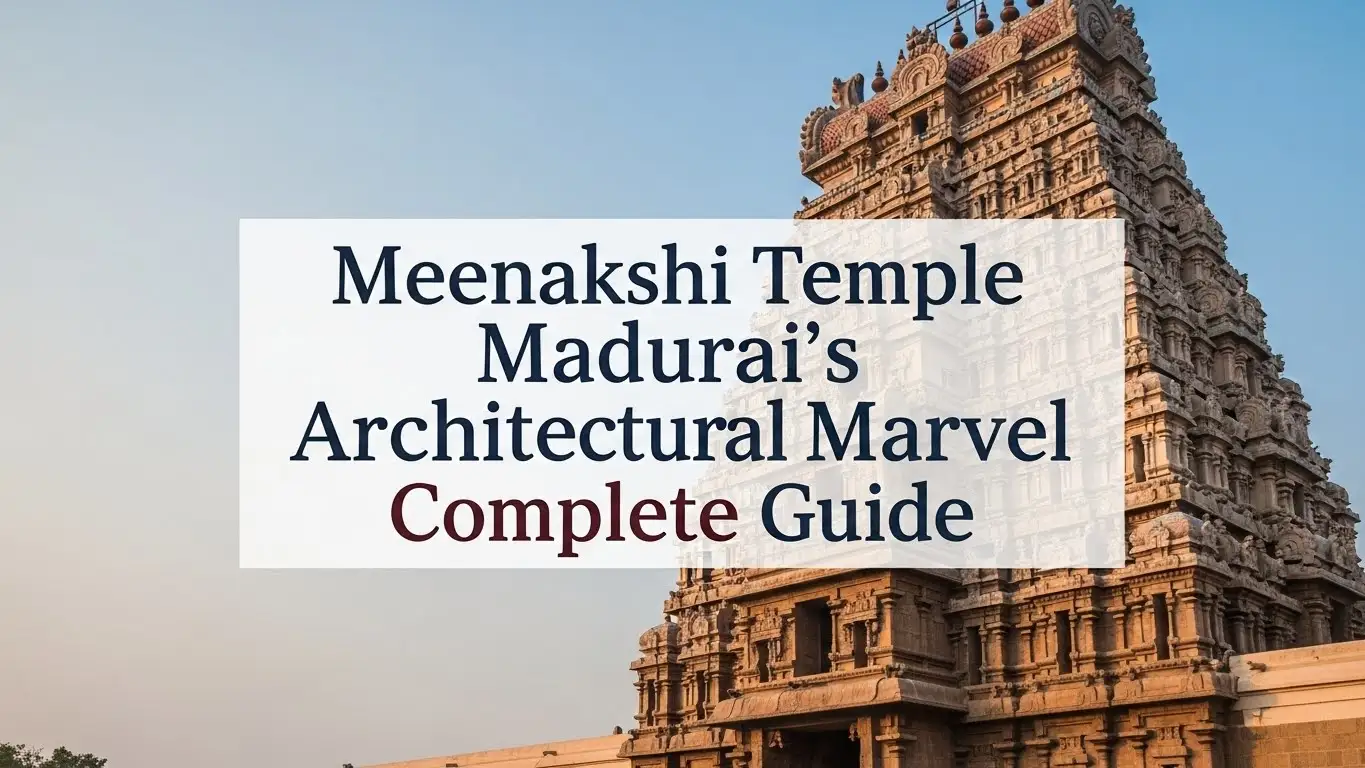
The Meenakshi Temple stands as South India’s most magnificent architectural achievement, a sprawling complex covering 14 acres dominated by 14 towering gopurams (gateway towers) adorned with over 33,000 colorful sculptures depicting gods, goddesses, demons, and mythological narratives. Dedicated to Goddess Meenakshi (an incarnation of Parvati) and her consort Lord Sundareswarar (Shiva), this ancient shrine represents the pinnacle of Dravidian temple architecture with its elaborate pillared halls, sacred tank, and sculptural splendor that has attracted pilgrims and admirers for over 1,400 years. The tallest gopuram rises 170 feet (52 meters), dominating Madurai’s skyline and serving as a beacon drawing devotees from across the globe to witness this living masterpiece where architecture, sculpture, ritual, and devotion merge into transcendent artistic unity.
The temple’s current form owes much to the Nayak rulers of the 16th-17th centuries, particularly King Thirumalai Nayak (r. 1623-1655), who expanded the complex, constructed elaborate mandapas (pillared halls), and established the architectural magnificence visible today. Though earlier structures date to the Pandya dynasty’s reign in the 12th-13th centuries, the temple underwent cycles of destruction and restoration following Delhi Sultanate invasions, with the Vijayanagara Empire initiating major rebuilding efforts in the 14th century. This comprehensive guide provides essential information for experiencing Meenakshi Temple in 2026, understanding its legendary origins, architectural features, daily rituals, major festivals, and practical visiting logistics.
Legendary Origins: The Warrior Goddess Meenakshi
The Meenakshi legend begins with the childless Pandyan King Malayadhwaja and Queen Kanchanmala who performed an elaborate yagya (fire sacrifice) seeking divine blessing for a son. Instead, a three-year-old girl with three breasts emerged from the sacred flames, stunning the royal couple. When they sought guidance, Lord Shiva appeared and instructed them to raise her as their heir, prophesying that her third breast would vanish when she met her destined husband. The princess was formally named Tadaatagai, but the people lovingly called her Meenakshi (“fish-eyed”) due to her beautiful eyes shaped like fish—the symbol adorning the Pandyan flag and royal coinage.
Meenakshi’s upbringing defied gender conventions of her era—she received training in warfare, statecraft, philosophy, and all martial and intellectual arts befitting a future monarch. When King Malayadhwaja died, young Meenakshi ascended the throne and embarked on a digvijaya (conquest of all directions), leading her armies across the Indian subcontinent. Her military prowess proved unstoppable as she conquered kingdom after kingdom, eventually reaching the Himalayas where she challenged the gods themselves. After defeating Shiva’s celestial armies and generals, the Lord appeared personally to confront this formidable warrior queen.
The prophetic moment arrived when Meenakshi’s gaze met Shiva’s—her third breast instantly disappeared, revealing her destined consort. The fierce warrior transformed into a blushing bride, recognizing her eternal beloved. She requested Shiva marry her in Madurai, and he graciously consented. Upon returning to her capital, Meenakshi’s father crowned her as sovereign ruler, and the celestial wedding between the warrior goddess and the cosmic ascetic was celebrated with unprecedented grandeur, with all gods, sages, and celestial beings attending. This divine marriage became the foundation of Madurai’s identity, with the city considered eternally governed by Goddess Meenakshi, making the ruling king merely her temporal representative.
The legend carries profound theological significance within Hindu philosophy—Meenakshi represents Shakti (divine feminine energy), the active, creative force that manifests the material universe, while Sundareswarar embodies Shiva (pure consciousness), the formless, eternal witnessing awareness. Their union symbolizes the integration of complementary cosmic principles whose sacred marriage creates and sustains existence. The three-breasted iconography before meeting Shiva represents the incomplete goddess needing her masculine counterpart for cosmic wholeness, with the third breast’s disappearance signifying divine completion through sacred union.
Architectural Magnificence: Dravidian Style Perfection
The Meenakshi Temple exemplifies Dravidian architectural principles characterized by towering gopurams, pillared halls (mandapas), sacred tanks, and intricate sculptural programs covering every surface. Unlike North Indian Nagara-style temples where the main shrine’s shikhara (spire) dominates, Dravidian temples feature massive gopurams at enclosure walls that progressively increase in height from inner to outer walls—an inverted hierarchy where gateways tower over the central sanctums. This architectural philosophy creates dramatic visual impact from distances while maintaining sacred intimacy within inner shrines.
The temple complex consists of:
14 Magnificent Gopurams
The gopurams constitute the temple’s most visually arresting features, each covered with thousands of vividly painted stucco sculptures. The structures follow precise mathematical proportions with each story slightly smaller than the one below, creating the characteristic pyramidal profile. The tallest, the southern gopuram rising 170 feet (52 meters), was built in 1559 and features over 1,500 mythological figures in elaborate panels narrating legends from Puranas, epics, and regional lore.
| Gopuram | Height | Location | Construction Period |
|---|---|---|---|
| Southern (Rajagopuram) | 170 feet (52m) | Main southern entrance | 1559 CE |
| Eastern | – | Oldest gopuram | 1216-1238 CE (Maravarman Sundara Pandyan) |
| Chitra Gopuram | – | Western entrance | 1238-1251 CE |
| Vembathurar Gopuram | – | – | Built by Ananda Nambi |
The sculptural programs transform gopurams into vertical encyclopedias of Hindu mythology and Tamil culture. Gods appear in multiple forms—Vishnu’s avatars including Krishna, Rama, Narasimha; Shiva as ascetic, dancer, family man; goddesses representing various aspects of divine feminine power. Demons, celestial beings, animals, warriors, musicians, and ordinary people populate the towers in exuberant poses. The riot of color—bright reds, blues, greens, yellows—gets refreshed every 12 years during restoration ceremonies, maintaining the gopurams’ spectacular visual impact.
Thousand Pillar Hall (Ayiramkaal Mandapam)
The Ayiramkaal Mandapam, built in 1569 by Ariyanatha Mudaliar, represents one of India’s most remarkable architectural achievements. Despite its name suggesting 1,000 pillars, the hall actually contains 985 intricately carved pillars, each unique in design and featuring sculptures of deities, mythological figures, yalis (mythical lion-creatures), and narrative scenes. The hall was carved from a single massive rock formation, demonstrating extraordinary engineering skill and artistic vision.
Architectural highlights include:
- Musical Pillars: Located just outside the main hall, these pillars produce different musical notes when struck, demonstrating sophisticated acoustic engineering
- Statue of Ariyanatha Mudaliar: The architect’s equestrian statue flanks the hall’s entrance, periodically garlanded by grateful worshippers honoring his genius
- Temple Art Museum: Houses icons, photographs, drawings, and exhibits documenting 1,200 years of temple history
- Carved Figures: Prominent sculptures include Rati (Cupid’s wife), Karthikeya, Ganesha, Shiva as wandering mendicant, and countless yalis
The structural engineering remains remarkable—985 pillars supporting the vast roof without central columns, with each pillar bearing significant weight while displaying elaborate decorative carving. The hall’s atmospheric lighting creates dramatic interplay of shadows and highlights that enhance the sculptural details, transforming the space into an ethereal environment where stone seems to achieve transcendent lightness.
Golden Lotus Tank (Potramarai Kulam)
The sacred Golden Lotus Tank occupies the temple complex’s center, named after the mythical golden lotus that supposedly bloomed here symbolizing purity and divine beauty. Surrounded by pillared corridors adorned with carvings depicting legends and deities, the tank provides a serene contemplative space within the bustling temple. Devotees traditionally bathe in its waters for spiritual purification before entering the inner sanctums, believing the sacred water cleanses accumulated sins and prepares consciousness for divine encounter.
The tank plays crucial roles during the annual Teppam (Float) Festival when beautifully decorated floats carrying the deities circumnavigate the waters in ceremonial procession. The sight of illuminated floats reflecting in the still water surface creates magical atmosphere, with thousands of devotees gathering around the tank’s perimeter to witness this spectacular celebration. The surrounding corridors’ architectural elegance—rhythmically spaced pillars, carved capitals, and connecting arches—frames the water body beautifully while providing shaded ambulatory paths for circumambulation.
Other Architectural Features
Mandapas (Pillared Halls):
- Vasantha Mandapa: Built during Thirumalai Nayak’s reign (1623-1655)
- Meenakshi Nayaka Mandapa: Constructed by Rani Mangammal (r. 1689-1704)
- Nagara Mandapa: Built by Achaya Rayar, minister of Rani Mangammal (1635 CE)
- Kambatadi Mandapa: Features pillars with sculptures depicting Shiva’s 64 miracles
Sanctums:
- Meenakshi Shrine: Houses the emerald-green stone idol of Goddess Meenakshi in standing posture holding a parrot
- Sundareswarar Shrine: Contains the Shiva lingam representing Lord Sundareswarar
- Golden Vimanas: Both main shrines crowned with gold-plated spires
The temple layout follows Vastu Shastra principles with shrines, mandapas, corridors, and tanks positioned according to sacred geometry that aligns terrestrial space with cosmic order. The three concentric rectangular enclosures with gopurams at cardinal directions create mandala-like ground plan that transforms the entire complex into a spatial meditation on divine manifestation.
Daily Rituals and Sacred Ceremonies
The Meenakshi Temple operates on an elaborate daily ritual schedule treating the deities as living monarchs requiring royal attendance. Six to eight major pujas occur daily, each accompanied by aarti (lamp offerings), Vedic chants, nadaswaram (pipe instrument) and tavil (percussion) music, creating an immersive devotional atmosphere. The rituals follow precise Sanskrit prescriptions maintained by hereditary priests whose families have served the temple for generations, ensuring continuity with ancient traditions.
Complete Daily Ritual Schedule:
The Palliarai Pooja represents the temple’s most distinctive and emotionally powerful ceremony. Each night at 9:15 PM, Lord Sundareswarar’s idol is ceremonially carried in a palanquin from his shrine to Goddess Meenakshi’s chamber, symbolizing their eternal marital bond and divine union. This nightly reunion attracts massive devotee participation, with hundreds gathering to witness the procession accompanied by music, chanting, and devotional fervor. The ritual’s solemn beauty and theological symbolism—depicting the complementary divine principles reuniting daily—creates profoundly moving spiritual experience.
Devotees can participate through:
- Archanai: Personal prayers offered for ₹20-50
- Flower offerings: Fresh flowers presented to deities
- Coconut breaking: Symbolic destruction of ego
- Darshan: Sacred viewing of deity forms during open periods
- Prasad: Receiving blessed food distributed after offerings
The rhythmic chants, glowing oil lamps, fragrant incense, and traditional music combine to create multisensory devotional atmosphere that envelops participants in sacred space separated from mundane concerns. The aarti rituals particularly emphasize light offerings, with priests circling elaborate lamp arrangements before the deities while bells ring and devotees sing, symbolizing removal of ignorance through divine illumination. Maintaining silence and avoiding crowding during these ceremonies shows respect for the rituals’ sacred character and allows genuine spiritual absorption.
Major Festivals and Celebrations
Chithirai Festival (April-May)
The Chithirai Festival represents South India’s most spectacular temple celebration, commemorating the celestial wedding of Goddess Meenakshi and Lord Sundareswarar. Held annually in the Tamil month of Chithirai (April-May), the 10-day festival attracts lakhs of devotees who throng Madurai to witness and participate in elaborate ceremonies reenacting the divine marriage. The 2025 celebration occurred April 12-22, with similar timing expected for 2026.
Key Chithirai Festival Events:
Kodi Yetram (Flag Hoisting): The temple’s chief priest ceremonially hoists the sacred flag, officially commencing the month-long celebration period
Pattabhishekam (Coronation): Grand coronation of Goddess Meenakshi as sovereign queen of Madurai, signifying her divine rule over the city
Meenakshi Thirukalyanam (Divine Wedding): The festival’s emotional climax features the celestial marriage ceremony with prayers to Vighneswara (Ganesha) followed by elaborate wedding rituals. Following the ceremony, the divine newlyweds process through Madurai’s streets—Goddess Meenakshi riding the Yannai Vahanam (elephant mount) and Lord Sundareswarar in the Pushpa Pallakku (flower palanquin)—creating a visual spectacle captivating thousands of devotees lining the route.
Alagar’s Sacred Journey: Lord Kallazhagar (Vishnu, considered Meenakshi’s brother) journeys from his hill temple to the Vaigai River for the wedding, though according to legend he arrives late and returns without entering the city
Ther (Chariot) Processions: Massive temple chariots carrying the deities are pulled through Madurai’s four Masi streets over multiple days, with devotees competing for the honor of pulling the sacred ropes. Spectators pack rooftops, balconies, and street-side viewing positions to witness the spectacular processions.
The Chithirai Festival transcends mere religious observance—it constitutes Tamil cultural celebration integrating mythology, history, devotion, community participation, and artistic performance. The wedding theme resonates deeply in a culture that views marriage as sacred institution, with the divine couple’s annual reunion symbolizing cosmic harmony and providing spiritual model for human relationships rooted in mutual devotion.
Other Significant Festivals
Aavani Moolam (August-September): Celebrates Goddess Meenakshi’s birthday with special decorations and offerings
Navaratri (September-October): Nine-night celebration of goddess worship with elaborate Golu doll displays and special pujas
Teppam (Float Festival): Deities circumnavigate the Golden Lotus Tank on decorated floats
Panguni Uthiram: Celebrates the wedding anniversary of Meenakshi and Sundareswarar
Vaikasi Visakam: Commemorates Lord Murugan’s (Karthikeya) birth
These festivals demonstrate how Hindu temple practices maintain living connections to mythological narratives and seasonal cycles, creating rhythms that structure devotees’ temporal experience and provide regular opportunities for intensified spiritual engagement and communal celebration.
Visiting Information: Timings and Practical Details
Temple Hours and Entry (2026):
Important Visiting Guidelines:
Dress Code:
- Men: Traditional dhoti recommended; at minimum shirt and full pants
- Women: Traditional saree or salwar kameez covering shoulders and legs
- Avoid shorts, sleeveless tops, or revealing clothing
- Specific sanctums may have stricter dress requirements
Footwear:
- Must be removed before entering temple premises
- Shoe storage facilities available at entrance (nominal fee)
- Carry socks for walking on hot stone floors during daytime
Security and Restrictions:
- Mobile phones and cameras generally prohibited inside
- Bags may be subject to security checks
- Maintain queue discipline during darshan
- Follow instructions from temple staff and volunteers
Palliarai Pooja Attendance:
- Arrive 15-30 minutes early (before 9:15 PM) to secure good viewing position
- This unique nightly ceremony attracts large crowds
- Maintain silence and reverence during the solemn ritual
For Tourists and First-Time Visitors:
- Consider hiring authorized temple guides (available at entrance) for historical context
- Allocate minimum 2-3 hours for comprehensive temple exploration
- Visit the Temple Art Museum in Thousand Pillar Hall
- Respect active worship areas; maintain appropriate behavior in sacred spaces
- Be prepared for large crowds, especially during festivals and weekends
How to Reach Madurai Meenakshi Temple
By Air: Madurai International Airport (approximately 12 kilometers from temple) connects to major Indian cities including Delhi, Mumbai, Bangalore, Chennai, and Kolkata. International connections available through Chennai, Bangalore, or Colombo. From the airport, hire prepaid taxis (₹400-600) or app-based cabs reaching the temple in 20-30 minutes depending on traffic. Some hotels offer airport pickup services.
By Train: Madurai Junction Railway Station, one of South India’s major rail hubs, enjoys excellent connectivity to all parts of India. Direct trains operate from:
- Chennai (6-7 hours)
- Bangalore (9-10 hours)
- Delhi (36-40 hours)
- Mumbai (24-28 hours)
- Kolkata (30-35 hours)
The temple is located approximately 2 kilometers from Madurai Junction. Take auto-rickshaws (₹30-50), taxis (₹100-150), or local buses to reach the temple. Many budget accommodations exist near the railway station offering convenient access.
By Road: Madurai’s well-developed road network connects to all Tamil Nadu cities and neighboring states:
- Chennai to Madurai: 460 km (7-8 hours)
- Bangalore to Madurai: 450 km (8-9 hours)
- Coimbatore to Madurai: 215 km (4-5 hours)
- Kanyakumari to Madurai: 245 km (5-6 hours)
Tamil Nadu State Transport Corporation (TNSTC) operates extensive bus services including ordinary, express, and deluxe coaches. Private operators offer AC sleeper and seater buses on major routes. Online booking available through platforms like AbhiBus for convenient advance reservations.
Local Transportation Within Madurai:
- Auto-rickshaws: Most common mode; use meter or negotiate fare beforehand
- City Buses: TNSTC local buses serve the temple from various city locations
- Taxis and App Cabs: Ola and Uber operate in Madurai
- Walking: If staying in the city center, the temple is accessible on foot
Accommodation: Madurai offers diverse options from budget lodges near the temple to mid-range and luxury hotels. The East Masi Street, West Masi Street, and nearby areas have numerous budget accommodations (₹500-1,500/night). Mid-range hotels (₹2,000-5,000) and heritage properties provide comfortable stays with modern amenities.
Frequently Asked Questions
What are the Meenakshi Temple timings?
The temple opens 5:00 AM to 12:30 PM for morning darshan and 4:00 PM to 9:30 PM for evening darshan. The unique Palliarai Pooja ceremony occurs at 9:15 PM when Lord Sundareswarar is carried to Goddess Meenakshi’s chamber. Arrive early (4:00-5:00 AM) or late evening (7:00-8:00 PM) to avoid peak crowds. During major festivals, timings may extend with special accommodations for increased devotee numbers.
Is there an entry fee for Meenakshi Temple?
Entry is free for Hindus for general darshan. Special darshan tickets cost ₹50 per person for both Hindus and non-Hindus, offering faster access through dedicated queues. During peak periods or festivals, waiting times for free darshan can reach 4-5 hours, making special darshan a worthwhile investment for time-constrained visitors.
What is the dress code for visiting?
Modest traditional clothing is required: men should wear at minimum full pants and shirts (dhoti recommended); women should wear sarees or salwar kameez covering shoulders and legs. Avoid shorts, sleeveless tops, or revealing clothing. Remove footwear before entering; carry socks for walking on potentially hot stone floors during daytime visits.
How many gopurams does Meenakshi Temple have?
The temple features 14 gopurams (gateway towers) at various enclosure levels. The tallest, the southern gopuram, rises 170 feet (52 meters) and was built in 1559. The gopurams are covered with over 33,000 colorful stucco sculptures depicting gods, goddesses, demons, and mythological narratives, creating spectacular vertical encyclopedias of Hindu mythology.
What is special about the Thousand Pillar Hall?
The Ayiramkaal Mandapam contains 985 intricately carved pillars (not exactly 1,000), each unique in design. Built in 1569 by Ariyanatha Mudaliar, the hall was carved from a single massive rock and features sculptures of deities, mythological figures, and yalis. The nearby musical pillars produce different notes when struck, demonstrating sophisticated acoustic engineering. The hall houses a Temple Art Museum documenting 1,200 years of temple history.
When is the Chithirai Festival celebrated?
The Chithirai Festival occurs annually in April-May (Tamil month of Chithirai) over 10 days. The 2025 festival was held April 12-22. The celebration commemorates the celestial wedding of Goddess Meenakshi and Lord Sundareswarar, featuring coronation ceremonies, the divine wedding ritual (Thirukalyanam), and massive chariot processions through Madurai’s streets attracting lakhs of devotees.
How do I reach Meenakshi Temple?
Madurai International Airport (12 km away) offers flights to major Indian cities. Madurai Junction Railway Station (2 km away) provides excellent rail connectivity across India. By road, Madurai connects to Chennai (460 km), Bangalore (450 km), and other cities via extensive bus networks. Within Madurai, use auto-rickshaws, taxis, city buses, or walk if staying centrally.
What is the Palliarai Pooja ceremony?
The Palliarai Pooja at 9:15 PM is the temple’s most unique nightly ritual where Lord Sundareswarar’s idol is ceremonially carried to Goddess Meenakshi’s chamber, symbolizing their eternal marital bond. This solemn procession accompanied by music and chanting attracts massive devotee participation. Arrive 15-30 minutes early to secure viewing positions for this profoundly moving ceremony.
Conclusion
The Meenakshi Amman Temple transcends categorization as mere architectural monument—it constitutes a living cultural ecosystem where ancient mythology, artistic brilliance, devotional intensity, and community identity converge in continuous celebration spanning over 1,400 years. The temple’s 14 towering gopurams adorned with thousands of vividly colored sculptures, the mysterious Thousand Pillar Hall demonstrating engineering genius, the sacred Golden Lotus Tank providing spiritual purification, and the elaborate daily rituals treating the deities as divine monarchs—all these elements combine to create one of Hinduism’s most complete expressions of spiritual architecture.
The legend of Meenakshi, the warrior goddess born with three breasts who conquered the world before finding her eternal consort in Shiva, embodies profound theological truths about the integration of complementary cosmic principles. Her temple serves as permanent reminder that divine feminine energy (Shakti) and pure consciousness (Shiva) require sacred union to manifest the cosmos, with their eternal love providing the creative force sustaining existence. The annual Chithirai Festival reenacting their celestial wedding transforms this abstract philosophy into spectacular communal celebration that renews cultural bonds and spiritual aspirations.
Visiting Meenakshi Temple in 2026 requires thoughtful preparation—understanding the temple timings (5:00 AM-12:30 PM; 4:00 PM-9:30 PM), observing dress codes and behavioral guidelines, allocating sufficient time for comprehensive exploration, and ideally timing visits to coincide with the nightly Palliarai Pooja ceremony or the grand Chithirai Festival. Whether approached as architectural pilgrimage, cultural education, or spiritual journey, the temple rewards genuine engagement with experiences that transcend ordinary tourism and provide glimpses into Tamil civilization’s extraordinary achievements in art, architecture, devotion, and community building.
As Madurai’s eternal guardian and divine sovereign, Goddess Meenakshi continues blessing millions annually who seek her darshan, her temple standing as testament to human capacity for creating sacred beauty that elevates consciousness and connects earthly existence with transcendent reality.
About the Author
Aditya Chauhan – Cultural Heritage & Temple Architecture Specialist
Aditya Chauhan is an accomplished writer and researcher specializing in Hindu festivals, temple architecture, and India’s rich cultural traditions. With a Master’s degree in Indian Art History from Maharaja Sayajirao University, she has extensively documented pilgrimage sites, temple iconography, and folk traditions across India. Her work focuses on making India’s spiritual heritage accessible to contemporary audiences while preserving authentic cultural narratives.