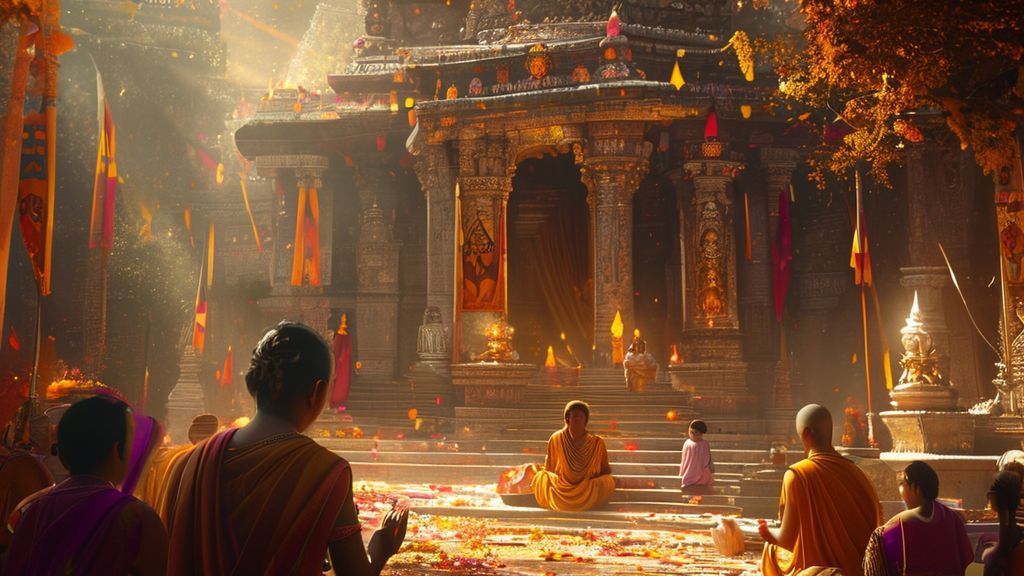
Pitra Dosha is a profound ancestral karmic affliction in Sanatan Dharma, signifying an unresolved spiritual debt or unfulfilled desire of departed ancestors. It manifests as challenges in progeny, wealth, health, and familial harmony, arising from neglecting ancestral rites, unrighteous acts in past lives, or the unresolved suffering of one’s forefathers, requiring specific remedial pujas and sincere devotion.
| Attribute | Details |
|---|---|
| Deity Associated | Lord Yama (God of Death and Dharma), Lord Vishnu (as Preserver and Giver of Moksha), Lord Surya (source of life and Pitrus). |
| Primary Cause | Neglect of ancestral rites (Shraddha, Tarpan), unfulfilled desires of ancestors, karmic debts from past lives, disrespect towards elders. |
| Manifestations | Obstacles in marriage, progeny issues (miscarriages, childlessness), financial instability, chronic illness, family disputes, lack of peace. |
| Key Remedies | Shraddha rituals, Tarpan (water offerings), Pitra Dosha Nivaran Pujas (Gaya, Trimbakeshwar), feeding Brahmins, charity, chanting specific mantras. |
| Scripture References | Garuda Purana, Agni Purana, Matsya Purana, Vayu Purana, Mahabharata, Manusmriti. |
The Sacred Thread of Ancestry: Understanding Pitra Dosha
In the timeless tapestry of Sanatan Dharma, the connection between the living and the departed is considered profound and eternal. Our existence is a direct consequence of our ancestors, and thus, our well-being is intrinsically linked to their spiritual peace. Pitra Dosha, often misunderstood as a mere “curse,” is in truth a cosmic imbalance, a karmic debt accumulated through generations or specific actions, reflecting the unfulfilled spiritual journey or suffering of our forefathers. It is a call from the subtle realms for remembrance, gratitude, and remediation, ensuring not just the peace of the ancestors but also the harmonious progression of the descendant’s life. This sacred concept underscores the foundational principle of Rina (debt) in Hinduism – particularly Pitra Rina (debt to ancestors) – reminding us of our continuous duty and responsibility towards those who paved our way.
Puranic Narratives and the Significance of Ancestral Rites
The concept of Pitra Dosha and the paramount importance of ancestral worship are deeply woven into the fabric of our sacred scriptures. The Garuda Purana, a primary authority on post-mortem rituals and the journey of the soul, meticulously describes the various states of being in Pitruloka and the necessity of Shraddha rituals for the liberation and upward journey of the departed. It emphasizes that those who die with unfulfilled desires or as a result of unnatural circumstances may linger in a state of distress, their spiritual unrest subtly impacting their descendants.
Similarly, the Agni Purana and Matsya Purana detail the proper methods of performing Shraddha and Tarpan, stressing that these rites are not merely symbolic but provide actual sustenance and solace to the Pitrus. Legend has it that even Lord Rama, during his exile, performed Pind Daan at Gaya for his father, Dasharatha, establishing the sanctity of this act. The epic Mahabharata, through characters like Bhishma, illuminates the profound dharma of respecting and caring for ancestors. Bhishma’s unparalleled vow and penance were rooted in his deep reverence for his lineage, demonstrating the spiritual potency of such dedication. Neglect of these duties, as indicated in these scriptures, can lead to the karmic repercussions known as Pitra Dosha, where the ancestors’ unresolved karma or need for liberation casts a shadow upon their progeny.
Cosmic Principles and Karmic Wisdom
Pitra Dosha is not a vengeful curse but an intricate aspect of the cosmic law of karma and the interconnectedness of all beings. Our Vedic seers, through their profound intuitive wisdom, understood that families share a common karmic pool. Just as genetic traits are inherited, so too can karmic patterns, especially those related to spiritual duties and ancestral peace. The subtle energy bodies of ancestors, if unsettled or in distress, can resonate with their living descendants, creating energetic blockages and challenges.
The selection of Pitru Paksha, the fortnight dedicated to ancestors, is not arbitrary. It aligns with specific astronomical conjunctions when the Sun enters the constellation of Virgo (Kanya Rashi). This period is considered astrologically potent for rituals aimed at ancestral liberation, as the subtle energies are most conducive for communication and offerings to the Pitruloka. The offerings made during this period are believed to directly reach the Pitrus, nourishing their subtle bodies and helping them transcend to higher planes. This ancient wisdom, often seen as spiritual science, affirms that our actions in the physical realm have tangible effects in the subtle realms, highlighting the profound responsibility we hold towards our lineage and the universal principle of cause and effect.
Rituals and Puja Vidhi for Pitra Dosha Nivaran
The remediation of Pitra Dosha is a sacred duty, performed with utmost devotion and sincerity. The primary rituals are:
- Shraddha Karma: This comprehensive ritual involves offering Pind Daan (rice balls mixed with sesame seeds, honey, ghee, etc.) to the Pitrus, feeding Brahmins, and performing oblations. It is ideally performed annually on the ancestor’s death anniversary (Tithi) or during Pitru Paksha.
-
Tarpan: A simpler daily or periodic offering of water mixed with black sesame (Til), barley, and Kusha grass to the Pitrus. It is performed while facing South, reciting ancestral names, and invoking their blessings.
- How to perform simple Tarpan:
- Take a clean copper or brass vessel.
- Fill it with pure water. Add a few drops of milk, black sesame seeds, and a pinch of raw rice.
- Hold the vessel with both hands, invoking your ancestors by name (if known) or generally as “Sarva Pitru Devata Bhyo Namah.”
- Offer the water slowly, letting it flow through the space between your thumb and index finger, onto the earth or into a plant (not a Tulasi plant).
- Chant “ॐ पितृभ्यो नमः” (Om Pitrubhyo Namah) or “Om Devatabhyah Pitrubhyashcha Mahayogibhya Eva Cha Namah Swahayai Swadhayai Nityameva Namo Namah.”
- Perform this with a heart full of gratitude and humility.
- Pitra Dosha Nivaran Puja at Holy Sites: Performing specific pujas at consecrated places like Gaya (Bihar), Trimbakeshwar (Maharashtra), Siddhpur (Gujarat), or Haridwar (Uttarakhand) is considered highly efficacious. These sites are believed to be gateways where offerings most directly reach the Pitrus. The ritual typically involves specific mantras, Homas, and offerings under the guidance of learned priests.
- Charity and Seva: Acts of selfless service, feeding the poor, offering clothes to destitutes, or donating to cow shelters (Gau Seva) performed with the intention of benefiting ancestors are powerful remedies.
Potent Mantras and Chants for Ancestral Peace
Chanting specific mantras with sincerity can invoke divine blessings for ancestors and alleviate Pitra Dosha. These vibrations create a positive energetic field, aiding the Pitrus in their spiritual journey.
-
Pitra Gayatri Mantra: This mantra is a direct invocation to the ancestral deities for their blessings and liberation.
ॐ पितृगणाय विद्महे जगत् धारिणे धीमहि तन्नो पित्रो प्रचोदयात्॥
Om Pitru Ganaya Vidmahe Jagat Dharine Dheemahi Tanno Pitro Prachodayat॥
-
Mahamrityunjaya Mantra: While typically for health and longevity, chanting this mantra with the intention of bringing peace to the departed souls is highly beneficial, aiding their journey to Moksha.
ॐ त्र्यम्बकं यजामहे सुगन्धिं पुष्टिवर्धनम्। उर्वारुकमिव बन्धनान् मृत्योर्मुक्षीय माऽमृतात्॥
Om Tryambakam Yajamahe Sugandhim Pushtivardhanam। Urvarukamiva Bandhanan Mrityor Mukshiya Maamritat॥
- Vishnu Sahasranama: Reciting the thousand names of Lord Vishnu is believed to grant liberation to ancestors, as Lord Vishnu is the ultimate deliverer of souls.
-
Simple Pitru Mantra:
ॐ नमो भगवते वासुदेवाय॥
Om Namo Bhagavate Vasudevaya॥
Chant this with the intention that Lord Vasudeva guides your ancestors to higher realms.
Dos and Don’ts for Mitigating Pitra Dosha
Adhering to certain ethical and spiritual guidelines is crucial when dealing with ancestral obligations:
Dos:
- Regularly perform Tarpan and Shraddha with reverence and faith.
- Offer food and charity to Brahmins, cows, and the needy, intending to benefit your ancestors.
- Maintain respect and humility towards elders in your family.
- Visit sacred places like Gaya, Trimbakeshwar, or Varanasi for specific remedies if possible.
- Cultivate a lifestyle of righteousness, honesty, and compassion, as this positive karma benefits the entire lineage.
- Seek guidance from learned Vedic scholars for proper ritual performance.
Don’ts:
- Never disrespect or neglect your living parents, grandparents, or any elders.
- Avoid consuming non-vegetarian food, alcohol, or engaging in frivolous activities, especially during Pitru Paksha.
- Do not engage in malicious gossip, deceit, or actions that harm others, as such negative karma can exacerbate ancestral afflictions.
- Do not perform ancestral rites hastily or without understanding their significance.
- Avoid disputes and conflicts within the family, as this can disturb the peace of the ancestral spirits.
Frequently Asked Questions
What are the common signs of Pitra Dosha?
Common signs often include persistent financial difficulties despite effort, recurring health problems, delays or obstacles in marriage, frequent miscarriages or inability to conceive, unexplained family disputes, lack of progress in career, and a general feeling of unhappiness or lack of peace within the family. These manifestations are subtle calls for ancestral remembrance and resolution.
Can Pitra Dosha affect future generations?
Yes, Pitra Dosha is believed to transcend generations if left unaddressed. The unresolved karmic imbalances can be passed down, manifesting as similar challenges and afflictions in subsequent generations until appropriate remedies are performed. This highlights the intergenerational nature of karmic debt and the profound impact of ancestral well-being on the entire lineage.
Is Pitra Dosha the same as Sarpa Dosha?
No, Pitra Dosha and Sarpa Dosha are distinct karmic afflictions, though both can cause significant life challenges. Pitra Dosha specifically relates to ancestral karmic debt and negligence of duties towards Pitrus. Sarpa Dosha, on the other hand, is associated with the harming or killing of snakes (Sarpa) in past lives or current life, often leading to progeny and health issues. While both may require remedial pujas, their underlying causes and specific rituals differ.
When is the best time to perform Pitra Dosha remedies?
The most auspicious time for performing Pitra Dosha remedies is during Pitru Paksha, the 16-day period in the Hindu calendar (usually September-October) specifically dedicated to ancestral worship. Other favorable times include specific Tithis (lunar days) like Amavasya, particularly Somvati Amavasya, or on the death anniversary (Shraddha Tithi) of the departed ancestor.
Dharmic Significance: Preserving Sanatan Dharma Through Ancestral Reverence
Understanding and addressing Pitra Dosha is not merely about overcoming personal challenges; it is a profound act of upholding the foundational tenets of Sanatan Dharma. It reinforces the eternal cycle of cause and effect, the sacred duty of children towards their progenitors, and the seamless continuity of life beyond the physical form. By acknowledging our ancestral lineage and diligently performing the prescribed rites, we not only pave the way for our own prosperity and peace but also contribute to the cosmic balance and the spiritual upliftment of our entire family tree. This practice instills gratitude, humility, and a deep sense of responsibility, vital virtues for a Dharmic life. It reminds us that we are part of an unbroken chain, and our actions resonate through time, ensuring the vitality and continuity of our ancient spiritual heritage. For further insights into such profound spiritual concepts, explore the rich resources available at Hindutva.online.
