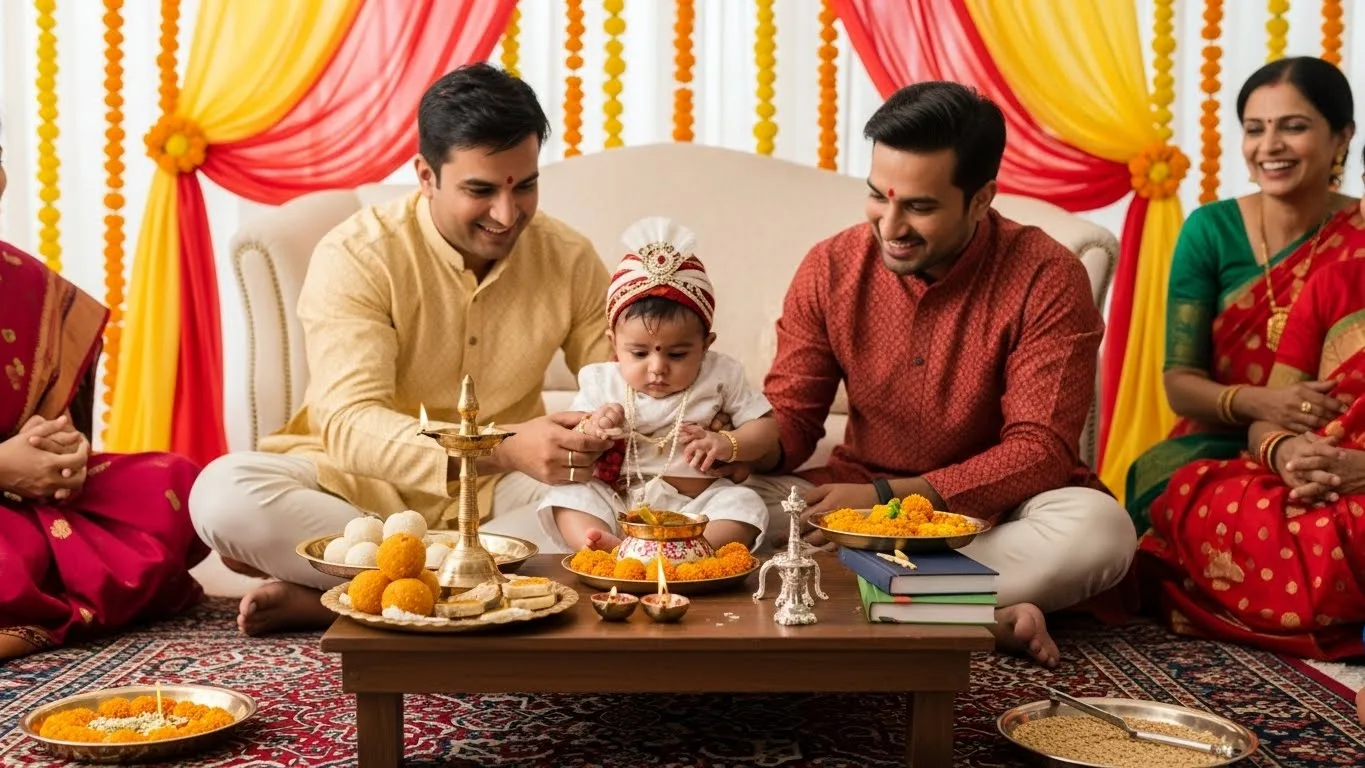
The Pradosh Vrat Correct Timing Procedure – literally meaning “evening twilight fast” from Sanskrit pradosha (dusk period) – represents one of Hinduism’s most powerful yet accessible devotional practices, observed twice monthly on Trayodashi (13th lunar day) during both waxing and waning moon phases, creating 24 annual opportunities to invoke Lord Shiva’s grace during the mystical transition period when day dissolves into night and cosmic energies prove especially receptive to sincere prayers.

This sacred fast holds particular significance because it commemorates the moment when Lord Shiva saved all creation by drinking the deadly Halahala poison that emerged during Samudra Manthan (churning of cosmic ocean), an act of supreme sacrifice that occurred during Pradosh Kaal – the approximately 90-minute twilight window (roughly 1.5 hours before to 30 minutes after sunset) when Shiva, mounted on His sacred bull Nandi and in especially benevolent mood following His cosmic dance (Ananda Tandava), blesses devotees who worship Him through fasting, prayers, and temple visits, granting liberation from sins, removal of obstacles, fulfillment of heartfelt desires, and ultimately moksha (spiritual liberation).
Among the various Pradosh occurrences, Shani Pradosh (falling on Saturday) and Soma Pradosh (falling on Monday) carry exceptional potency – the former reducing karmic burdens and Saturn’s malefic effects, the latter bringing mental peace and wish fulfillment – though observing any Pradosh with genuine devotion attracts divine grace regardless of weekday association. For Hindu practitioners in 2025, whether continuing family traditions or newly exploring Shaivite devotional paths, understanding the precise Pradosh Kaal timing calculation (which varies daily based on local sunset), proper fasting procedures balancing spiritual discipline with physical health, the complete puja sequence.
including Rudrabhishek (ritual bathing of Shiva Linga), authentic mantras like Om Namah Shivaya and the powerful Mahamrityunjaya Mantra, and the deeper spiritual philosophy recognizing twilight as symbolic bridge between worldly concerns and divine consciousness proves essential for maximizing this practice’s transformative potential that Puranic texts describe as capable of washing away accumulated sins from lifetimes while establishing direct connection with Shiva’s compassionate presence that responds most readily during these sacred dusk moments.
This comprehensive guide provides everything devotees need for authentic Pradosh Vrat observance: the scriptural foundations and mythological narratives explaining the practice’s origin and power, precise timing calculations ensuring worship occurs during the actual Pradosh Kaal rather than arbitrary evening hours, complete step-by-step puja procedures accessible for both home worship and temple visits, fasting guidelines accommodating different health levels from complete abstinence to modified sattvic diets,
the significance of different Pradosh types based on weekdays, regional variations across India’s diverse Shiva worship traditions, and practical tips for modern practitioners balancing ancient ritual precision with contemporary life demands while maintaining the devotional sincerity that ultimately matters more than technical perfection in attracting the grace of Mahadeva, the Supreme Lord whose infinite compassion extends to all sincere devotees regardless of their social status, spiritual advancement, or ritual sophistication.
Understanding Pradosh: Meaning and Spiritual Significance
Before examining practical procedures, grasping what Pradosh represents and why this specific timing holds such power transforms the practice from mechanical ritual into conscious spiritual engagement with cosmic rhythms and divine energies uniquely accessible during twilight transition.
The Etymological and Astronomical Meaning:
The Sanskrit word Pradosha combines pra (beginning) and dosha (fault/night), literally meaning “the beginning of the faulty period” or more poetically “the commencement of night.” Astronomically, Pradosh refers to the twilight period (sandhya) when daylight wanes and darkness approaches but neither dominates – that mystical in-between time carrying qualities of both while belonging fully to neither.
Hindu tradition recognizes three daily sandhyas (junction times): dawn, noon, and dusk. Among these, evening sandhya (Pradosh Kaal) holds special spiritual potency because it represents day’s completion, the natural pause for reflection, and symbolic death-rebirth cycle as one day dies giving birth to the next. This liminal period when normal activities cease and contemplative modes naturally arise creates ideal conditions for spiritual practices.
The Trayodashi Tithi Connection:
Pradosh Vrat specifically occurs on Trayodashi – the 13th lunar day of both Shukla Paksha (waxing fortnight) and Krishna Paksha (waning fortnight), creating two Pradosh opportunities monthly, totaling approximately 24 annually. The number 13, while considered unlucky in Western traditions, carries auspicious significance in Hindu lunar calendar as the penultimate day before Chaturdashi (14th), associated with Lord Shiva’s cosmic energy reaching peak accessibility before the full moon (Purnima) or new moon (Amavasya).
According to Shiva Purana, Trayodashi evenings prove especially propitious for Shiva worship because during this specific tithi-twilight combination, the cosmic dance of creation-preservation-destruction that Shiva embodies becomes tangibly present, and His usually fierce energy softens into benevolent grace-bestowing mood.
Pradosh Vrat Correct Timing Procedure
Scriptural Foundations:
Multiple Puranic texts establish Pradosh Vrat’s spiritual authority:
Skanda Purana: Narrates the famous Samudra Manthan story where Lord Shiva drank deadly Halahala poison to save creation. This cosmic sacrifice occurred during Pradosh Kaal, forever sanctifying this period. The Purana states: “Even lighting a single lamp in a Shiva temple during Pradosh Kaal pleases Mahadev immensely.”
Shiva Purana: Declares that Lord Shiva and Goddess Parvati, during Pradosh time, fulfill sincere devotees’ wishes and remove sins accumulated across lifetimes. The text elaborates that worshipping Shiva specifically during this window proves more efficacious than elaborate pujas performed during ordinary times.
Padma Purana: Emphasizes that visiting Shiva temple, performing simple offerings, and chanting Om Namah Shivaya during Pradosh grants liberation (moksha) and freedom from karmic bondage.
The Mythological Narrative:
The primary legend explaining Pradosh Vrat’s origin involves the cosmic event that nearly destroyed all existence:
Long ago, Devas (celestial beings) and Asuras (demonic forces) jointly churned the cosmic ocean (Samudra Manthan) under Lord Vishnu’s guidance, seeking amrita (nectar of immortality). Using Mount Mandara as churning rod and serpent Vasuki as rope, they churned for eons. Various treasures emerged – Goddess Lakshmi, wish-fulfilling cow Kamadhenu, celestial nymphs, divine elephant – but first came Halahala, the most deadly poison whose mere fumes threatened to annihilate all creation.
Neither Devas nor Asuras would claim this terrible substance. As poison spread, threatening universal destruction, all beings rushed to Lord Shiva seeking salvation. Moved by compassion, Shiva drank the entire poison, holding it in His throat through yogic power rather than swallowing it. The poison’s intensity turned His throat blue, earning Him the name Neelakantha (blue-throated one).
This supreme sacrifice occurred during Pradosh Kaal. After drinking the poison, overcome with its intensity yet triumphant in having saved creation, Shiva performed His Ananda Tandava (dance of bliss) mounted on Nandi. In this ecstatic state, He blessed the assembled Devas, promising that devotees worshipping Him during Pradosh time would receive His grace abundantly.
Additional Legends:
Chandra Dev’s Liberation: The Moon God, cursed by his father-in-law Daksha to wither away, prayed to Shiva on Trayodashi evening. Pleased by sincere devotion during Pradosh, Shiva removed the curse, partially restoring Chandra’s brilliance. This explains the moon’s waxing-waning cycle and establishes Pradosh as time when prayers can lift curses and remove afflictions.
Devas Seeking Victory: When Devas suffered defeat by Asuras, they approached Shiva during Pradosh Kaal. Mounted on Nandi, Shiva promised them victory, demonstrating that divine intervention becomes accessible through Pradosh worship.
Spiritual Symbolism:
Beyond mythology, Pradosh carries profound symbolic meaning:
Twilight as Liminal Space: The dusk period represents transition between outer activity (day) and inner reflection (night), symbolizing spiritual journey from worldly engagement toward meditative consciousness. Worshipping during this threshold time helps devotees transcend ordinary awareness.
Nandi as Intermediary: Devotees first worship Nandi (Shiva’s bull vehicle and eternal devotee) before approaching Shiva, symbolizing that sincere devotion and humble surrender prove essential prerequisites for receiving divine grace.
Fasting as Purification: Abstaining from food purifies body and mind, creating inner space for spiritual energies to operate. The temporary discomfort demonstrates willingness to sacrifice comfort for higher purpose.
Lord Shiva’s Benevolence: Unlike some deities requiring elaborate offerings, Shiva famously responds to simple sincere devotion – even Bel Patra (wood apple leaves) and water suffice when offered with pure heart, making His worship accessible to all regardless of material resources.
Calculating Correct Pradosh Kaal Timing
Understanding and identifying precise Pradosh Kaal timing proves crucial because worship’s efficacy depends on performing rituals during this specific window rather than arbitrary evening hours. The calculation requires understanding both lunar calendar (tithi) and local solar time (sunset).
What is Pradosh Kaal?
Pradosh Kaal technically spans approximately 90 minutes before sunset to 60 minutes after sunset – roughly a 2.5 hour window centered on the sunset moment. More conservatively, many authorities define it as the 90-minute period starting 60-75 minutes before sunset and ending 15-30 minutes after sunset.
The exact duration and timing vary because:
- Sunset time changes daily based on season and geographical location
- Tithi length varies – some Trayodashis span entire day, others end mid-day or extend beyond day
- Tradition emphasizes the period immediately around sunset when day-night transition actively occurs
Step-by-Step Timing Calculation:
Step 1: Identify Trayodashi Date
Consult reliable Hindu calendar (Panchang) for your location to identify when Trayodashi tithi occurs. Remember: Trayodashi occurs twice monthly (Shukla and Krishna Paksha), creating approximately 24 Pradosh opportunities annually.
Step 2: Confirm Trayodashi During Sunset
Critical requirement: Trayodashi tithi must be prevailing during local sunset for that day to qualify as Pradosh. If Trayodashi ends before sunset or begins after sunset, Pradosh doesn’t technically occur that day according to strict interpretation.
Example: If Trayodashi ends at 3:00 PM but local sunset occurs at 6:00 PM, some traditions consider Pradosh to have technically passed. However, many devotees still observe the fast and worship that evening. Consult knowledgeable priest or follow family tradition.
Step 3: Calculate Local Sunset Time
Determine precise sunset time for your city on the Trayodashi date. Online tools, weather apps, or Panchang websites provide this information. Sunset varies significantly by:
- Latitude: Northern/southern locations experience different sunset times
- Season: Summer sunsets occur later than winter
- Longitude: Eastern cities experience sunset before western cities
Step 4: Calculate Pradosh Kaal Window
Conservative Calculation:
- Start: 1.5 hours (90 minutes) before sunset
- End: 30 minutes after sunset
- Duration: 2 hours total
Liberal Calculation:
- Start: 2 hours before sunset
- End: 1 hour after sunset
- Duration: 3 hours total
Most devotees aim to perform main puja rituals during the 45 minutes immediately surrounding sunset – this core period universally recognized as most potent.
Example Calculation for Delhi (December 2025):
Sunset on December 17, 2025: 5:28 PM
Pradosh Kaal:
- Conservative: 3:58 PM – 5:58 PM
- Optimal worship window: 4:45 PM – 6:15 PM
- Best puja timing: 5:00 PM – 6:00 PM
2025 Pradosh Dates with Timings:
For complete 2025 Pradosh calendar, consult comprehensive Panchang resources listing all 24 occurrences with precise Pradosh Kaal timings for major Indian cities. Key dates include:
Notable 2025 Pradosh Dates:
| Date | Day | Type | Pradosh Kaal (approx) | Special Significance |
|---|---|---|---|---|
| January 11 | Saturday | Shani Pradosh | 5:13 PM – 7:52 PM | Most powerful for karmic relief |
| January 27 | Monday | Soma Pradosh | 5:25 PM – 8:00 PM | Mental peace, wish fulfillment |
| May 24 | Saturday | Shani Pradosh | 7:20 PM – 8:28 PM | Saturn’s malefic effects reduced |
| June 23 | Monday | Soma Pradosh | 6:31 PM – 8:36 PM | Family harmony, children’s blessings |
| October 4 | Saturday | Shani Pradosh | 5:26 PM – 7:51 PM | Career stability, obstacle removal |
| November 3 | Monday | Soma Pradosh | 5:01 PM – 7:35 PM | Emotional healing, peace |
| November 17 | Monday | Soma Pradosh | 4:55 PM – 7:32 PM | Second consecutive Monday |
Note: Timings are approximate for Delhi/NCR region. Adjust for your specific location.
Practical Guidelines:
For Temple Visits:
- Arrive at temple 30-45 minutes before Pradosh Kaal begins
- Allows time for bathing, changing clothes, settling into devotional mood
- Temple often has queues during popular Pradosh days
For Home Worship:
- Begin preparation 1 hour before Pradosh Kaal
- Arrange all puja materials, take bath, wear clean clothes
- Start actual puja as Pradosh Kaal begins
- Core worship should occur during sunset window
If Timing Uncertain:
- Better to worship during the window than miss it entirely
- Sincere devotion matters more than split-second precision
- Many families begin slightly early (15-20 minutes) to ensure coverage
Modern Technology:
Multiple apps and websites provide location-specific Pradosh timings:
- Drik Panchang
- AstroSage
- Pandit Ji On Way
- Local temple websites
Always verify timing using reliable source for YOUR specific city rather than generic “evening” assumption.
Types of Pradosh Vrat Based on Weekdays
The weekday on which Trayodashi falls adds unique planetary energy and specific benefits to Pradosh observance, making each occurrence slightly different in emphasis while maintaining core Shiva worship elements. Understanding these distinctions helps devotees choose particularly significant Pradosh days for specific intentions.
The Seven Types of Pradosh:
1. Soma Pradosh (Monday) – Chandrama
Ruling Planet: Moon (Chandra)
Special Benefits:
- Emotional peace and mental clarity
- Healing of psychological wounds and trauma
- Fulfillment of heartfelt wishes and desires
- Especially powerful for couples seeking children
- Brings harmony in family relationships
- Cures anxiety, depression, mood disorders
Who Should Observe:
- Those with weak Moon in birth chart
- People struggling with emotional instability
- Couples facing infertility issues
- Anyone seeking mental peace
Mantra Focus: Om Chandraya Namah along with Om Namah Shivaya
2. Bhauma Pradosh (Tuesday) – Mangal
Ruling Planet: Mars (Mangala)
Special Benefits:
- Protection from enemies and conflicts
- Relief from chronic diseases and health issues
- Grants courage and inner strength
- Removes debts and financial obstacles
- Blesses with longevity and vitality
- Reduces anger and aggressive tendencies
Who Should Observe:
- Those facing legal battles or disputes
- People with Mangal Dosha in horoscope
- Anyone dealing with chronic illness
- Those seeking courage to overcome challenges
Mantra Focus: Om Angarakaya Namah with Mahamrityunjaya Mantra
3. Saumya Pradosh (Wednesday) – Budha
Ruling Planet: Mercury (Budha)
Special Benefits:
- Success in education and learning
- Enhanced communication skills and intelligence
- Business growth and commercial success
- Favorable outcomes in interviews, exams
- Prosperity through intellectual pursuits
- Improved analytical and decision-making abilities
Who Should Observe:
- Students and academics
- Business professionals and entrepreneurs
- Those in communication fields
- Anyone seeking knowledge and wisdom
Mantra Focus: Om Budhaya Namah along with Shiva mantras
4. Guru Pradosh (Thursday) – Brihaspati
Ruling Planet: Jupiter (Guru)
Special Benefits:
- Spiritual wisdom and enlightenment
- Blessings of teachers and mentors
- Success in religious and spiritual pursuits
- Protection from obstacles in learning
- Enhancement of moral values and ethics
- Favorable for children’s education
Who Should Observe:
- Spiritual seekers and devotees
- Those seeking guru’s blessings
- People pursuing higher education
- Anyone facing Jupiter-related afflictions
Mantra Focus: Om Gurave Namah with Shiva Panchakshari
5. Bhrigu Pradosh (Friday) – Shukra
Ruling Planet: Venus (Shukra)
Special Benefits:
- Marital bliss and romantic harmony
- Attraction of wealth and luxury
- Success in creative and artistic pursuits
- Enhanced physical beauty and charm
- Domestic happiness and comfort
- Favorable for love relationships and marriage
Who Should Observe:
- Couples seeking marital harmony
- Those facing relationship difficulties
- People in creative professions
- Anyone wanting to attract prosperity
Mantra Focus: Om Shukraya Namah along with Shiva-Parvati worship
**6. Shani Pradosh (Saturday) –
Ruling Planet: Saturn (Shani)
Special Benefits:
- Most powerful Pradosh of all
- Reduces karmic burdens and past-life sins
- Alleviates Saturn’s malefic effects (Sade Sati, Ashtam Shani)
- Brings career stability and professional success
- Removes long-standing obstacles
- Grants discipline, patience, and perseverance
- Especially beneficial for those undergoing difficult Saturn transits
Who Should Observe:
- Anyone experiencing Sade Sati or Shani Dasha
- Those facing career stagnation or repeated failures
- People seeking relief from chronic suffering
- Anyone wanting to clear heavy karmic debts
Mantra Focus: Om Shanishcharaya Namah with extensive Shiva worship
7. Ravi Pradosh (Sunday) – Surya
Ruling Planet: Sun (Ravi/Surya)
Special Benefits:
- Vitality, health, and physical strength
- Fame, recognition, and social status
- Success in leadership and authority positions
- Enhanced self-confidence and willpower
- Father-related issues resolved
- Progress in government or administrative fields
Who Should Observe:
- Those in leadership positions
- People seeking fame or recognition
- Anyone with weak Sun in birth chart
- Those facing issues with father or authority figures
Mantra Focus: Om Suryaya Namah along with Shiva Gayatri
Most Auspicious Pradosh Types:
While all Pradosh observances bring blessings, tradition particularly emphasizes:
1. Shani Pradosh (Saturday): Most powerful for karmic cleansing and obstacle removal
2. Soma Pradosh (Monday): Especially favorable for mental peace and wish fulfillment
3. Bhrigu Pradosh (Friday): Particularly auspicious for marital happiness and prosperity
Practical Approach:
- Regular practitioners: Observe all Pradosh vratas regardless of weekday
- Selective observers: Focus on Shani and Soma Pradosh for maximum benefit
- Specific needs: Choose Pradosh type aligned with your current life challenge
- First-timers: Begin with next upcoming Shani or Soma Pradosh
Remember: Sincere devotion on any Pradosh proves more valuable than mechanically observing only “special” ones without genuine faith and dedication.
Complete Step-by-Step Puja Procedure
The Pradosh Vrat puja ceremony involves systematic worship of Lord Shiva and Goddess Parvati during the sacred Pradosh Kaal window, combining fasting discipline with devotional offerings and mantra chanting that please the divine couple and attract their blessings.
Pre-Puja Preparations (Morning/Afternoon):
Fasting Commencement:
Upon waking, take bath and wear clean clothes. Make sankalpa (sacred vow):
“[Om, adhya date, nakshatra shubha dine, Pradosha vrata karishye.]”
(Om, today on this auspicious day, I shall observe Pradosh vrat.)
Fasting Options (Choose Based on Capacity):
Option 1: Nirjala (Complete Fast)
- No food or water throughout the day
- Most austere, suitable for healthy adults
- Break fast only after evening puja completion or next morning
Option 2: Phalahari (Fruit Fast)
- Only fruits, milk, nuts throughout the day
- No grains, salt, cooked food
- Most common practice balancing austerity with health
Option 3: Single Meal (Ekadana)
- One simple sattvic meal during afternoon
- No grains, only vegetables, fruits, dairy
- Suitable for those with health concerns
Day-Long Spiritual Activities:
- Chant Om Namah Shivaya or Mahamrityunjaya Mantra
- Read Shiva Purana or Pradosh Vrat Katha
- Listen to Shiva bhajans and devotional music
- Meditate on Lord Shiva’s form
- Maintain sattvic thoughts and actions
Puja Materials Required:
| Category | Items |
|---|---|
| Deity Setup | Shiva Linga, Shiva-Parvati idol/photo, Nandi image |
| Abhishekam | Pure water, milk, yogurt, honey, ghee, sugar |
| Sacred Leaves | Bel Patra (wood apple leaves – essential), Durva grass |
| Flowers | White flowers (lotus, jasmine), any fresh flowers |
| Puja Essentials | Incense, dhoop, camphor, cotton wicks, ghee/oil for lamp |
| Sacred Substances | Sandalwood paste, vibhuti (sacred ash), kumkum, turmeric |
| Offerings | Fruits, coconut, betel leaves and nuts, sweets |
| Special Items | Rudraksha beads for chanting, bell, copper/brass kalash |
Evening Puja Sequence (During Pradosh Kaal):
Step 1: Purification and Invocation (5-10 minutes)
Take bath (if not already done earlier). Wear clean traditional clothes – white preferred for Shiva worship.
Sit facing north or east before the altar. Perform Achamana (purification):
Take water in right palm, sip three times while chanting:
Om Keshavaya Namah। Om Narayanaya Namah। Om Madhavaya Namah॥
Sprinkle water on all puja items while chanting Om.
Step 2: Ganesh Worship (5 minutes)
Always begin by worshipping Lord Ganesha:
ॐ गं गणपतये नमः॥
Offer flowers to Ganesha idol/photo. Light incense before Him. Pray for obstacle-free completion of Pradosh puja.
Step 3: Kalash Sthapana (5 minutes)
Fill copper/brass pot with water, place mango leaves around rim, top with coconut. Establish kalash representing divine presence:
कलशस्य मुखे विष्णुः कण्ठे रुद्रः समाश्रितः।
मूले तत्र स्थितो ब्रह्मा मध्ये मातृगणाः स्मृताः॥
Step 4: Nandi Worship (5 minutes)
Before approaching Shiva, worship Nandi (the sacred bull, Shiva’s vehicle and eternal devotee):
Place Nandi image if available, or visualize Him before Shiva.
नन्दीश्वराय विद्महे नन्दीश्वराय धीमहि।
तन्नो नन्दी प्रचोदयात्॥
Offer flowers, incense to Nandi while chanting Om Nandishwaraya Namah.
Step 5: Shiva-Parvati Invocation (5 minutes)
Invoke Lord Shiva and Goddess Parvati:
आगच्छ देव शम्भो! सानन्दो गौरीसहितः।
तव पूजां करिष्यामि तां गृहाण महेश्वर॥
“Please come, O Lord Shambhu, joyfully with Gauri. I shall worship You, please accept, O Maheshwara.”
Step 6: Rudrabhishek (15-20 minutes)
This is the heart of Pradosh puja – ceremonial bathing of Shiva Linga:
A. Jal Abhishekam (Water)
Pour pure water over Linga while chanting:
ॐ नमः शिवाय॥ (continuously)
B. Dudh Abhishekam (Milk)
Pour fresh milk gently over Linga:
ॐ नमः शिवाय॥
C. Panchamrita Abhishekam
Mix milk, yogurt, honey, ghee, sugar. Pour slowly:
ॐ त्र्यम्बकं यजामहे सुगन्धिं पुष्टिवर्धनम्।
उर्वारुकमिव बन्धनान्मृत्योर्मुक्षीय मामृतात्॥
(Mahamrityunjaya Mantra – chant 11 or 108 times during abhishekam)
D. Final Water Abhishekam
Conclude with pure water to cleanse all previous substances.
After abhishekam, gently wipe Linga and re-establish on platform.
Step 7: Traditional Offerings (10 minutes)
Vastra (Cloth): Drape fresh cloth or sacred thread on Linga
Chandan (Sandalwood Paste): Apply three horizontal lines (tripundra) on Linga
Bel Patra: Offer wood apple leaves in sets of 3 (or 11, 21, 51, 108):
ॐ नमः शिवाय with each set
Flowers: Offer white flowers and garlands
Vibhuti & Kumkum: Apply sacred ash and vermillion
Step 8: Deepa and Dhupa (5 minutes)
Light incense sticks and wave before deity:
ॐ शिवाय नमः धूपं समर्पयामि॥
Light ghee lamp and wave in circular pattern (1-2-3-2-1):
ॐ शिवाय नमः दीपं समर्पयामि॥
Step 9: Naivedya (Food Offering – 5 minutes)
Offer fruits, sweets, coconut as prasad:
ॐ शिवाय नमः नैवेद्यं समर्पयामि॥
Sprinkle water around food three times, then offer to the five life airs:
ॐ प्राणाय स्वाहा। ॐ अपानाय स्वाहा। ॐ व्यानाय स्वाहा।
ॐ उदानाय स्वाहा। ॐ समानाय स्वाहा॥
Step 10: Mantra Japa (15-20 minutes)
Using Rudraksha mala, chant Shiva mantras:
Primary Mantra (minimum 108 times):
ॐ नमः शिवाय॥
(Om Namah Shivaya)
Mahamrityunjaya Mantra (11, 21, or 108 times):
ॐ त्र्यम्बकं यजामहे सुगन्धिं पुष्टिवर्धनम्।
उर्वारुकमिव बन्धनान्मृत्योर्मुक्षीय मामृतात्॥
Shiva Panchakshari Stotra (optional):
नागेन्द्रहाराय त्रिलोचनाय भस्मांगरागाय महेश्वराय।
नित्याय शुद्धाय दिगम्बराय तस्मै न काराय नमः शिवाय॥
Step 11: Pradosh Vrat Katha (10 minutes)
Read or listen to complete Pradosh Vrat Katha (story explaining the vrat’s origin and power – Samudra Manthan narrative, Chandra Dev liberation, etc.). This proves essential component; the story’s telling/hearing activates the vrat’s spiritual power.
Step 12: Aarti (5-10 minutes)
Light camphor in aarti plate. Wave before deity while singing Shiva Aarti or chanting:
करपूर गौरं करुणावतारं संसारसारं भुजगेन्द्रहारम्।
सदा वसन्तं हृदयारविन्दे भवं भवानीसहितं नमामि॥
“I bow to Shiva, white as camphor, embodiment of compassion, essence of existence, adorned with serpent, who dwells eternally in the lotus heart along with Parvati.”
Ring bell continuously during aarti.
Step 13: Pradakshina (Circumambulation – 2 minutes)
Perform three clockwise circumambulations around deity (or rotate in place if space limited):
यानि कानि च पापानि जन्मान्तरकृतानि च।
तानि तानि विनश्यन्ति प्रदक्षिणा पदे पदे॥
Step 14: Namaskara (Prostration)
Offer final prostrations (full body on ground if able, or bow with folded hands):
ॐ नमः शिवाय। त्र्यम्बकं नमामि॥
Step 15: Prayer for Wish Fulfillment
Conclude with personal prayer stating your specific desire:
“O Mahadeva, O Neelakantha, You who drank poison to save creation, please bless me with [state your wish]. Remove all obstacles from my path. Grant me Your grace and guide me toward righteousness and liberation. Har Har Mahadev.”
Step 16: Prasad Distribution
Distribute blessed food as prasad to all family members and any guests present. Consuming prasad completes the worship cycle.
Breaking the Fast:
Option 1: Break fast immediately after puja with prasad and light sattvic meal
Option 2: If observing 24-hour fast, maintain until next morning, then break after bath with simple food
Simplified Version for Beginners:
If full procedure feels overwhelming, minimum essential practice includes:
- Fast from sunrise to sunset
- Bathe before sunset
- Simple Rudrabhishek with water and milk
- Offer Bel Patra while chanting Om Namah Shivaya (108 times)
- Light lamp and incense
- Read Pradosh Vrat Katha
- Perform brief aarti
- Break fast with prasad
Even this simplified version, performed with sincere devotion, brings Lord Shiva’s blessings.
Fasting Guidelines and Health Considerations
Proper fasting during Pradosh Vrat requires balancing spiritual discipline with physical wellbeing, ensuring the practice enhances rather than endangers health while maintaining the austerity that demonstrates sincere commitment and creates internal purification supporting spiritual receptivity.
Foods Allowed During Phalahari (Fruit Fast):
For those observing modified fast, these sattvic foods prove acceptable:
✅ All Fresh Fruits: Bananas, apples, pomegranates, grapes, oranges, mangoes, papayas, berries
✅ Dairy Products: Milk, yogurt, buttermilk, butter, ghee (pure dairy without grain additives)
✅ Nuts and Seeds: Almonds, cashews, walnuts, pistachios, peanuts, pumpkin seeds
✅ Specific Vegetables: Potatoes, sweet potatoes, pumpkin, bottle gourd, cucumber
✅ Alternative Flours: Sabudana (tapioca pearls), Singhara atta (water chestnut flour), Kuttu atta (buckwheat flour)
✅ Beverages: Pure water, coconut water, fresh fruit juices (no added sugar), herbal teas
✅ Sweeteners: Honey, rock sugar candy
✅ Special Salt: Rock salt (sendha namak) only – regular salt prohibited
Foods to Strictly Avoid:
❌ All Grains: Rice, wheat, oats, barley, corn, millet, quinoa
❌ All Pulses/Lentils: Dal of any kind, chickpeas, beans, lentils
❌ Regular Table Salt: Use only rock salt
❌ Onion and Garlic: Considered tamasic, avoided during all Hindu fasts
❌ Non-Vegetarian: Meat, fish, eggs completely prohibited
❌ Alcohol and Tobacco: Absolute prohibition
❌ Processed Foods: Packaged snacks, junk food, artificial ingredients
Healthy Fasting Recipes:
1. Fruit Salad with Honey:
Mixed seasonal fruits with honey drizzle and crushed nuts
2. Aloo Raita:
Boiled potato chunks in yogurt seasoned with rock salt, cumin
3. Sabudana Khichdi:
Tapioca pearls cooked with peanuts, potato, curry leaves
4. Kuttu Puri:
Buckwheat flour deep-fried bread served with aloo curry
5. Sweet Potato Chaat:
Roasted sweet potato cubes with lemon, rock salt, chaat masala
6. Makhana (Fox Nuts) Snack:
Roasted fox nuts with ghee and rock salt
7. Fruit Lassi:
Mango or banana blended with yogurt, honey
Health Guidelines:
For Healthy Adults:
- Nirjala (complete) fast generally safe for one day
- Ensure adequate hydration day before
- If feeling weak, switch to fruit fast mid-day
- Break fast gradually with light foods
For Special Populations:
| Group | Recommendation | Precautions |
|---|---|---|
| Pregnant Women | Avoid complete fast; take light sattvic meals | Consult doctor; prioritize baby’s nutrition |
| Nursing Mothers | Fruit fast only; maintain milk supply | Adequate fluids essential |
| Children | Modified fast with milk, fruits; no complete fast | Don’t pressure; teach gradually |
| Elderly | Fruit fast preferred; avoid nirjala | Monitor blood sugar, blood pressure |
| Diabetics | Consult doctor; modified fast only | Risk of hypoglycemia with complete fast |
| Chronic Illness | Doctor’s approval essential | May need to skip physical fast, do mental fast |
| Menstruating Women | Fruit fast acceptable; complete fast optional | Listen to body; no rigid rules |
Breaking the Fast Properly:
Immediately After Puja:
- Begin with prasad (sanctified food offered to deity)
- Follow with coconut water or fruit juice
- Wait 15-20 minutes, then have light sattvic meal
- Avoid heavy, oily, or spicy foods immediately
Simple Post-Fast Menu:
- Khichdi (if allowed by tradition post-puja)
- Boiled vegetables
- Curd rice
- Simple dal (if fast-breaking time permits grains)
- Avoid: heavy curries, fried foods, excessive sweets
If Fasting Till Next Morning:
- Drink water before sleep (unless observing complete nirjala)
- Morning: offer water to Sun God
- Take bath, visit Shiva temple if possible
- Break fast with fruit, followed by light breakfast
Modern Adaptations:
For Working Professionals:
- Choose fruit fast over complete fast if work requires energy
- Keep fruits, nuts at workplace for sustained energy
- Schedule important meetings away from late afternoon when energy dips
- Inform colleagues briefly to avoid lunch invitations
For Health Fitness Enthusiasts:
- Skip intense workouts on fasting day
- Light yoga, pranayama, walking acceptable
- Resume regular exercise next day after proper nutrition
Mental Fasting:
If physical fasting proves impossible due to health, observe mental/spiritual fast:
- Eat simple sattvic food but no rich/fancy meals
- Avoid entertainment (TV, movies, social media)
- Maintain silence (mauna) as much as possible
- Focus consciousness on Lord Shiva through meditation, chanting
- The inner discipline matters more than mere food abstinence
Frequently Asked Questions
Can I observe Pradosh Vrat if I’ve never done it before?
Yes, absolutely! Pradosh Vrat requires no prior experience or initiation. Simply choose any upcoming Trayodashi (preferably Shani or Soma Pradosh for maximum benefit), consult Panchang for correct date and timing, then observe the fast and perform worship during Pradosh Kaal. Start with modified fruit fast rather than complete fast if concerned about difficulty. Lord Shiva appreciates sincere devotion from all seekers regardless of experience level.
Is it necessary to visit Shiva temple or can I worship at home?
Both are equally valid. Temple worship has advantages – sanctified space, powerful deity installation, collective energy, priest guidance. Home worship offers convenience, privacy, control over timing and procedures. If visiting temple, go during Pradosh Kaal window (check temple timing as some close for evening rest). If worshipping at home, follow the complete puja procedure outlined above. Sincere devotion matters more than location.
What if I miss the exact Pradosh Kaal timing?
While worshipping during precise Pradosh Kaal (around sunset) provides maximum benefit, Lord Shiva responds to sincere devotion regardless of split-second timing. If you arrive late or circumstances prevent perfect timing: still perform worship that evening with full devotion, mentally apologize to Lord Shiva explaining circumstances, and trust that His compassion extends to genuine effort despite imperfect execution. Don’t let timing anxiety prevent worship entirely.
Can women observe Pradosh Vrat during menstruation?
Traditional restrictions discouraged temple visits and deity contact during periods, but these customs are being reconsidered. Modern understanding: menstruation is natural biological process, not spiritual impurity. During menstruation, women can maintain the fast, chant mantras, read scriptures. For temple visits and physical worship, follow personal comfort and family tradition. Many contemporary teachers emphasize that devotion transcends physical states and Shiva’s grace isn’t conditional on menstrual status.
Should I observe every Pradosh or just special ones like Shani Pradosh?
Ideal practice: Observe all 24 annual Pradosh vratas for cumulative spiritual benefit and steady devotion development. Practical approach: If complete observance difficult, prioritize Shani Pradosh (Saturday) and Soma Pradosh (Monday) as most powerful. Minimum commitment: Observe at least one Pradosh monthly, choosing whichever falls on convenient day. Remember: quality of devotion matters more than quantity – one Pradosh observed with full sincerity surpasses multiple mechanical observances.
What should I do if I accidentally eat prohibited food during the fast?
If you unintentionally consume forbidden food (forgot it was fasting day, ate before remembering): immediately stop eating, mentally apologize to Lord Shiva, complete remainder of fast if possible, still perform evening puja with extra devotion. The vrata’s spiritual benefit may be reduced but isn’t completely negated by innocent mistake. Don’t despair or abandon practice entirely. Lord Shiva understands human fallibility and responds to repentance.
Can I observe Pradosh Vrat for someone else’s benefit?
Yes, you can observe the vrata on behalf of family members – sick parents, struggling children, unemployed spouse. When making sankalpa (sacred resolution) and during final prayers, clearly state you’re observing for specific person’s benefit. The devotional merit and spiritual benefits transfer to them. This demonstrates love and spiritual responsibility for family wellbeing. However, encourage capable family members to observe personally when possible, as personal practice creates stronger impact.
How long should I continue observing Pradosh Vrat?
Unlike some vratas observed for specific count (16 weeks, 108 days), Pradosh Vrat can be lifelong practice. Many devotees observe every Pradosh throughout their lives as ongoing devotion to Lord Shiva. Others observe temporarily for specific wish (marriage, job, health), then either continue from habit or stop after wish fulfillment. There’s no rigid rule. If you begin with specific intention, observe until fulfilled or for one year minimum. If starting as permanent spiritual practice, commit to consistency rather than sporadic observance.
Conclusion
The Pradosh Vrat represents one of Hinduism’s most accessible yet profoundly transformative spiritual practices, requiring neither elaborate resources nor advanced spiritual attainment but only sincere devotion, willingness to fast for one day twice monthly, and commitment to worship Lord Shiva during the sacred twilight window when His usually fierce cosmic energy softens into benevolent grace-bestowing mood that readily forgives accumulated sins, removes persistent obstacles, and guides sincere seekers toward ultimate liberation while simultaneously fulfilling legitimate worldly desires that support righteous living.
Understanding the precise Pradosh Kaal timing calculation, observing appropriate fasting discipline balanced with health wisdom, performing complete puja procedure with authentic mantras and traditional offerings, and most importantly approaching this practice with the pure-hearted devotion that Shiva treasures above technical perfection ensures that twice-monthly Pradosh observances gradually transform consciousness from worldly entanglement toward divine awareness, establishing direct personal relationship with Mahadeva whose infinite compassion extends equally to all sincere devotees regardless of their social status, material resources, or spiritual sophistication.
As you observe Pradosh Vrat in 2025, remember that while proper procedure and auspicious timing enhance the practice, Lord Shiva ultimately responds to the purity of your heart rather than mechanical ritual perfection. Even simple offerings – Bel Patra and water – suffice when presented with genuine love and surrender. The cosmic deity who drank deadly poison to save all creation surely responds mercifully to your sincere prayers offered during the twilight hour He made sacred through that supreme sacrifice. May your Pradosh observances bring health, prosperity, obstacle removal, and ultimately the supreme blessing: steady progress toward realizing your essential unity with Shiva-consciousness that transcends all temporary worldly conditions.
ॐ नमः शिवाय। हर हर महादेव। ॐ त्र्यम्बकं यजामहे॥
(Om Namah Shivaya. Hara Hara Mahadeva. Om, we worship the three-eyed One.)
About the Author
Anjali Deshmukh – Health, Wellness, and Traditional Practices Expert
Anjali Deshmukh is a respected authority on health, wellness, Ayurveda, yoga, and the integration of traditional Hindu practices with contemporary wellbeing approaches. Holding degrees in Ayurvedic Medicine and Yoga Therapy, her work focuses on making ancient wisdom accessible and applicable for modern practitioners while respecting traditional knowledge’s spiritual foundations. Anjali has extensive experience guiding devotees through fasting practices including various vratas, ensuring they balance spiritual discipline with physical health through appropriate modifications for different age groups, health conditions, and life circumstances.
She regularly publishes on topics including Ayurvedic nutrition, yoga for holistic health, meditation practices, therapeutic fasting, and the mind-body-spirit integration that authentic Hindu traditions have always recognized. Her teaching emphasizes that proper health serves spiritual purposes – a strong, balanced body and mind create optimal conditions for devotional practices and meditation that lead toward ultimate spiritual realization, demonstrating that physical wellbeing and spiritual progress support rather than contradict each other when approached through dharmic framework.
