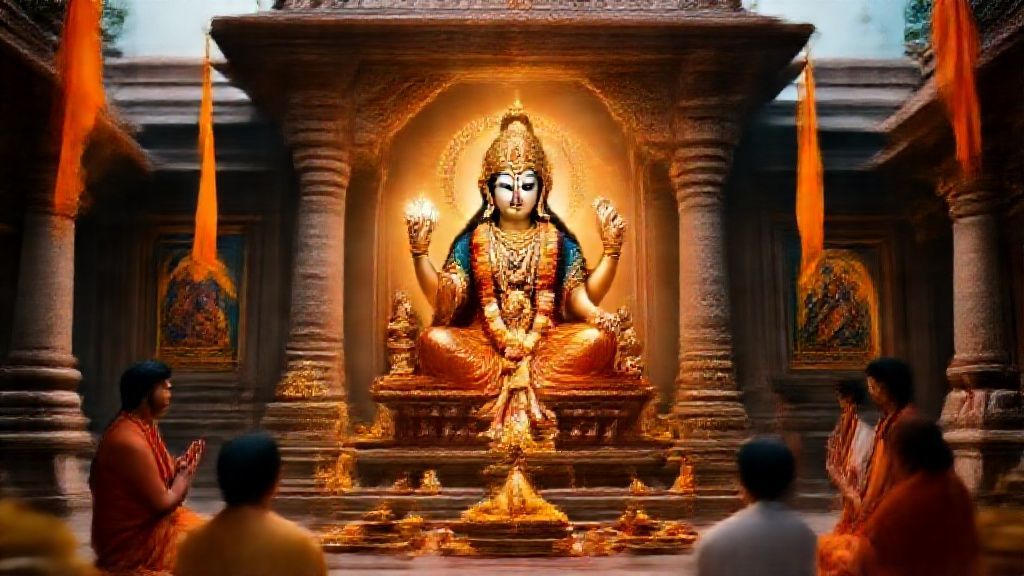
Remedies for Financial Crisis: Lakshmi Prayers, deeply rooted in Vedic wisdom, serve as potent spiritual remedies for financial crises, invoking Devi Lakshmi, the goddess of wealth, prosperity, and abundance. These devotional practices, when performed with sincerity and faith, align one’s energies with divine grace, paving the path for material well-being, debt alleviation, and spiritual enrichment, as extolled in our sacred texts.
| Attribute | Details |
|---|---|
| Deity Invoked | Sri Maha Lakshmi, the Goddess of wealth, fortune, and prosperity. |
| Primary Origin | Vedic Era, specifically mentioned in Rig Veda (Sri Suktam) and elaborated in Puranas. |
| Key Festivals for Worship | Diwali (Deepavali), Varalakshmi Vratam, Akshaya Tritiya, Fridays. |
| Prominent Scriptural References | Sri Suktam (Rig Veda Khilani), Lakshmi Tantra, Vishnu Purana, Bhagavata Purana. |
| Associated Divine Consort | Sri Maha Vishnu (Narayana), representing preservation and sustenance. |
The Spiritual Essence of Lakshmi Prayers
In Sanatan Dharma, wealth, or Artha, is one of the four principal aims of human life (Purusharthas), alongside Dharma (righteousness), Kama (desire), and Moksha (liberation). However, Artha is never to be pursued in isolation but always in congruence with Dharma. A financial crisis is not merely an economic challenge but often a spiritual test, a disruption in the harmonious flow of cosmic energy. It signifies a potential misalignment with the principles of abundance governed by Devi Lakshmi. Our scriptures teach that true prosperity is holistic, encompassing not just material riches but also good health, spiritual growth, wisdom, offspring, and peace of mind. Therefore, seeking remedies for financial distress through Lakshmi prayers is a profound spiritual endeavor, designed to restore balance, invite divine grace, and align the devotee with the cosmic source of all abundance.
Devi Lakshmi is not merely the goddess of currency notes; she embodies auspiciousness, fortune, beauty, and fertility. Her worship is a journey into understanding the true nature of wealth and how it can be channeled for noble purposes and the well-being of all. Through sincere devotion and prescribed rituals, a devotee seeks to purify their intentions, rectify past karmic imbalances, and open themselves to the boundless grace of the Divine Mother. This guide, drawing from ancient Vedic wisdom, provides a comprehensive understanding and practical approach to invoking Devi Lakshmi for financial stability and overall prosperity.
The Puranic Narrative of Devi Lakshmi
The origin and exploits of Devi Lakshmi are beautifully narrated across various Puranas, establishing her supreme importance in the Hindu pantheon. One of the most significant accounts is found in the Vishnu Purana (Book I, Chapter 9) and the Bhagavata Purana (Canto 8, Chapter 8), describing her emergence during the momentous event of Samudra Manthan, the churning of the cosmic ocean of milk. As Devas (gods) and Asuras (demons) churned the ocean to obtain the elixir of immortality (Amrita), many divine entities and treasures emerged. Among the most brilliant and captivating was Devi Lakshmi, seated on a lotus, radiating unparalleled beauty and holding a lotus in her hands. She chose Sri Maha Vishnu as her eternal consort, symbolizing the inseparable connection between prosperity and righteous preservation (Dharma).
Another profound aspect of Lakshmi’s nature is her eight forms, known as Ashta Lakshmi, each representing a distinct facet of prosperity. These forms are: Adi Lakshmi (primordial wealth), Dhanya Lakshmi (agricultural wealth), Dhairyalakshmi (courage and patience), Gaja Lakshmi (wealth through animals and royalty), Santana Lakshmi (progeny), Vijaya Lakshmi (victory), Vidya Lakshmi (knowledge), and Dhana Lakshmi (monetary wealth). Understanding these forms helps devotees pray for holistic well-being, recognizing that financial stability is just one aspect of a truly rich life. The Lakshmi Tantra further elaborates on her various manifestations and the specific benefits derived from worshipping each form, offering deep insights into the metaphysics of abundance.
The Science of Lakshmi Worship: Yantras, Mantras, and Ritual Architecture
Vedic rituals are not mere superstitious acts; they are precise scientific methodologies designed to harness cosmic energies through sound, form, and intention. The ‘architecture’ of Lakshmi worship extends beyond physical structures into the intricate design of yantras, the vibrational patterns of mantras, and the structured sequence of puja vidhi. A Yantra is a geometric diagram, a microcosm of the divine, serving as a dwelling place for the deity and a tool for concentration. The Sri Yantra or Mahalakshmi Yantra, for instance, is a complex, multi-layered geometric pattern used in Lakshmi worship. Its precise construction and visual contemplation are believed to align the practitioner’s consciousness with the cosmic energies of abundance, facilitating deep meditation and invocation. As described in the Soundarya Lahari, the geometric precision of such yantras channels divine power and positive vibrations.
The scientific aspect also lies in the power of sound vibrations. Mantras are not mere words but specific sonic formulas carrying immense spiritual potency. When chanted correctly, they create resonant frequencies that can influence the practitioner’s subtle body, the surrounding environment, and even invoke specific divine energies. The careful selection of offerings (Dravyas), their placement, and the sequencing of rituals (Karma Kanda) create a powerful energetic field conducive to attracting prosperity. This deep understanding of vibrational physics and sacred geometry underpins every aspect of Lakshmi Puja, transforming it into a profound scientific and spiritual practice aimed at materializing the desired outcomes. For more insights into Vedic practices, explore resources available on Hindutva.online.
Rituals and Puja Vidhi for Invoking Lakshmi
Performing Lakshmi Puja with devotion and adherence to scriptural guidelines is paramount for seeking remedies for financial crises. While specific traditions may vary, the core steps remain consistent:
- Purification (Shuddhi): Begin with a ritual bath (snana) and don clean, preferably new, clothes. Cleanse the puja area thoroughly, as Devi Lakshmi resides in pure environments. Sprinkle gangajal for sanctification.
- Sankalpa (Intention): With folded hands, declare your purpose for the puja, stating your name, gotra, and the specific difficulties you wish to overcome through Devi Lakshmi’s grace.
- Deepa Prajwalan (Lighting the Lamp): Light a ghee lamp (diya) and incense sticks (agarbatti), symbolizing the dispelling of darkness and the illumination of wisdom.
- Kalasha Sthapana (Pot Placement): Place a copper or brass pot (kalasha) filled with water, mango leaves, and a coconut, symbolizing auspiciousness and the cosmos.
- Ganesha Puja (Invocation of Ganesha): Always begin any auspicious ritual by invoking Lord Ganesha, the remover of obstacles (Vighnaharta), to ensure the smooth completion of the puja. Offer durva grass and modak.
- Devi Lakshmi Avahanam (Invocation): Invoke Devi Lakshmi by placing her idol or picture on a clean altar. Offer a seat (asana) to her. Recite invocation mantras such as “Om Shreem Hreem Shreem Kamale Kamalalaye Praseed Praseed Om Shreem Hreem Shreem Mahalakshmyai Namah.“
- Shodashopachara Puja (16-Step Worship): Offer the sixteen traditional services: Padyam (foot wash), Arghyam (hand wash), Achamanyam (sipping water), Snanam (bath), Vastram (clothing), Upaveetam (sacred thread), Gandham (sandalwood paste), Pushpam (flowers, especially lotus), Dhupam (incense), Deepam (lamp), Naivedyam (food offerings, particularly sweets like kheer or laddus), Tambulam (betel leaf), Neerajanam (camphor arati), Mantrapushpam (flower offering with mantras), Pradakshina (circumambulation), and Namaskaram (prostration).
- Mantra Japa (Chanting): Dedicate a specific number of repetitions (e.g., 108, 1008) to powerful Lakshmi Mantras.
- Arati (Waving of Lamps): Conclude with the waving of a multi-wick lamp, accompanied by devotional songs (bhajans) in praise of Devi Lakshmi.
- Pranam and Kshama Prarthana (Prostration and Forgiveness): Offer final prayers, express gratitude, and seek forgiveness for any errors committed during the puja.
Potent Mantras and Chants for Devi Lakshmi
The chanting of specific mantras is a powerful way to connect with Devi Lakshmi. These sacred sounds purify the mind, amplify intentions, and invoke her benevolent energy.
- Sri Suktam (श्री सूक्तम्): This is perhaps the most revered Vedic hymn dedicated to Lakshmi, found in the Rig Veda Khilani (supplementary hymns). Chanting the Sri Suktam with its 16 or 29 verses invokes all forms of prosperity and divine auspiciousness. It describes Lakshmi as radiating gold, standing on a lotus, and being the consort of Vishnu. Regular recitation is considered highly potent for attracting wealth and removing poverty.
- Mahalakshmi Beej Mantra: ॐ ह्रीं श्रीं क्लीं महालक्ष्म्यै नमः (Om Hreem Shreem Kleem Mahalakshmyai Namaha). This is a highly condensed and powerful seed mantra. ‘Hreem’ invokes the Mahamaya or illusory power, ‘Shreem’ is the seed sound for Lakshmi, and ‘Kleem’ for desire fulfillment. Chanting this mantra regularly generates a powerful magnetic field for attracting prosperity.
- Lakshmi Gayatri Mantra: ॐ महालक्ष्म्यै च विद्महे विष्णु पत्न्यै च धीमहि तन्नो लक्ष्मी प्रचोदयात् (Om Mahalakshmyai Cha Vidmahe Vishnu Patnyai Cha Dheemahi Tanno Lakshmi Prachodayat). This mantra invokes the wisdom and light of Devi Lakshmi, enlightening the devotee’s mind and guiding them towards virtuous paths of wealth accumulation.
- Mahalakshmi Ashtakam (महालक्ष्मी अष्टकम्): A beautiful eight-verse hymn praising Devi Lakshmi, highlighting her various qualities and blessings. Regular recitation bestows courage, wealth, and spiritual well-being, as mentioned in the Skanda Purana.
- Kanakadhara Stotram (कनकधारा स्तोत्रम्): Composed by Adi Shankara, this powerful hymn is believed to have literally caused a shower of golden gooseberries. Its recitation is highly effective for overcoming financial difficulties and attracting abundant wealth.
Consistency and sincere devotion (Bhakti) are crucial when practicing mantra japa. It is not merely the mechanical repetition but the heartfelt connection that yields results.
Dos and Don’ts in Seeking Lakshmi’s Grace
To truly invite Devi Lakshmi’s blessings, one must align their actions and character with Dharmic principles:
- Do Maintain Cleanliness: Keep your home and surroundings impeccably clean, especially the puja altar. Lakshmi resides where there is purity.
- Do Practice Ethical Earning: Earn wealth through honest and righteous means (Dharma). Ill-gotten wealth does not sustain.
- Do Be Charitable: Share your wealth generously with those in need. Charity (Dana) is a key aspect of retaining Lakshmi’s grace.
- Do Respect Women: Devi Lakshmi is the embodiment of feminine energy. Respecting and honoring women in your life is crucial.
- Do Offer Gratitude: Be grateful for what you have, even amidst difficulties. Gratitude multiplies blessings.
- Don’t Be Greedy or Wasteful: Avoid excessive attachment to wealth and wasteful spending. Use resources judiciously.
- Don’t Engage in Dishonesty: Lying, cheating, or any form of deception repels Lakshmi.
- Don’t Procrastinate: Address your duties and responsibilities promptly. Laziness can lead to financial stagnation.
- Don’t Disrespect Food: Food is an embodiment of Dhanya Lakshmi. Never waste or disrespect food.
- Don’t Harbor Negative Emotions: Envy, jealousy, and constant complaining create negative vibrations that obstruct prosperity.
Frequently Asked Questions About Lakshmi Prayers
When is the best time to perform Lakshmi prayers?
While Devi Lakshmi can be invoked at any time with a pure heart, certain periods are considered especially auspicious. Fridays are traditionally dedicated to Lakshmi worship. Major festivals like Diwali (Deepavali), the festival of lights, and Varalakshmi Vratam are prime times for elaborate Lakshmi Pujas. Additionally, any time you feel a genuine need for divine intervention in your financial life, you may perform these prayers with utmost sincerity.
Can anyone perform these prayers, or are there restrictions?
Devi Lakshmi’s grace is universal. Anyone, regardless of caste, creed, or gender, can perform Lakshmi prayers, provided they do so with a pure heart, genuine devotion (Bhakti), and adherence to the basic principles of cleanliness and righteousness. The sincerity of your intention is far more important than rigid adherence to complex rituals.
Is Lakshmi worship solely for acquiring monetary wealth?
Absolutely not. While Devi Lakshmi is often associated with monetary wealth (Dhana Lakshmi), her domain extends far beyond. As described by the Ashta Lakshmi, she bestows all forms of prosperity: good health, knowledge (Vidya Lakshmi), progeny (Santana Lakshmi), courage (Dhairyalakshmi), success (Vijaya Lakshmi), and spiritual well-being. True Lakshmi worship aims for holistic abundance and spiritual richness, ensuring that material wealth serves the higher purpose of Dharma.
Why These Prayers Uphold Sanatan Dharma
The practice of performing Lakshmi prayers for financial stability is a profound embodiment of Sanatan Dharma’s holistic approach to life. It teaches us that our material existence is intertwined with our spiritual journey. By seeking divine intervention for worldly concerns, we acknowledge the supremacy of cosmic order and the presence of divine will in every aspect of our lives. It fosters a sense of surrender, humility, and faith (Shraddha), strengthening our spiritual foundation. Furthermore, these prayers emphasize the importance of righteous conduct (Dharma) as the bedrock of lasting prosperity. They remind us that wealth is a means, not an end, and should be utilized for the welfare of society and the advancement of righteous causes. Through such devotional practices, we not only seek personal well-being but also contribute to the positive energetic fabric of the universe, preserving the timeless wisdom and spiritual heritage of our ancient tradition. For further explorations into such topics, visit Hindutva.online, your trusted source for authentic Vedic knowledge.