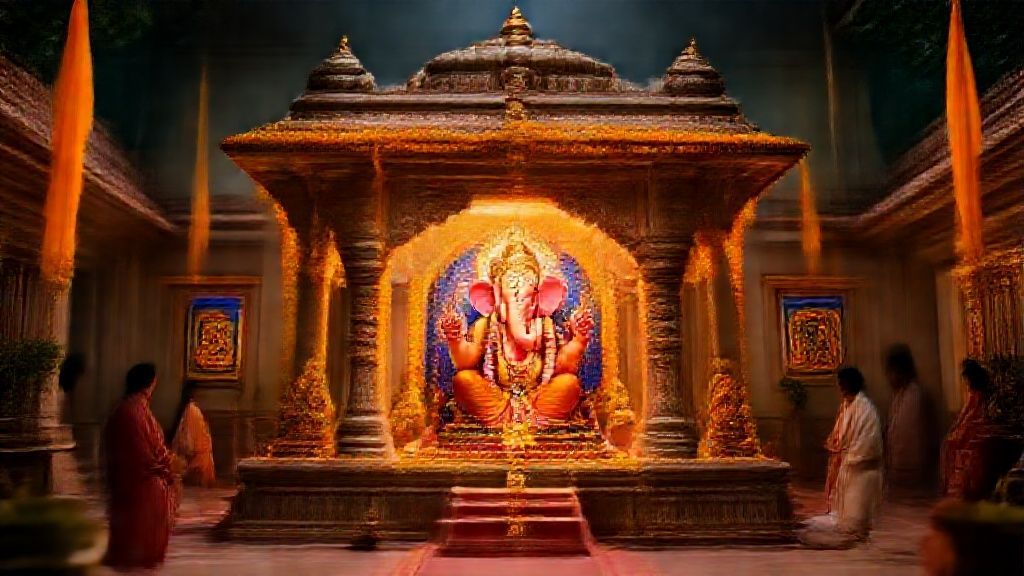
Ganesh Decoration Ideas for Mandap Setup at Home involves creating a sacred, aesthetically pleasing altar to welcome Bhagwan Ganesha, the remover of obstacles. This traditional practice transforms a domestic space into a devotional haven, inviting divine blessings, prosperity, and spiritual harmony. It emphasizes Vastu principles, symbolic adornments, and heartfelt reverence for Vinayaka.
| Attribute | Details |
|---|---|
| Deity Honored | Bhagwan Ganesha (Vighnaharta, Prathama Pujya, Vinayaka) |
| Purpose of Mandap | To establish a temporary, sacred altar for Ganesha’s Sthapana (installation) and daily worship, inviting auspiciousness and removing obstacles. |
| Key Festival | Ganesh Chaturthi (Vinayaka Chaturthi), observed annually in the Hindu month of Bhadrapada. |
| Scripture Reference | Ganesha Purana, Mudgala Purana, Skanda Purana (Kashi Khanda for Ganesha Mahatmyam), Narada Purana. |
The Auspicious Welcome: Sanctifying Your Home for Ganesha
The annual arrival of Bhagwan Ganesha into our homes is more than just a festival; it is a profound spiritual event, a joyous reunion with the divine. The meticulous process of setting up a Ganesh Mandap at home is an act of deep reverence, transforming our mundane living spaces into vibrant spiritual centers. This sacred endeavor, known as Ganesh Sthapana, allows devotees to personally invite the remover of obstacles, Vighnaharta, and Prathama Pujya, into their lives, fostering a unique connection that transcends ritualistic formality. It is an opportunity to express devotion, seek blessings, and infuse the entire household with positive energy and divine grace. Every element, from the choice of idol to the decorative motifs, carries symbolic weight, reflecting the rich tapestry of Sanatan Dharma.
The Puranic Narrative: Ganesha’s Divine Presence
The profound significance of worshipping Bhagwan Ganesha finds its roots deeply embedded in our sacred Puranas. As narrated in the Shiva Purana (Rudra Samhita, Sati Khanda, Chapter 13), Ganesha was created by Devi Parvati from the dirt of her body, infused with divine power, to guard her privacy. When Bhagwan Shiva unknowingly obstructed Him, a fierce battle ensued, leading to Ganesha’s beheading. To console a grief-stricken Parvati, Shiva replaced His head with that of an elephant, granting Him the boon of being worshipped first among all deities (Prathama Pujya). This narrative is reiterated and expanded upon in the Ganesha Purana and the Mudgala Purana, which are entirely dedicated to His glory, detailing His various forms and pastimes (Leelas).
The very act of establishing a Ganesha mandap at home connects us to this ancient lineage, invoking the blessings of the deity who removes all obstacles (Vighneshwara) and bestows wisdom (Buddhi Prada). His presence in our homes through the mandap signifies protection, prosperity, and the initiation of all auspicious ventures, reflecting the timeless wisdom passed down through generations of devoted Hindus.
Vastu Principles and Symbolic Design of the Mandap
Creating a Ganesh Mandap at home is not merely about aesthetic appeal; it involves adhering to traditional principles of Vastu Shastra and understanding the deep symbolism of each decorative element. The mandap becomes a microcosm of a sacred temple, designed to maximize positive energy flow and invoke divine presence.
Mandap Location and Orientation
According to Vastu Shastra, the ideal placement for the Ganesha idol and mandap is the Northeast direction (Ishanya Kona) of the home, considered the most auspicious corner for divine energy. Alternatively, the East or North direction is also suitable. Avoid placing the mandap in the South, under a staircase, or in proximity to toilets, as these locations are deemed inauspicious for worship.
Structural Elements and Materials
- The Pedestal (Vedi): A raised platform is crucial, signifying respect for the deity. This can be a wooden table, a marble slab, or a decorated stool.
- The Backdrop: Often made of traditional fabrics like silk or velvet in auspicious colors such as red, yellow, saffron, or green. These colors are associated with prosperity, energy, and purity.
- The Canopy (Chhatra): A small decorative umbrella or cloth canopy over the idol symbolizes reverence and protection.
- Torans: Door hangings made of mango leaves and marigold flowers are traditional, signifying welcome and auspiciousness. Mango leaves are believed to absorb negative energy.
Symbolic Adornments and Decorations
- Flowers (Pushpa): Marigolds (Genda), hibiscus (Jaswand), roses, and red flowers are particularly dear to Ganesha. The red hibiscus is considered His favorite, as mentioned in the Ganesha Atharvashirsha.
- Garlands (Mala): Fresh flower garlands adorn the idol and the mandap structure.
- Lighting (Deepa): Traditional oil lamps (Diyas) or ornate electric lights create a warm, spiritual ambiance. The light symbolizes the dispelling of ignorance and the illumination of wisdom.
- Rangoli: Intricate patterns drawn at the entrance and around the mandap using colored powders or flowers, signifying welcome and positive vibrations. The geometric patterns often represent cosmic order.
- Modaks & Sweets: While offerings, they also form an integral part of the mandap’s visual appeal, symbolizing Ganesha’s love for devotees’ sincere offerings.
- Durva Grass: Bunches of 21 blades of Durva grass are very sacred to Ganesha, symbolizing longevity and abundance.
- Akshata: Unbroken rice grains, often mixed with turmeric and kumkum, symbolize prosperity and purity.
By thoughtfully integrating these Vastu-compliant and symbolically rich elements, devotees create a truly sacred and vibrant mandap, a fitting abode for Bhagwan Ganesha.
Rituals and Puja Vidhi for Mandap Setup & Worship
The installation and worship of Bhagwan Ganesha at home follow a structured and deeply meaningful set of rituals, known as the Shodashopachara Puja (the sixteen steps of worship). This vidhi ensures proper reverence and invocation.
- Sankalpa (Intention): Begin by taking a vow, stating your name, lineage (gotra), the purpose of the puja (e.g., inviting Ganesha for blessings), and the duration of His stay.
- Bhumi Shuddhi (Space Purification): Cleanse the designated mandap area thoroughly. Sprinkle Ganga Jal (holy water) or plain water mixed with turmeric, chanting purification mantras.
- Mandap Nirman (Altar Construction): Set up the chosen pedestal, backdrop, and canopy. Arrange all decorative elements like flowers, lights, and torans.
- Ganesha Sthapana (Idol Installation): Carefully place the Ganesha murti on the purified pedestal. Ensure the idol faces East or North. If using a clay idol, ensure it is eco-friendly.
- Pran Pratishtha (Life Invocation): This is a crucial step where divine consciousness is invited into the idol. While often performed by a priest, a devotee can perform a simple version by touching the idol and chanting specific mantras like Om Pranavaya Namah (ॐ प्रणवाय नमः) or invoking Ganesha’s name with sincere prayer. Light a lamp and incense.
- Dhyanam (Meditation): Meditate upon Ganesha’s form, chanting a Dhyana mantra.
- Avahanam (Invitation): Invoke Ganesha, requesting His presence.
- Asanam (Seat Offering): Offer a comfortable seat to the deity, symbolizing the prepared mandap.
- Padya (Foot Washing): Offer water for washing His feet.
- Arghyam (Hand Washing): Offer water for washing His hands.
- Achamaniyam (Sipping Water): Offer water for sipping.
- Snanam (Bathing): Perform a symbolic bath with water, Panchamrita (milk, curd, ghee, honey, sugar), and fragrant water.
- Vastra (Clothing): Offer new clothes or a piece of cloth (vastra).
- Upaveetam (Sacred Thread): Offer a sacred thread (Yajnopaveetam).
- Gandha (Scent): Apply sandalwood paste (Chandanam) and kumkum to the idol.
- Pushpa (Flowers): Offer fresh flowers, especially red hibiscus and Durva grass.
- Dhupa (Incense): Light incense sticks (agarbatti).
- Deepa (Lamp): Light a ghee lamp (diya).
- Naivedyam (Food Offering): Offer sweets (especially Modak and Laddoos), fruits, and other pure food items.
- Tambulam (Betel Leaf): Offer betel leaves with areca nuts.
- Dakshina (Donation): Offer a symbolic monetary offering.
- Neerajanam/Aarti (Waving of Lamps): Perform Aarti, waving a lamp while singing devotional songs.
- Pradakshina (Circumambulation): Perform circumambulations around the idol.
- Namaskara (Prostration): Offer sincere prayers and prostrations.
- Visarjan (Immersion – on final day): On the day of immersion, offer final prayers and bid farewell, requesting Ganesha to return next year. The idol is then immersed in water, symbolizing His journey back to His divine abode.
Sacred Mantras and Chants for Ganesha Puja
Chanting Ganesha mantras purifies the mind, removes obstacles, and connects the devotee directly with the divine energy of Bhagwan Ganesha. Integrating these chants into your daily puja strengthens the spiritual atmosphere of your Ganesh Mandap.
- Om Gam Ganapataye Namaha (ॐ गं गणपतये नमः): This is the fundamental Ganapati mantra, a powerful Bija (seed) mantra for invoking Ganesha’s blessings for success and obstacle removal.
- Vakratunda Mahakaya Mantra (वक्रतुण्ड महाकाय सूर्यकोटि समप्रभ। निर्विघ्नं कुरु मे देव सर्वकार्येषु सर्वदा॥): “O Lord with the curved trunk, gigantic body, and the radiance of a million suns, please make all my endeavors free of obstacles, always.” This popular shloka is recited at the beginning of any auspicious work.
- Ganesha Gayatri Mantra (ॐ एकदंताय विद्महे वक्रतुण्डाय धीमहि तन्नो दंति प्रचोदयात्॥): “Om, We meditate on the one-tusked, the one with the curved trunk, may He enlighten our intellect and inspire us.” Chanting this Gayatri mantra invokes Ganesha’s wisdom and guidance.
- Ganesha Ashtottarashata Namavali (108 Names): Chanting the 108 names of Ganesha during the Pushparchana (offering of flowers) bestows immense merit and allows devotees to appreciate His myriad attributes.
Dos and Don’ts for Your Ganesh Mandap
Maintaining purity and reverence is paramount during Ganesh Chaturthi. Observing these guidelines ensures that your devotion is offered appropriately and respectfully.
Dos:
- Maintain Cleanliness: Ensure the mandap area and the entire home are impeccably clean and pure.
- Offer Fresh Flowers and Prasad: Always use fresh flowers, fruits, and freshly prepared Prasad (Naivedyam).
- Daily Aarti: Perform Aarti at least twice a day (morning and evening) with full devotion.
- Light a Continuous Lamp: If possible, keep a ghee lamp lit continuously throughout Ganesha’s stay, symbolizing the eternal divine light.
- Invite Devotees: Share the joy by inviting family and friends for Darshan and Prasad.
- Maintain Sattvic Environment: Promote a calm, spiritual atmosphere with bhajans, kirtans, and reading of scriptures.
- Eco-friendly Idol: Opt for a clay idol that dissolves easily in water, supporting environmental preservation.
Don’ts:
- Impurity: Avoid entering the mandap area or touching the idol with unwashed hands or after consuming non-vegetarian food or alcohol.
- Stale Offerings: Never offer stale food, withered flowers, or anything impure to Bhagwan Ganesha.
- Neglect: Do not leave the idol unattended for long periods without daily worship and offerings.
- Loud or Disruptive Behavior: Avoid arguments, harsh words, or excessive noise in the vicinity of the mandap.
- Placement Near Impure Areas: Do not place the idol or mandap near toilets, dustbins, or under staircases.
- Uncleanliness: Ensure no footwear is worn near the mandap.
How to choose the right Ganesha idol for home?
When selecting a Ganesha idol, prioritize eco-friendly clay murtis that are traditionally revered and easily dissolve in water for Visarjan. Look for an idol where Ganesha’s trunk is curled towards the left (Vamamukhi Ganesha), as this is considered ideal for home worship, symbolizing peace and prosperity. The idol should radiate a serene and welcoming aura, reflecting devotion and joy, not aggression. Ensure the idol is proportionate and aesthetically pleasing, resonating with your heart.
What are the essential items for Ganesh Puja?
The essential items for Ganesh Puja typically include the Ganesha idol, a pedestal, Ganesha’s favorite red hibiscus and Durva grass, a lamp (diya) with ghee or oil, incense sticks (agarbatti), camphor (kapoor), kumkum, haldi (turmeric), chandan (sandalwood paste), akshata (unbroken rice), betel leaves and nuts, coconut, fruits, Modaks or Laddoos for Naivedyam, Ganga Jal or purified water, a bell, and a puja thali. A small cloth for the idol and a sacred thread (yajnopaveetam) are also vital.
How long should Ganesha stay at home?
The duration for which Bhagwan Ganesha stays at home is a matter of personal tradition and devotion, typically ranging from 1.5, 3, 5, 7, to 10 days. Many devotees choose to keep Ganesha for 10 days, culminating in Anant Chaturdashi, the grand Visarjan day. The key is to commit to the chosen duration and ensure continuous, sincere worship throughout His stay, making every moment an offering of devotion.
Can decoration materials be reused for the Ganesh Mandap?
Yes, many decoration materials can be reused, provided they are cleaned and stored properly with respect. Items like artificial flowers, decorative fabrics, lights, and reusable backdrops can certainly be used again. However, fresh flowers, specific leaves like mango and betel, and food offerings must always be fresh for each puja. The principle is to maintain purity and sanctity; if an item can be cleaned and consecrated, it may be reused, else fresh ones should be acquired.
The Profound Dharmic Significance of Ganesha at Home
The tradition of establishing a Ganesh Mandap at home is far more than a mere festive ritual; it is a profound act of preserving and propagating Sanatan Dharma. In an era where cultural values are often challenged, this practice serves as a powerful anchor, uniting families in shared devotion and transmitting ancient wisdom to younger generations. It teaches discipline, faith, and the importance of creating sacred spaces within our daily lives. Bhagwan Ganesha, as the embodiment of wisdom, prosperity, and obstacle removal, reminds us that divinity resides not just in grand temples but also within the sanctity of our homes and hearts.
By thoughtfully preparing a mandap, performing the puja with devotion, and imbibing the spiritual essence, devotees strengthen their connection to their heritage and invite profound blessings into their lives. This cherished tradition reinforces the core tenets of Hinduism, fostering community, personal growth, and a deeper understanding of the divine. For more insights into such traditional practices and their significance, devotees can explore resources at Hindutva.online, a comprehensive platform dedicated to Sanatan Dharma. Engaging in these sacred practices helps us maintain our spiritual equilibrium and contributes to the collective well-being, reiterating the timeless message of our ancient scriptures. Visit Hindutva.online for further guidance.