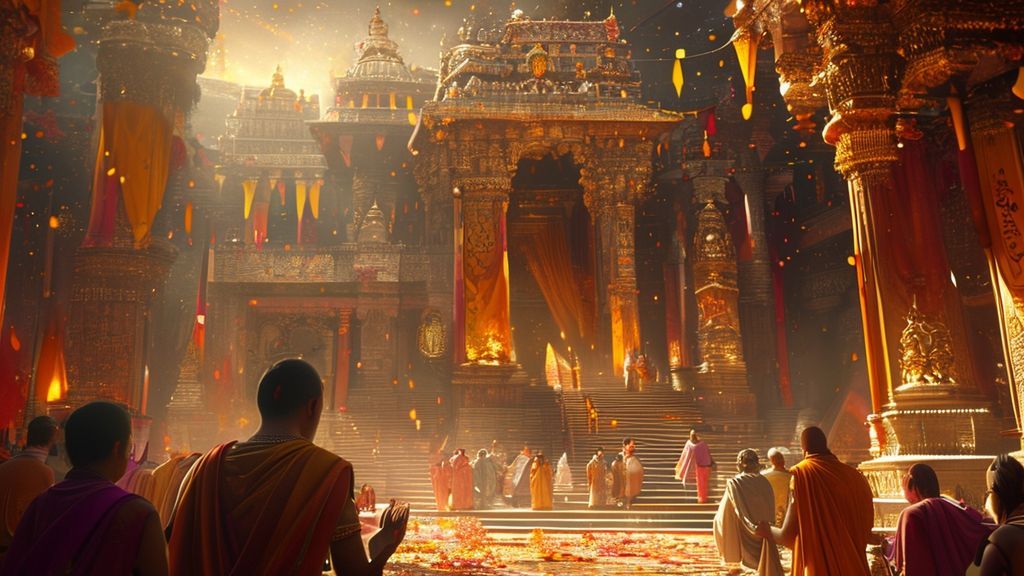
Magha Nakshatra, revered as the “Royal Birth Star,” is the tenth lunar mansion in Vedic astrology, spanning 00°00′ to 13°20′ in Simha (Leo) Rashi. Governed by the ancestral Pitris and ruled by Ketu, it bestows individuals with a majestic demeanor, strong leadership qualities, a deep connection to lineage, and an inherent sense of dharma and tradition.
| Attribute | Details |
|---|---|
| Deity | Pitris (Ancestors) |
| Rashi (Zodiac Sign) | Simha (Leo) |
| Ruling Planet | Ketu (South Node of the Moon) |
| Symbol | Royal Throne, Palanquin |
| Animal Symbol | Male Rat |
| Gana (Temperament) | Rakshasa (Demonic, but interpreted as fierce and powerful) |
| Key Festival | Mahalaya Amavasya (Pitri Paksha), dedicated to ancestors. |
| Scripture Reference | Brihat Parashara Hora Shastra, Phaladeepika, Jataka Parijata |
The Majesty of Magha: Lineage, Leadership, and Dharma
In the grand tapestry of Vedic astrology, the Nakshatras, or lunar mansions, illuminate the deeper spiritual and karmic imprints on an individual’s life. Among these twenty-seven stellar constellations, Magha Nakshatra holds a pre-eminent position, often hailed as the “Royal Birth Star.” It signifies not merely a birthright to royalty, but a profound connection to ancestry, heritage, and the inherent capacity for leadership and noble actions. Individuals born under Magha are imbued with a natural regal presence, a magnetic charm, and an unwavering commitment to preserving family honor and traditions. Their very existence seems to carry the weight of generations, guiding them towards roles of authority and influence, driven by an innate sense of dharma and a desire to leave a lasting legacy. This nakshatra empowers its natives to lead, to command respect, and to uphold the ancient values of Sanatan Dharma, reflecting the divine wisdom embedded within the cosmic design.
Puranic History & Legend: The Realm of the Pitris
The profound significance of Magha Nakshatra is inextricably linked to its presiding deities: the Pitris, or revered ancestors. In the Vedic cosmology, the Pitris are the divine beings who reside in Pitriloka, an ancestral realm, and are the guardians of lineage and family continuity. As mentioned in the Garuda Purana and Matsya Purana, propitiating the Pitris is paramount for the well-being and prosperity of descendants. Magha, therefore, directly channels their blessings and karmic influences. The planetary ruler of Magha is Ketu, the South Node of the Moon, often associated with past life karma, detachment, spirituality, and delving into the roots of existence. This combination—Pitris (ancestors) and Ketu (past karma, roots)—explains why Magha natives are often profoundly influenced by their ancestral lineage. They may inherit ancestral wealth, wisdom, or even karmic patterns that need resolution. The Puranas often narrate tales of kings and sages performing elaborate Shraddha ceremonies to honor their ancestors, underscoring the vital role of the Pitris in granting progeny, prosperity, and liberation (moksha). Being born in Magha suggests a deep ancestral connection, often implying that the soul has been sent to continue a significant family legacy or to resolve past karmic duties related to their heritage. This stellar mansion is a bridge between the mortal and ancestral realms, constantly reminding its natives of their roots and their duty towards their predecessors and successors.
Astrological & Scientific Principles: The Leo-Ketu Nexus
While Magha is not a temple, its architectural marvel lies in the intricate structure of Vedic astrology itself, a sophisticated science of cosmic influences. Magha Nakshatra is situated entirely within Simha Rashi (Leo), a fixed, fiery, masculine sign ruled by the Sun (Surya). The Sun represents the soul, authority, leadership, and the father figure. However, Magha’s planetary ruler is Ketu, a shadow planet known for its spiritual inclinations, past life connections, and often, a sense of detachment or a drive towards liberation. This unique combination creates a powerful dynamic: the native possesses the Sun’s regal authority and desire for recognition, but Ketu’s influence channels this energy towards spiritual and ancestral duties, or perhaps an inherited sense of power that feels karmically ordained rather than personally earned. This juxtaposition makes Magha natives natural leaders, but ones who might feel a sense of destiny or obligation rather than pure ambition. The scientific principle here is the precise measurement and division of the zodiac into 27 segments, each imbued with distinct energies from its presiding deity, planetary ruler, and animal symbol. The Hindutva.online archives contain extensive research on the subtle energetic interplay of these celestial bodies. The symbol of Magha, a royal throne or palanquin, signifies inherent status and the ability to command. The animal symbol, the male rat, associated with Ganesha, suggests intelligence and the ability to overcome obstacles, but also the potential for meticulousness, sometimes bordering on obsessive detail to maintain status. The Rakshasa Gana classification (often misinterpreted as merely “demonic”) actually denotes a powerful, assertive, and sometimes fierce temperament, capable of protecting their domain and challenging injustice, driven by an intense desire for honor and upholding tradition.
Rituals & Puja Vidhi for Magha Natives and Ancestral Blessings
For individuals born under Magha Nakshatra, or those seeking ancestral blessings, specific rituals and observances can harness the benevolent energies of this powerful lunar mansion. The most significant ritual is Shraddha, the ancestral rites performed during Pitru Paksha or on the specific Tithi of a deceased ancestor. However, daily observances can also be beneficial.
Here is a step-by-step guide for propitiating the energies of Magha:
- Daily Offerings to Surya Dev: As Magha is in Leo, daily adoration of the Sun is crucial. Offer water (Arghyam) to the rising Sun while chanting the Gayatri Mantra. This strengthens the leadership qualities and soul power.
- Ketu Puja: Perform a simple Ketu Puja, especially on Tuesdays or during Ketu’s Dasha/Antardasha. Offer black sesame seeds, black clothes, or blankets to the needy.
- Ancestral Reverence: Regularly light a lamp (Diya) for ancestors, especially on Amavasya (new moon) or on Magha Nakshatra days. Offer water and til (sesame seeds) with devotion, praying for their peace and blessings.
- Charity: Donate food, clothing, or knowledge to Brahmins or the underprivileged, particularly those associated with ancestral lineage or old traditions. This pleases the Pitris and helps clear ancestral karma.
- Respect for Elders: Show utmost respect and service to parents, grandparents, and elders in the family. Their blessings are direct channels to the Pitris.
These practices reinforce the connection to one’s roots and help manifest the positive traits of Magha, fostering leadership, respect, and dharmic conduct.
Mantras & Chants for Magha Nakshatra
Chanting specific mantras can help harmonize the energies of Magha Nakshatra, invoking the blessings of the Pitris and the cosmic forces associated with this lunar mansion. These chants are powerful tools for spiritual alignment and karmic purification.
- Magha Nakshatra Moola Mantra:
- Ketu Beeja Mantra:
- Surya Mantra (for strength in Leo):
- Gayatri Mantra (Universal Prayer):
ॐ पितृभ्यो नमः
Om Pitribhyo Namah
(Chant 108 times daily to honor and invoke the blessings of the ancestors.)
ॐ स्रां स्रीं स्रौं सः केतवे नमः
Om Sram Srim Sraum Sah Ketave Namah
(Chant 108 times daily, especially for those experiencing challenges related to Ketu, to mitigate negative influences and enhance spiritual insights.)
ॐ घृणिः सूर्याय नमः
Om Ghrinih Suryaya Namah
(Chant 108 times, particularly at sunrise, to strengthen the Sun’s influence, enhancing leadership and self-confidence.)
ॐ भूर्भुवः स्वः तत्सवितुर्वरेण्यं भर्गो देवस्य धीमहि धियो यो नः प्रचोदयात्
Om Bhur Bhuvah Swah Tat Savitur Varenyam Bhargo Devasya Dhimahi Dhiyo Yo Nah Prachodayat
(The supreme Vedic mantra, chanted to illuminate the intellect and align with divine wisdom, beneficial for all Nakshatras.)
Dos and Don’ts for Magha Natives and Ancestral Reverence
Understanding the proper conduct associated with Magha’s energies is crucial for harmonious living and spiritual progress. Here are guidelines for those influenced by this royal star:
Dos:
- Honor Ancestors: Regularly perform Shraddha or offer prayers to Pitris, especially during Pitru Paksha.
- Maintain Tradition: Uphold family customs, rituals, and the ancestral lineage with pride and respect.
- Develop Leadership: Embrace opportunities to lead and take responsibility, leveraging natural authority.
- Practice Generosity: Be charitable and benevolent, especially towards those in need, echoing the royal duty of protection and provision.
- Seek Spiritual Knowledge: Utilize Ketu’s influence for introspection, meditation, and understanding deeper truths.
- Respect Elders: Always show reverence and service to parents, gurus, and senior family members.
Don’ts:
- Avoid Arrogance: Guard against excessive pride or an inflated ego due to a sense of inherent superiority.
- Neglect Family: Do not disregard family duties or sever ties with your lineage, as this can bring ancestral displeasure.
- Be Overly Materialistic: While prosperity is a blessing, avoid becoming excessively attached to worldly power or possessions, as Ketu can bring detachment.
- Engage in Dishonorable Acts: Avoid actions that could tarnish family name or reputation.
- Ignore Inner Callings: Do not suppress the spiritual or philosophical inclinations that Ketu inspires.
Frequently Asked Questions about Magha Nakshatra
What does “Royal Birth Star” truly mean for Magha natives?
The “Royal Birth Star” designation for Magha does not always imply literal royalty but signifies an inherent connection to leadership, authority, noble ideals, and a strong sense of self-respect and dignity. Magha natives often possess a natural charisma and a desire to uphold traditions, making them natural leaders in their families, communities, or professions, echoing the qualities of ancient kings and queens.
Are Magha natives prone to specific challenges?
While Magha bestows strong qualities, its Ketu rulership and Rakshasa Gana can bring challenges such as a tendency towards arrogance, an over-attachment to status, or an inclination towards detachment from worldly affairs. There can also be karmic issues related to ancestors that might manifest as difficulties in life until resolved through proper rituals and understanding. They may also struggle with feelings of isolation or a sense of being different due to their unique spiritual path.
How does Magha’s position in Simha Rashi affect its characteristics?
Being entirely within Simha (Leo) Rashi, Magha natives gain the Sun’s qualities of vitality, self-expression, and a desire for recognition and status. This blends with Ketu’s influence, leading to a personality that is both regal and deeply introspective, often seeking spiritual meaning within their leadership roles. The fiery nature of Leo gives them courage and passion, while Ketu provides a foundation of past life wisdom and a drive towards liberation from material bonds.
Dharmic Significance: Preserving Sanatan Dharma through Lineage
The study and reverence of Magha Nakshatra go beyond mere astrological prediction; they represent a fundamental pillar of Sanatan Dharma: the unbroken chain of lineage, tradition, and ancestral reverence. Magha reminds us that our individual existence is not isolated but is a continuation of generations of wisdom, karma, and sacrifice. By understanding Magha’s influence, we are called to honor our Pitris, to uphold the dharma passed down through our families, and to lead our lives with integrity and purpose. This Nakshatra encourages us to embody the noble qualities of leadership, responsibility, and service, ensuring that the eternal values of righteousness and truth are preserved and transmitted to future generations. Through conscious living and adherence to our ancestral heritage, we not only uplift ourselves but also contribute to the perpetuation of Sanatan Dharma, securing its continuity for eternity. Explore more such insights into our rich spiritual heritage at Hindutva.online.
