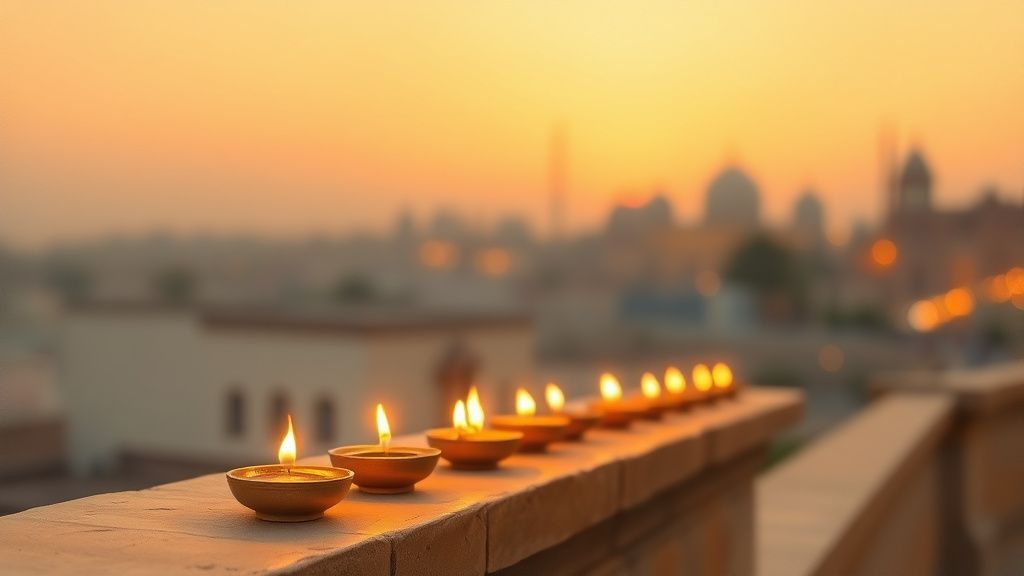
The Ramanathaswamy Temple at Rameswaram (Tamil Nadu) contains 22 sacred wells (theerthams) within its inner enclosure, and bathing at each in sequence is the established pilgrimage practice tied to the temple’s Jyotirlinga darshan. The 22 wells correspond, in temple tradition, to the 22 arrows in Rama’s quiver during the Lanka war. Bathing fee is ₹25 per person at the HR&CE counter; timings are 5:00 AM to 1:00 PM and 3:00 PM to 7:00 PM, and the full circuit takes between 45 minutes and 2 hours depending on crowd. The wells are within the temple courtyards, drawn from underground aquifers, each with a different mineral signature.
The first theertham is outside the temple
The pilgrimage sequence opens with Agni Theertham, the sea-bathing point at the eastern coast of Rameswaram town, around 150 metres from the temple’s eastern entrance. Pilgrims bathe in the Bay of Bengal here before proceeding to the temple. This is the only theertham that is open seawater; the remaining 21 are wells inside the temple precincts. After Agni Theertham, pilgrims change into a fresh dhoti or saree, leave footwear and outer luggage at one of the deposit stalls outside the eastern gopuram, buy the ₹25 bath ticket, and enter the inner enclosure.
The 22 wells inside the temple
The order in which temple attendants conduct the bath follows the layout of the corridors rather than a textual sequence. The standard list:
- 1. Mahalakshmi Theertham (south of the Hanuman shrine)
- 2. Savitri Theertham
- 3. Gayatri Theertham
- 4. Saraswati Theertham
- 5. Sethu Madhava Theertham (in the third corridor)
- 6. Gandhamadana Theertham
- 7. Kavacha Theertham
- 8. Gavaya Theertham
- 9. Nala Theertham
- 10. Nila Theertham
- 11. Sankha Theertham
- 12. Chakra Theertham
- 13. Brahmahatya Vimochana Theertham
- 14. Surya Theertham
- 15. Chandra Theertham
- 16. Ganga Theertham
- 17. Yamuna Theertham
- 18. Gaya Theertham
- 19. Shiva Theertham
- 20. Satyamrita Theertham
- 21. Sarva Theertham
- 22. Koti Theertham
Each well’s water is drawn up in a metal pail by a temple worker and poured over the pilgrim’s head; you do not enter the well. The water from each is distinct: some are cold, some bracingly mineral, some warm. The mineral variation across 22 wells within a single 400-foot stretch is the temple’s most-discussed natural feature.
What the 22 stand for
The number 22 is read in temple tradition as the count of arrows Rama drew from his quiver when he installed the Ramanatha linga before crossing to Lanka. Other readings: 22 sacred rivers brought by sage Agastya to consecrate the linga; 22 pilgrimage centres across Bharatavarsha drawn together at one site. The functional purpose of the multiple-well sequence is the wash of accumulated karmic burden taken on during one’s pilgrimage journey; each well’s mineral signature is read symbolically as cleansing a specific kind of accrual (anger at Surya, attachment at Chandra, ancestral debt at Gaya).
Practical sequence on a typical day
- 04:30 AM – Arrive at hotel reception, leave bags; carry only a thin dhoti or saree, towel, change of clothes in a small bag.
- 05:00 AM – Bathe in the sea at Agni Theertham as the day’s opening.
- 05:30 AM – Change at the bath stalls outside the eastern gopuram, buy the 22-well ticket at the HR&CE counter.
- 05:45 AM – Begin the well sequence; allow 60–90 minutes if you go on a weekday morning, longer on weekends and during Karthikai/Maasi festival weeks.
- 07:00 AM – Change into dry clothes; proceed to the Sphatika Linga darshan (the additional crystal-linga seva booked separately).
- 07:30 AM – Main Jyotirlinga darshan and Sundaresha-Parvatavardhini darshan as the closing.
Tickets, dress and what to carry
The ₹25 ticket is the HR&CE counter-issued slip; it covers the bath at all 22 wells. Tickets are not bookable online; they are bought on arrival from the counter outside the eastern entrance. Dress code is traditional: dhoti for men (chest may be bare for the bath sequence and the inner sanctum, covered for outer corridors), saree or salwar for women. Avoid carrying mobile phones, cameras and large bags into the bath sequence; deposit them at the stalls outside the temple before entry. A small towel and a change of clothes is the practical kit.
The Sphatika Linga and the Maha Lingam Abhishekam
For what it’s worth, the most rewarding seva to combine with the 22-well bath is the Sphatika Linga darshan, performed at 5:00 AM before sunrise. The temple maintains a small crystal linga distinct from the main Ramanatha Jyotirlinga, and the abhishekam to the crystal happens by a special pre-dawn slot that finishes before the public 22-well sequence opens. Many pilgrims do the 22-well bath, change into dry clothes, and then queue for the main Jyotirlinga, missing the Sphatika; doing the Sphatika first reframes the whole morning.
Common questions
Is the bath at all 22 wells mandatory?
No. The temple permits darshan without the well bath, and many regular pilgrims bathe only at Agni Theertham and proceed to darshan. The 22-well sequence is the full pilgrimage practice and the form of the visit recommended for a first-time pilgrim, but it is optional. Elderly or unwell pilgrims can opt for a shortened sequence with the temple’s permission, taking a partial bath at four or five wells.
Are the well waters safe to drink?
The water is potable, but the mineral content varies and pilgrims with sensitive stomachs are advised not to drink. The water is intended for the bath, not consumption; a small sip taken as thirtham is the traditional practice. Bottled drinking water is sold outside the temple.
Can women in their menstrual cycle do the well sequence?
The temple follows the traditional Tamil agamic restriction; women in their menstrual period are not permitted in the inner enclosure or the bath sequence. Many women plan the visit around the cycle date. The temple management does not check or verify; the restriction is observed on the pilgrim’s own discipline.
One limitation worth noting
Fees, timings and the sequence of wells change occasionally; the ₹25 ticket and the 5:00 AM/3:00 PM timings cited here are current as of 2026 but the HR&CE adjusts these. The order in which the wells are presented to a pilgrim can also vary slightly depending on which guide or attendant accompanies you. For exact timings on a specific date and any festival-related changes, the temple’s Public Relations Office at the eastern entrance is the authoritative point of contact.
For the temple’s history and architectural detail see the Ramanathaswamy Temple entry on Wikipedia.
Reference: Rameshwaram (Wikipedia)
