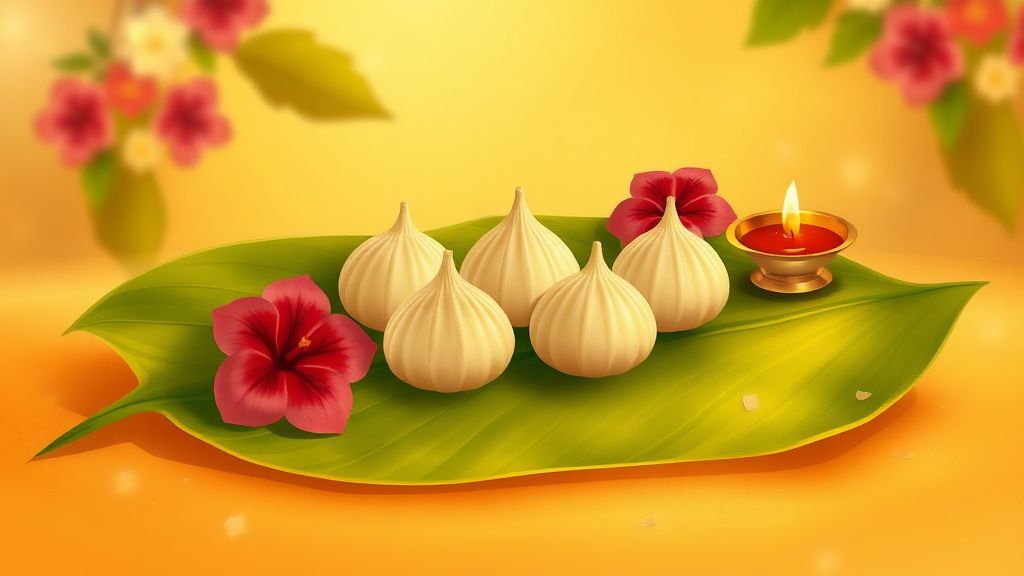
Ganesh Visarjan is the ritual immersion of the Ganesha murti at the close of Ganesh Chaturthi celebrations. In 2026, Ganesh Chaturthi falls on Monday, 14 September, and the most common Visarjan date is Anant Chaturdashi, Friday, 25 September, the eleventh day after Chaturthi. The full Ganesh utsav can run anywhere from one-and-a-half days to eleven days; household and pandal traditions vary, with immersion on Day 1.5, Day 3, Day 5, Day 7, Day 10, or Day 11 each being acceptable in different sampradayas. This article details the rules, the dos and donts, the eco-friendly considerations, and the procedural sequence for the visarjan itself.
When the visarjan happens: the day choices
Households and pandals select one of the traditional immersion days based on the sampradaya, the local practice, and the household capacity:
- Dadh Din (1.5 days): immersion on the afternoon of the day after Chaturthi. The smallest household form; common in Maharashtrian apartment-dwelling households who cannot maintain the puja for longer. In 2026, the 1.5-day visarjan is on 15 September afternoon.
- Tritiya (Day 3): immersion on the third day. In 2026, on 16 September.
- Panchami (Day 5): immersion on the fifth day. In 2026, on 18 September.
- Saptami (Day 7): immersion on the seventh day. In 2026, on 20 September.
- Dashami (Day 10): immersion on the tenth day. In 2026, on 23 September.
- Anant Chaturdashi (Day 11): the most common public pandal visarjan day. In 2026, on 25 September. The Mumbai Lalbaugcha Raja and most of the large Maharashtra pandals immerse on this day.
The choice of day is sampradaya-dependent. There is no spiritual hierarchy between the days; each is acceptable in its own tradition. The household chooses based on the family’s prior practice, the available time for the daily puja, and the practical constraints of where the murti is kept.
The visarjan day’s sequence
- Morning puja (last full puja): the murti receives a final elaborate puja in the morning, with abhishekam, panchamrit offering, new clothes, ornaments, modaks (21 in number, the Ganesha-prescribed count), and the recitation of the Ganesh Atharvasheersha. This is the visit’s final formal recognition.
- Uttar puja (closing puja): a specific liturgical sequence performed before the visarjan, formally requesting Ganesha to accept the household’s hospitality and to return next year. The Mantra “Punaragamanaya cha” (“Please come again”) is the central element.
- Aarti and farewell: the family gathers around the murti for the final aarti, singing “Sukhakarta Dukhaharta” and the household’s family aarti. Many households shed tears at this moment; the murti has been at home for the days of the utsav and is treated as a guest.
- Pran-pratishtha removal: a short liturgical procedure formally removes the divine consciousness from the murti and returns it to the formless. The murti becomes ritual clay again rather than a deity. This is the moment that transforms the immersion from an emotionally fraught farewell into a structural release.
- Procession to the water: the murti is placed on the family’s shoulders or on a tray; the family walks to the immersion point. Drums (dhol-tasha), bells, and chanting of “Ganpati Bappa Morya, Pudhchya Varshi Lavkar Ya” (“Lord Ganpati, please come back soon next year”) accompany the procession.
- Immersion: at the water body, the murti is gently lowered into the water. The exact technique varies (sliding in from the bank, lowering from a boat, dissolving in a household tub for home visarjan).
- Final prasad: the family returns home. The visarjan thali and the day’s prasad are shared. The household altar is cleaned; flowers and offering materials are immersed separately or composted.
The DO list
- Use clay (shadu mati) murtis: traditional clay murtis dissolve fully in water and return to the silt cycle. The Pune-based shadu mati is the classical material; many manufacturers now also use plaster of Paris (PoP), which is the principal environmental problem.
- Use natural colours: turmeric for yellow, kumkum for red, indigo for blue, geru (red ochre) for brown. The traditional palette is all earth-based.
- Use biodegradable decorations: banana leaves, marigold flowers, cotton thread, jute fabric. Plastic ornaments and synthetic flowers should be removed before immersion.
- Use a household water tub for symbolic visarjan: a large bucket or plastic tub at home filled with water; the small clay murti is dissolved in the water over several hours; the clay water is then used to water plants. This avoids any pollution of public water bodies.
- Join community collection programs: many Maharashtra municipal corporations now run designated artificial immersion ponds and idol collection drives. The household performs the farewell puja privately and then deposits the murti at the registered collection point.
- Plant the dissolved clay: after home visarjan, the clay residue can be planted in the garden or returned to a designated municipal collection site that uses the clay for productive purposes.
- Carry the murti respectfully: the murti is carried head-up at chest level during the procession; carrying upside-down or by the limbs is treated as inappropriate.
The DON’T list
- Do not use Plaster of Paris (PoP) murtis: PoP does not dissolve in water; it sinks to the bottom of rivers and lakes, damages aquatic ecosystems, and accumulates heavy metals from the synthetic paints used on it. Several state High Courts (Bombay, Madras) have issued specific orders against PoP murtis; the Central Pollution Control Board has issued guidelines discouraging them. Use clay.
- Do not use toxic synthetic paints: the paints used to colour PoP murtis often contain lead, cadmium, and other heavy metals. These leach into the water at immersion.
- Do not immerse decorations and offering materials in the water body: flowers, thread, cloth, and other puja materials should be collected separately and composted or disposed of via municipal waste. The water body receives only the murti itself.
- Do not perform visarjan at public swimming pools or piped water sources: these are not classical water bodies and the immersion is considered ritually inappropriate.
- Do not delay visarjan beyond the planned day: the Sankalpa taken at installation specified the duration; extending it without proper ritual extension is improper.
- Do not handle the murti in casual ways during the procession: the murti has been ritually consecrated; the procession is read as the closing public moment of the festival.
- Do not perform the immersion alone: the visarjan is a family event; at least two family members should be present, both for ritual completeness and for safety.
The eco-friendly home visarjan
For households unable to access a clean water body or unwilling to add to the local immersion load, the home visarjan is the most defensible alternative:
- Use a clay murti to begin with; PoP makes home visarjan impossible.
- Prepare a large bucket or plastic tub (10 to 20 litres capacity, depending on the murti size). Fill with clean water.
- Perform the morning puja, the Uttar puja, the aarti, the farewell, and the pran-pratishtha removal as usual.
- Place the murti gently in the tub of water. Sing “Ganpati Bappa Morya, Pudhchya Varshi Lavkar Ya” three times.
- The clay murti dissolves over 4 to 24 hours depending on size. Do not stir; let the dissolution happen naturally.
- Once fully dissolved, the clay water can be used to water plants in the household garden or returned to the earth at the base of a tree. The clay returns to the soil.
- The puja materials (flowers, leaves, fruit, thread) are composted or disposed of separately.
For what it’s worth, the home visarjan with a small clay murti is the most ritually complete option for the household that cares about the environmental dimension. The classical visarjan in a flowing river or a sea was structurally an act of returning the clay to the earth via the water; in modern urban conditions with stagnant water bodies and heavy ritual loads, the home visarjan honors this structural intention more faithfully than the public one.
Common questions
Why is PoP a problem?
Plaster of Paris is calcium sulphate hemihydrate. When set, it does not dissolve in water; it absorbs water and turns back into gypsum, sinking to the bottom of the water body. Combined with synthetic paints (often containing lead, cadmium, mercury, chromium), PoP immersion causes documented harm to aquatic life and water quality. The Central Pollution Control Board’s 2010 guidelines (and the revised 2020 guidelines) specifically discourage PoP idols. Clay (shadu mati) returns to the silt cycle within hours of immersion.
Can I keep the murti permanently and not immerse it?
The traditional reading is no: the Ganesh Chaturthi murti is installed with a specific Sankalpa naming the duration of the utsav, and the visarjan is the ritual closure that completes the cycle. Keeping the consecrated murti past the planned visarjan day is treated as improper. Permanent Ganesha murtis at home (treated as regular household deities) are a separate category and are not part of the Ganesh Chaturthi installation; those murtis are not immersed but receive daily puja indefinitely.
What time of day for visarjan?
Auspicious windows are checked from the panchang; afternoon and early evening are the standard public visarjan times. For Anant Chaturdashi (the eleventh day, most common pandal visarjan), the Mumbai municipal arrangements run visarjan processions from morning through to the next dawn; the household visarjan within these arrangements is timed to the family’s convenience within the daylight hours. Late-night visarjan after midnight is discouraged.
A limitation worth noting
Specific Anant Chaturdashi visarjan timings, Mumbai pandal procession routes, designated immersion points and the Maharashtra Pollution Control Board’s current regulations on PoP murtis shift each year and are published before the festival. This article does not list city-specific times or routes. For Mumbai see the BMC Ganesh Visarjan advisories; for Pune see PMC; for other cities see the local municipal corporation’s annual advisory. For an overview see the Wikipedia entry on Ganesh Chaturthi and the Central Pollution Control Board‘s current idol immersion guidelines.